









A nature haven on Marker Wadden
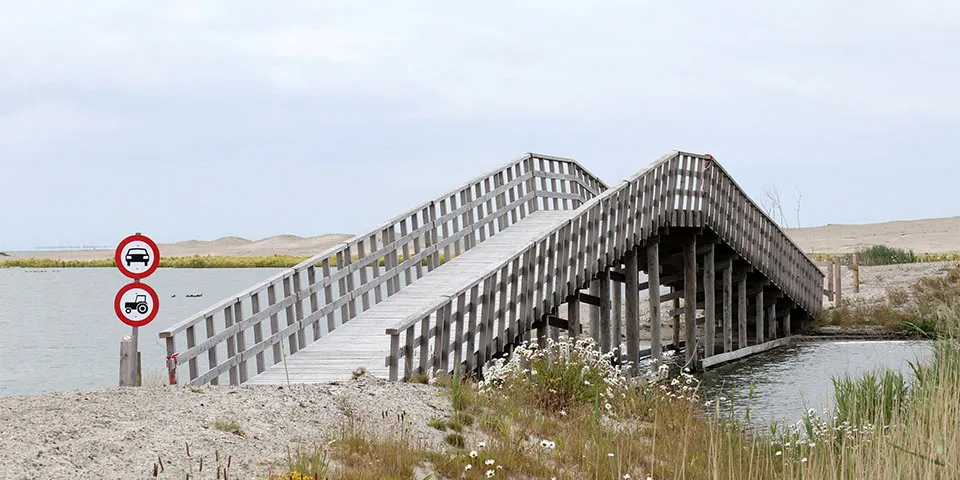
Marker Wadden is the newest addition to the Netherlands: a group of nature islands bringing new life to the Markermeer. Visitors can enjoy this new natural haven for plants, insects, fish and birds via beautiful walking trails and unique birdwatching spots. Hupkes Houthandel supplied much of the timber for the jetties and boardwalks through sandy and marshy terrain.
Marker Wadden is a unique nature reserve in development. The nature islands have been created using sand, clay and silt from the Markermeer and contribute to the ecological restoration of the Markermeer, both underwater and above the surface. They are not only a natural haven for fish and birds, but also a wonderful place for recreation. And all of this is right here in the Netherlands, off the coast of Flevoland. Since September 2018, Haveneiland has been open to the public. This main island of Marker Wadden has a total of 12 kilometres of walking trails and three striking bird hides.
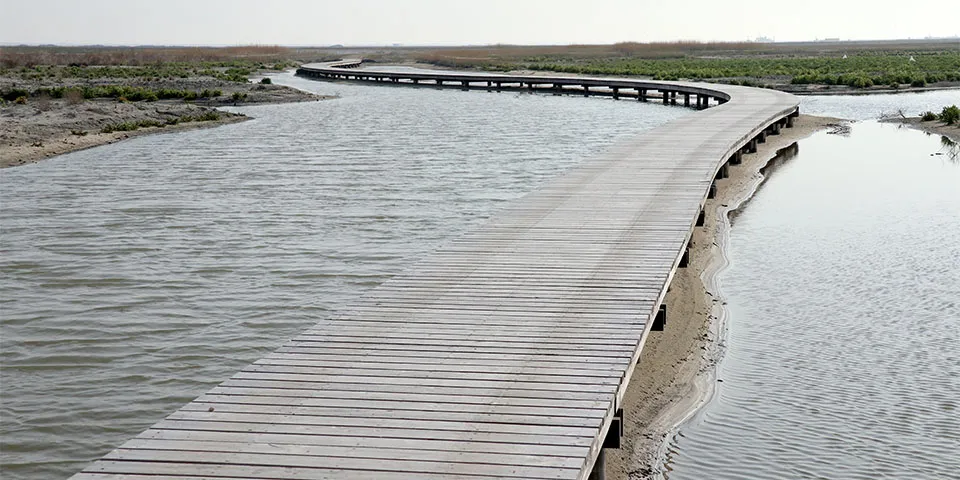
Hupkes Houthandel supplied much of the timber for the jetties and boardwalks through sandy and marshy terrain.
Huge timber stock for civil engineering projects
Almost all the timber on the main island was installed by Flora Nova Constructiewerken. “We had barely six months to build the jetties, boardwalks and bird hides,” says Adri Timmerman. “We were bound by the fixed deadline of 8 September 2018, the date scheduled for the official opening. The drawings were not finalised until March that year. It is reassuring, then, to be able to rely on suppliers who can deliver large quantities of timber for civil engineering projects from stock. Hupkes Houthandel is one such supplier, with a huge stock of Azobé and Demerara Greenheart and Basralocus piles. It may even have the largest stock in Western Europe. Another advantage is that Hupkes still saws and processes Azobé round timber to size in the Netherlands itself, one of the few companies to do so.”
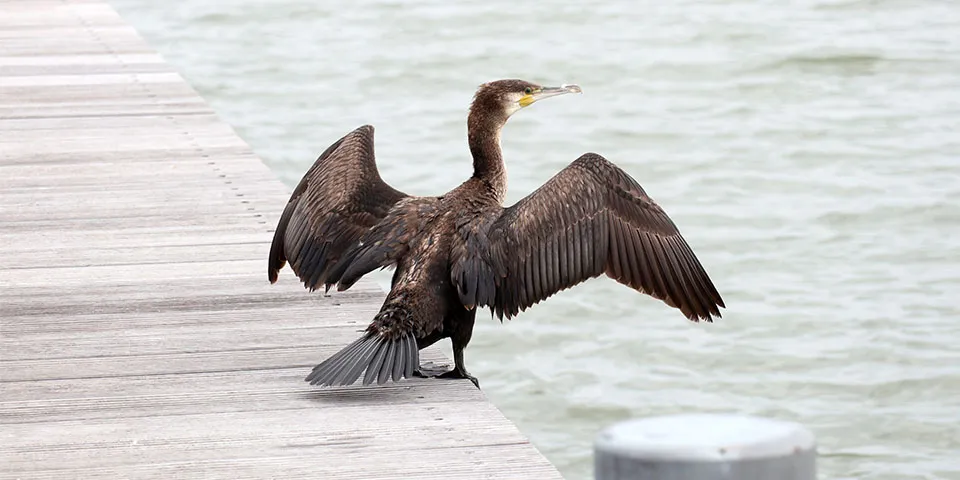
Visitors can enjoy this new natural haven for plants, insects, fish and birds via beautiful walking trails and unique birdwatching spots.
The absolute best
With durability class 1 and strength class D70, Demerara Greenheart is unbeatable for piles and is absolutely top of the range, according to Timmerman. “It is ideal for use in this environment. By far the largest amount of this timber species was therefore used for the substructure of the jetties, supplemented by Basralocus and Cloeziana round timber piles.” In total, around 95 m3 of Demerara Greenheart and Basralocus was used, along with 76 m3 of Cloeziana round timber piles and 109 m3 of Azobé, also cut to length and fitted with scarf joints and chamfered edges. “Azobé was used, among other things, for the crossbeams, bearers, rubbing strakes and decking of the jetties. The largest jetty, used by boats from the traditional Dutch brown fleet to arrive and depart, is the only one supported by a steel structure. However, it is ‘wrapped’ in Azobé, making it look as if it is built entirely from timber.”
For the Flora Nova employees, conditions on Marker Wadden were unusual and at times even tropical. Timmerman says: “With the warm spring and scorching summer, it sometimes felt like a desert. Our employees’ transport was well suited to the conditions. We chartered a former ‘Dakar jeep’ to transport them. All in all, it was a wonderful and, above all, unique project for us.” Hupkes Houthandel is also proud of the end result. Managing director Stefan Meinhardt also looks back on a pleasant collaboration with Flora Nova.
Question about this story? Ask your question
Keep following this
Get an email when a new story is published. No account needed.
- SubjectBouwMat







