









A full day’s work on one battery charge? JCB makes it possible
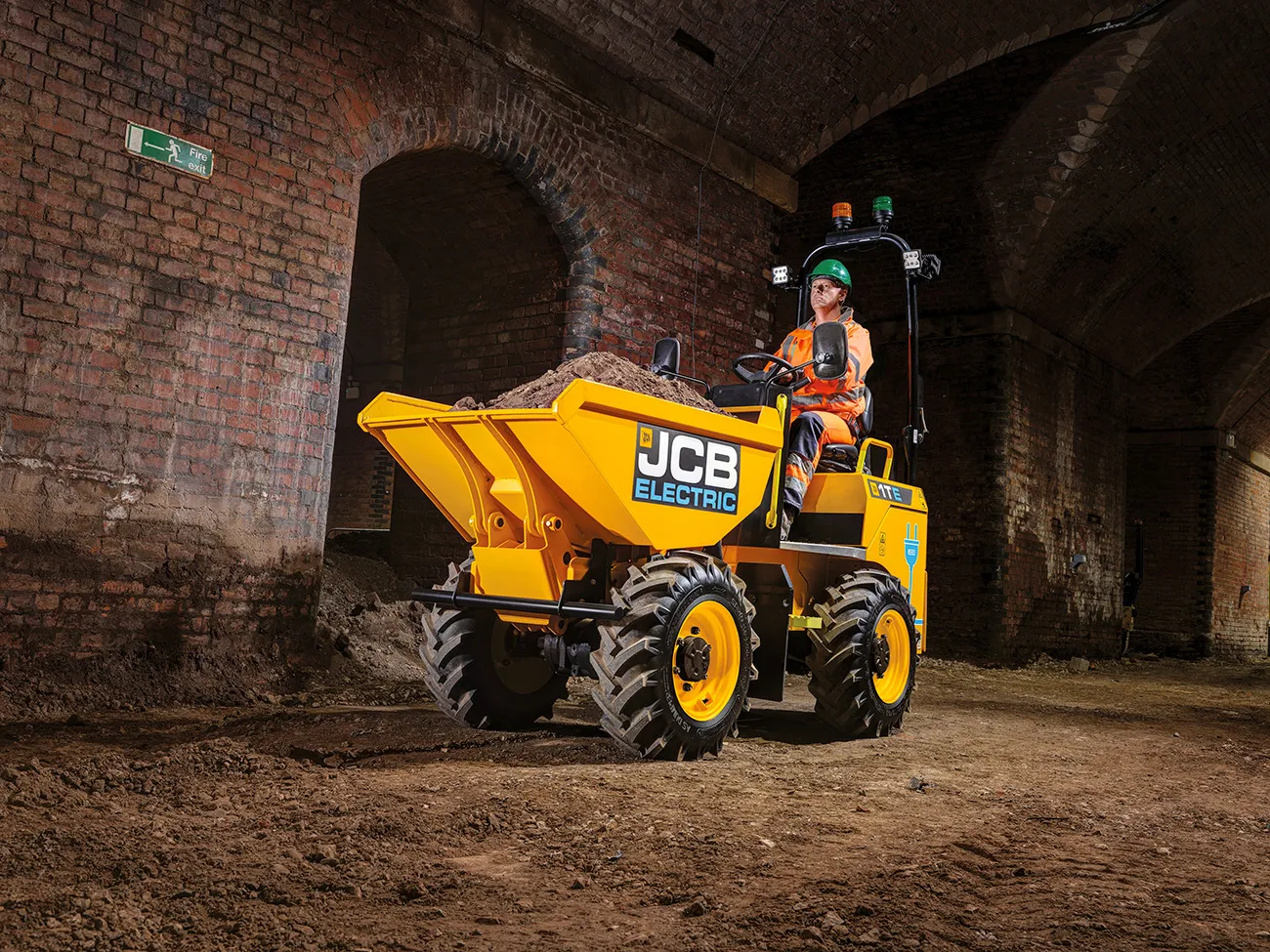
JCB’s mini excavators run for 5.5 hours on a full battery. But because idling uses very little energy, they can easily see out an 8-hour working day, says Gregor Grootjans, product specialist at the British brand. “What’s more, the current generation of electric machines is more powerful than the diesel version.”
‘Market for electric equipment is growing rapidly’
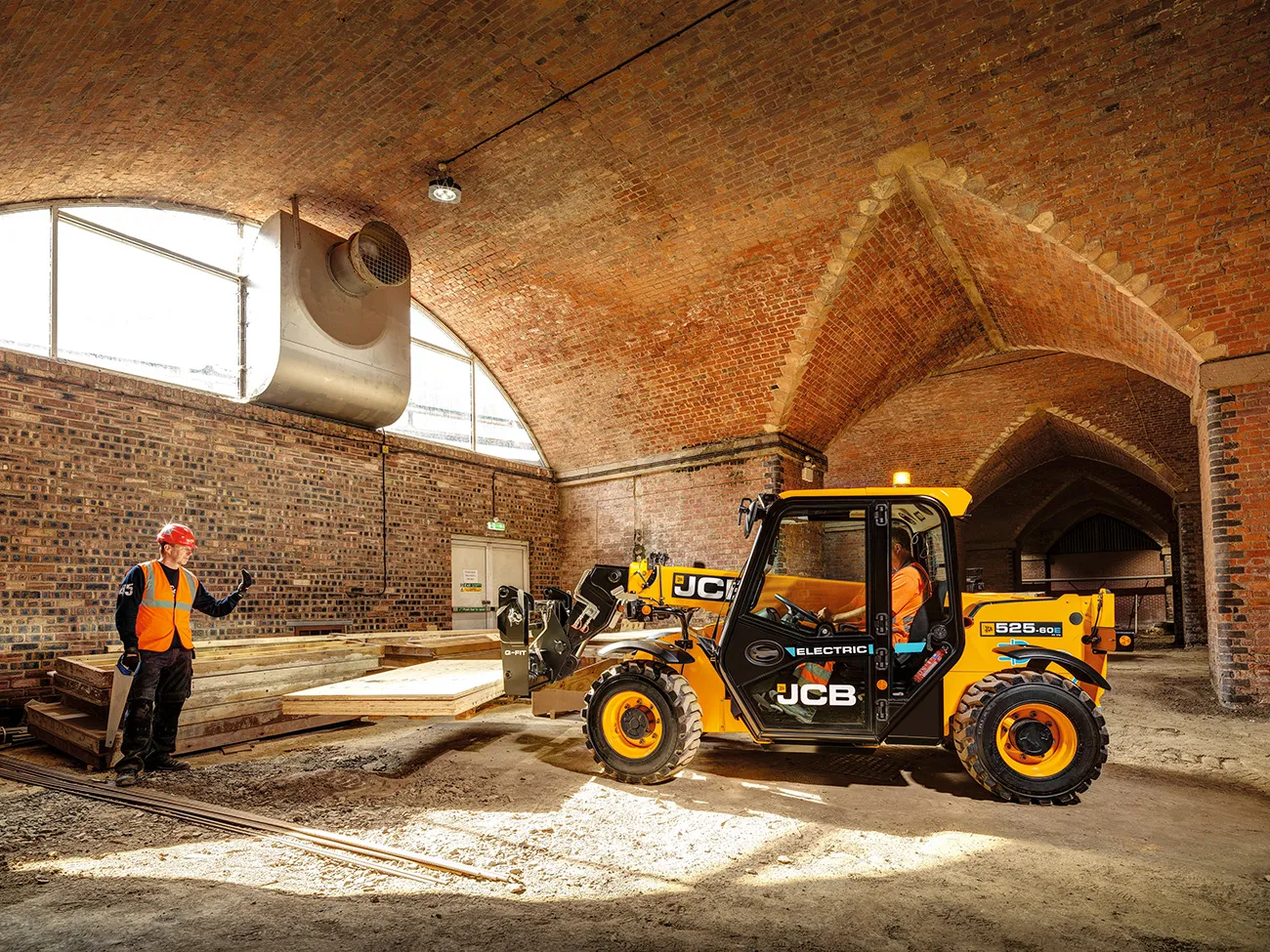
JCB is investing heavily in making its entire product range emissions-free. At least, machines weighing up to 5 tonnes. For its heaviest equipment, the British company is currently developing its own hydrogen engine. “Every now and then an electric excavator is sold, because the Netherlands likes to be ahead of the curve, but it’s not ideal yet,” says Grootjans. “After 4.5 to 5.5 hours, the machine has to be plugged in. And most sites where these machines operate have no electricity available. So you have to bring a heavy battery pack to the site. You could question how sustainable that really is. The cost of electrifying a machine is also a major factor.”
The market for JCB’s smaller machines and telehandlers is growing rapidly, Grootjans observes. “Emissions-free operation is being specified more and more, especially in the Randstad. Riding schools, for example, are also switching to electric equipment. It’s easy to do in these locations, as the smaller machines don’t need to run for as long each day.” In most cases, the 5.5 hours of operation available on a full battery is more than enough, as JCB can see from its own telematics system, JCB LiveLink. Grootjans says: “Most mini excavators idle for 35 to 40 per cent of the time. A diesel engine still consumes fuel while idling, but an electric machine does not. Charging at the end of the working day is then more than sufficient. Or you can plug it in during the lunch break.”
Despite the rise of emissions-free operation, Grootjans does not expect all construction machinery to be electric in the future. “The electricity grid couldn’t cope with that either. That’s why JCB is investing a lot of time and money in developing its own hydrogen engine. This technology is much less complicated than fuel cell technology. What’s more, the machines don’t need to be modified. We’ll simply replace the diesel engine with a hydrogen version.”
Question about this story? Ask your question
Keep following this
Get an email when a new story is published. No account needed.
- SubjectBouwMat







