









Volvo Trucks increases use of low-CO2 steel
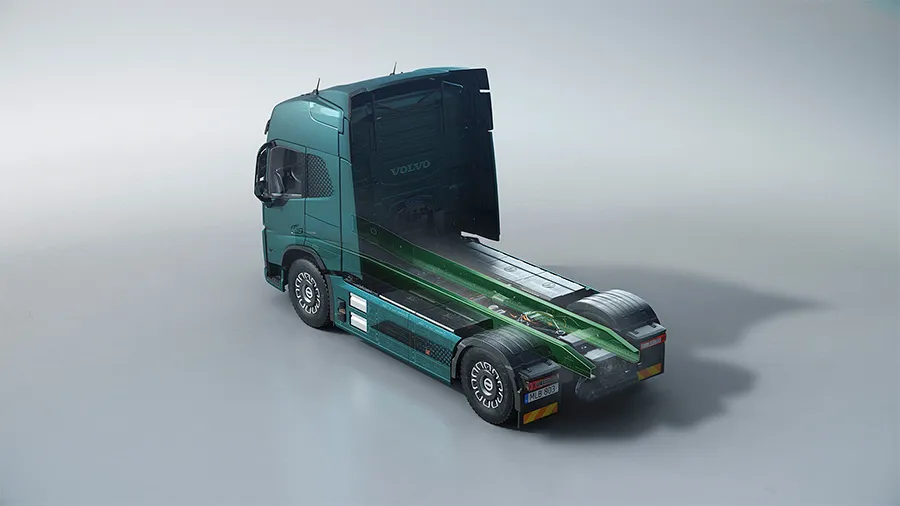
Volvo is increasing its use of low-CO2 steel. The steel is produced using recycled materials and fossil-free energy, and will be used in tens of thousands of Volvo trucks from next year.
As the first truck manufacturer in the world, Volvo introduced this type of steel in electric trucks in 2022. Now Volvo Trucks is expanding its use of low-CO2 steel* to all powertrains.
The new steel, called SSAB Zero, is produced by Swedish steel company SSAB. It is made from recycled materials and produced using fossil-free electricity and biogas. This reduces CO2 emissions by approximately 80% compared with conventional steel production using fossil energy.
Next year, the chassis rails in around 12,000 Volvo FH and FM trucks will be made from low-CO2 steel. This will result in a saving of 6,600 tonnes of CO2 equivalent**. As supplies of lower-CO2 steel increase, it will be used in more truck models and in other truck components.
Volvo also plans to replace other materials in its trucks with lower-emission alternatives.
“This is another step towards an emission-free future. Steel is one of the most important materials in our trucks. We also plan to replace other materials, such as aluminium and plastic, with low-emission alternatives. We are proud to be leading the way in the industry when it comes to sustainable materials in our trucks,” says Jan Hjelmgren, Senior Vice President Product Management and Quality at Volvo Trucks.
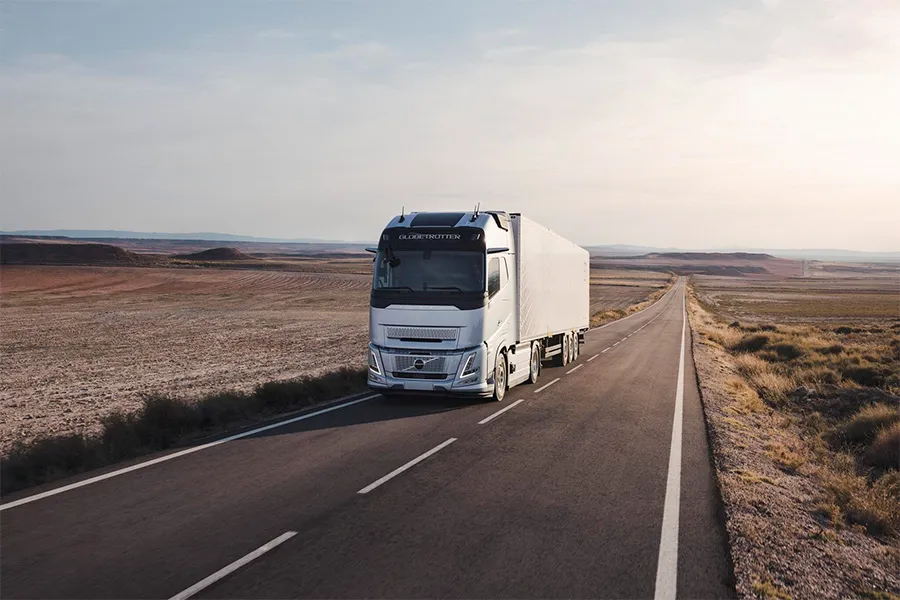
Half of the truck is made of steel
The potential to reduce CO2 emissions is significant, since almost half of a truck is made of steel (47% of a Volvo FH diesel truck). Steel accounts for approximately 44% of the production emissions (cradle to gate, from raw material to leaving the factory) of the total 21 tonnes of CO2 equivalent for the Volvo FH diesel.
Volvo Group is working with several suppliers on low-CO2 steel. Low-CO2 steel will be an important addition to the conventional and recycled steel already used in Volvo trucks.
Volvo Trucks is committed to the Paris Agreement and to achieving net-zero greenhouse gas emissions in its supply chain by 2040 at the latest.
“We are constantly working to further minimise our climate footprint. We are also moving towards greater circularity in both our operations and our trucks. Many of our factories, transport operations and dealerships now run on renewable energy,” says Jan Hjelmgren.
Facts:
The main materials in a Volvo FH diesel truck are steel (47%), cast iron (26%), polymers (11%) and aluminium (8%). They account for approximately 44%, 26%, 14% and 8% respectively of the production emissions (cradle to gate) of the total 21 tonnes of CO2 equivalent** for the Volvo FH diesel.
* Low-CO2 steel is steel with a significant reduction in CO2 emissions (80% or more) during the production process (cradle to gate).
** CO2 equivalent includes all greenhouse gas emissions, including methane, for example.
Question about this story? Ask your question
Keep following this
Get an email when a new story is published. No account needed.
- ThemeLower emissions and more reuse
- SubjectBouwMat







