









Extending service life by determining the remaining life of plastic piping systems
Under standardised product standards, plastic piping systems used in the infrastructure sector have an expected service life of 25-50 years when operated under the conditions specified in those standards.
In practice, milder operating conditions mean that PVC, PE and PP piping systems often last (much) longer. QS Testing has developed a practical and effective testing method to assess the degree of ageing and determine the expected remaining service life under unchanged operating conditions. In many cases, this demonstrably extends the service life by many decades, allowing replacement investment to be deferred.
QS is an independent organisation specialising in the testing, inspection and certification of plastic piping systems and geomembrane structures. “Everything we do is focused on independent quality control and conformity assessment against laws and regulations,” explains Jorn Bronsvoort, director of QS Testing. “We do this both in the field, during the installation of systems and structures, and in our own laboratory. In recent years, we have added a new service. As well as quality control during the installation of piping systems, we can also investigate existing systems. We carry out tests and assessments on a number of samples to determine their functionality over the coming decades and, in turn, their expected remaining service life over that period.”
Practical and effective
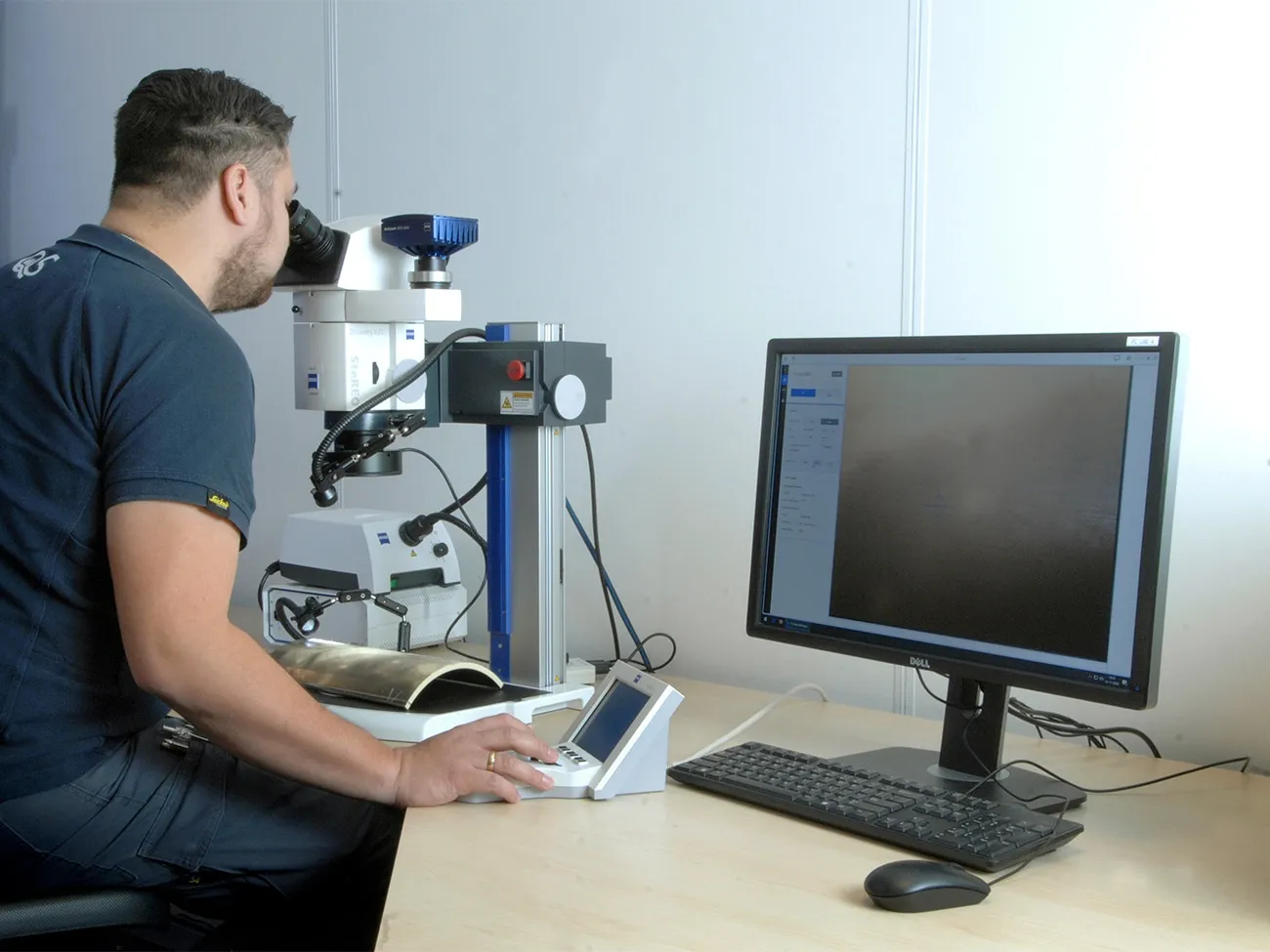
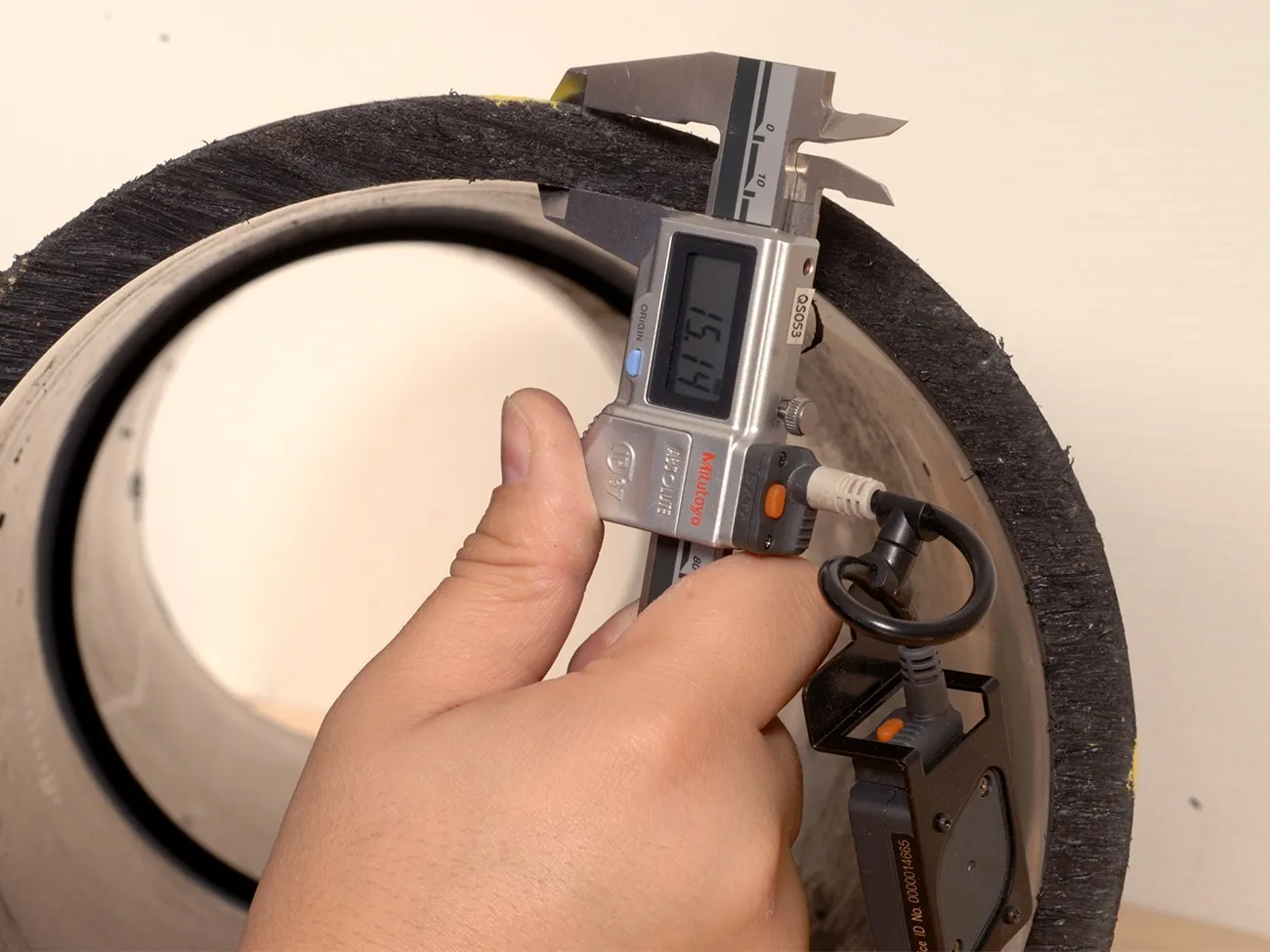
According to Bronsvoort, the new method for determining remaining service life responds to market needs and is based on scientific research by TNO. “Water authorities, local councils and other owners of plastic piping systems generally work on the basis of a service life of 25-50 years, in line with product standards. Pipes that have reached the end of their service life on paper have not necessarily reached the end of their useful life. In fact, in many cases they can last for decades more. We have developed a testing method designed to provide a clear estimate of remaining service life for a period of 10-30 years, depending on the condition of the piping system. The pipeline operator usually provides us with a number of representative samples. After all, the operator knows where the route runs and where the system is subjected to the greatest and heaviest loads. We then examine these samples. They are ultrasonically cleaned and carefully analysed for diameter, ovality, wall thickness, the presence of internal stresses, and so on. They are also visually inspected for damage, microcracks and discolouration. Finally, we subject the samples to a ring stiffness test.”
Based on these analyses, QS Testing prepares a report and gives an estimate of the expected remaining service life under unchanged conditions. “It is a practical and effective testing method. Since 2019, we have carried out dozens of investigations. Most have found an expected remaining service life of more than 20 years, while a few have found less than 2 years. This can therefore help pipeline operators defer replacement investment by a good number of years,” concludes Bronsvoort.
Question about this story? Ask your question
Keep following this
Get an email when a new story is published. No account needed.
- SubjectUnderground infrastructure







