









‘Everything starts with a first question’
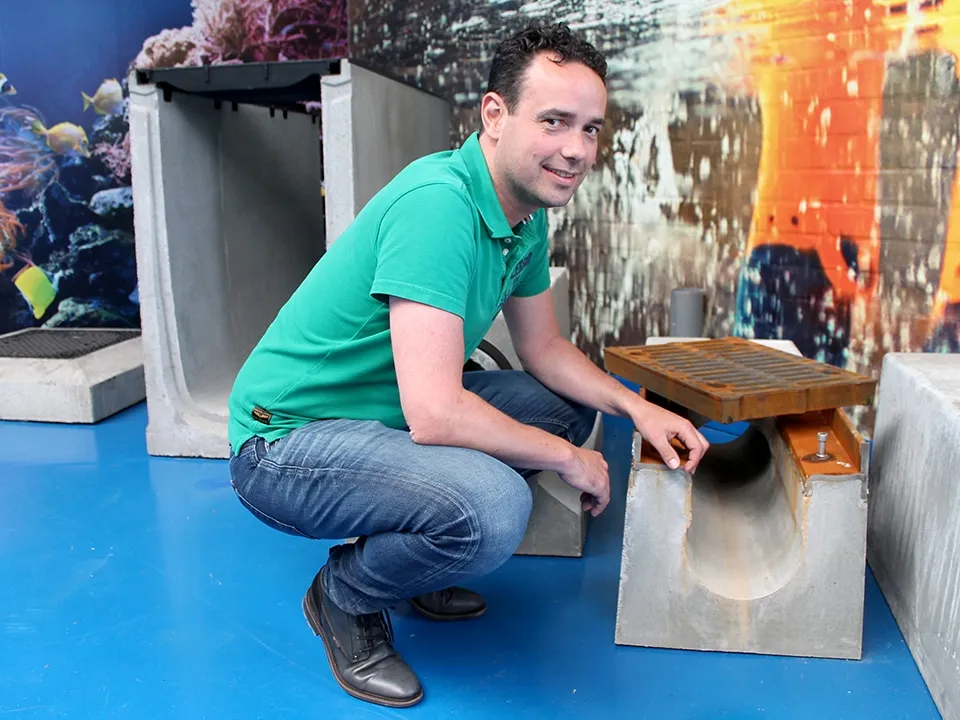
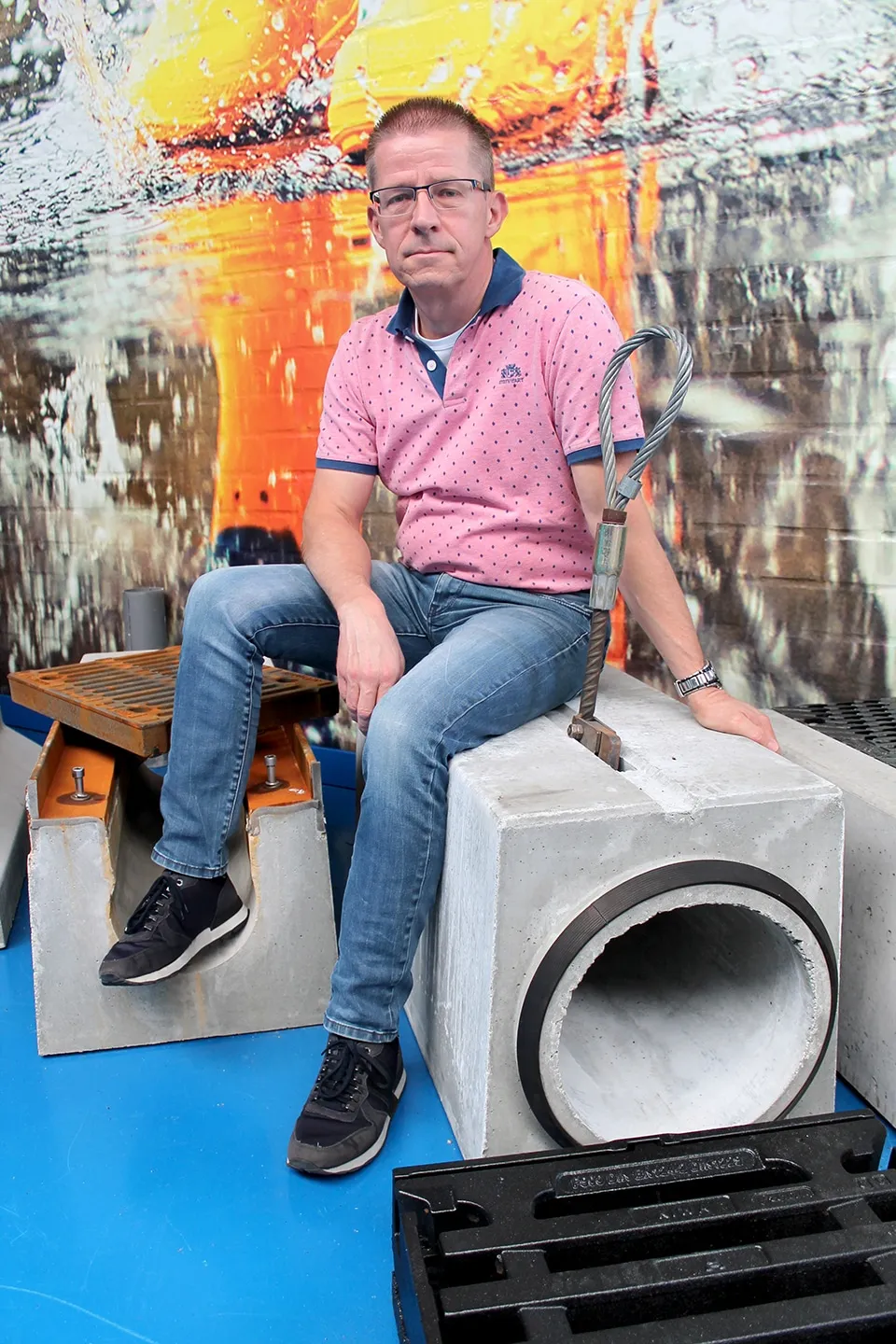
“Customers come to us with a specific question. We take the project from there, ask follow-up questions and that gets the ball rolling. What we ultimately deliver may therefore differ from what was initially requested.” Henk Stals, Head of Engineering at Nering Bögel, is speaking. Project manager Martijn Heldens is also at the table, and the two men shed light on the technical processes Nering Bögel goes through with its customers. “Customers simply can’t know everything,” says Stals. “That’s why we use our expertise to guide them towards the best solution for their challenge.” Heldens adds: “The customer starts from a basic need, but often overlooks the project constraints that affect the overall picture. We map these out precisely.”
What we deliver, however, often goes much further
A look behind the technical scenes
“When we take a closer look at one of our customers’ projects and assess it with a trained eye, the advice we provide is often more extensive than expected. The scope of a project is often much greater than the customer originally had in mind. That is simply because, as a customer, you can’t know everything. We take into account how various components within a system affect one another. Factors such as physical forces and applicable laws and regulations also come into play. The great thing is that we aim to offer a complete solution, taking the entire burden off the customer’s shoulders. An added benefit is that everything included in the solution is supplied by a single source,” says Heldens.
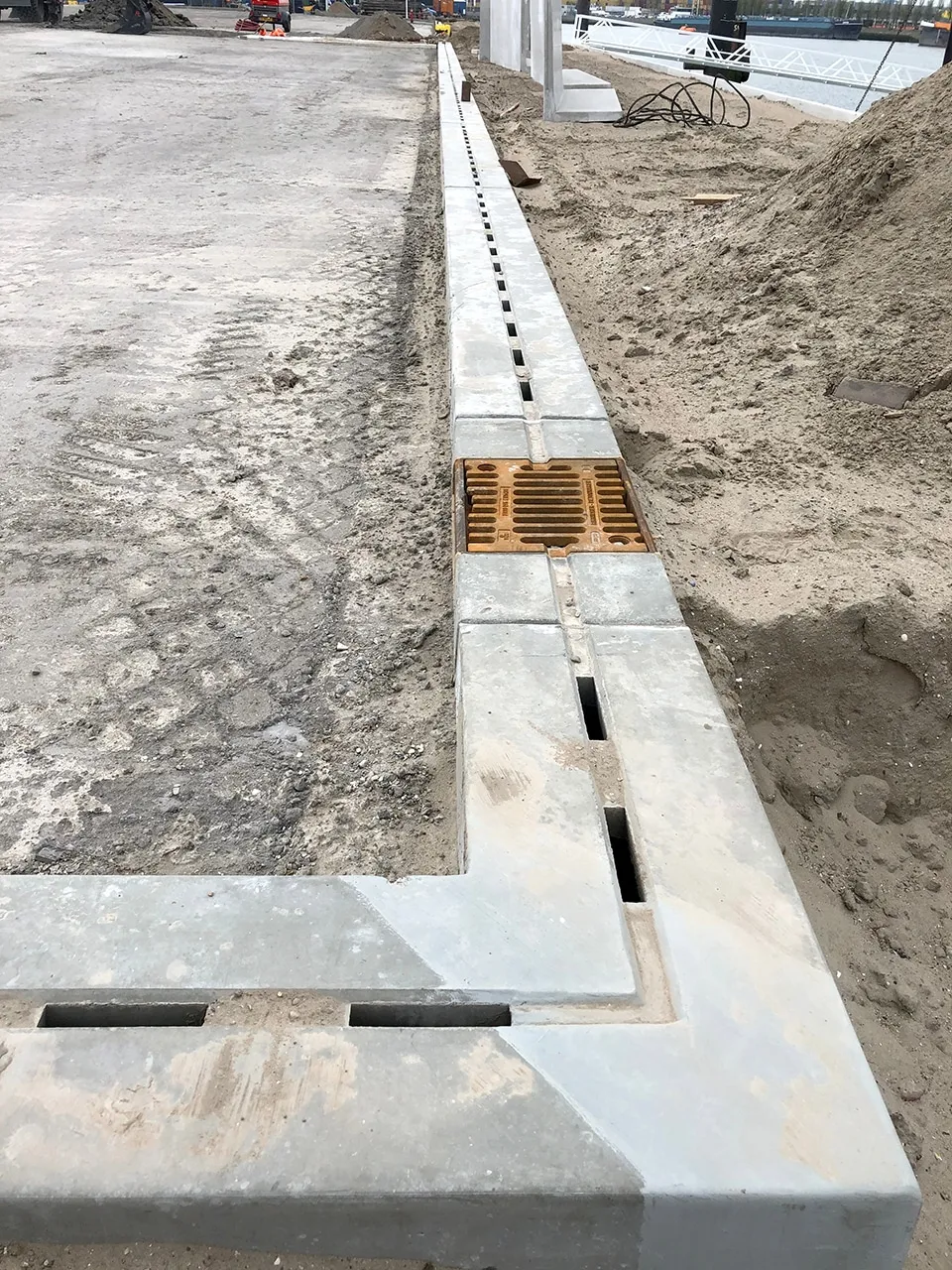
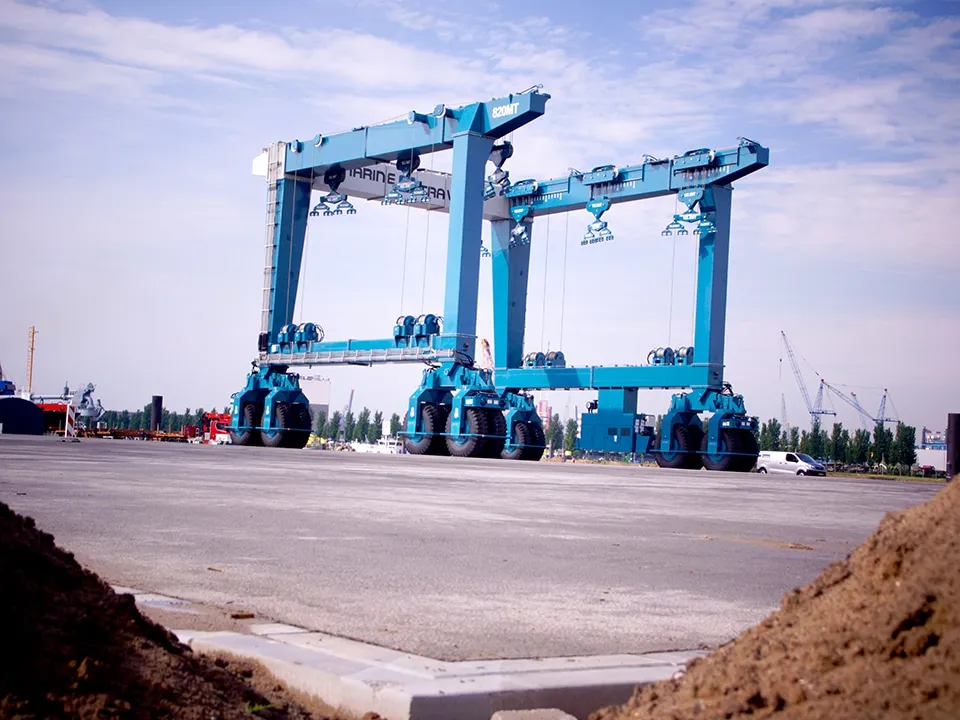
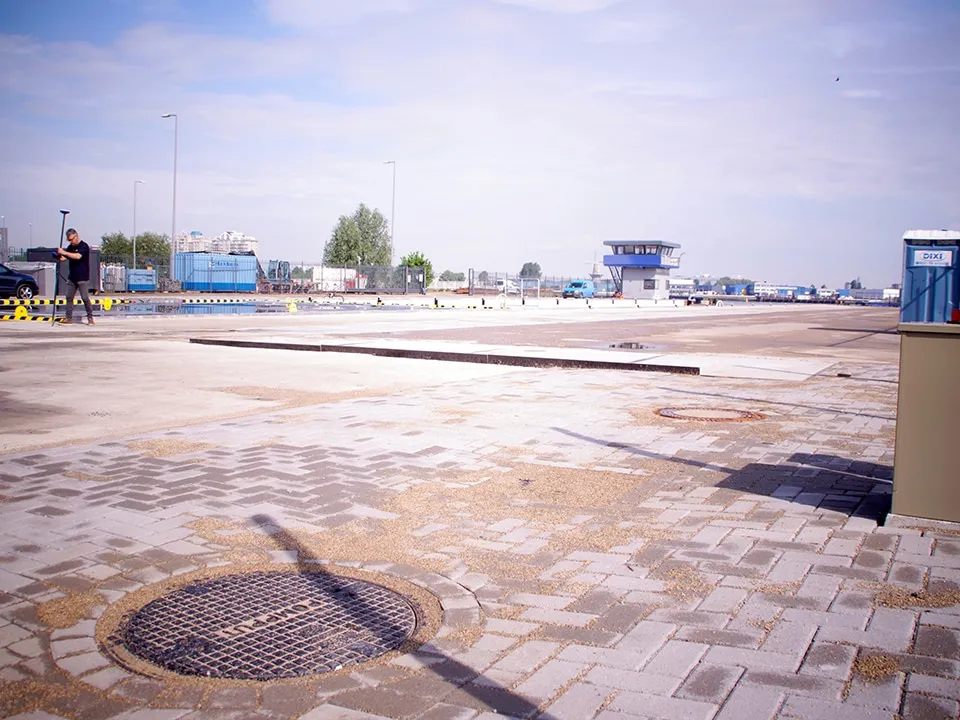
Stals offers a good practical example: “This was a shipyard for which we had previously supplied materials. The customer contacted one of our account managers for help because he was building a new yard. Boats arrive there in a working dock, where they are cleaned for the first time. Through a contractor, we had supplied an oil separator with a pump sump for this dock. The customer was, however, building a dry dock of 10,000 m2, where boats could be worked on. He had planned a number of channels there, which we were to supply. Our first question was: what type of site is it? It turned out to fall into the ‘uncovered workshop’ category. This raised a second question: shouldn’t those channels be liquid-tight? Which led to the next question: what regulations apply in this situation? After investigating, we found that a combination of standard channels and liquid-tight channels was required. The reason for using liquid-tight channels was that they were located along the crane’s route. We also advised that the water draining from these channels should first pass through an oil separator before being discharged.”
Additional safety measures
Nering Bögel ultimately divided the site into two sections because of its size, as a single installation would not have been sufficient. Heldens explains: “We installed one system on each side. For safety, we fitted an emergency shut-off valve downstream of each installation. In the event of a problem, the entire channel system acts as an emergency retention basin. The outlet system, which discharges into surface water on both sides, is now fitted with non-return valves. These prevent harbour water from flowing into the pipes in extreme conditions, such as a spring tide.”
The conclusion is that the initial request would not have resulted in an environmentally safe situation. Nering Bögel’s expertise helped put that right. Stals calls it a typical example of how a project can evolve. “Clear communication and consultation with the contractor and client led to a good working relationship, resulting in an effective and safe drainage system,” Heldens concludes.
Question about this story? Ask your question
Keep following this
Get an email when a new story is published. No account needed.
- SubjectUnderground infrastructure







