Sustainable, emission-free transport for the civil engineering sector
Text Roel van GilsImage De Bruyn Transport
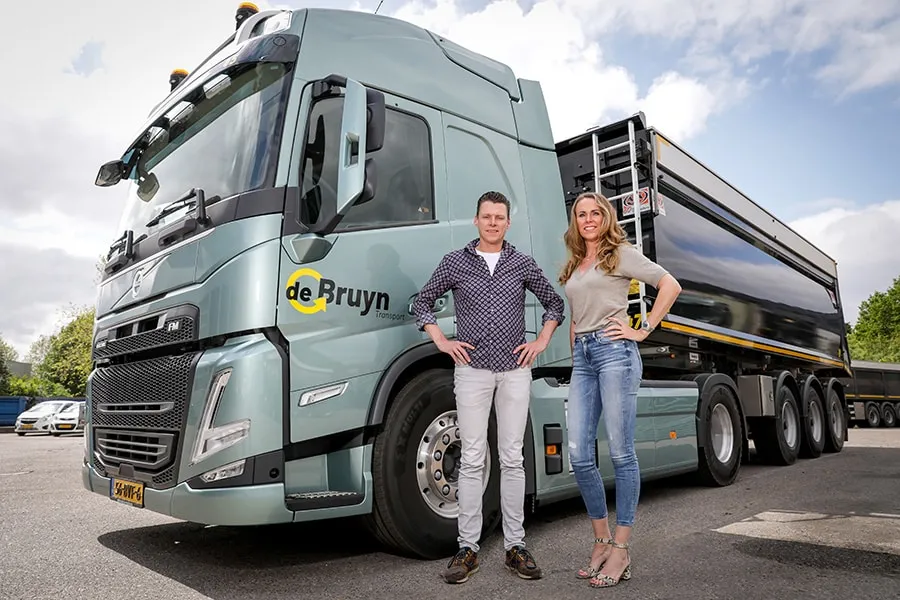
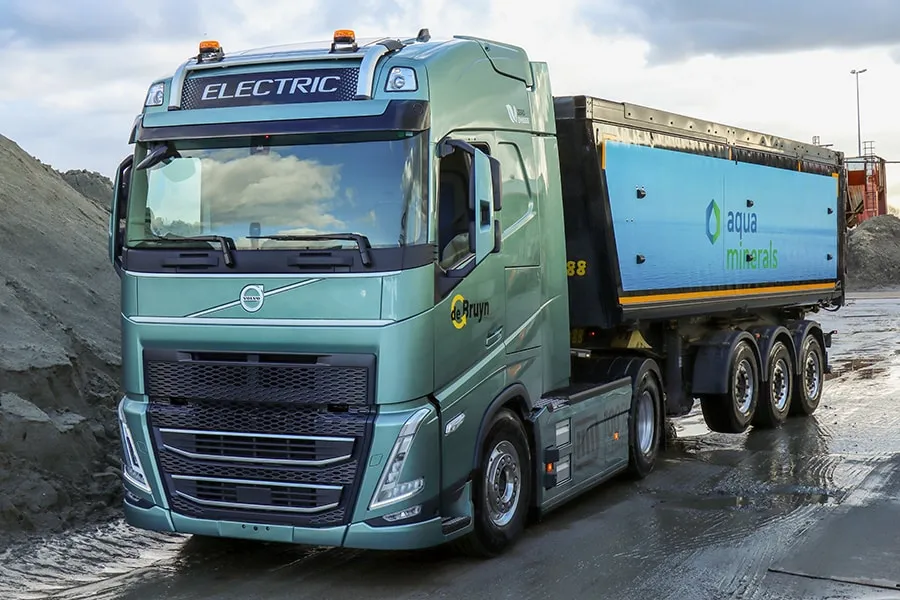
With a fleet of more than 85 vehicles, mainly tipper trucks, De Bruyn Transport is an established name in transport for the civil engineering sector. In recent years, the family business has invested heavily in electric trucks, plans to build several charging hubs in the south-west of the Netherlands and even has a dedicated planning department for emission-free transport. It has to, with its electric fleet set to grow to around 30 vehicles in the coming period.
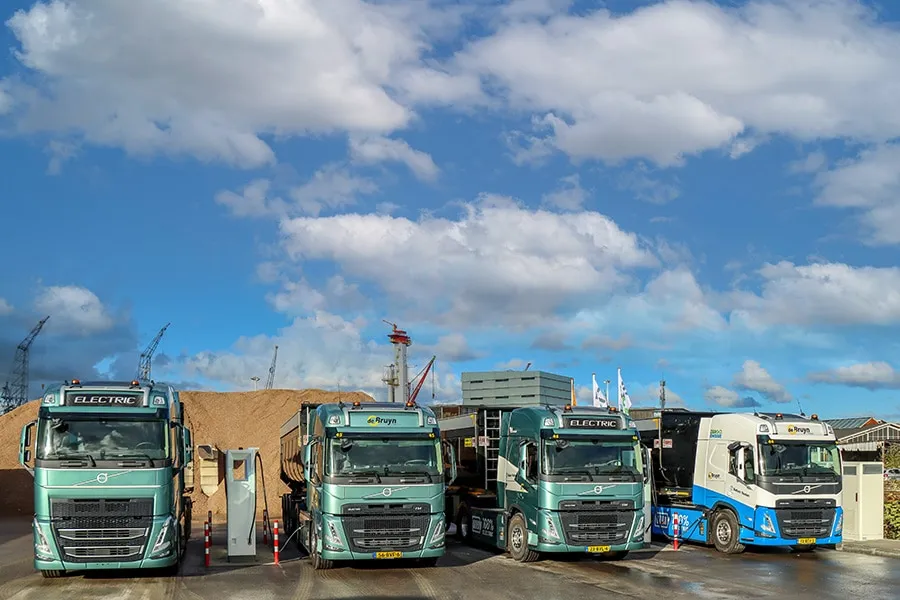
With the future in mind, just over two years ago we began looking into how we could make our journeys even more sustainable, says Joeri de Bruyn, who runs the family business with his sister Tirza. “We looked at both hydrogen-powered and electric trucks, and ultimately opted for electric trucks. That initially led us to purchase four electric trucks, which we were soon able to put to work for regular clients. This prompted us to press ahead straight away with another ten electric trucks. And in 2024, we plan to double the size of our electric fleet.”
Investing in charging hubs
Investing in electric transport is one thing, ensuring the trucks can keep moving all day is another. “Together with a partner in Schiedam, we have set up a new company, ETCZ (Eco Truck Charge Zone, ed.), which will create several charging hubs for heavy vehicles at strategic locations across the South Holland region,” Joeri continues. The ETCZ’s first charging hub in Schiedam is now operational. “We are also working closely with clients who, like us, are committed to being at the forefront. It takes commitment from both sides, so that we can develop and grow together and make emission-free transport possible on a large scale. We firmly believe it can be done, but only with the right partners on board, willing to make a 100% commitment to working sustainably. And that means much more than simply transporting goods from A to B without emissions. Our partnerships also create opportunities to increase load factors.”
Maximising load factors
According to Joeri, there is still plenty of scope in the tipper truck market to increase load factors. “There is only one way to do that: create synergies between different clients. So here too, working together is the key,” Joeri assures us. “And our ETCZ charging hubs will also play their part. The sites will be carefully selected with various partners at strategically and geographically well-positioned locations, for example at loading and transshipment sites or soil banks. That way, we can ‘make work out of work’ and reduce the number of kilometres we travel without a load.” This naturally requires careful coordination and planning, taking the electric vehicles’ range into account. “We made a conscious decision to separate EV planning from our regular planning. Electric transport requires a completely different way of thinking and working. You have to plan much further ahead, which is not exactly common in tipper truck transport. Energy management is one of the most important factors.”
De Bruyn Transport also devotes considerable attention to training drivers in emission-free driving. “We are fully aware of the enormous impact this has on our employees,” says Joeri. “At first, they are often a little sceptical, mainly because they are worried about running out of power on the road. But once they have tried driving electric, they do not want to go back. They feel much more relaxed behind the wheel, which is definitely good for their state of mind and safety. Drivers get home feeling rested. That is a welcome added benefit of the transition to sustainable, emission-free transport for the civil engineering sector.”
Question about this story? Ask your question
Keep following this
Get an email when a new story is published. No account needed.
- ThemeLower emissions and more reuse
- SubjectYearbook