









Saint-Gobain PAM Nederland: Standard and innovative solutions for circular pipe systems
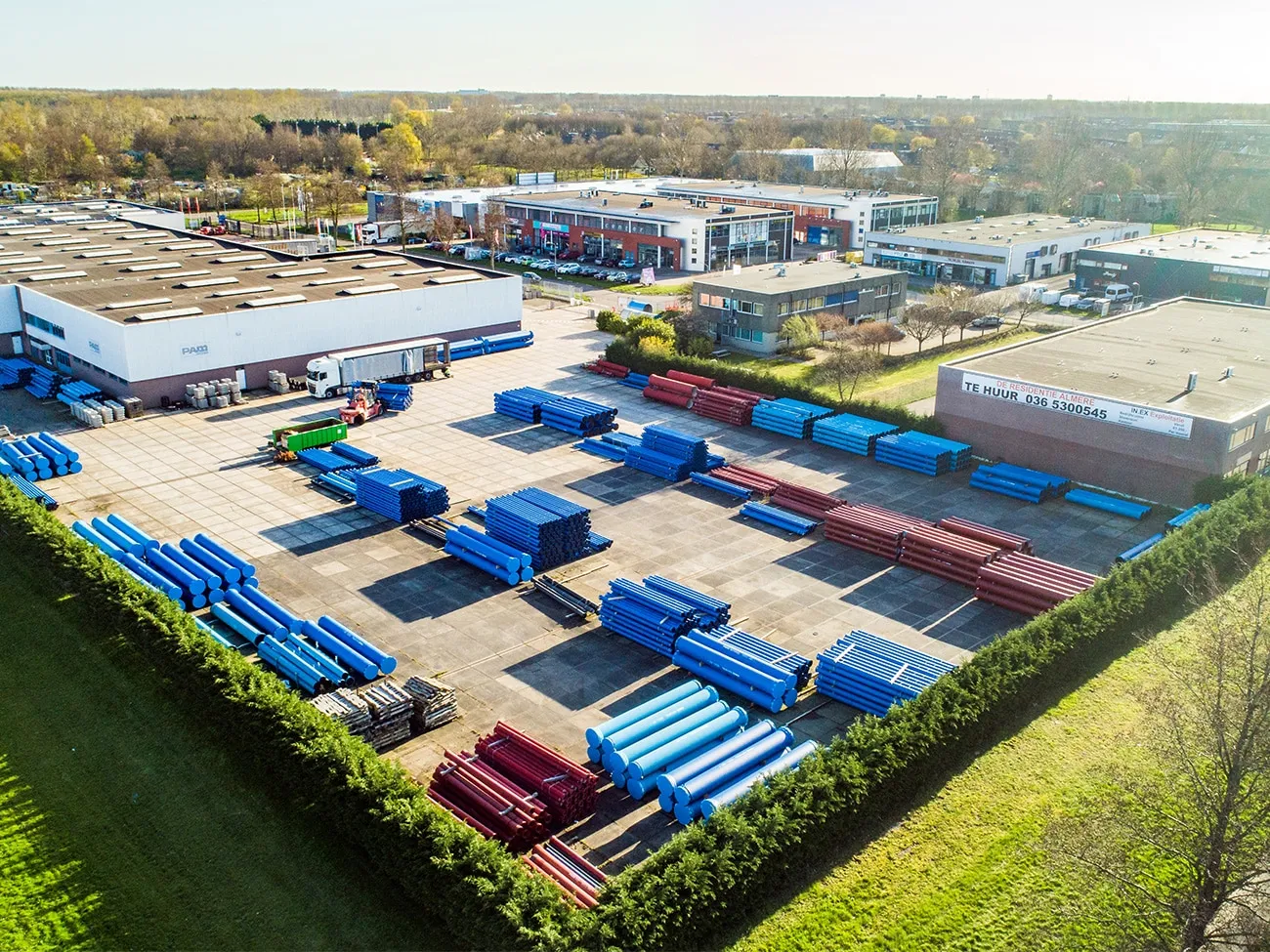
Metal has been used for a long time, and reused for just as long. Esther Lindeman, Managing Director of Saint Gobain PAM in Almere. “But too little attention is paid to how the recyclability of metal is organised. We take it for granted, but as a society we give it too little thought.”
Saint Gobain PAM is part of Saint Gobain International, which employs more than 180,000 people worldwide. Lindeman says: “It is a French company that made its name in building materials and glass. Think of the glass in the Pyramid of the Louvre, the museum of the same name in Paris. Or the glass used in cars and building materials such as insulation and plasterboard, as well as pipe materials.”
Its customers in the Netherlands are all the water companies and water authorities. Lindeman says: “Since 1918, we have focused mainly on sales and logistics services for pipe materials, working closely with excellent local partners. We have been in the Netherlands for more than 100 years, but unfortunately we are not eligible for the Royal designation because we employ too few people in the Netherlands.”
One hundred per cent recyclable
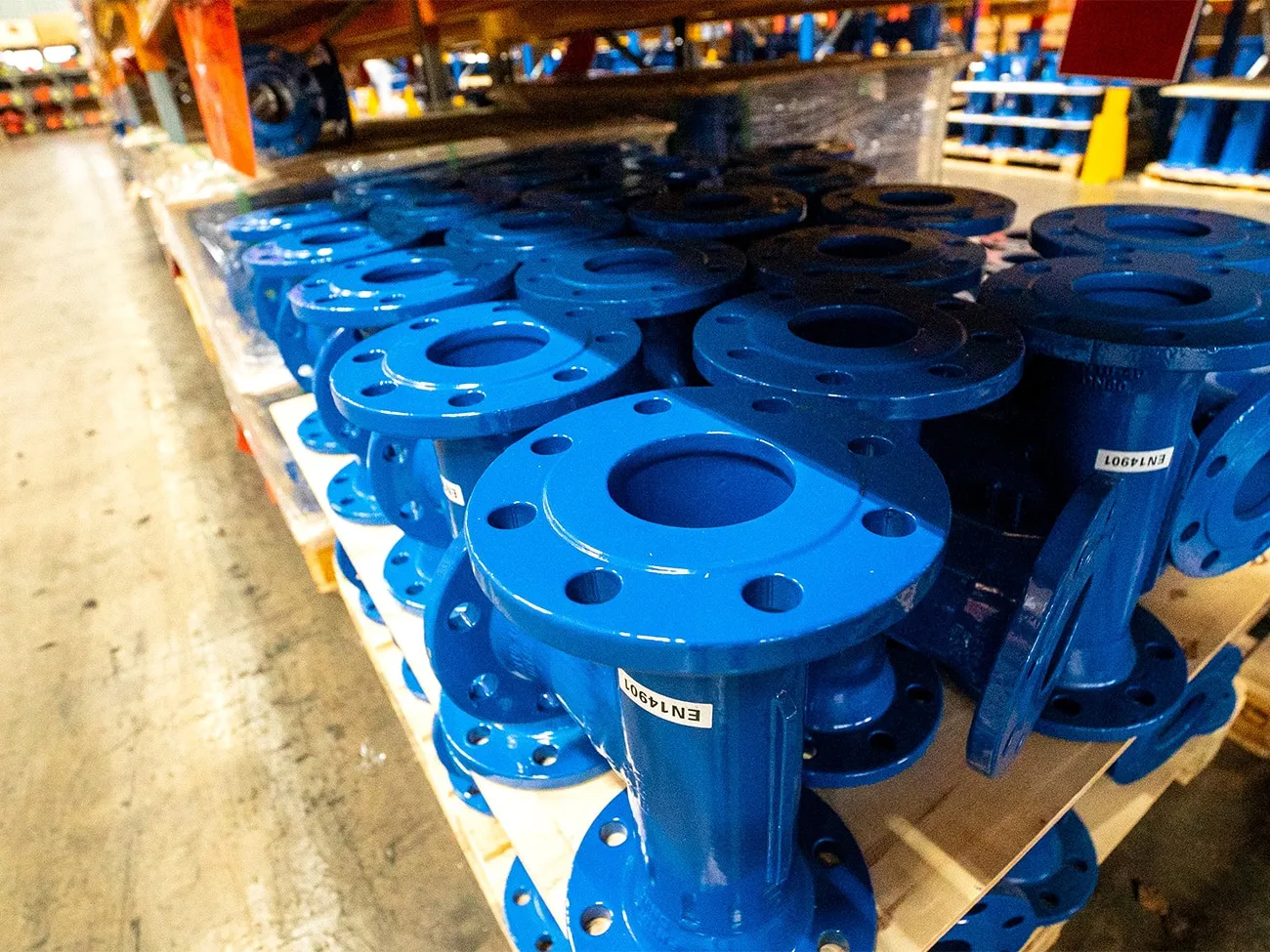
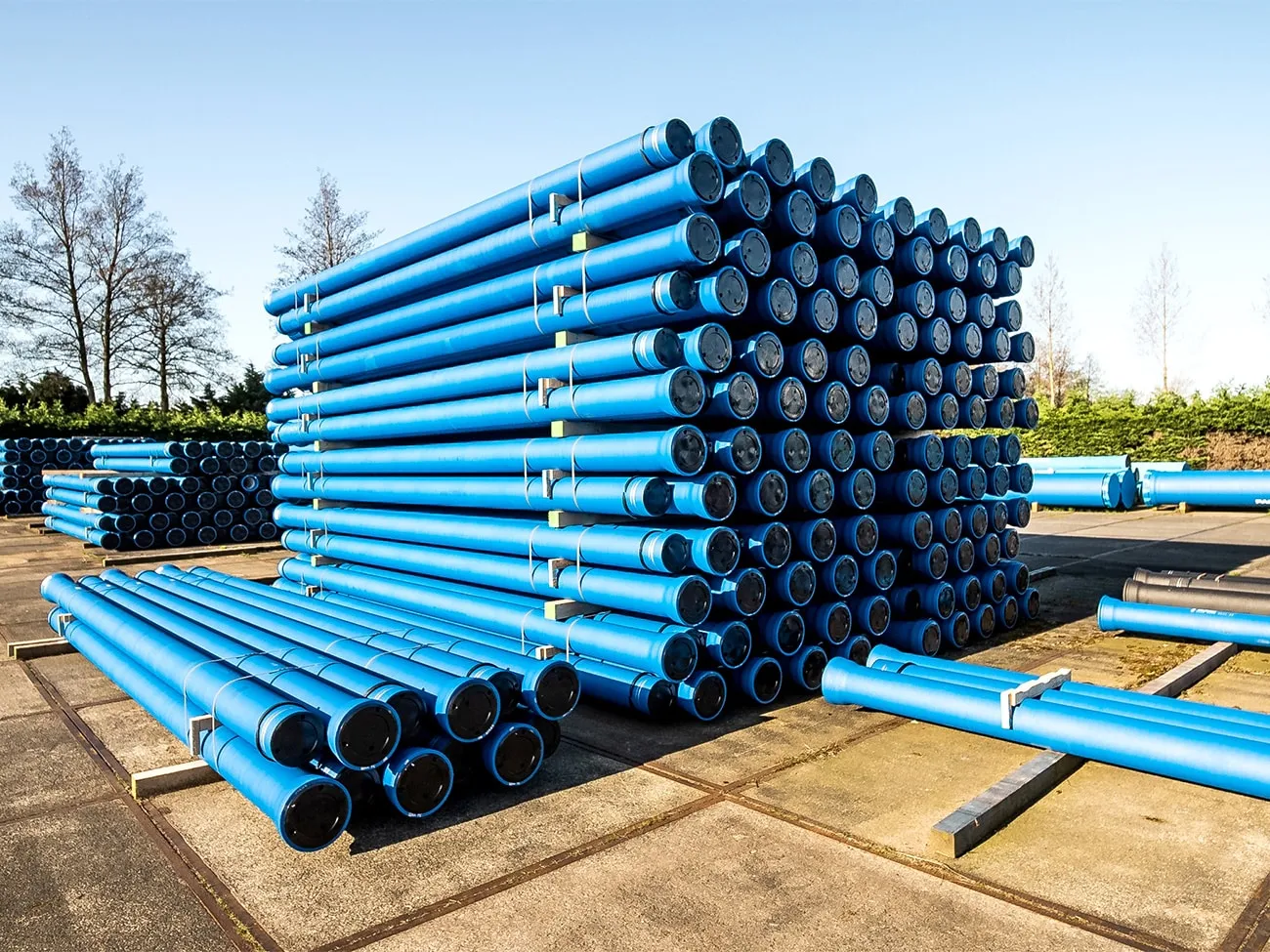
As part of a multinational, Saint Gobain PAM in Almere supplies pipes made in France. Lindeman says: “We also do business with other suppliers whose products are of great interest to our Dutch customers, including an American supplier. Metal pipes are sustainable. As a company, we are part of a sustainable development approach that covers the entire lifecycle of our product. This green investment is possible thanks to the key materials we use: ductile cast iron and precious metal. They are one hundred per cent recyclable, even indefinitely. A good example is the replacement of the water main in Amsterdam three years ago. The network supplies clean drinking water to 33 per cent of the city. The interesting thing is that a pipe had been there since 1853. It was simply cast iron, almost the same material we use today. The pipe was supplied at the time by an English factory, which has since also become part of Saint Gobain. It shows how long a pipe can remain underground. Everything you take out can be reused. My French colleagues have also recently replaced the 17th-century cast-iron pipes at the Palace of Versailles near Paris, which supply water to the many fountains. Here too, the old pipes are being given a new purpose.”
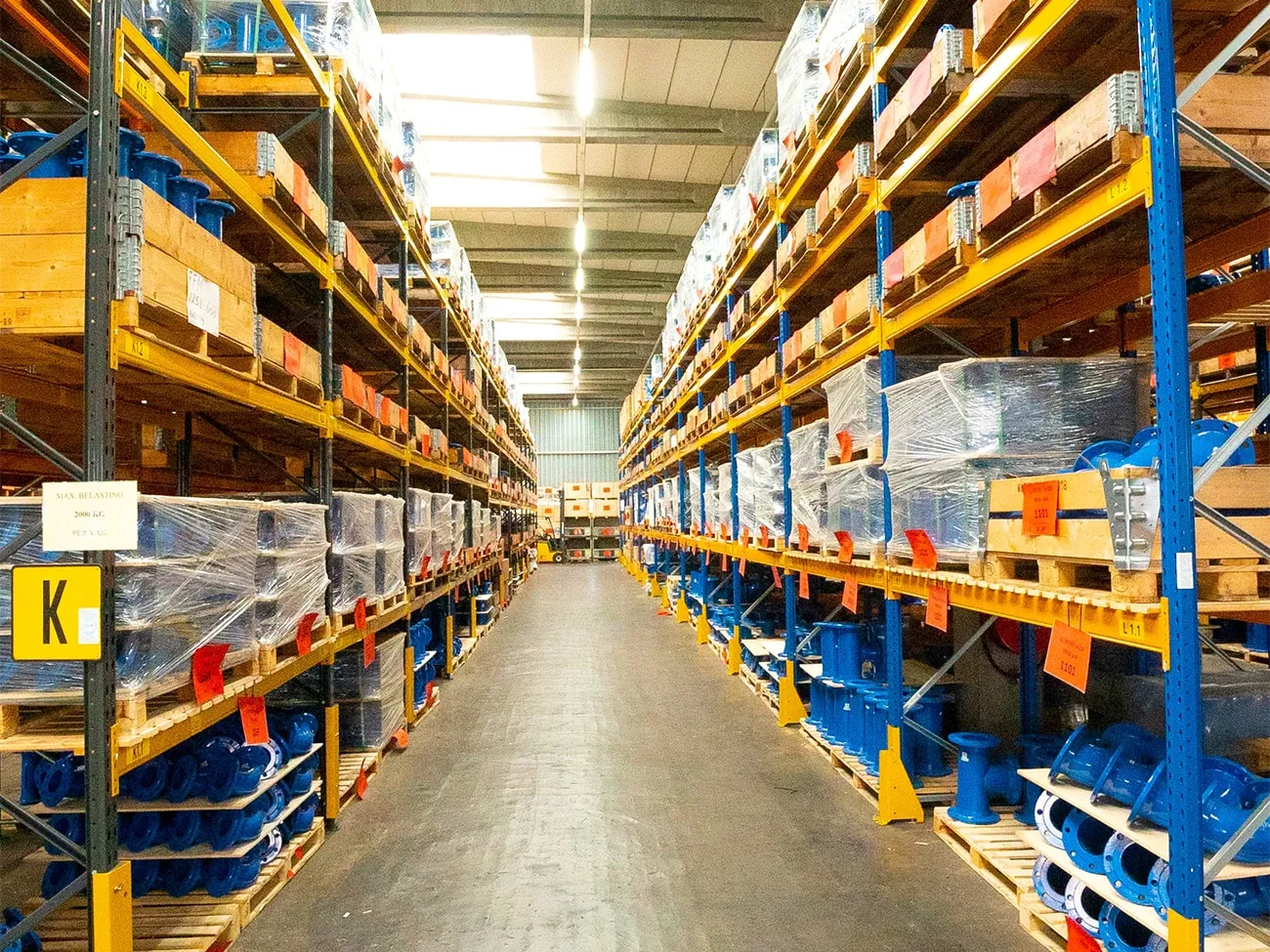
Lindeman continues: “The different applications help address a range of challenges, and we want to be involved from the outset. It makes a difference, for example, whether you are building a treatment plant or simply laying pipes to transport wastewater to a village. Whenever we are asked about a pipe, the discussion starts with one question: what pipe material do you need? And why? Saint Gobain has excellent products, and our customers face a wide range of challenges. Our scope is broad: we handle small projects worth 100 euros as well as mega-projects worth up to seven million euros. These specific requirements are what make my work enjoyable and challenging.”
Question about this story? Ask your question
Keep following this
Get an email when a new story is published. No account needed.
- ThemeLower emissions and more reuse
- SubjectYearbook







