









Moving up the value chain
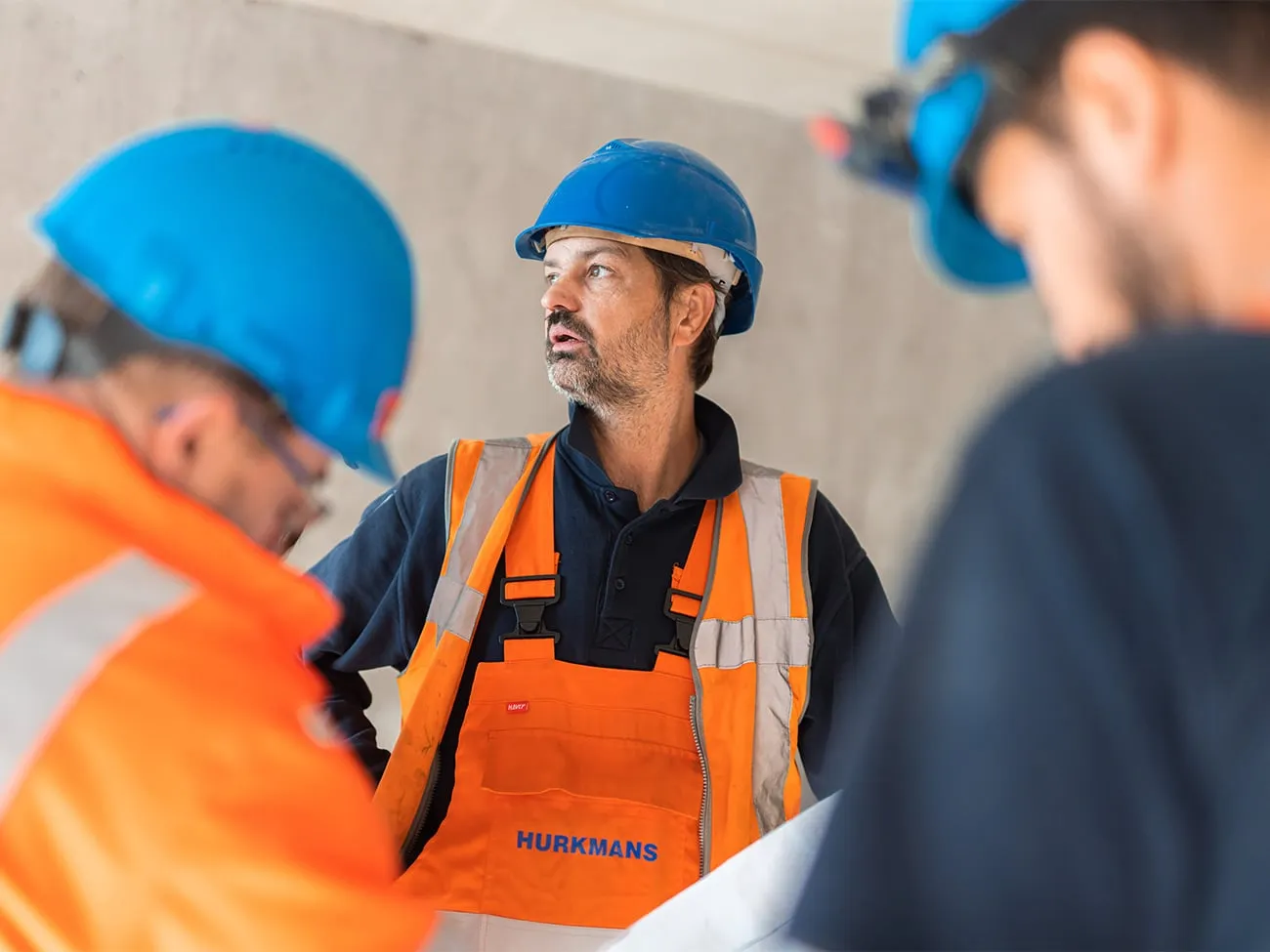
Something remarkable is happening in the contracting industry. Traditional relationships between clients and contractors are changing. “As a contractor working in above-ground and underground infrastructure, we are moving further and further up the value chain,” says Johan van Otterdijk of Hurkmans Groep. “The future lies in working together across the value chain, with more and more tasks shifting from the client to the contractor.” In recent years, the family-owned company has undergone a major transformation to prepare for this new way of working together in underground infrastructure.
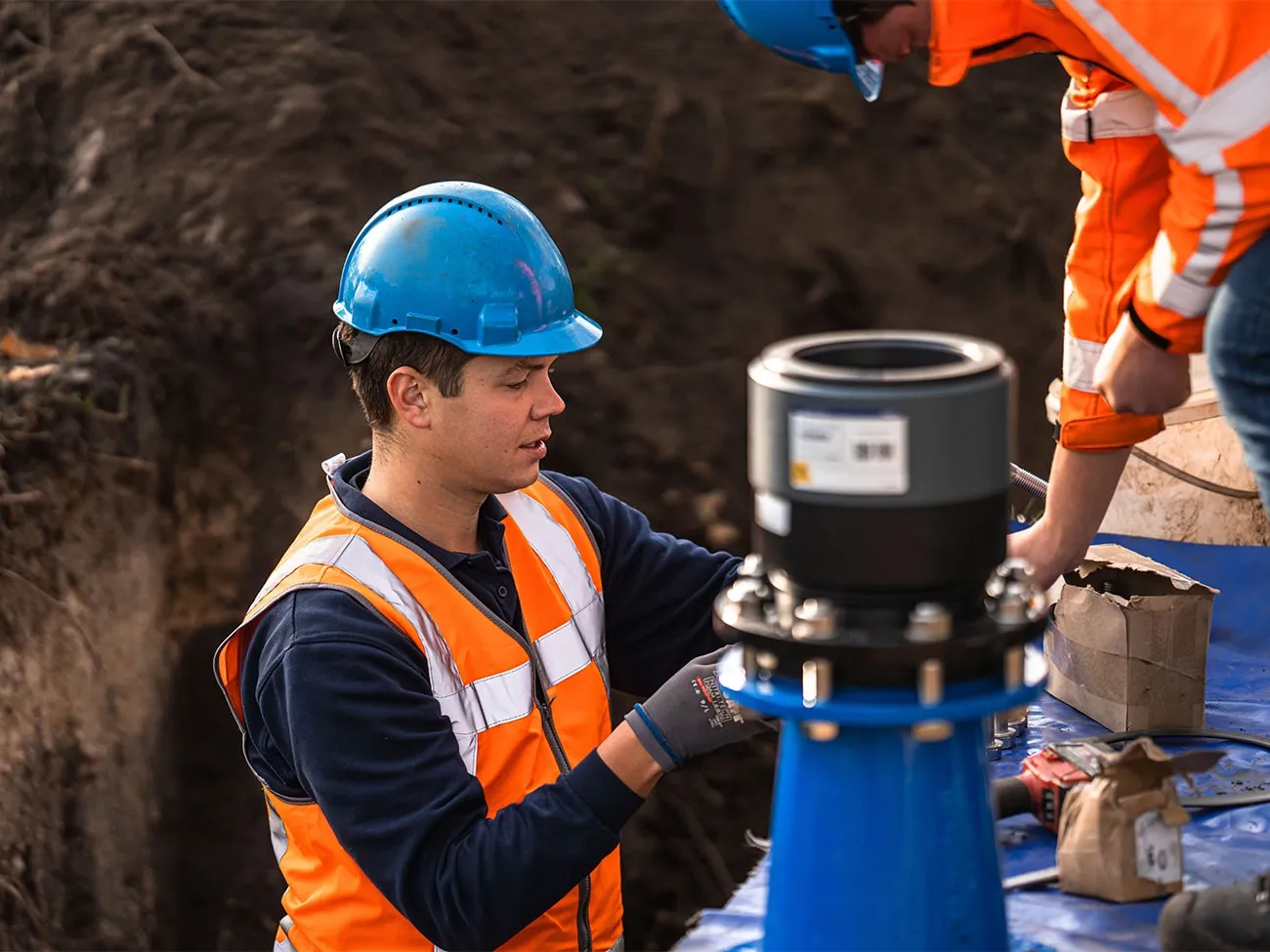
Hurkmans Groep is a family-owned business based in Brabant, with around 400 employees and a specialism in delivering above-ground and underground infrastructure projects. The group comprises three companies: contractor Hurkmans, Ockhuizen and Mart Geers. “Through our contracting business, we focus on the installation, maintenance and renewal of underground gas, water, electricity and data networks. Ockhuizen is the leading specialist in wellpoint dewatering, pipe jacking and wells for ground-source energy (ATES/BTES) and water abstraction,” Johan explains. “With Mart Geers, we operate in the field of above- and below-ground industrial cabling and network construction, with a particular focus on the petrochemical industry.”
At the forefront
“For us, moving up the value chain means that we increasingly take on advisory and design roles from the early planning stages,” Johan continues. “We also take responsibility for stakeholder management during cable and pipeline installation, including liaison with the competent authorities and local residents. This calls for a very different approach from that of a traditional contractor. In recent years, we have adapted our organisational structure accordingly, and both we and our clients are already reaping the benefits. Just look at the energy market: nobody knows exactly where it is heading. There is a lot of talk about electrifying neighbourhoods, wind and solar power, geothermal energy and hydrogen. It is often still unclear which option will be chosen in each neighbourhood. As a bridge-builder, we consult with municipalities and energy companies and draw on our expertise to help shape the necessary energy transition. This knowledge enables us to retrain or upskill our people in good time, much of which we provide in-house. It also gives us greater influence during the design phase, helping to safeguard the safety of our people and the surrounding area.”
“There is enormous demand on the public electricity grid,” Johan says. “Entire neighbourhoods are being electrified, solar parks are being built, distribution centres are springing up everywhere, and so on. This puts huge pressure on both the grid and the capacity available in the market. We are also seeing projects to design and build district heating networks in existing neighbourhoods, even though the ground is already full in many places. These are challenges arising from the energy transition that we are keen to take on. Perhaps the biggest change is not the technology, but the way we work together. We need to put self-interest aside and work together unconditionally.”
Question about this story? Ask your question
Keep following this
Get an email when a new story is published. No account needed.
- ThemeUnderground construction
- SubjectYearbook







