









Keeping the Netherlands safe and connected
Text Roel van Gils Image A-Quin
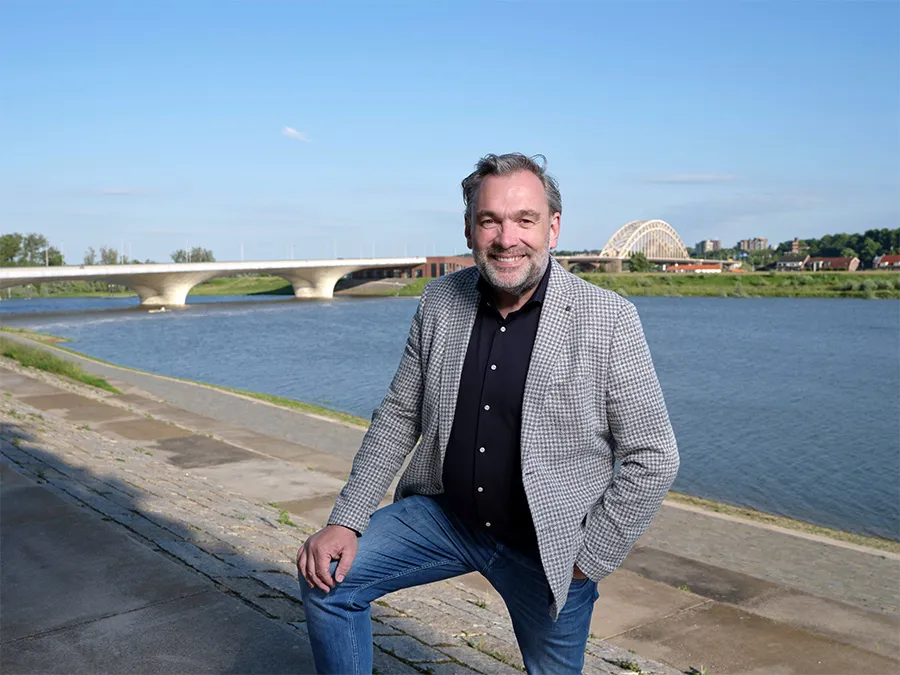
And the importance of gaining a comprehensive understanding of the condition of our infrastructure.
The Netherlands faces a huge renovation and replacement task. Most of our roads, bridges and locks were built in the 1960s and 1970s and are approaching the end of their technical service life. With more than 40,000 bridges, 137 locks and thousands of kilometres of roads and waterways, our infrastructure is the country's largest public asset. Its intensive use, often many times heavier than originally anticipated, also makes clear just how essential it is: for keeping us connected and transporting goods, for example. In short, it is vital to the economy. All this makes maintenance more urgent than ever in 2025/2026.
The big question is: how do we make our infrastructure fit for the future? The answer starts with understanding its condition. Without detailed, independent insight into the current state of our structures, there is a risk that defects will only come to light when it is already too late. Recent examples, such as the Merwedebrug and the Nelson Mandelabrug, show that unexpected problems lead to costly emergency measures and disruption to connectivity and safety.
Comprehensive assessments and independent advice are key
A-Quin provides this crucial insight. “We are one of the few organisations in the Netherlands to provide a comprehensive picture of structures, covering civil, electrical and mechanical engineering,” says director Mans Damen. “This broad expertise enables us to assess not only individual components, but also the interfaces between them. It is precisely this integrated approach that sets us apart and prevents important risks from being overlooked. Our independence is another strength. Our only interest is to provide clear, objective advice. This helps asset owners and contractors set priorities: where can maintenance safely be deferred, and where is that absolutely not an option?”
Asset management advice and inspections
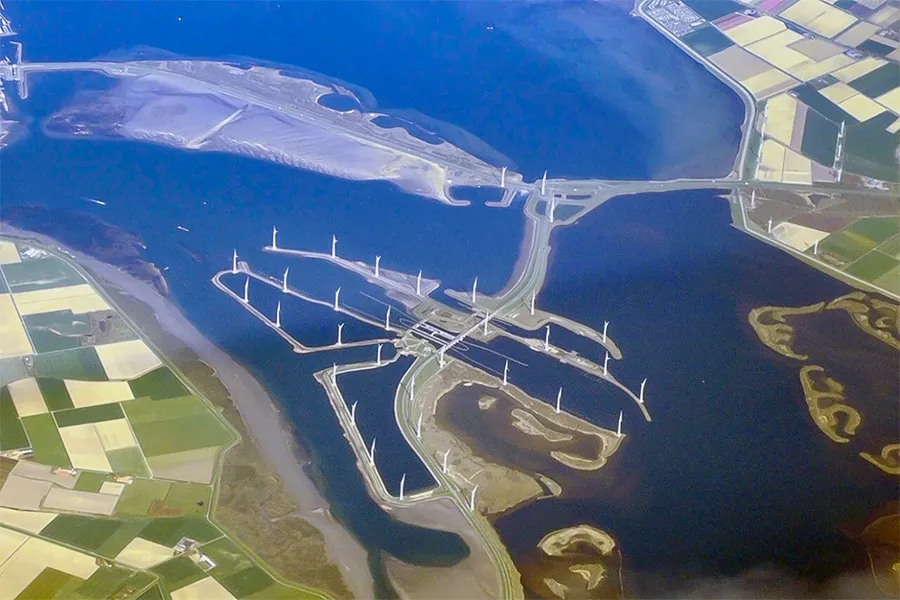
A-Quin is one of the organisations involved in Rijkswaterstaat’s national Structural Asset Management Advice programme (IAK). The aim is to safeguard the quality, safety and service life of around 5,700 structures through risk-based inspections and maintenance advice. The company is also engaged by the private sector. One concrete example is A-Quin’s work at the Krammersluizen. “Rijkswaterstaat had drawn up a risk file for the site, but the contractor questioned whether it was complete,” says Olivier Dolk, mechanical engineering team leader and Krammersluizen project manager at A-Quin. “We were asked to carry out an independent assessment. Our inspections across all disciplines, including thermographic surveys of electrical installations, identified risks at an early stage. This made it possible to set clear priorities and avoid disputes and delays during the works.”
Over the coming decades, Dutch infrastructure will require substantial investment, but above all, expertise and insight. A-Quin sees its mission as helping to deliver safe, reliable and future-proof infrastructure through comprehensive inspections and independent advice. “The sooner risks are identified, the better we can work together to keep the Netherlands connected,” Damen concludes.
Question about this story? Ask your question
Companies in this story
Keep following this
Get an email when a new story is published. No account needed.
- ThemeExtending the life of roads and civil engineering structures
- SubjectYearbook
- CompanyA-Quin B.V.







