









Ed Nijpels on the positive effects of sustainability in the civil engineering sector
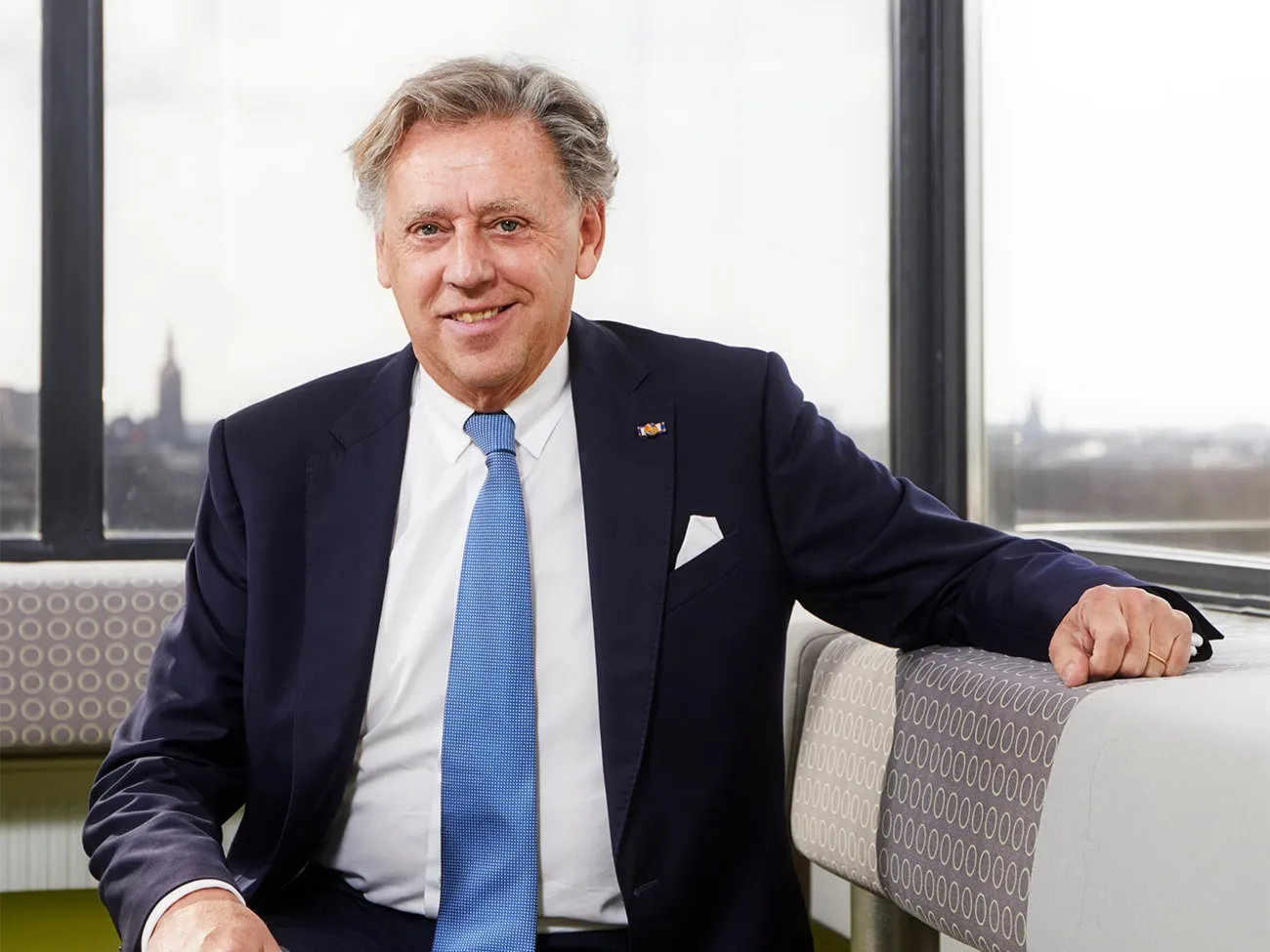
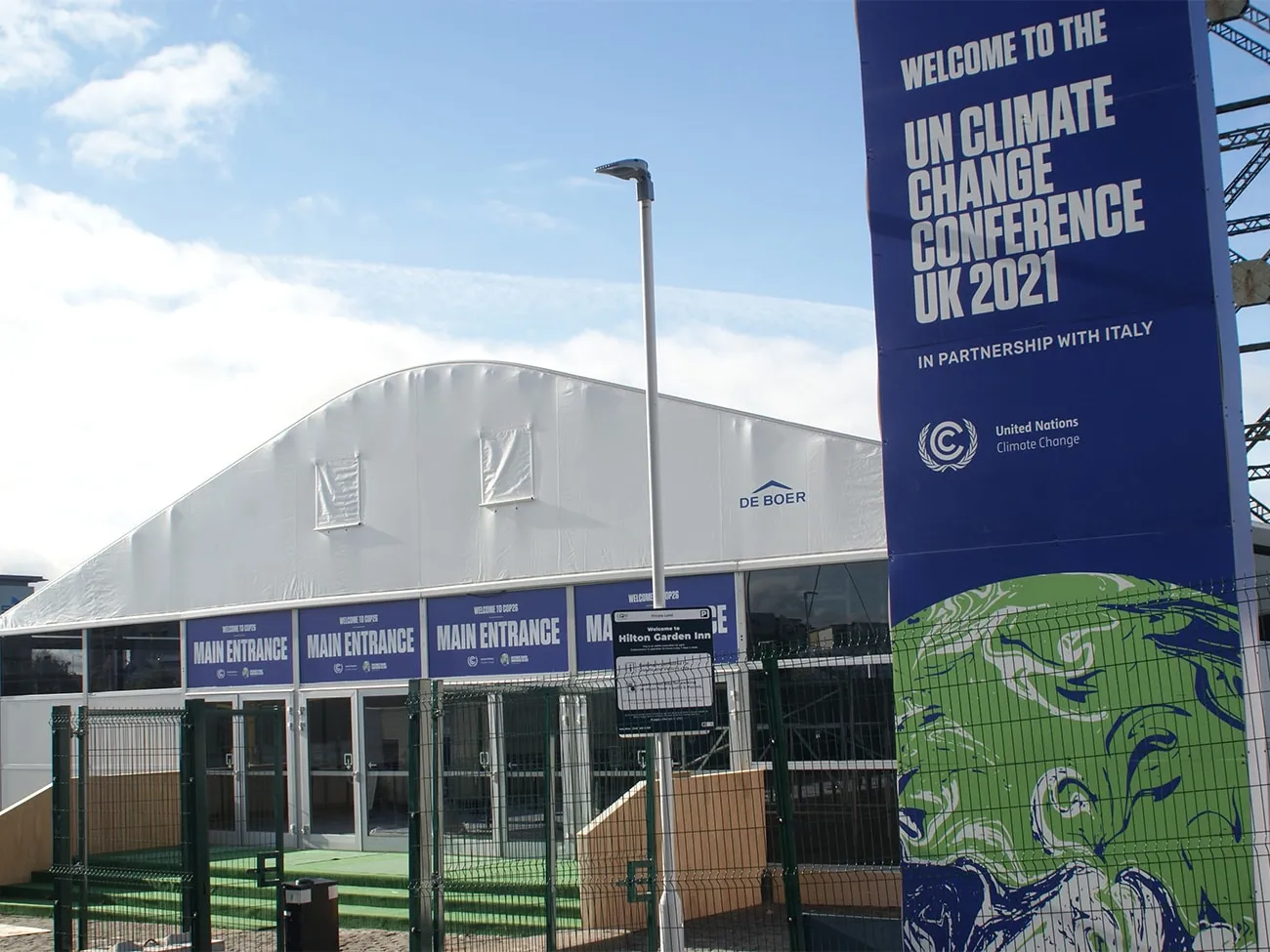
Climate policy is firmly in the spotlight. Not least because in Glasgow, people are discussing what the 196 parties to the Paris Agreement have delivered on their promises after three years. Our civil engineering sector also deals every day with the targets set out in the Paris Agreement, and is doing everything it can to play its part in the journey towards a climate-neutral world by 2050.
‘Embrace sustainability and you become attractive’
GWW Magazine spoke to Ed Nijpels about issues affecting our sector. Mr Nijpels was appointed chair of the Energy Agreement Assurance Committee in 2014. He also became a Crown-appointed member of the Social and Economic Council. In 2018, as chair of the Climate Council, he led negotiations on the Climate Agreement. He is now chair of the Climate Agreement Progress Consultation and monitors implementation of the Climate Agreement.
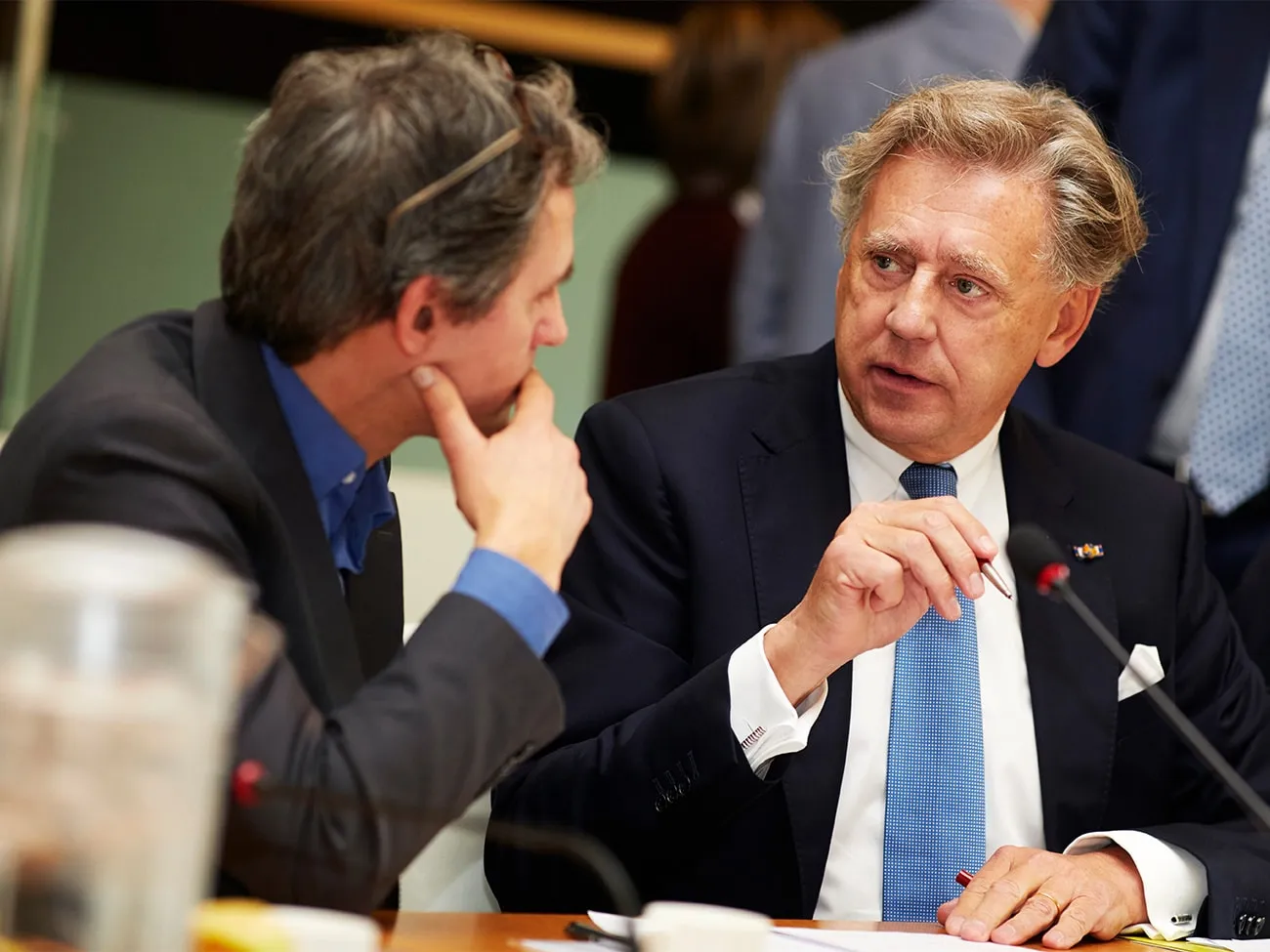
‘The Netherlands is falling behind’
“Despite the efforts and investment made by all parties to the Climate Agreement, the Netherlands is not yet on track to meet its agreed target,” Mr Nijpels begins. “We want to reduce CO2 emissions by 49% by 2030. We are heading in the right direction, but we are not yet on schedule. In short, there is still a lot of homework to do. On top of that, Brussels is bringing forward a package of measures. The new government will have its hands full with that. And if we really want to become Olympic champions, as Rutte says, there is still a lot more to do. With a target of 49%, we are currently in tenth place. There is still plenty of work to do to cut CO2 emissions, not just in business, but among citizens and community groups too. Even a bronze medal is still a long way off. But the government must provide direction.”
Moving away from fossil fuels
Asked where further gains can be made in the civil engineering sector, Mr Nijpels replies: “The civil engineering sector, too, will have to move away from using fossil fuels. All our transport needs to become more sustainable, including in infrastructure. We need to break free from oil, coal and gas. I realise this is a huge challenge, especially for civil engineering. We can already see that electrifying small and medium-sized plant is now straightforward. Electrifying the very largest plant is the biggest challenge. Even so, we will get there. It is mainly a question of investing, continuing research and finding smart solutions. Hydrogen is another promising option, and a great deal is now being designed, tested and put into practice in this area. The fossil-fuel era really is over.
A source of economic growth
Mr Nijpels believes that robust climate policy is a source of economic growth. He explains: “There is work everywhere for the infrastructure sector. Just look at all the cables and pipelines needed for the energy transition. Consider the construction of solar parks and wind farms. Tunnels and roads are being made more energy-efficient, helping to reduce CO2 emissions. Robust climate policy is a wonderful source of economic growth, innovation and jobs.”
There is a lot of complaining ‘across the country’ about the climate crisis and the measures it entails. Does this affect progress? “You can talk negatively about it or even deny that we have a problem, but ultimately we will have to tackle it together. The economic impact concerns us all, and more importantly, what do we want to leave behind for our children and grandchildren? We are already seeing parts of the business community take the lead, and sometimes the public moves faster than the government expects. There are already more than one and a half million homes with solar panels, with a new panel being installed every four seconds. If you had predicted that five years ago, people would have thought you were crazy. Implementing the plans creates new problems every day, but that is part of a transition.”
‘The biggest transformation of the Netherlands since the war’
“Climate policy represents the biggest transformation in the Netherlands since the Second World War,” says Ed Nijpels. “Every day brings new challenges that need solutions. We are tackling them together, with a better future in mind. It takes time and money. But the investments we are making now, by joining forces and acting early, will pay off in the long term. This requires investment from businesses themselves and ‘sacrifices’ from the public. The government is keeping an eye on things and recognises that some sectors are finding it difficult to become greener. It is only natural for the government to step in with financial support. Temporary subsidies to help businesses get started are fine, but they must not become permanent.”
With electrification already partly achieved in civil engineering, the whole sector can be expected to operate sustainably in time. “Large-scale electrification is unavoidable. Hydrogen will increasingly be used as an alternative. Hydrogen really is the ‘love baby’ of the energy transition, but from a logistical point of view it brings different challenges. Electrification and switching to hydrogen go hand in hand. We will use (green) hydrogen for three purposes: storage, transport and fuel.”
‘Embrace sustainability and you become attractive’
Mr Nijpels sees a positive outcome of businesses becoming more sustainable: “It turns out that companies actively involved in climate action and the energy transition, and therefore strongly focused on the public interest, often also put people at the heart of their business. As a result, they thrive and are more profitable than companies that have not yet reached that point. The positive effect is that embracing sustainability naturally makes you more attractive. People want to work for you, companies want to work with you, and you create a situation in which contracts are more likely to be awarded to you. The reverse is also true: companies that are not sustainable in the long term will eventually have no place in the market. A natural selection is taking place. In that respect, we have a train on the tracks that cannot be stopped, and we can be proud of that.”
Question about this story? Ask your question
Keep following this
Get an email when a new story is published. No account needed.
- ThemeLower emissions and more reuse
- SubjectYearbook







