









‘Car park fire safety calls for a revised standard’
Text Lieke BousemaImage Kingspan Light + Air
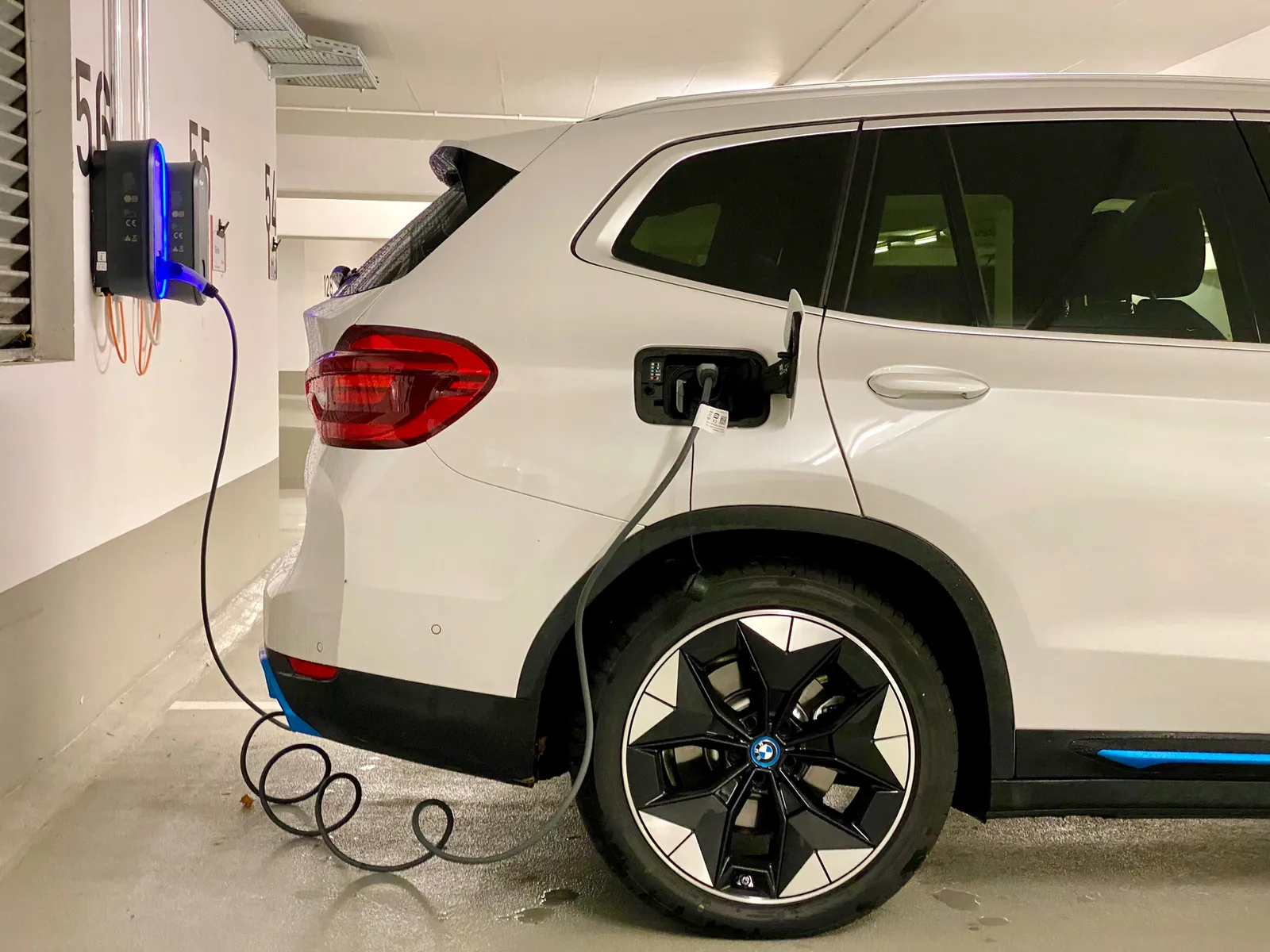
Keeping pace with the times, changing circumstances and the state of the art. With this in mind, members of trade association Federatie Veilig Nederland (FVN) have requested a revision of NEN 6098. The standard sets out rules for testing smoke control systems in mechanically ventilated car parks, but does not yet provide specific assessment criteria for, for example, electric and hydrogen-powered cars. In addition, the fire service has changed the way it operates.
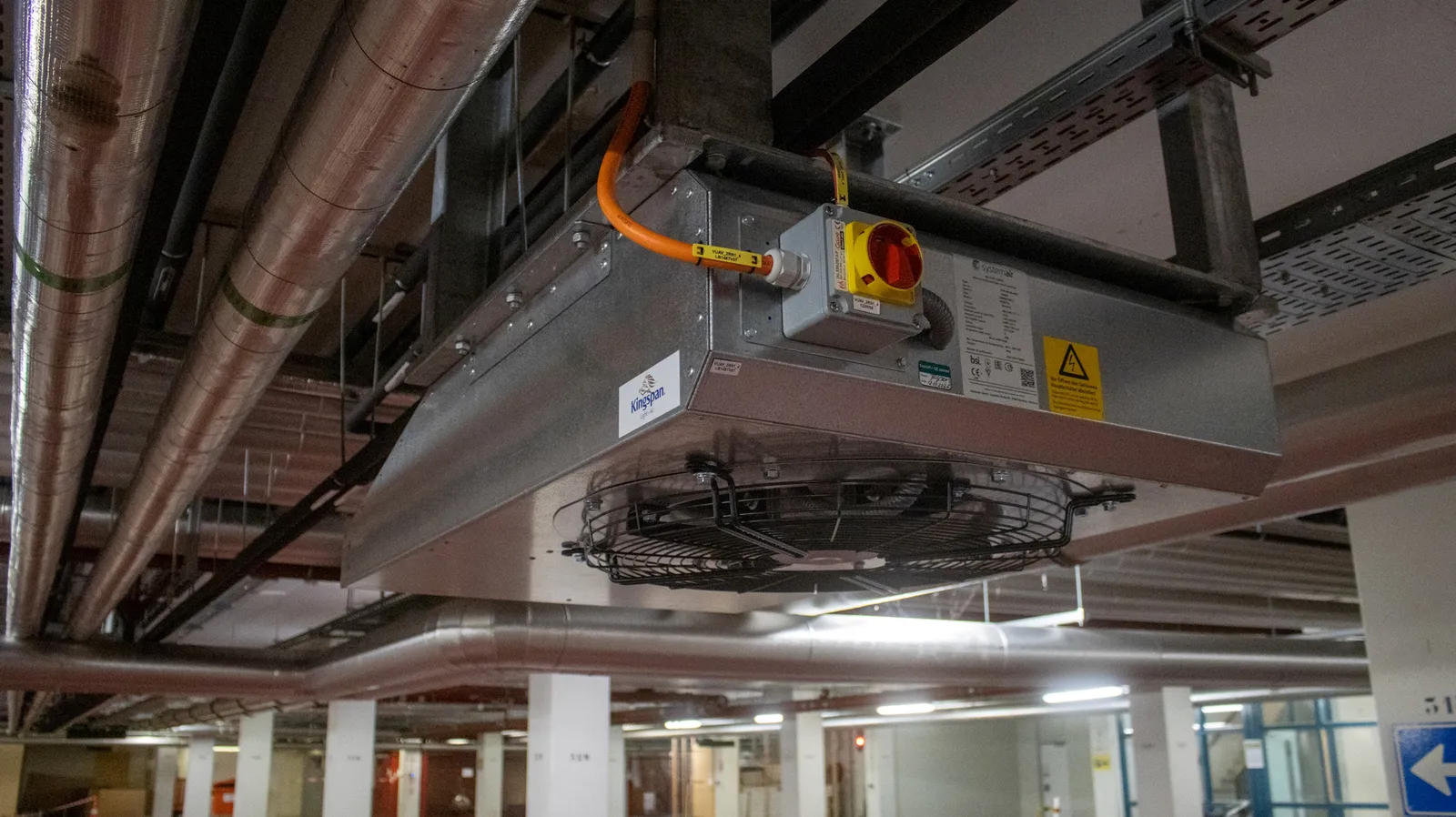
“NEN 6098 has been in place since 2012 and describes in detail how smoke control systems in car parks should be designed to extract smoke effectively and ensure the safety of users and emergency services,” says Stan Veldpaus, a member of FVN’s Smoke Control Systems working group and Project Adviser for Smoke Control Systems at Kingspan Light + Air. “The standard specifically covers car parks fitted with a mechanical ventilation system, which plays an important role in controlling smoke in the event of a fire. However, the standard is now thirteen years old, and a lot has changed in that time. Consider the rise of electric cars alone, and perhaps hydrogen-powered cars in the future. The fire service has also increasingly stepped back from fire ventilation in car parks and is placing greater emphasis on sprinkler systems. For example, around three years ago an additional article was added to the Besluit bouwwerken leefomgeving (Bbl), stating that car parks larger than 1,000 m², located beneath residential buildings taller than thirteen metres, must by definition be fitted with a sprinkler system. This changes fire behaviour, and the new NEN 6098 standard needs to take this into account.”
Integrating the practice guideline
FVN has around two hundred specialist companies in the technical fire protection and security sector. Smoke control systems are one of its areas of expertise, and members in this field have joined forces to revise NEN 6098. “The changing circumstances mentioned above are one reason for this, but the content of the standard is the main issue,” says Veldpaus. “The standard alone is not enough to deliver good smoke control systems. It sets requirements for system design, but not for proper installation. It helps determine the right ventilation rates and makes a brief statement about fan classification, but another document, the practice guideline NPR 6095-1, is then needed to determine where the control cabinet should go, how the transmission routes should be laid out and how the power supply should be configured. We would like the chapters from the practice guideline to be incorporated into the new NEN standard, so that we can use one clear standard to design, size and install the system.”
Fundraising
The request to revise NEN 6098 has now been submitted to Stichting Koninklijk Nederlands Normalisatie Instituut (NEN), which will prepare a plan of action and a cost estimate. “It will then be up to us to raise the funds,” says Veldpaus. “A good starting point is that the FVN members involved are willing to underwrite at least part of the costs.”
Setting up the working group
During the revision process, NEN will mainly perform a secretarial role. It will arrange invitations to meetings, take minutes and ensure that all documents are stored in a central location, where all relevant parties can access them. “It will also publicise the revision,” says Veldpaus. “For example, to recruit enough working group members. Broad support is essential to developing a good new standard. It is also important to get the right people around the table to write it. As well as FVN members, these could include inspection bodies, consultancies, the fire service, insurers and end users. Anyone interested in taking part is very welcome to get in touch.”
Do the design assumptions still hold up?
For example, the working group will map out which types of car are now found in our car parks and which fuels or drive systems are on the way. What kinds of fires can we expect in our car parks? And are the assumptions used to design smoke control systems still realistic in this context? Are revisions needed to power curves, fire growth rates and so on? For example, in view of the growing number of electric and hydrogen-powered cars? “We will also make recommendations for improvements.”
New standard in 2027?
Once the document is ready, it will be submitted to NEN standards committee 351007 Fire Safety of Buildings. “The committee will assess whether what the working group has written is acceptable,” says Veldpaus. “If the standards committee approves it, the standard will be put out to the market for review. The comments received will be considered and assessed by the working group and incorporated if justified. Depending on their impact, the document will be put out to the market for review again and/or submitted to the standards committee for final assessment. On that basis, we hope to present a revised standard in 2027.”
Question about this story? Ask your question
Keep following this
Get an email when a new story is published. No account needed.
- ThemeLower emissions and more reuse
- SubjectYearbook







