









100% sustainable (and circular) street furniture
We have all agreed that we no longer want to keep depleting the earth by using finite raw materials. Aluminium and steel are no longer viable options. We simply have to deal with that. So we will have to use other raw materials that can be kept in circulation indefinitely. Mark Hofman, Business Development Manager at OFN, explains. The company, based in the Betuwe region, is showing that the most unexpected raw materials can be used to make 100% sustainable and circular street furniture.
“We will have to take a completely different approach to raw materials if we are to meet all the Sustainable Development Goals (SDGs),” says Hofman. “Circularity is just one of the many criteria that matter under the broad umbrella of sustainability. How do we manage water use? Is there fair labour and decent working conditions? And so on. What you hear now is that people are choosing aluminium because it is so sustainable. Of course, that is not the case. Aluminium is circular, but that is just one part of the overall sustainability analysis. You cannot keep it in circulation indefinitely. We try to strip sustainability back to its essence so that we can develop truly innovative, 100% sustainable products.”
Upcycling waste streams
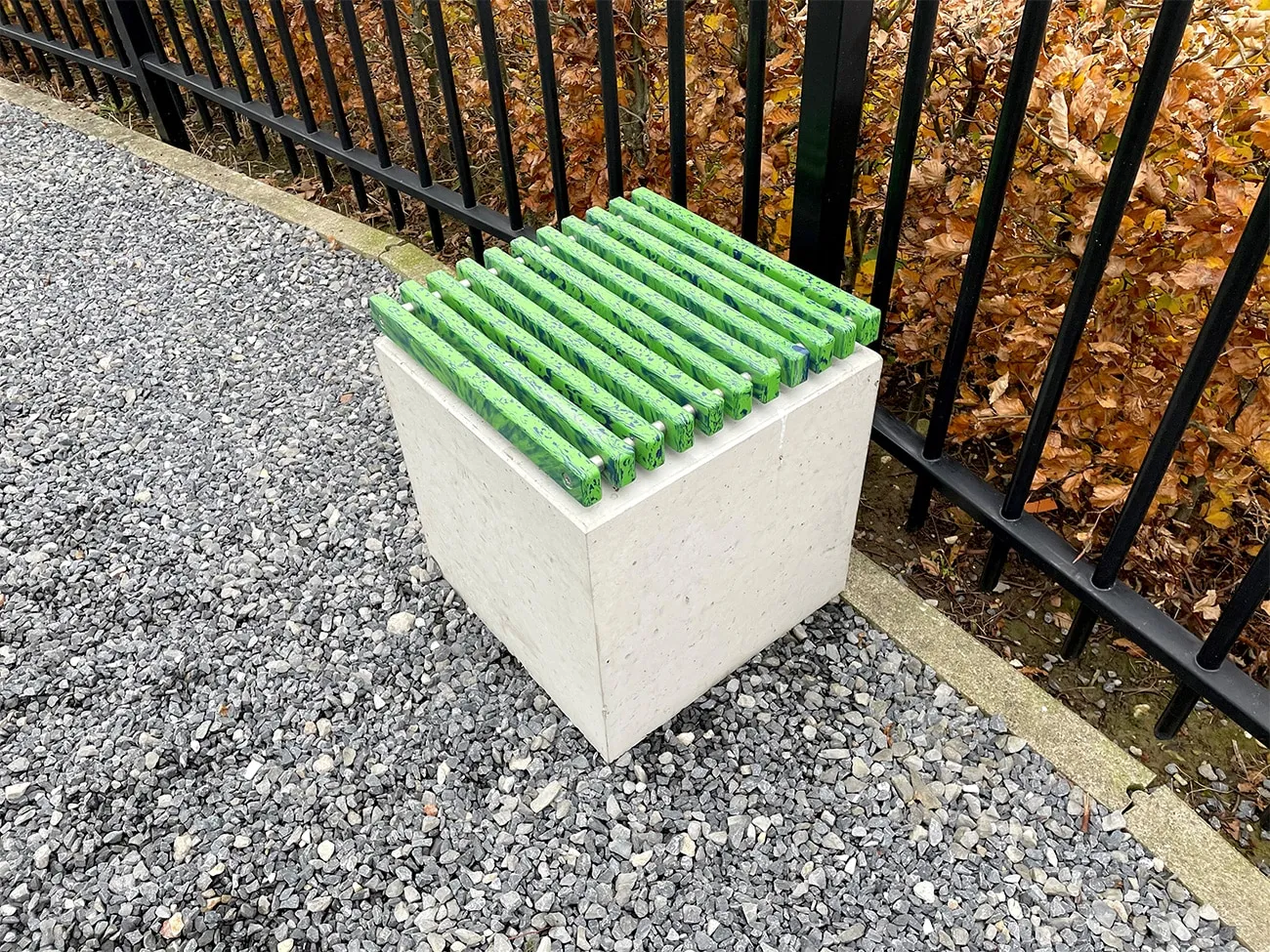
“We have now reached the point where we can use many waste streams as raw materials to make new products,” Hofman continues. “Think not only of plastics and synthetic materials, but also of textile, wood fibre and grass residues. A well-known example is rice husk, a by-product we use as the basis for products such as OFN rice-husk traffic signs, as well as applications on façades, at swimming pools and in many other settings. By combining plastics with wood or textile fibres, for example from collected clothing, we can make fibre-reinforced profiles that form the basis for products used in public spaces, such as circular street furniture. In the case of wood fibres released when boards are sawn, we also store CO2 in the finished product. After all, a tree absorbs CO2 as it grows. The great thing is that we are not only clearing up waste, but also working sustainably. The profiles are produced by extrusion and can be heated and reshaped into a new profile at the end of their service life. They remain circular indefinitely. When you reuse aluminium, you often have to add ‘virgin material’. That does nothing to make the world a better place.”
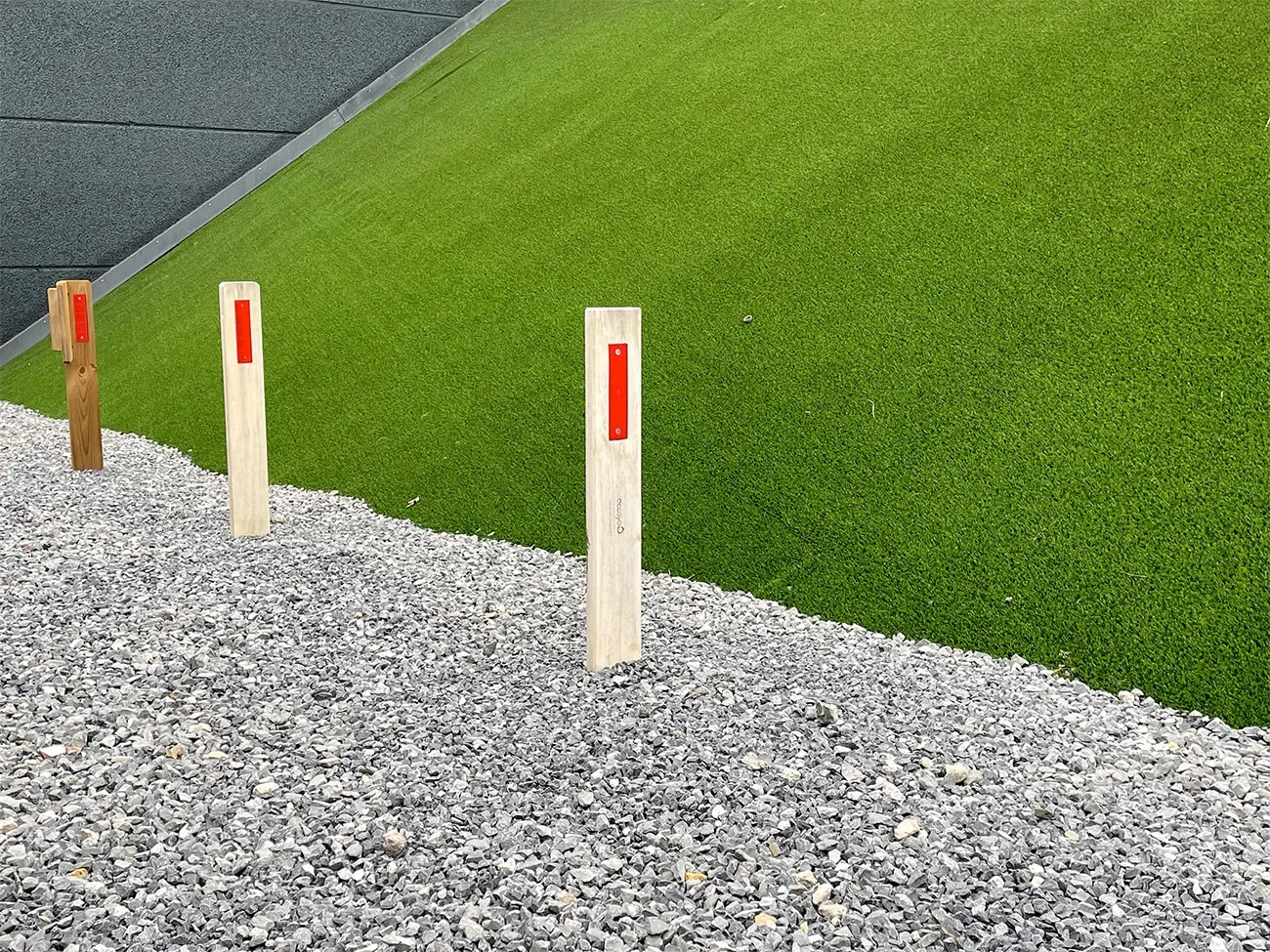
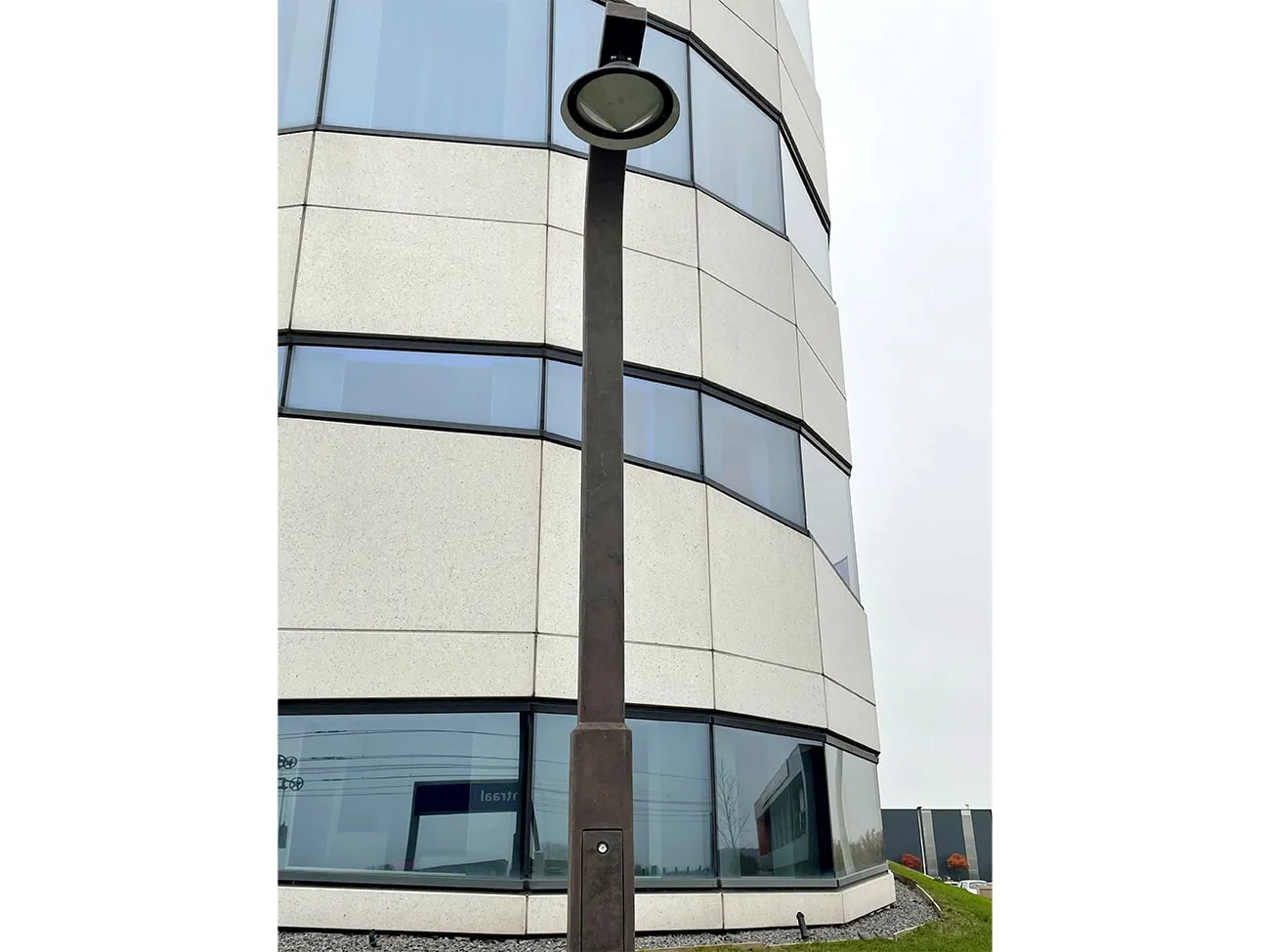
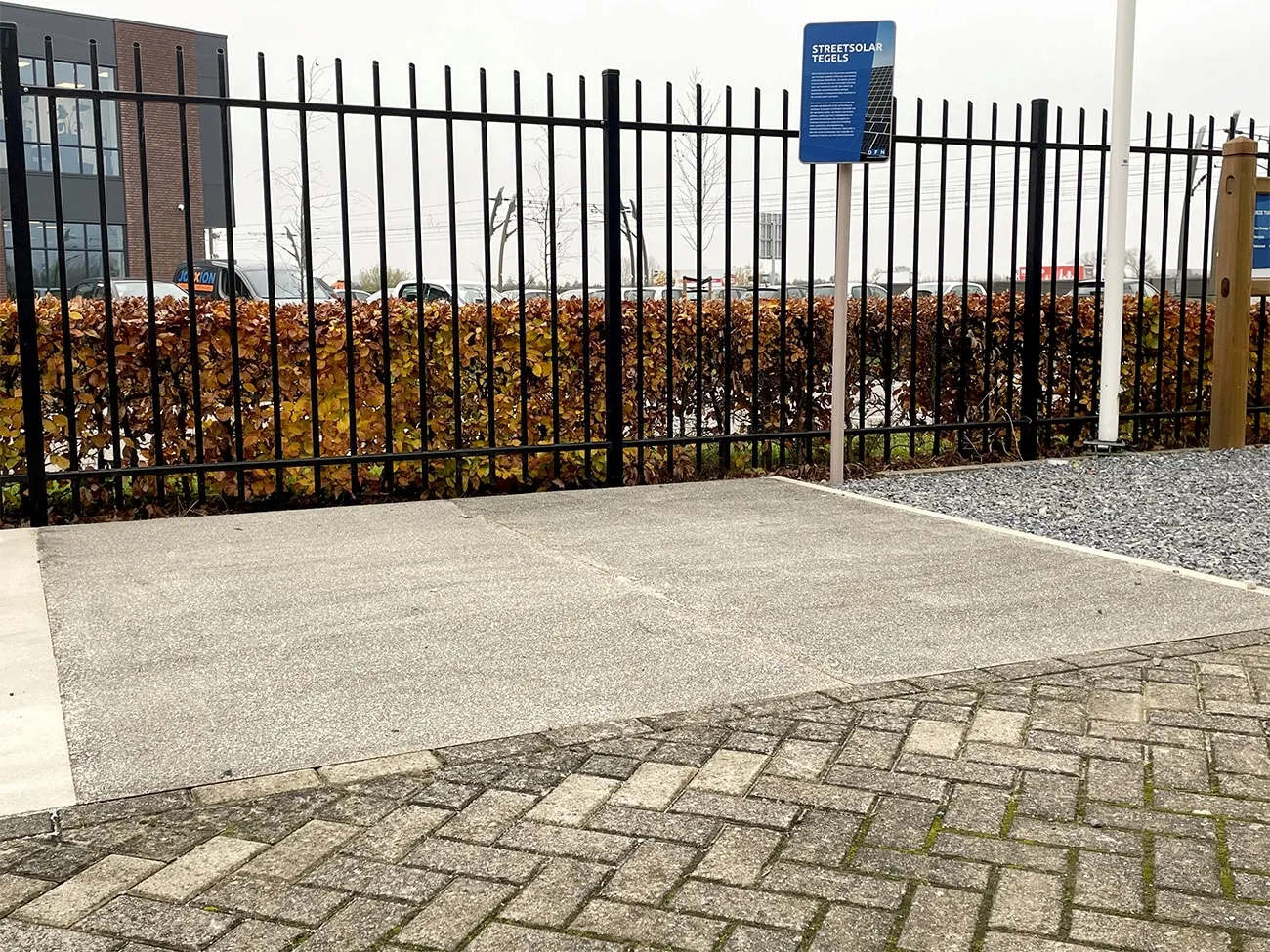
OFN can keep these sustainable raw materials in circulation. Lighting columns made from textile granulate, noise barriers or reflector posts made from biocomposite with wood fibre or textile granulate: all remain circular indefinitely. Or what about a traffic sign made from rice husk that can be recycled again and again? Hofman says: “We are using it more and more often, but we still have to keep explaining it. Too often, it still comes down to price. In contracts put out to tender by public authorities, they are often looking for the big wins. The low-hanging fruit is not given much weight in the MEAT criteria. What a shame. Yet it is precisely these straightforward wins that can show people in public spaces what is possible by reusing waste. That makes it tangible and can create a flywheel effect in society. Those interested can also see, smell and experience the possibilities of 100% sustainable and circular street furniture in our experience garden in Geldermalsen.”
Question about this story? Ask your question
Keep following this
Get an email when a new story is published. No account needed.
- ThemeLower emissions and more reuse
- SubjectYearbook







