The MOT test for car park ventilation
Text Lieke Bousema Image Kingspan Light + Air
Testing, maintenance and certification
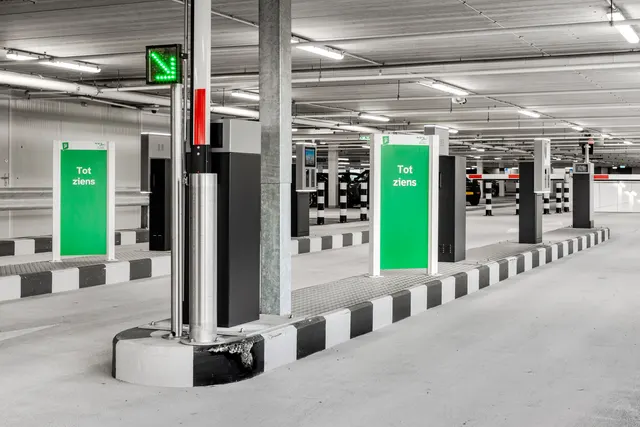
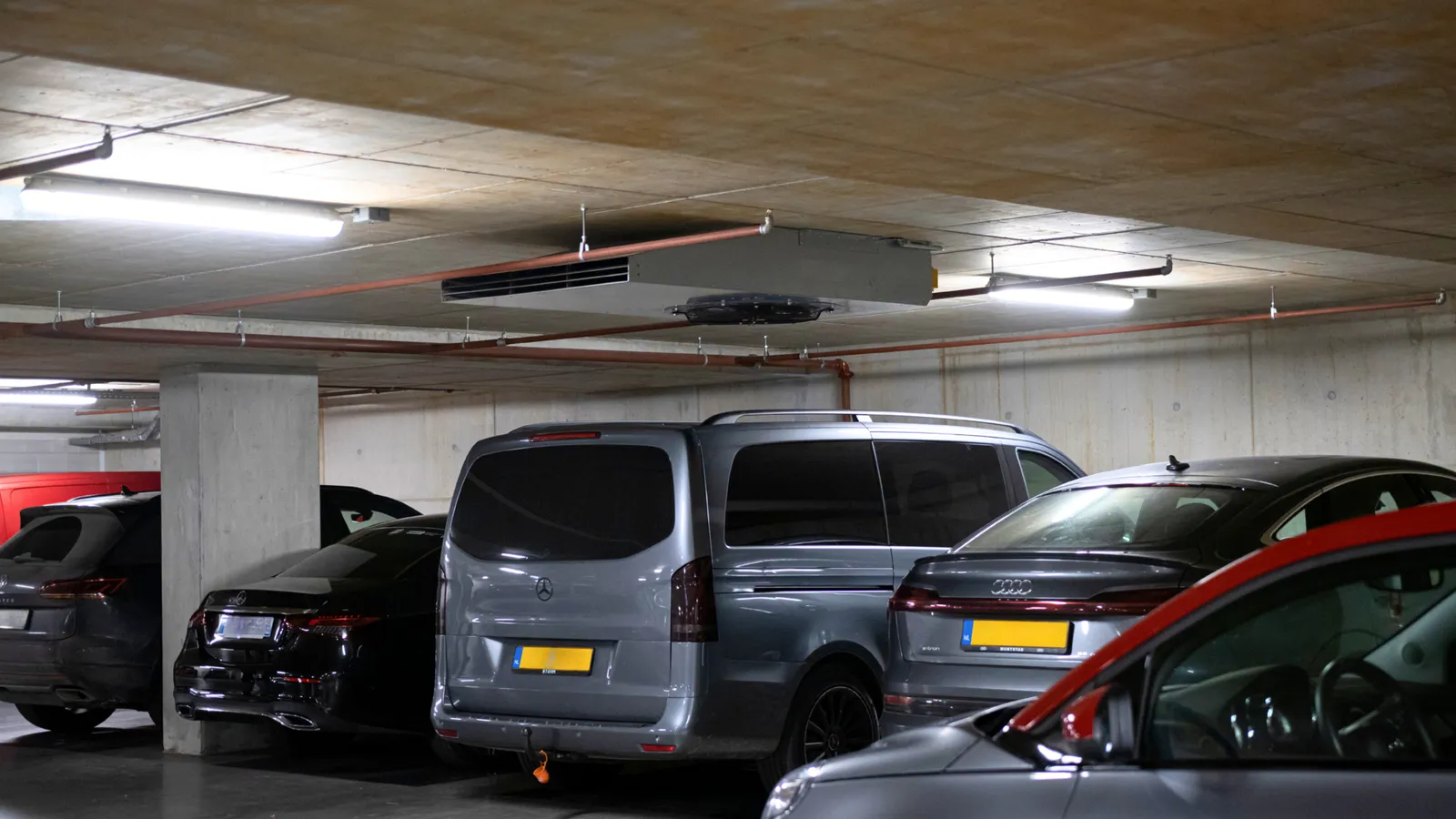
Car park ventilation not only efficiently extracts harmful exhaust gases, but can also play a crucial role in fire safety. “A well-designed car park ventilation system helps create a comfortable and safe environment for users and emergency services,” says Stan Veldpaus, Project Adviser, Smoke Control Systems at Kingspan Light + Air. “During normal use, the ventilation system effectively removes harmful substances such as carbon monoxide, nitrogen oxides and particulate matter. In the event of a fire, the system also helps control and extract smoke and heat. It also supports the work of the fire service.” Kingspan Light + Air is happy to act as a knowledge partner, with the aim of designing installations correctly and clearly defining their objectives. It can also supply, install and maintain the right systems.
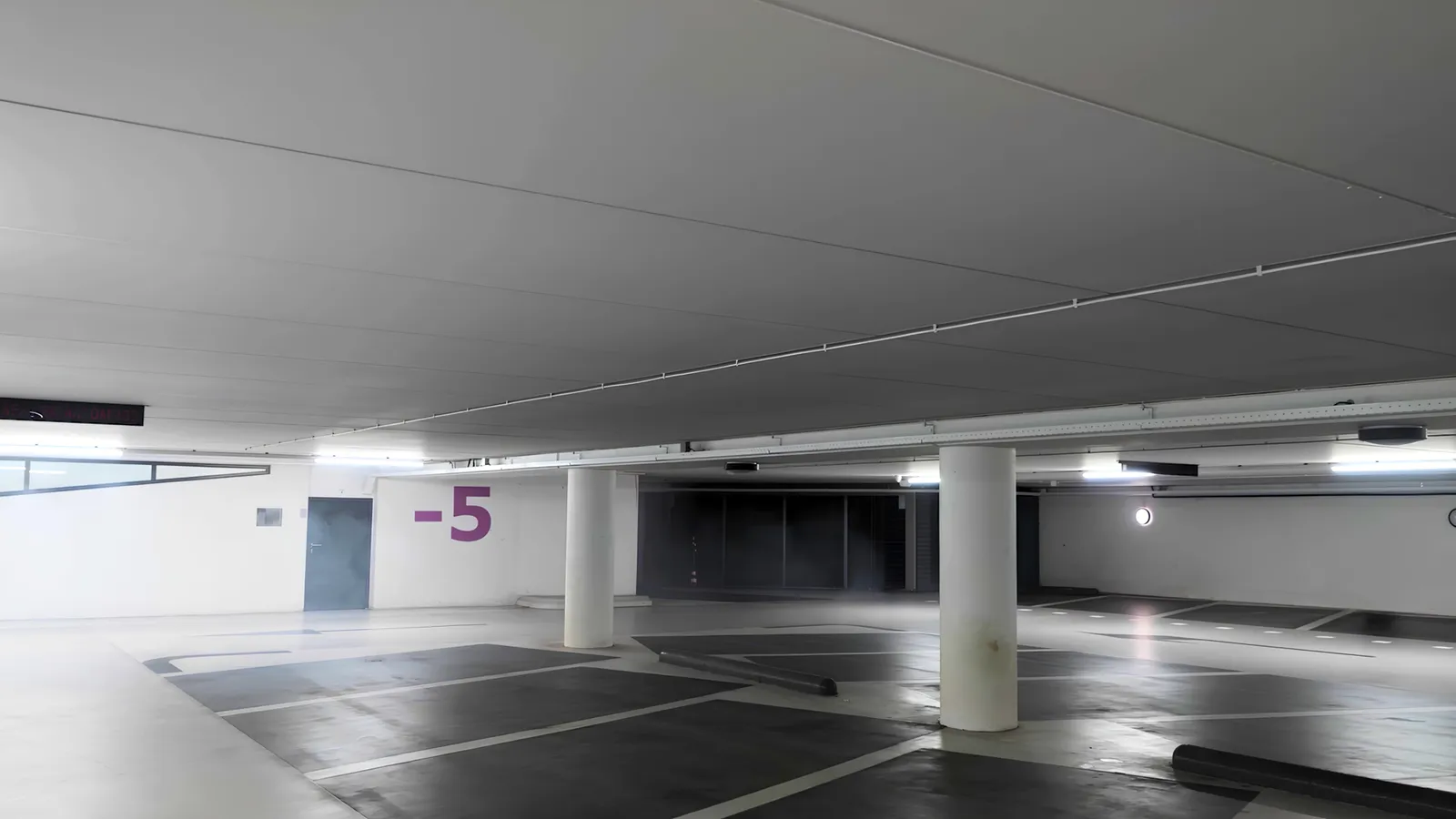
“When it comes to fire safety, the Buildings and Living Environment Decree (Bbl) sets out requirements for twelve occupancy types,” Stan explains. “These range from homes and hotels to industrial buildings. Car parks fall under the ‘other occupancy function’ category and must, among other things, meet strict requirements for fire compartmentation and travel distances to escape routes.” Fire compartmentation in particular often presents challenges, he notes. “Car parks are often built underground and as compactly as possible, which means they are often low and dark. As a result, smoke and heat can build up quickly in the event of a fire, making it difficult for firefighters to do their jobs properly. If compartmentation fails after 60, 90 or 120 minutes, there is also a risk that fire and smoke will spread, structural safety will be compromised and firefighters will no longer be able to find their way out easily, or at all. Ventilation, and particularly smoke and heat exhaust ventilation, can be an important aid in these circumstances.”
Integrated solution
According to the Bbl, smoke and heat exhaust ventilation is not yet a standard solution. “When a car park is divided into fire compartments, additional provisions such as sprinklers or a smoke control system are generally not required,” says Stan. “Even so, combined ventilation and smoke and heat exhaust systems are increasingly being requested. For example, by building owners and users who prefer spacious, well-lit car parks with clear sightlines and straightforward routes. This is particularly because these features enhance their sense of safety,” Stan explains. “Emergency services also prefer car parks without fire compartments, where they can reach the fire as quickly as possible, with the wind at their backs. To meet the needs of building owners, users and emergency services alike, we recommend that car parks be equipped with a smoke control system (RBI) as an equivalent solution, with the everyday ventilation integrated into it.”
MOT test for RBI systems
“When a smoke control system is permitted as an equivalent solution, it forms part of the approved safety level,” Stan explains. “In that case, the system must be issued with a commissioning certificate. The building owner must then inspect the RBI every four and eight months. Annual maintenance is also mandatory, in accordance with standards and the manufacturer’s instructions. This is followed by a functional test. If the system performs correctly, it receives an inspection certificate, comparable to the servicing and MOT test for a car.”
Older buildings too
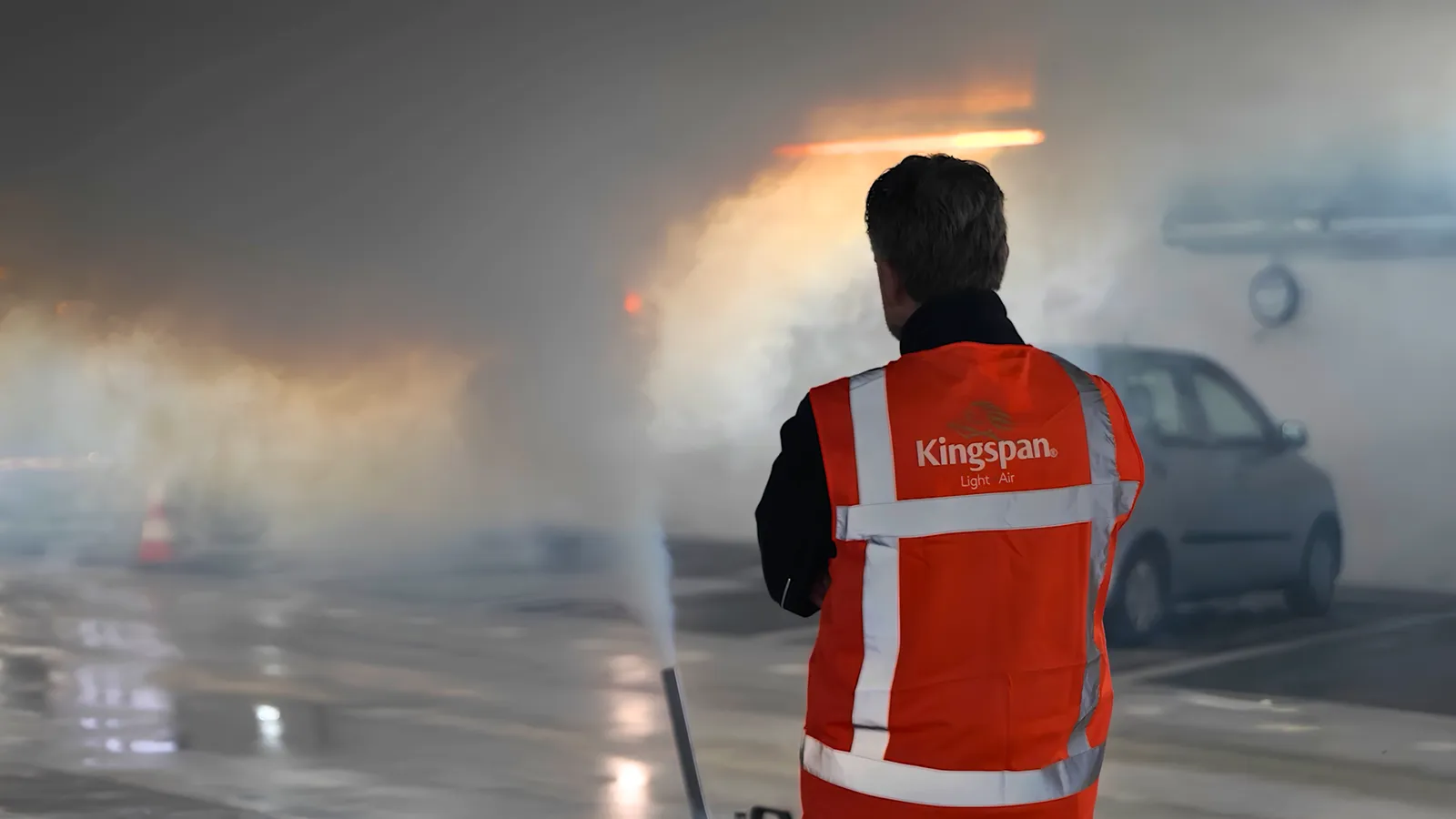
Inspection certification for smoke control systems in car parks has been mandatory since 2012. “However, there are also older buildings in the Netherlands that need to be brought under the inspection certification scheme,” says Stan. “To make this possible, we first try to establish the purpose of the smoke control system. Is that purpose still relevant, for example in light of the growing number of electric cars? And does the system still comply with the applicable standards? Smoke tests are regularly carried out, for example in accordance with the informative annex to NEN6098 and in cooperation with certification bodies, to demonstrate the system’s effectiveness.” He cites a car park built in 2006 in Ubbergen, where Kingspan Light + Air recently replaced all the switching equipment. A smoke test was then carried out in cooperation with an inspection body to successfully demonstrate that the required minimum visibility distance in the event of a fire was achieved.
Question about this story? Ask your question
Keep following this
Get an email when a new story is published. No account needed.
- SubjectUnderground construction