Working with a shovel is no substitute for fitness
Text and images Volandis
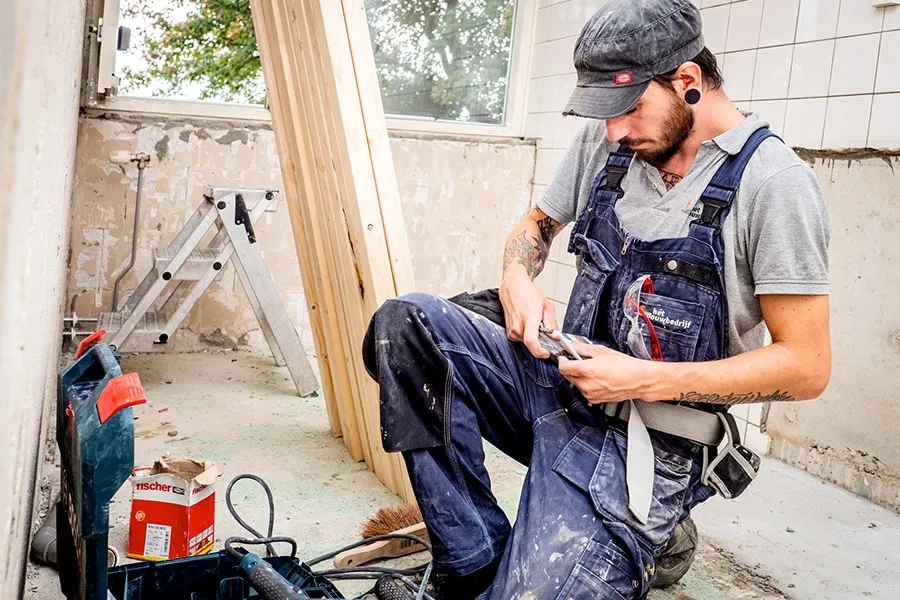
“Our work is a top-level sport”, people often say when lifting heavy materials. It is true that people in practical occupations, like elite athletes, depend on their bodies to do their jobs. That is where the similarity between elite athletes and construction workers ends. To stay fit, you need to take matters into your own hands and get moving.
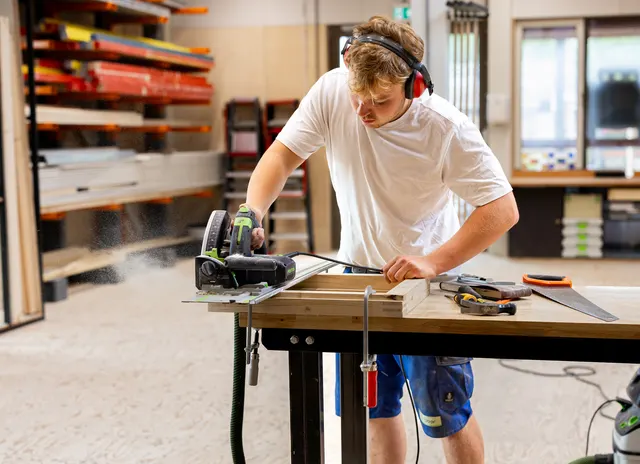
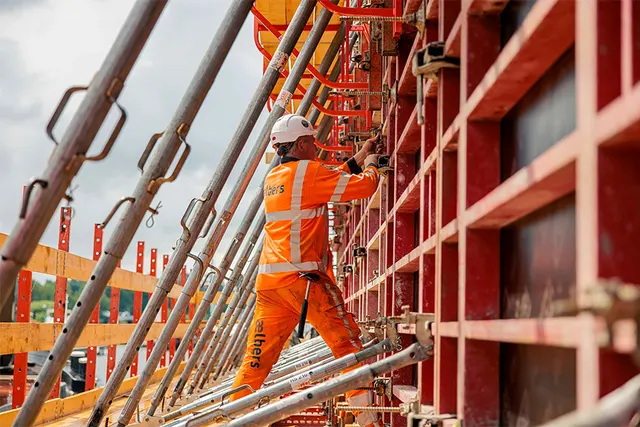
Professional footballers often hang up their boots for good in their early thirties. In teams, players in their thirties are quickly dubbed ‘grandads’, even though they still have their whole lives ahead of them. The main reason athletes retire from sport at an early age is that competing at the highest level puts tremendous strain on their bodies. In that respect, working in the construction and infrastructure sector can certainly be compared with elite sport: it is also physically demanding.
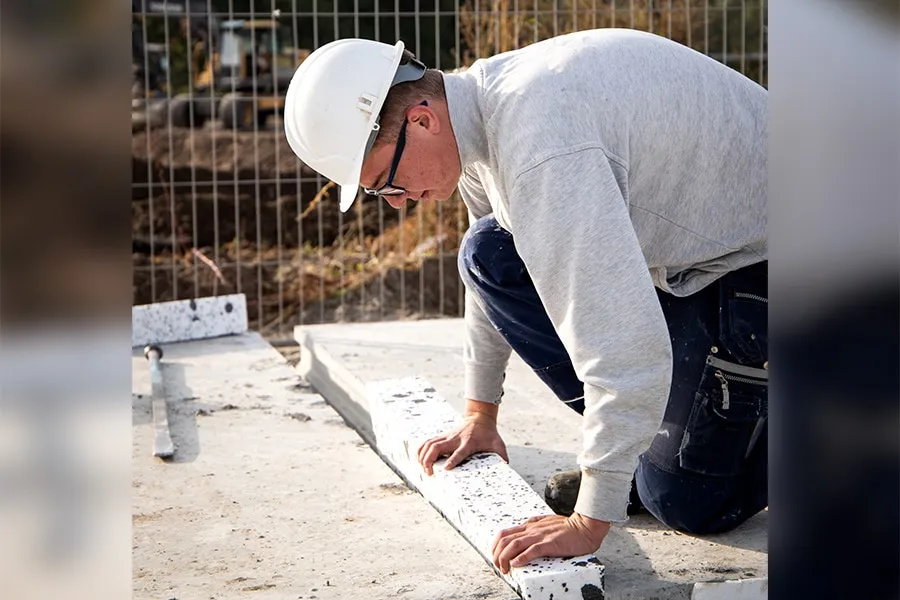
Moving at work
Professional footballers take good care of their bodies throughout their careers, whereas people in practical occupations often do less to look after theirs. “During the PAGO (medical examination), I regularly hear tradespeople say: ‘I don’t need to exercise because I’m on the move all day at work.’ Unfortunately, that doesn’t hold true,” says Jack van der Gragt, occupational physician at Volandis. “Daily movement is good, but it isn’t necessarily beneficial when it is part of a physically demanding job. Staying fit matters for your work, and for safety too.”
Young people just starting work often have few physical complaints, so they are less likely than their older colleagues to think about physical strain. They also often underestimate the risks of heavy work. But prevention is better than cure. That is why raising awareness matters, as Jack has also seen. “Our sector has higher-than-average rates of overweight and smoking. As well as health problems, this can create safety risks. Think of diabetes, but also sleep apnoea.” A healthy body can help you avoid risks.
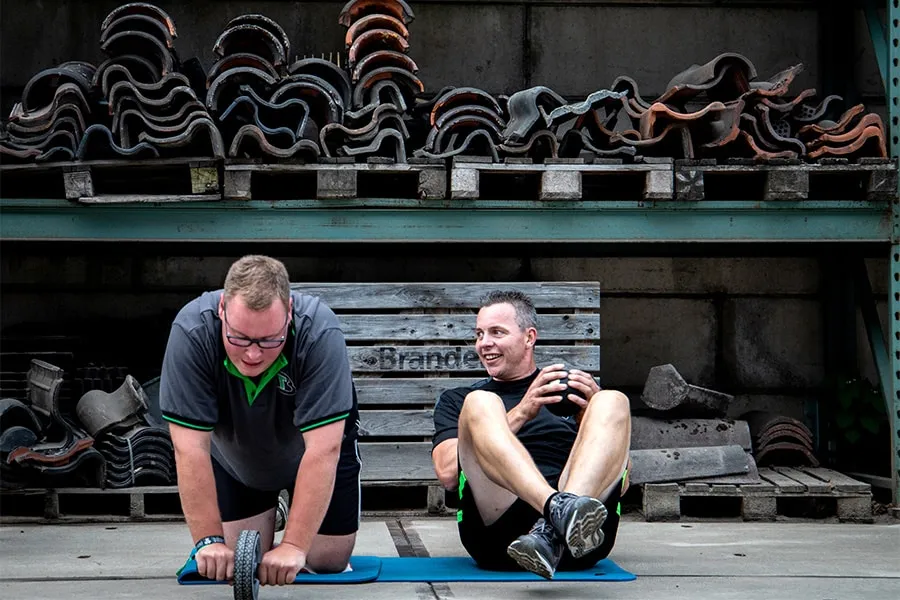
Get off the sofa
International research by Amsterdam UMC, involving 200,000 workers from 13 countries, shows that moving at work is no guarantee of a fit body. So if you want to retire in good health, you need to take matters into your own hands. In practice, that often means the gloves stay in the cupboard after work. “People in construction and infrastructure are more likely to sit on the sofa after work than office workers,” Jack says.
These tradespeople also do little sport. Another general trend in the Netherlands is that participation in competitive sport declines with age. Yet vigorous exercise is a good way to build fitness. Jack says it is a myth that all the movement involved in construction improves your stamina. “Your fitness hardly improves through physically demanding work. The big difference between sport and physical work is the so-called ‘recovery period’. When you exercise, you can take a break when you need one to recover. At work, that isn’t always possible, which can lead to overexertion, medical complaints and limitations. For example, a herniated disc in the lower back.”
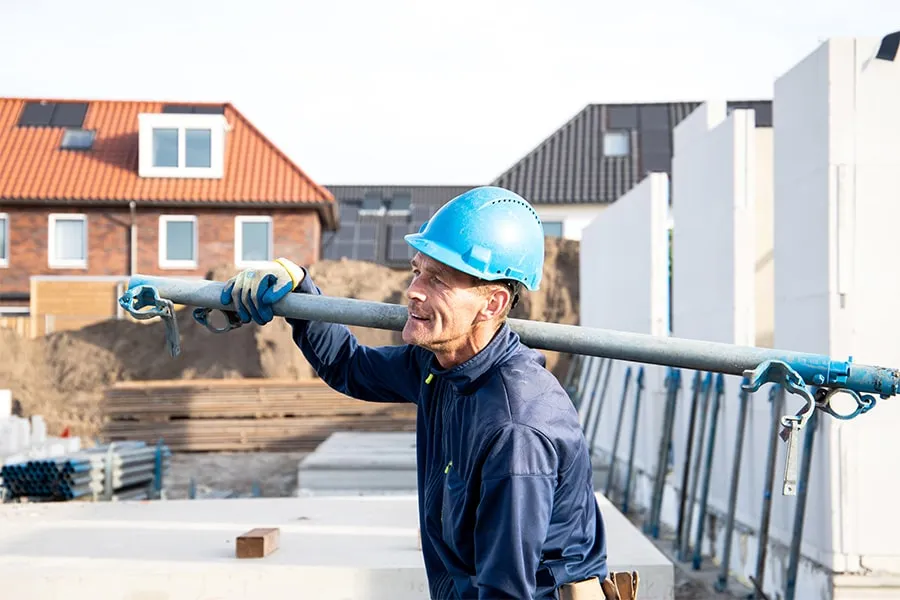
The work is also often repetitive or explosive, or has to be done in an awkward posture. It is therefore important to look ahead from an early age and encourage people to keep working towards a healthy body. This not only makes work more enjoyable, but also creates a safer working environment. You and your colleagues all benefit. “A first step is to see whether you can reduce the strain of your work by using different materials or aids. Or take a critical look at how tasks are rotated.”
Take the first step yourself
“You can also do a lot to influence your own fitness,” Jack continues. “You can take control of your fitness and physical capacity by exercising regularly. If you find that difficult, you can train with guidance. Choose a sport you enjoy or exercise in a group: you’re more likely to stick with it.” Jack’s research also shows that people who believe they will still be able to do their job in the coming years exercise vigorously twice a week. Another option is to make use of the Individual Preventive Care programme, delivered by Volandis.
The Individual Preventive Care programme is arranged so that employers have little to do. For example, you can receive free guidance if you want to work on your lifestyle. By keeping a close eye on your health, you can avoid needlessly living with complaints and actively work towards a solution. This helps you stay fit and motivated at work, while learning to think about your own sustainable employability. At the heart of the collective labour agreement package is the Sustainable Employability Analysis (DIA). Other assessments and examinations are also included in the preventive care package under the collective labour agreement. So take charge early and think like an elite athlete. After all, your body is your most important tool!
Question about this story? Ask your question
Keep following this
Get an email when a new story is published. No account needed.
- SubjectPersonnel & training