Dear employer, adapt or go under?
Text JIJ in de Bouw & Infra i.s.m. Tekstwerf Beeld Pol Infratechniek, Swietelsky Rail Benelux
The infrastructure sector faces a huge challenge. Not just on the ground, on the roads or on the water, but also in the labour market. There is plenty of work, but a growing shortage of people to do it. How do you attract new skilled workers and keep them on board? JIJ in de Bouw & Infra shares practical insights for employers who want to remain fit for the future.
There is plenty of work, so that is not the problem. Over the coming decades, the construction and infrastructure sector faces a huge task: new neighbourhoods, the energy transition, and the maintenance and replacement of infrastructure. The problem is that there are fewer and fewer people to do the work. For starters, a large proportion of experienced skilled workers will retire over the next five years. Leontien de Waal, Construction Sector Banker at ABN AMRO: “Around 30 to 35 per cent of construction and infrastructure companies will see people leave through retirement. That is a lot, especially in a sector where project-based and safe working depend on the right balance between younger and more experienced workers.”
The number of people coming through training programmes, particularly those with practical training, also remains consistently below the sector’s annual requirements. This means demand for staff continues to rise, and there is no reason to expect that to change. Jeroen Stolk, labour market specialist at Werkperspectief: “The reserve bench is empty. We cannot keep hoping things will get better on their own. The idea that the labour market will pick up again by itself is dangerous. Even if the economy slows, the gap between supply and demand will remain. The labour shortage is not temporary, it is here to stay.”

The cliché about young skilled workers is wrong
The youngest generation in the workforce could offer a solution. Yet many employers have mixed feelings about this group of employees, also known as Generation Z or Gen Z, born between 1997 and 2012. Stories about flexible working days, hybrid workplaces and endless feedback sessions have created an image of a generation that demands a lot while showing little loyalty.
But that image is wrong, at least when it comes to young people with practical training. In 2025, ABN AMRO published a study of almost 1,900 practically trained Gen Z workers: What practically trained Gen Z workers really want. De Waal is one of the authors. “First of all, when you talk about an entire generation in such general terms, you quickly miss valuable detail and nuance. But young people do have choices, with plenty of jobs available, and broadly speaking, they value different things in their work.”
Compared with their peers who are still studying, they place more value on:
- A good salary: 80% say it is ‘very important’;
- A permanent contract (69%);
- A professional workplace with good equipment (74%).
Find and retain more skilled workers: five tips
1. Foster pride in the job
Young people with practical training have less need to find a sense of purpose, but that does not mean they are not looking for meaning in their work. They simply define it differently from their peers with a more academic education. It is not about saving the world, but laying the foundations for a new neighbourhood, contributing to the energy transition or helping to build a long-awaited road connecting the city. Visible, impactful work they can be proud of. And that is exactly what many civil engineering and infrastructure employers can offer.
According to De Waal, they should talk about that more. “In infrastructure, your work is sometimes less visible than in construction: a house, office or stadium stands out more than cables and sewers. But then again, how many sectors allow you to contribute so directly to the energy transition or climate adaptation? Highlighting that contribution more could persuade people to join. It also helps that infrastructure work can be highly complex, innovative and technological.”
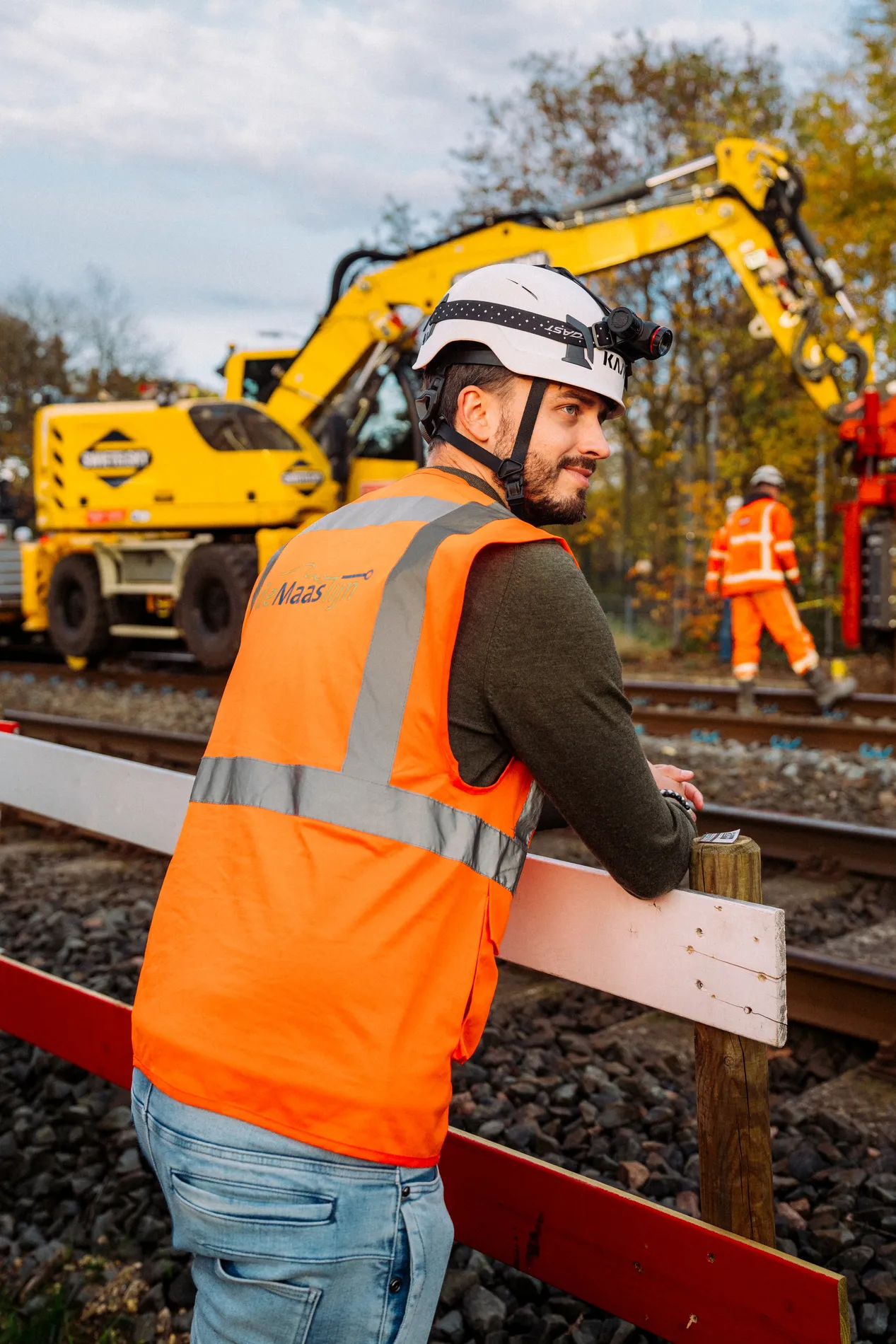
2. Get the basics right, and make sure people know about it
A decent salary, a permanent contract, good tools and quality workwear. These are the things practically trained Gen Z workers look for. Almost all of them consider a good salary and a permanent contract important. And 74 per cent say a professional workplace with good equipment is ‘very important’, significantly more than their peers with a more academic education.
Fortunately, many civil engineering and infrastructure companies already have the basics in place, they just do not show it well enough. Job adverts do not include salary ranges, employment conditions are only discussed late in the interview process, and the new excavator is nowhere to be seen on the website, even though this is exactly the kind of information young people are looking for. The lesson is simple: you do not necessarily have to offer more. Start by telling people what you already offer.
3. Invest in support and structure
Practically trained Gen Z workers want freedom, but they also want clear boundaries. They thrive when expectations are clear, they have a dedicated mentor and they have regular one-to-one conversations with their employer. And not about drinks after work or team-building outings, but about how they are developing and what is expected of them.
Wiep van der Pal, director of JIJ in de Bouw & Infra: “If we do not invest in the people we already have, we will not make it. No matter how well we recruit.” Stolk agrees: “Most people do not leave their job because they can get something better elsewhere, but because they do not feel valued in their current job. A good conversation about workload, career prospects or work-life balance can make a big difference. Especially in this sector, where the work is often demanding, both physically and mentally.”
That support is also crucial for bringing in the next generation of skilled workers. “Our research also shows that having a good coach or mentor is important,” says De Waal. “Especially when the quality, speed and safety of the work are major considerations. What is more, those mentors are often experienced employees who will be retiring sooner rather than later. Pairing them with young colleagues also helps preserve all that knowledge and experience.”
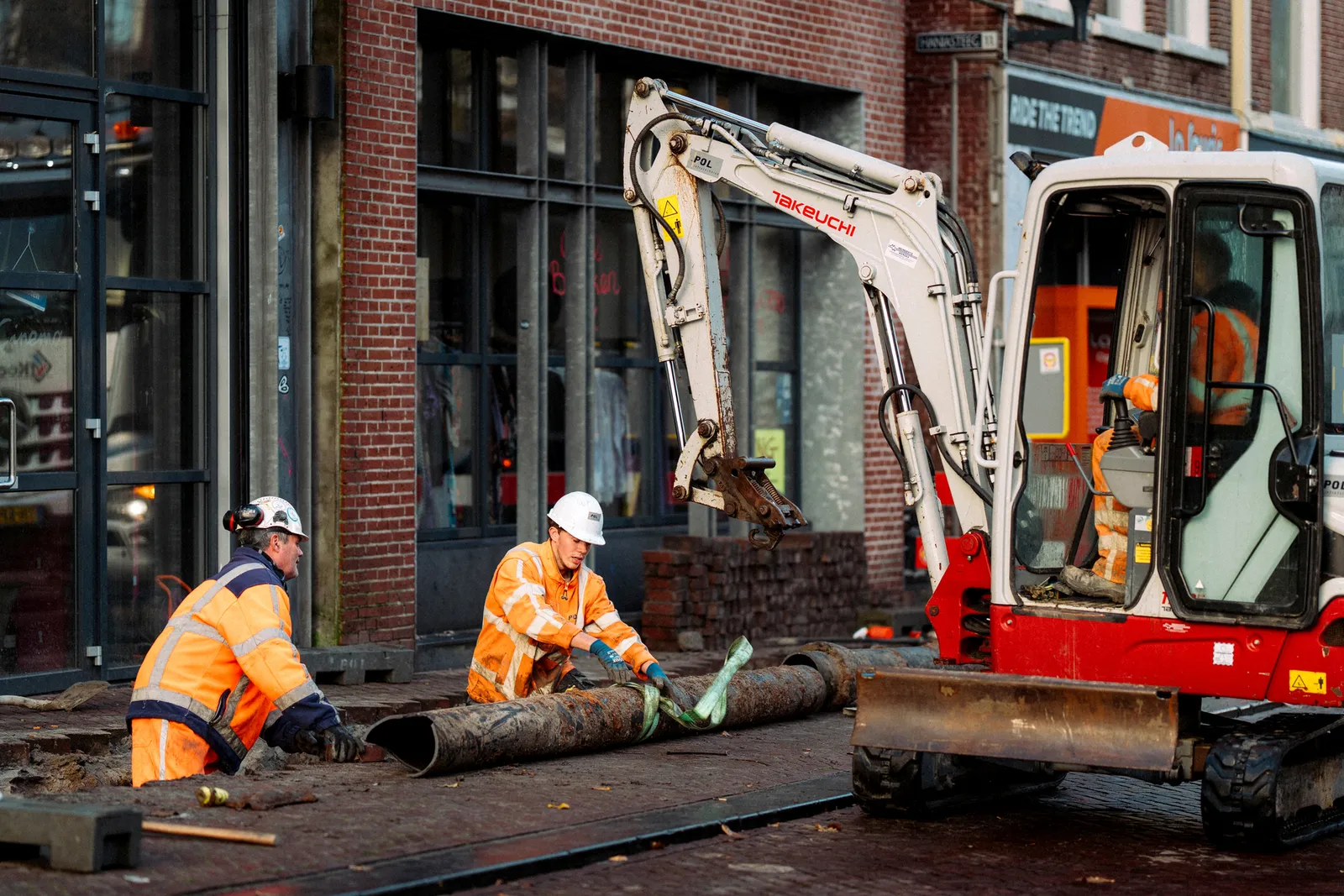
4. Look beyond the usual talent pool
Publishing the same job advert and hoping for a different result is not a strategy. Plenty of people would like to work in civil engineering and infrastructure but do not follow the usual route. Career changers, people changing industries, and status holders with relevant experience bring fresh energy and choose infrastructure work deliberately, making them motivated and loyal.
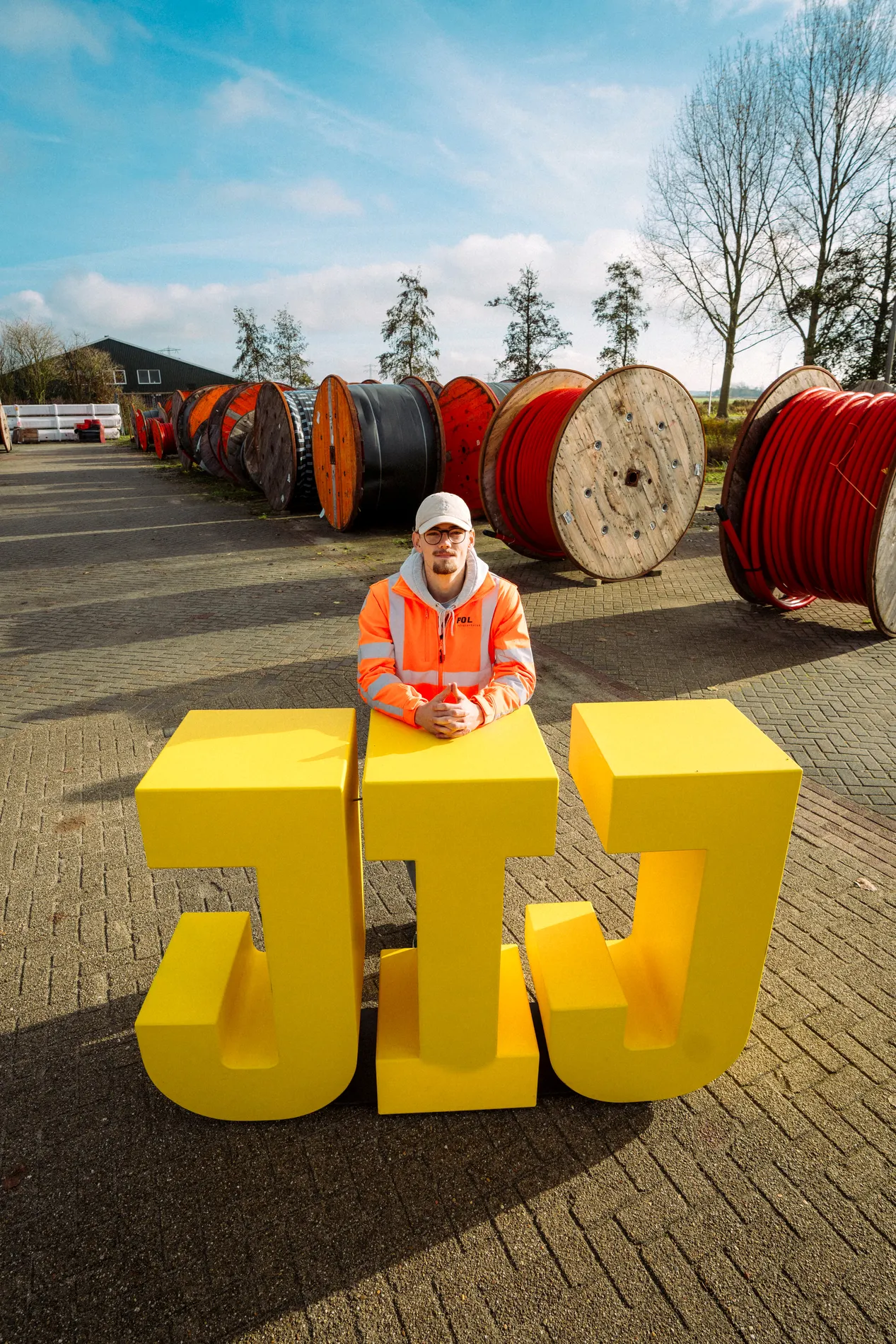
Pol Infratechniek in Leeuwarden deliberately gives this group a chance too. HR manager Tanya Kooistra explains the decision: “We also hire people who have already had a career in another field. When we are looking for new colleagues, we are not concerned about qualifications or specific experience. We can teach them the hard skills on the job. For us, one question determines whether we hire someone: do you want to? This approach has already helped us find several talented people.”
5. Make technology your ally
Robots that take on heavy lifting, drones that carry out inspections, digital tools that make work safer and more efficient: technology not only makes the job less demanding, it also makes it more appealing to a generation that has grown up with digital technology. “There is a reason we call them digital natives,” says De Waal. “They simply expect an organisation to keep up with the times and offer smart tools.”
Investing in technology does require a different way of thinking. Van der Pal: “Do not fixate on what it costs today, look at what it will deliver tomorrow. Technology is not a threat, but a tool for staying fit for the future.”
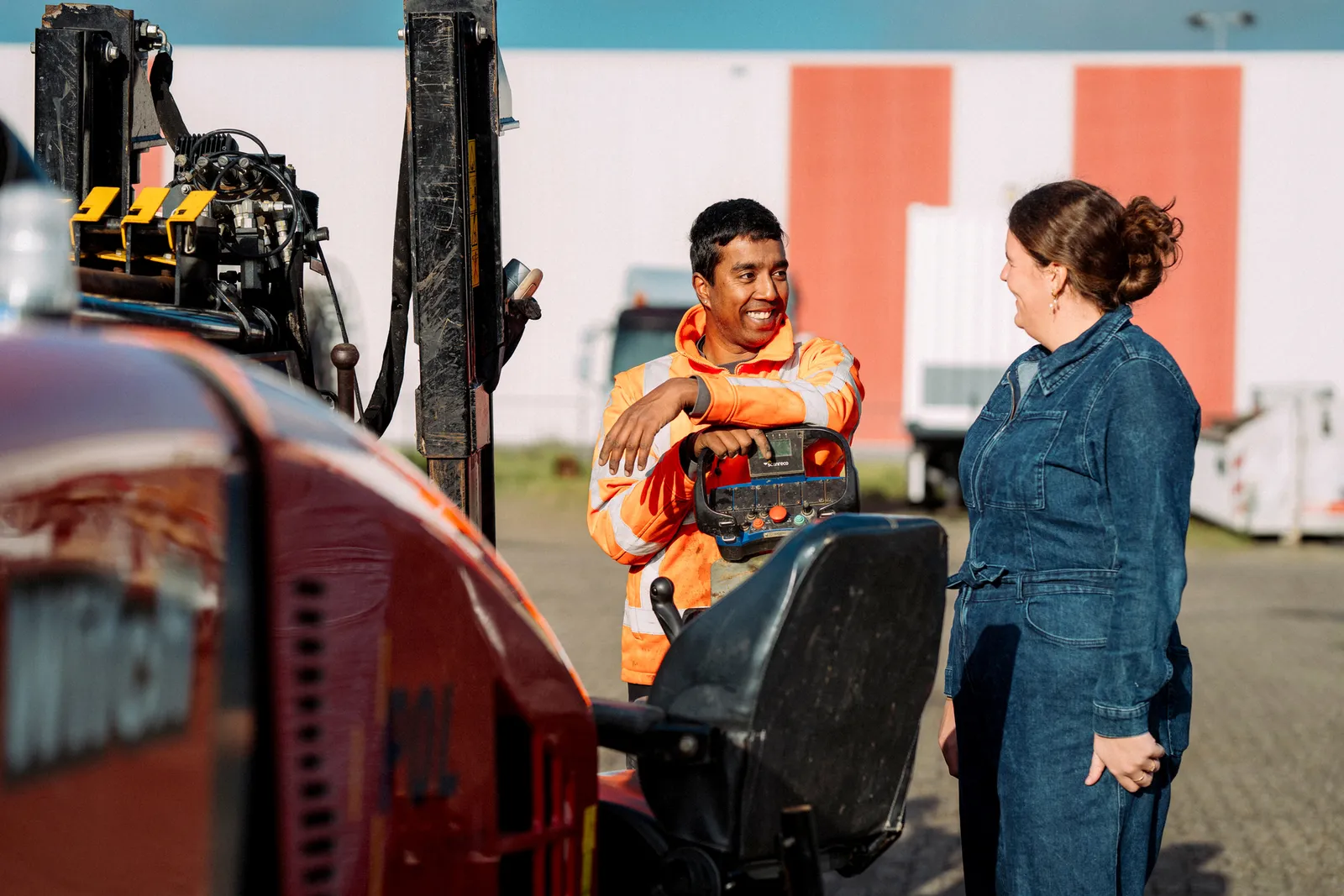
Investing is no longer optional
These kinds of changes take money, time and energy. That is a serious challenge, especially for smaller companies with tight margins. But the alternative is more expensive. De Waal: “If you do nothing, you will eventually simply run out of people. Then you will have to choose which projects to take on and which to turn down, putting the continuity of your business at risk.” Stolk agrees: “If we want to retain people and make the work more attractive, we need to invest in technology, training and support.”
Ultimately, it is not about the changes themselves. The most important thing is to listen to your current and future employees and be willing to adapt. You do not have to do it all at once: break it down into practical, manageable
steps. And remember: improvements benefit not only your future colleagues, but your current staff too. Older employees may even stay on, at least part-time, for longer if you offer more flexibility in employment conditions or working hours. That is another way to build a business that is fit for the future.
Question about this story? Ask your question
Keep following this
Get an email when a new story is published. No account needed.
- ThemeSafe working and skilled professionals
- SubjectPersonnel & training