Working students: the latest weapon in the battle for scarce talent
It is an open secret that the engineering sector struggles to find good people. The infrastructure sector is also facing a severe staff shortage. Abilitec has come up with a creative solution: working students who take on ‘job carving’ are its latest weapon in the fight.
The infrastructure sector is booming, with governments investing heavily in improving and expanding infrastructure, sewerage and water management, says Peter Gerlach of Abilitec. “The result is that a huge number of projects are being carried out at the same time, while there is also a major shortage of qualified staff.” His colleague Niels Uit de Bulten adds: “That means you have to be creative in how you deploy staff. A working student can make a significant contribution.”
Job carving
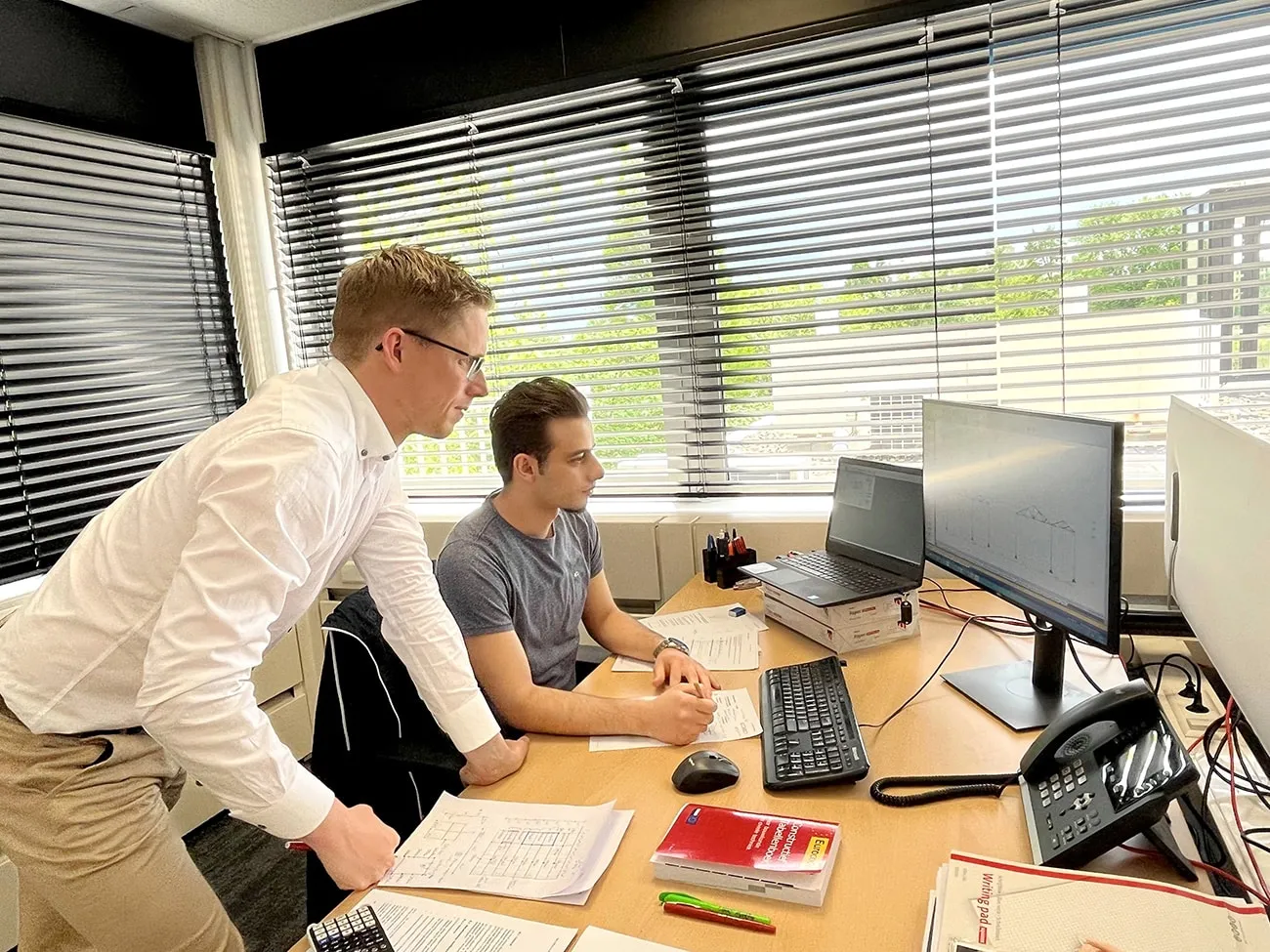
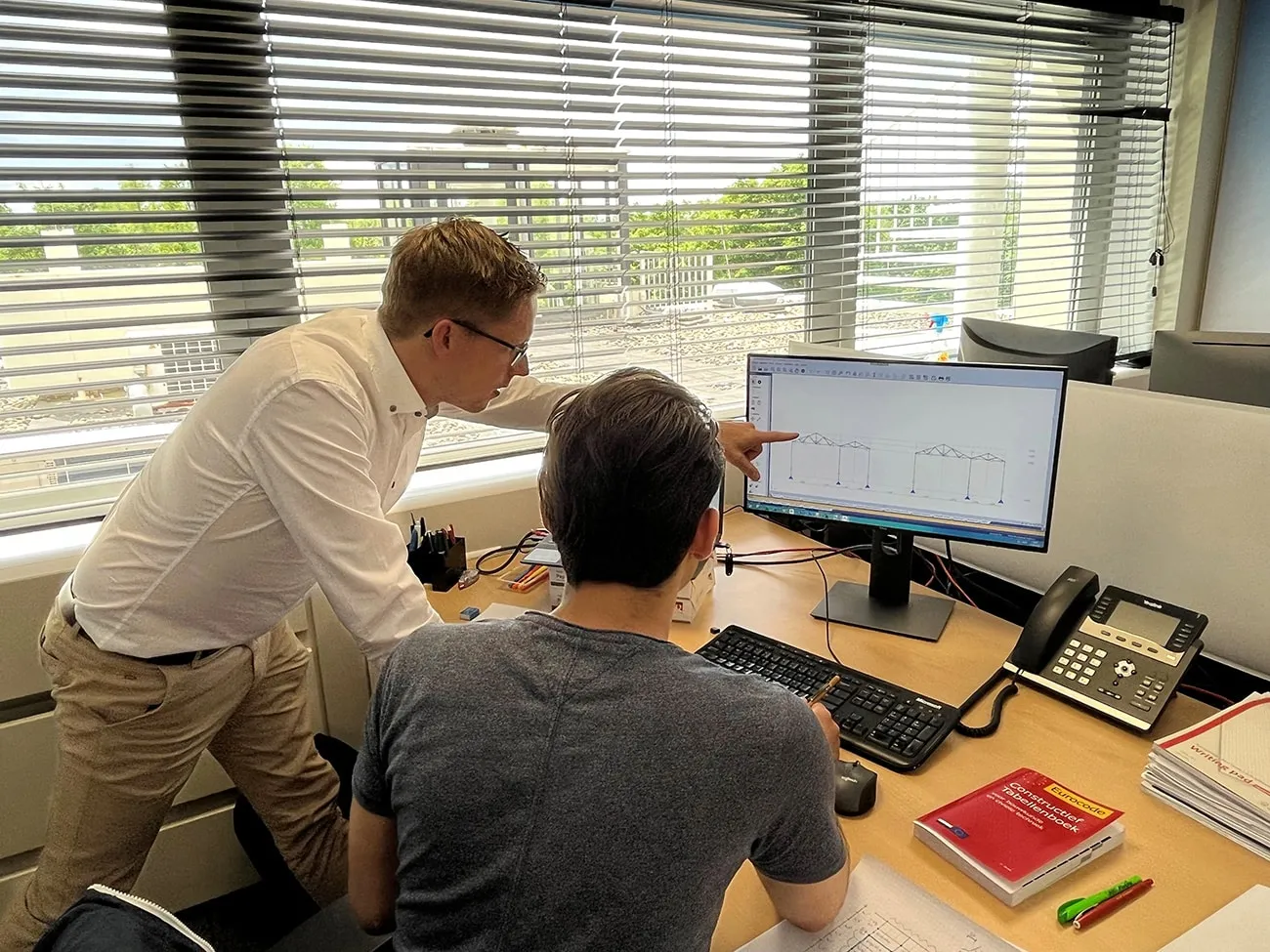
Abilitec recruits students on technical courses for jobs in civil engineering. “We focus mainly on 3rd- and 4th-year students on higher professional education and university courses who have already gained some knowledge and experience in the field, either through an internship or previous work,” explains Uit den Bulten. “What we then recommend is removing non-core tasks from professionals’ workloads and handing them over to working students. In the industry, we call this job carving. That way, professionals can focus entirely on more complex matters. It creates more scope to complete projects at a faster pace, using a relatively cost-effective solution at the junior end. We cautiously started recruiting working students about a year and a half ago, and are now seeing results. In fact, demand is surging.”
Ambassadors for the future
Taking on a working student benefits both sides. “Students gain experience, and the likelihood of them staying with the company after graduating keeps growing,” says Uit den Bulten. “Recruitment no longer starts with graduates, but much earlier. It does cost a little more, since students are not immediately 100% productive, but they are ambassadors for the future. They are people you can rely on in ten years’ time, and who will help keep the organisation going.” Gerlach takes it a step further: “Why work in a supermarket or the hospitality industry as a student when you can work in your own field? I think the choice is an easy one in many cases. We give students a way into civil engineering companies. Our pool of working students is growing rapidly, and there is also strong interest from engineering consultancies, government bodies and contractors.”
Naturally, we do not leave working students to fend for themselves, any more than we do our other professionals, says Gerlach. “We place great importance on personal guidance and the development of our people, and that is appreciated. It helps keep both our professionals and working students in demand.”
Question about this story? Ask your question
Keep following this
Get an email when a new story is published. No account needed.
- SubjectPersonnel & training