‘The vocational work-study programme adds great value for us’
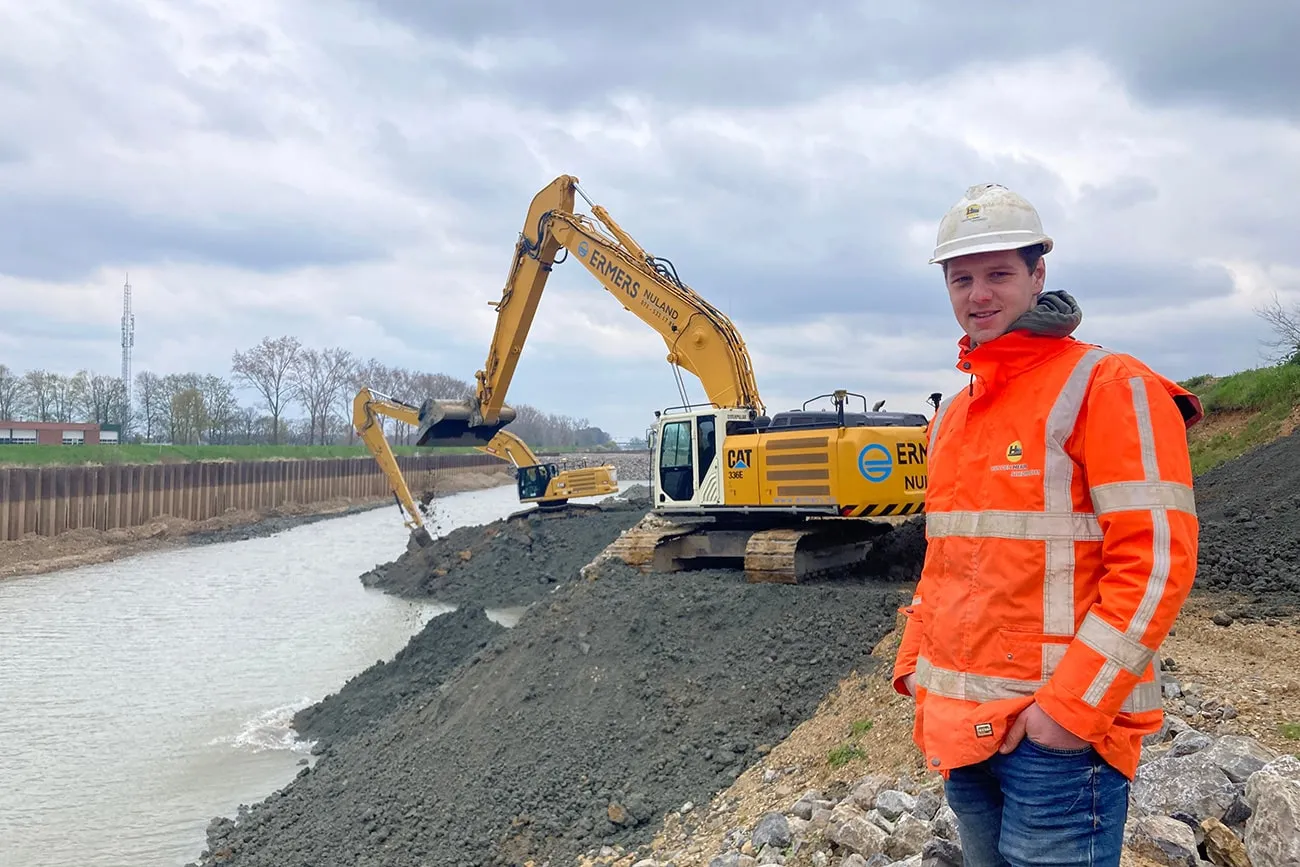
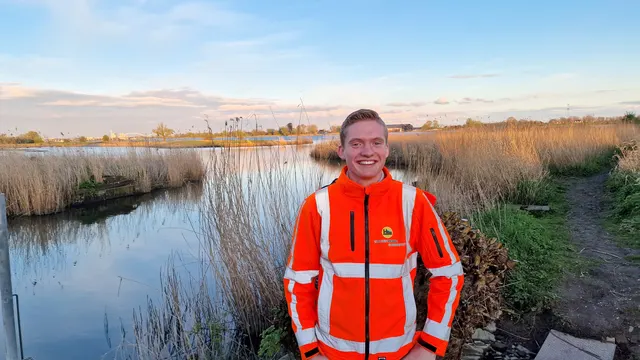
At Waterbouwbedrijf Van den Herik Sliedrecht, young people are given the opportunity to learn the trade on the job. One of them is Bartjan van den Dool, a third-year level 4 MBO student studying infrastructure engineering. It works both ways: Barjan is gaining a great deal of practical experience, while Van den Herik’s team has gained a motivated colleague.
A win-win for the company and the student
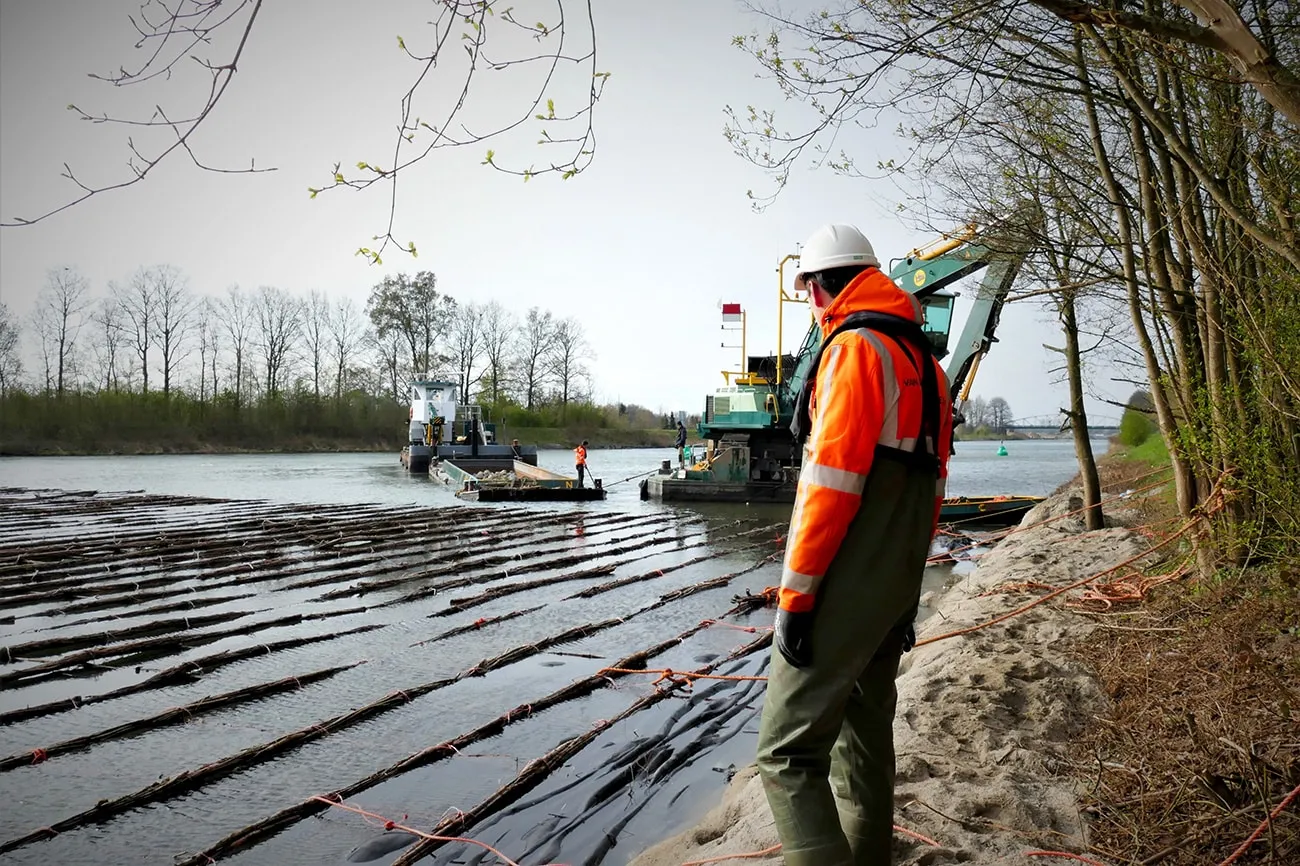
“In the year I’ve been working at Van den Herik, I’ve already learnt a great deal,” says Barjan. “In the second year of my studies, I did a work placement here. But it only lasted a few weeks. I shadowed a colleague and observed what they did. Now that I work here 4 days a week and go to college 1 day a week, I see a lot of what I learn in class put into practice. Water engineering projects are often very broad in scope, with many different aspects to the work on site.” Bartjan is the first student from this course to join Van den Herik. The company also has many years’ experience with dual-study students and work-study programmes from other MBO and HBO courses. Gerard Boon, Bartjan’s mentor, is also enthusiastic: “I stayed on at Van den Herik after my HBO work placement a few years ago. As an HBO student, those placements of a few weeks were my only practical experience. I still had to learn everything on the job. Bartjan, on the other hand, has the opportunity as an MBO student to gain a great deal of work experience during his studies. I see that as a major benefit of an MBO work-study programme. As a company, we need a lot of practical people. How great is it, then, to be able to train young people within your own company?”
Working at the coalface
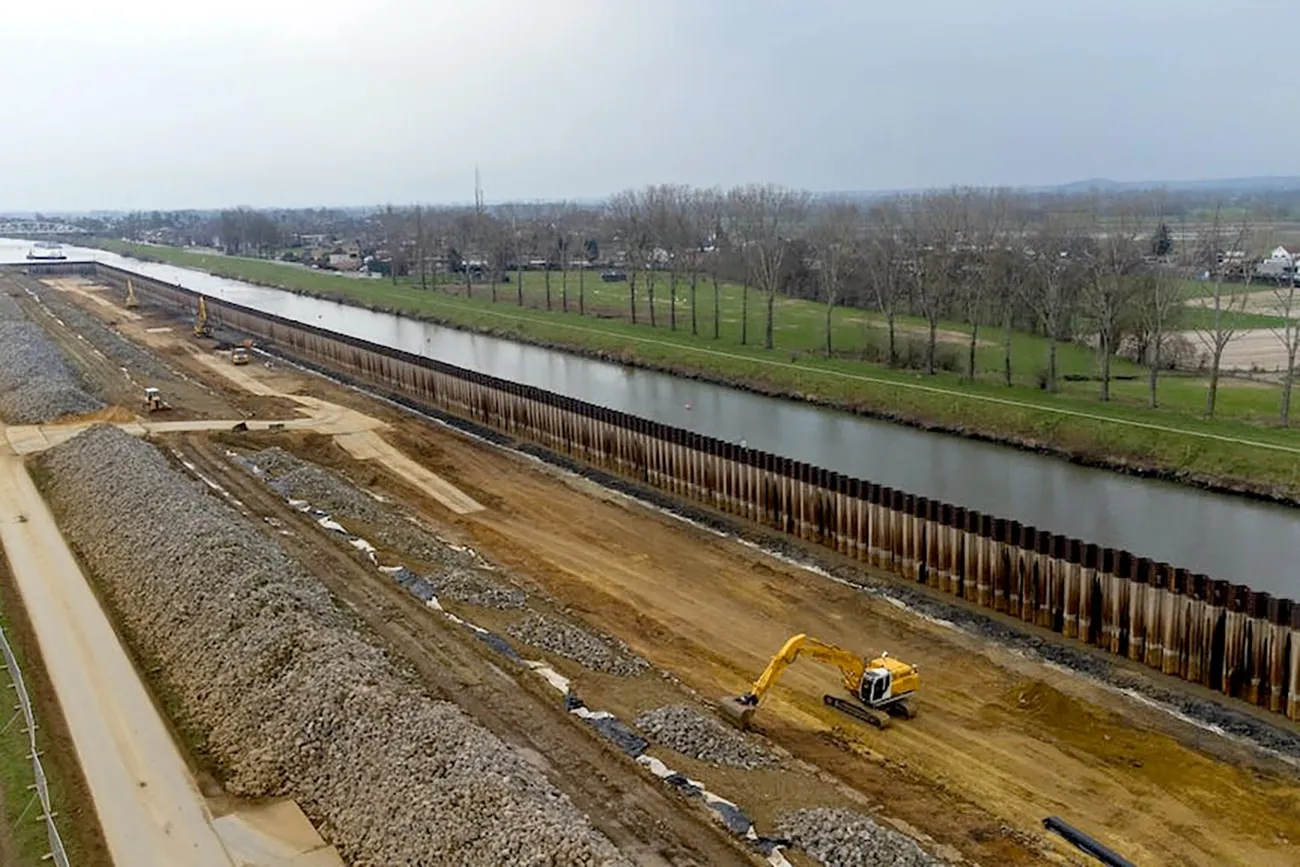
Bartjan isn’t the only student given an opportunity at Van den Herik. The family-owned company takes on around 15 students a year to gain practical experience in a range of roles, including maritime, civil engineering and various office positions. Students become full members of the team in the department where they work, are mentored by experienced colleagues and are given tasks for which they are responsible. Bartjan, for example, is working on the ‘Berg-Obbicht section widening project’ in the Julianakanaal. This major project involves widening and deepening the Julianakanaal in Limburg so that it can also accommodate larger vessels. The project is made up of smaller subprojects, giving Bartjan plenty of opportunities to learn. Gerard explains: “One of these smaller subprojects involves repairing a section of bank. Bartjan has been asked to develop a plan of approach, prepare the schedule and cost estimate, and then supervise the work on site. As well as taking on assignments like these, Bartjan works closely with me. We go through the work and schedule together every day and divide up the tasks. Bartjan has proved over the past year that he can handle this. As a site manager at Van den Herik, I’m delighted to have him as an MBO student.” Van den Herik also gives plenty of scope to new graduates. After an orientation period, they can choose a specific specialism, and the company also offers a traineeship. Like Bart-Jan, new starters can count on good support from one or more colleagues.
Tip
Bartjan: “I think it’s a really good fit in practice, and I’m glad I chose a water engineering company, and Van den Herik in particular.” Gerard: “I’d recommend that every company explore MBO work-study programmes. They’re valuable for both parties: the student learns a great deal about how a company operates, and the company gains an enthusiastic colleague who may want to stay on in the future!”
Question about this story? Ask your question
Keep following this
Get an email when a new story is published. No account needed.
- SubjectPersonnel & training