How can you attract new employees and retain your existing workforce?
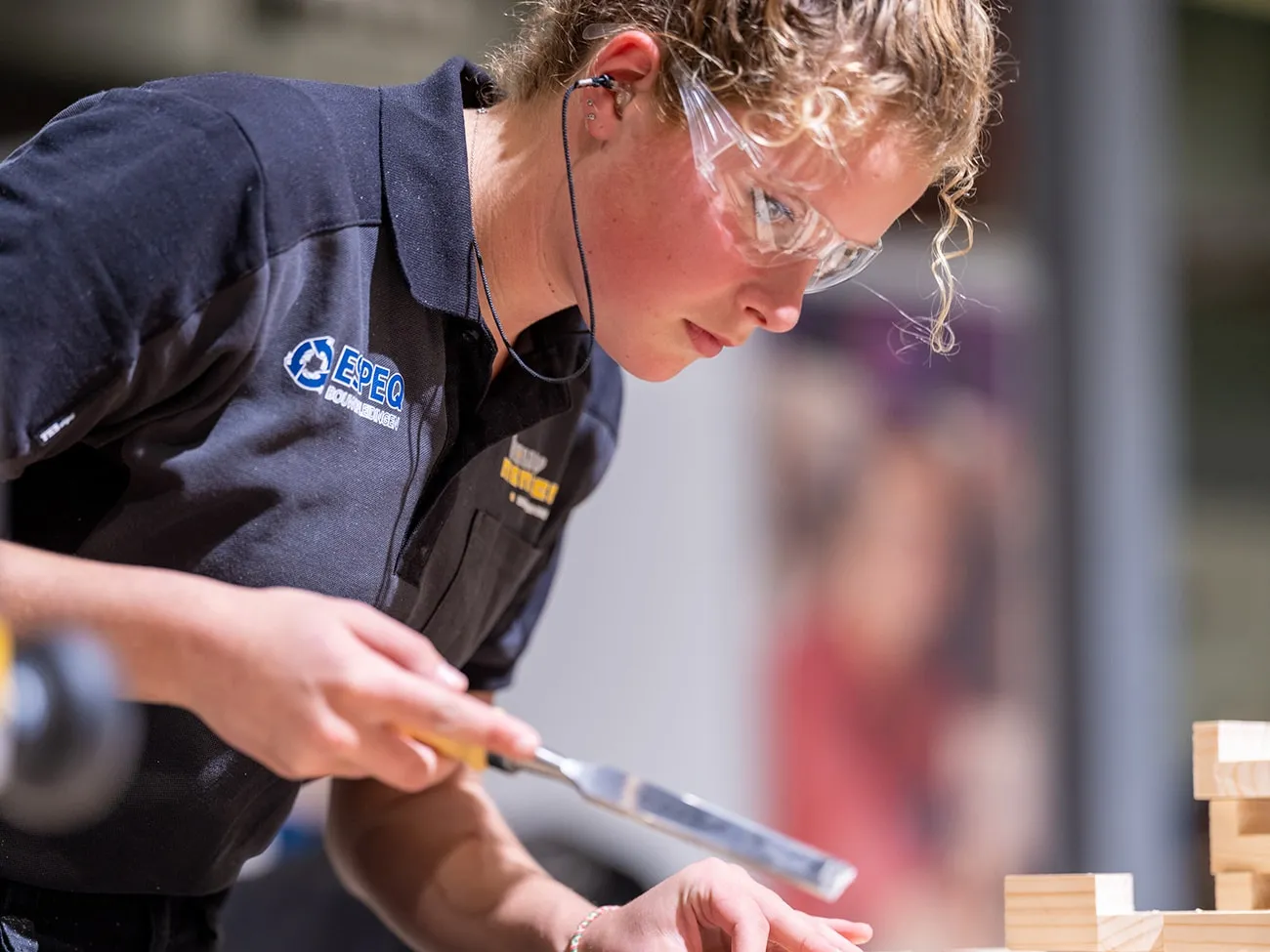
“It is clear that the construction and infrastructure sectors face a major challenge. We have a huge housebuilding task ahead of us, we are working on the energy transition and we want to keep our country accessible. We need everyone to achieve that.” So says Mirjam Wildekamp, programme manager at Bouw & Infra, instroom en behoud vakkrachten. We speak to her about what needs to be done to attract more people to the sector and retain existing employees. “We show young people and career changers how enjoyable it is to work in construction and infrastructure. Retaining staff is just as important. These are the priorities of the collaboration between employers and employees in the Bouw & Infra, instroom en behoud vakkrachten programme.”
An interview with Bouw & Infra, instroom en behoud vakkrachten
Training matters
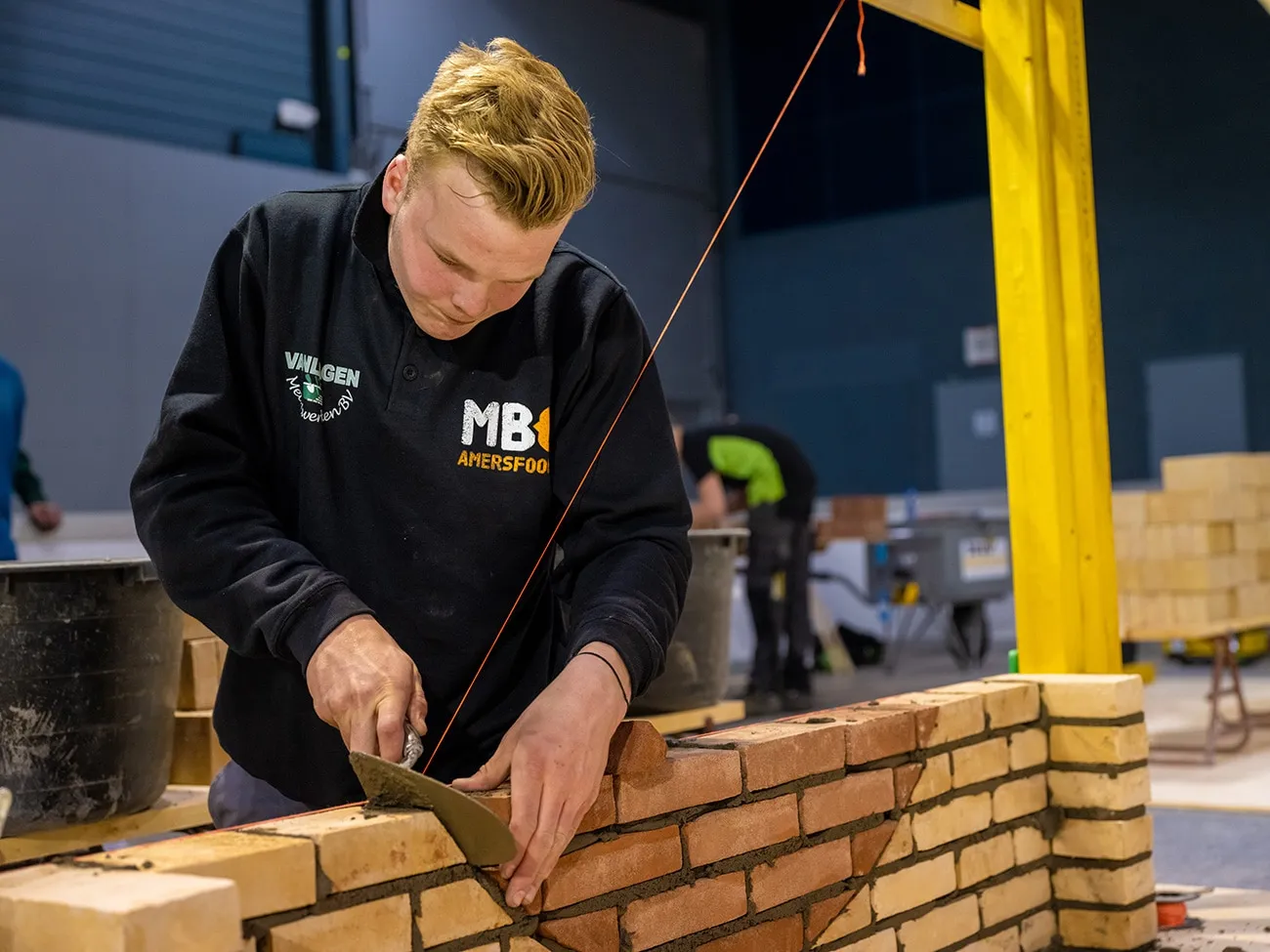
Mirjam: “To retain people, it is important to create a pleasant working atmosphere, with a strong sense of camaraderie and realistic demands. That requires enough employees to get the work done. You also want staff to be equipped to deal with work that is changing as a result of innovation. Training is very important for both younger and older workers. Young people ask themselves, ‘What’s in it for me?’ They look for opportunities to develop and progress within a company, and want good support. Older workers particularly value having a degree of autonomy in the workplace, making and organising things for themselves. They ask themselves: ‘How can I make sure I can keep doing this job?’, ‘Am I up to date with the latest knowledge?’ and ‘Do I have the skills to use new methods?’ That is why training is a major focus of our Bouw en Infra, instroom en behoud vakkrachten programme.”
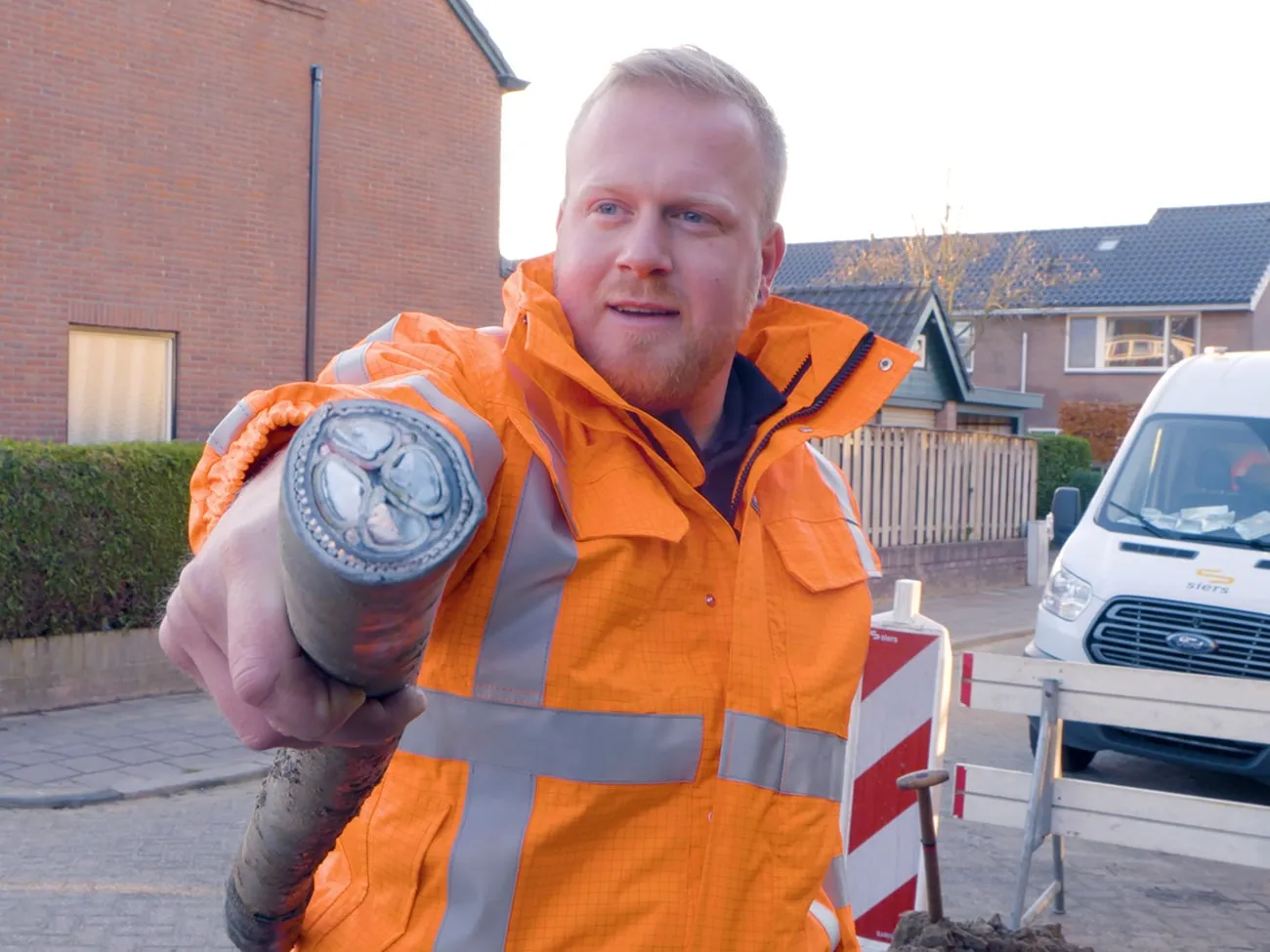
According to Mirjam, it is important for training to build on what people can already do, recognise each employee’s talent and take their home situation into account. “The time and location of a course matter, for example. Make sure employees do not have to travel too far, and do not automatically make training come at the expense of their free time. Are we willing to invest in that?”
Mapping skills
To identify suitable training, employers need to look at their staff’s skills. “We are working towards a more skills-based approach. That is why we are developing a Digital Skills Passport for construction and infrastructure. It sets out who you are and what you can do: not just the qualifications you hold, but also skills you have acquired in other ways. This makes it possible to tailor training to people looking to enter the sector or progress in their careers. Our colleague Claudia Klarenbeek, Project Leader and Skills Adviser for the Digital Skills Passport (DSP) at Volandis and Researcher at HAN University of Applied Sciences, is leading this work. She is drawing up the roadmap for employers and employees. This helps us identify the modules people need, rather than requiring them to complete a full course every time. We recognise what you do and what you can do, and record it in a passport, allowing employees to take targeted training.”
This innovation needs the support of both employers and employees. “Employers gain a better understanding of what their staff can do, while employees can see what skills they already have and receive recognition for them. So it benefits both sides,” explains Mirjam. “This approach also enables employers to place new recruits in the right roles quickly and efficiently.”
Challenging the stigma surrounding the sector
Young people want to see what kind of work they could do, Mirjam explains. “If you can make that concrete for them, it will appeal to them. We need to get rid of the stigma that jobs in our sector are dirty or poorly regarded. The opposite is true. We need to appeal to young people’s passions. That will also be a clear focus of our Je gaat het maken campaign this autumn. Older generations should recognise that young people live in a different world from the one they grew up in. We need to create an environment where different generations can come to understand one another.”
Bouw & Infra, instroom en behoud vakkrachten is interested in the Open Hiring concept, which connects jobseekers with employers without a job interview. “You can start in a role with virtually no barriers and find out through practical experience whether the work is right for you. Good mentoring is also very important. With the right amount of time and attention, you can guide employees and help them feel at home.”
We have to play the game together
“Our regional advisers discuss the options with companies. We sit down with them and ask, ‘What do you need?’ So, as well as focusing on employees, we also place a strong emphasis on employers. We have to play the game together. We take each employer’s circumstances into account and champion diversity. Everyone is welcome, but we take a targeted approach.”
Question about this story? Ask your question
Keep following this
Get an email when a new story is published. No account needed.
- ThemeSafe working and skilled professionals
- SubjectPersonnel & training