From (working) student to engineer

More than ten years ago, Frank Roeland observed that young engineers were finding it increasingly difficult to choose the right job. The result was high turnover and frequent job changes in the first few years of their careers. This is bad for the development of a young engineer, but also unfortunate for an employer that invests a great deal of time and energy in training young people. Roeland believed there was a better way and founded Enginear, an innovative recruitment agency for the construction and infrastructure sectors that does things a little differently from other agencies.
Ten years of brokering sustainable matches
“At Enginear, we help young engineers make informed choices through self-reflection, so that they can build a lasting relationship with their employer,” Roeland begins. “Our vision has not changed since we were founded and is still highly relevant. Over the years, new challenges have emerged that have strengthened our vision and way of working. For example, the ‘civil engineering’ course has broadened and evolved into the Built Environment degree. This has certainly not made it any easier to bridge the gap with industry. Student numbers are also falling, while the workforce continues to age. The civil engineering sector has sounded the alarm as recently as this year.”
Working student
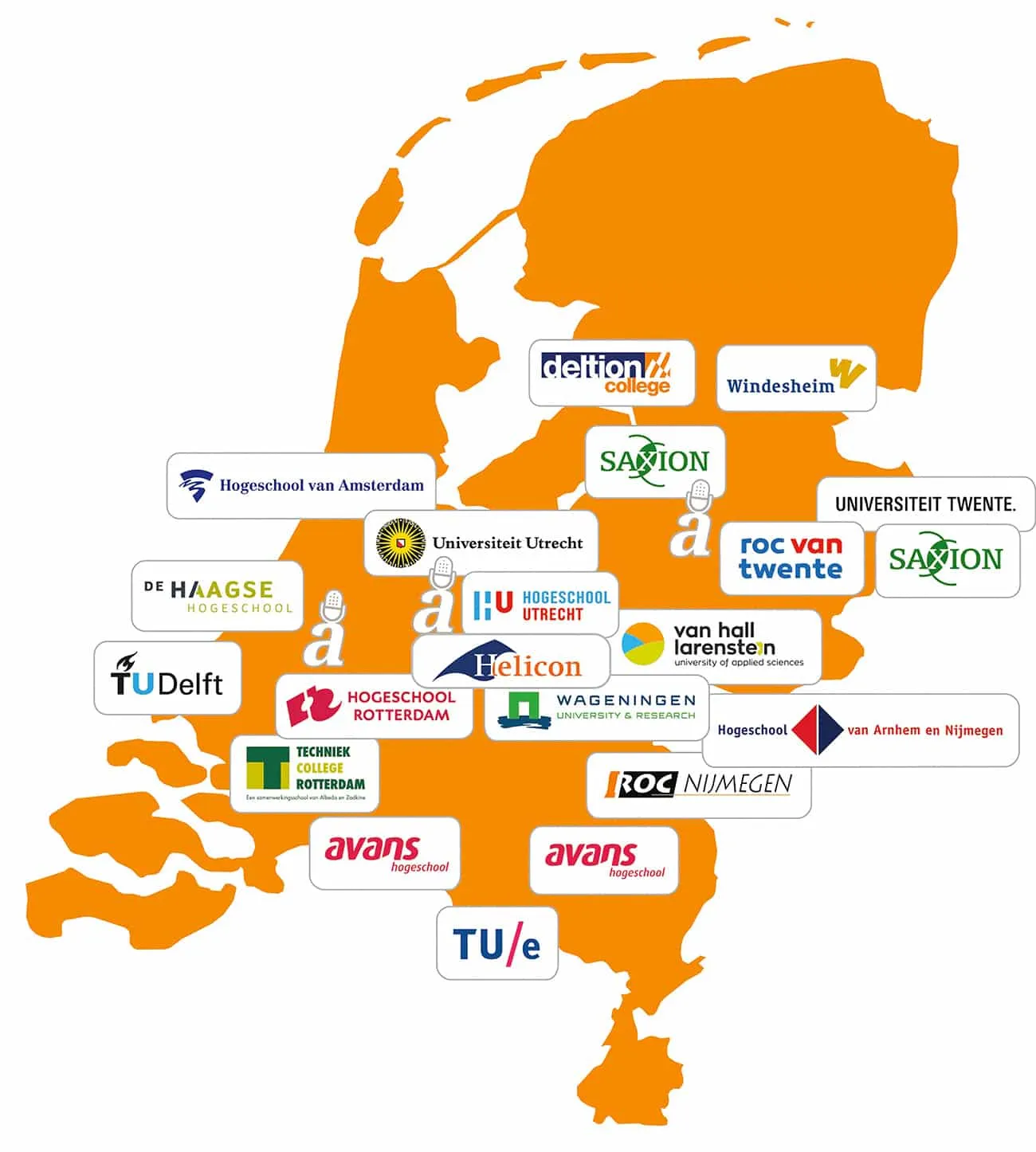
Enginear’s unique approach has several strands. “It all starts with sharing knowledge about the sector directly with our target group,” says Arjan de Graaf, who has been a co-owner of Enginear for seven years. “Every year, together with our partners, we deliver 45 workshops and training sessions at 20 educational institutions, mostly universities of applied sciences and universities. This means we meet potential candidates from their very first year of study. We can then offer them a technical part-time job as a ‘working student’, giving them an additional link to the business world. Students get to experience in real life what it is like to work at, for example, an engineering consultancy, rather than finding out only after they graduate. We then invite final-year students to take the step into a permanent job through us. This leads to a career advice meeting, where we put the student centre stage rather than focusing on a vacancy. That is truly unique, and it is also completely free and non-binding for the student.”
Career advice meeting
During the career advice meeting, Enginear gets to know the young engineer inside out, drawing on assessments and an enormous depth of market knowledge. “This results in a profile containing information about their studies and background, as well as their personal style, including behaviour and attitude, and their motivations,” Roeland continues. “From this mix, we develop a set of requirements for the young engineer. What does a company, role and working environment need to offer for a recent graduate to feel at home? It is a fundamentally different approach from putting a vacancy centre stage.” De Graaf adds: “By taking such a detailed look, young engineers gain a clear picture of their own profile and are much better prepared when they meet a prospective employer. We then use our extensive network of more than 2,000 companies to find a match that is both right for the role and sustainable. We draw up an employment contract and place the young engineer in a suitable vacancy.”
Success rate of 91%
Enginear focuses on students from their first year of study through to young engineers with up to four years’ work experience. “By then, you should have found your place in our sector,” Roeland believes. “Our unique approach means that 91% of the young engineers who start through us are taken on permanently by a client after a year. That high success rate comes from creating a match that is right for the role and sustainable, with both parties still satisfied after a year.” De Graaf adds: “That is why we remain involved in the ‘settling-in’ process and keep young engineers on our payroll for their first year. We also provide additional training and courses specifically suited to the first year of their careers, the transition from studying to working. This means we can work with all kinds of clients, from (semi-)government bodies and water authorities to contractors and engineering consultancies. Enginear’s added value more than pays for itself. The client pays for each hour worked, with our fee included. After a year, the employer takes on the young engineer at no cost.”
Question about this story? Ask your question
Keep following this
Get an email when a new story is published. No account needed.
- SubjectPersonnel & training