Construction & Infrastructure: attracting and retaining skilled workers
Text Roel van Gils Image Bouwend Nederland
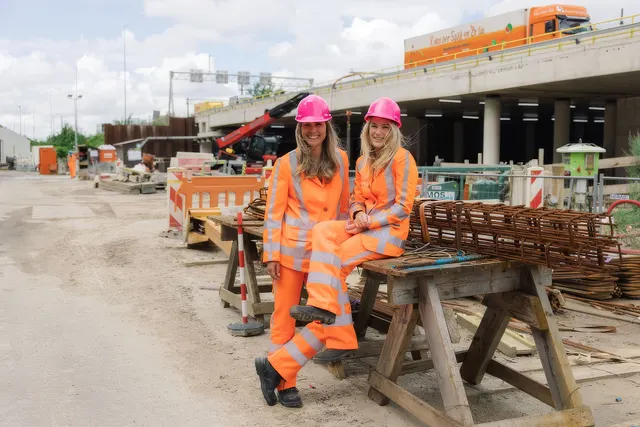
Construction and infrastructure is a great sector, one with an urgent need for workers. To make it easier to recruit new people and retain existing employees, the Construction & Infrastructure collective labour agreement parties launched the ‘Construction & Infrastructure: attracting and retaining skilled workers’ programme in 2021. A key part of the programme is a focus on vocational training, which is essential to the sector but at risk of disappearing. And that is not all.
The programme was set up after the construction and infrastructure sector recognised the need to focus more on attracting and retaining skilled workers, says Henk Hanssen, Training Project Manager for the Construction & Infrastructure: attracting and retaining skilled workers programme. “There were plenty of indications of a problem, and various organisations were already taking some action, but there was no coordinated approach. So a number of parties decided to join forces, set aside funding and bring everything under one umbrella. A programme manager was appointed to work with the sector on a programme framework and action plan. Coordinators and project managers were then appointed to accelerate the work.”
The programme framework and action plan identified three areas of focus, says Maaike Westerbeek van Eerten, Switchers Project Manager for the Construction & Infrastructure: attracting and retaining skilled workers programme. “These are education and training, communications and career mobility.”
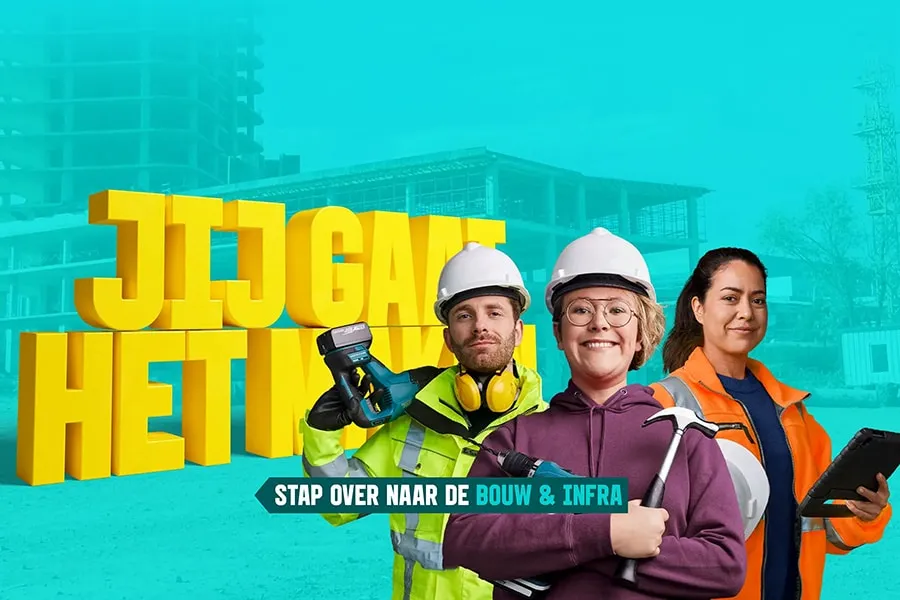
Jij gaat het maken
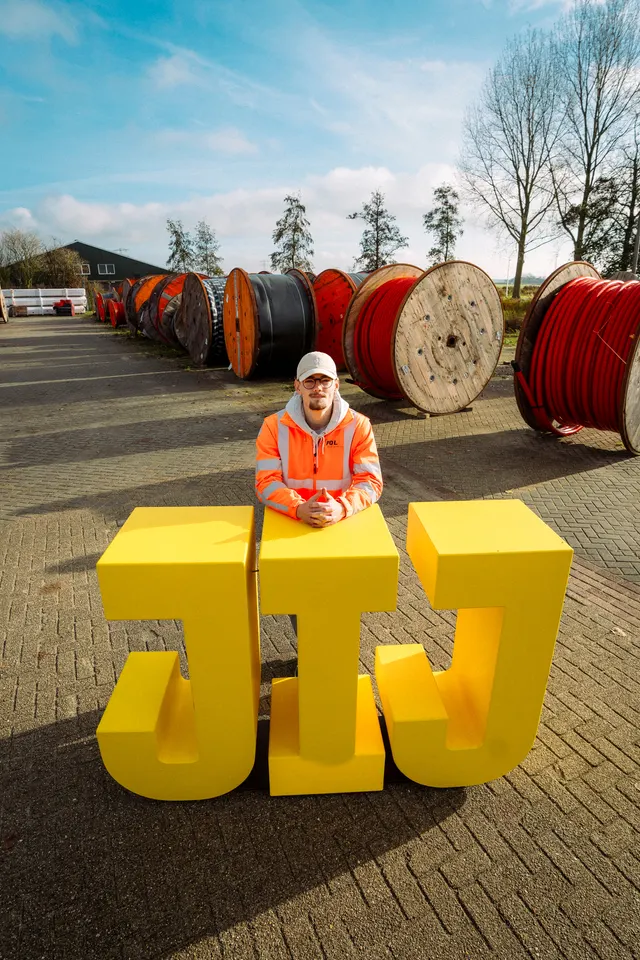
Maaike continues: “Our communications work focuses on raising the sector’s profile and making it easier to find. Alongside our regular communications about what we do and our presence at relevant trade fairs, we also run campaigns. One example is the ‘Jij gaat het maken’ campaign, which has been embraced and adopted by almost the entire sector.”
Education and training
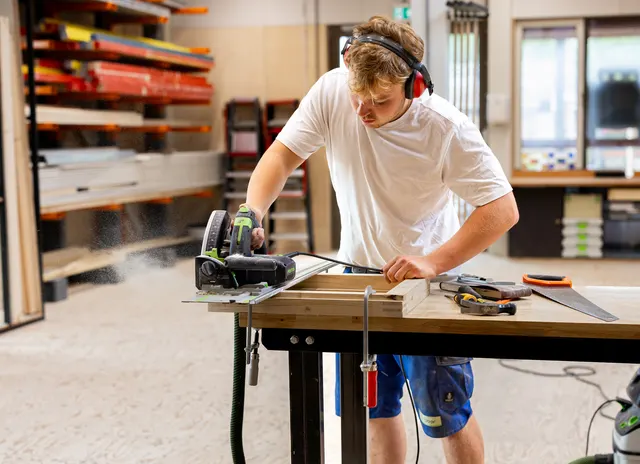
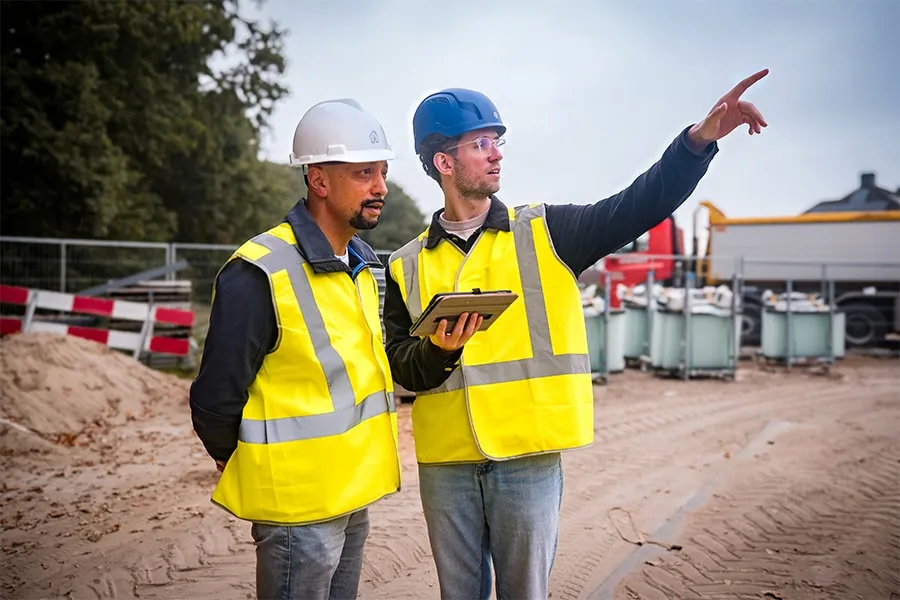
Until recently, there was no comprehensive overview of the training available in the Netherlands. Nor was there a clear picture in the construction and infrastructure sector of which vocational courses were essential to it, according to Henk. “Let alone whether young people and career changers could find them and access them. The programme initially selected vocational courses that the sector collectively agreed to invest in. Together, these courses make up the sector qualification framework (BKS). That was a major first step, because everyone is now on the same page. We are now working to define the details and put the framework into practice. The collective labour agreement parties still need to make a final decision on which vocational courses they consider essential. A proposal is on the table, but the precise content of the BKS still needs to be approved by the collective labour agreement parties. We expect that to be settled in the course of this year,” says Henk.
From steel fixer to asphalt paver operator
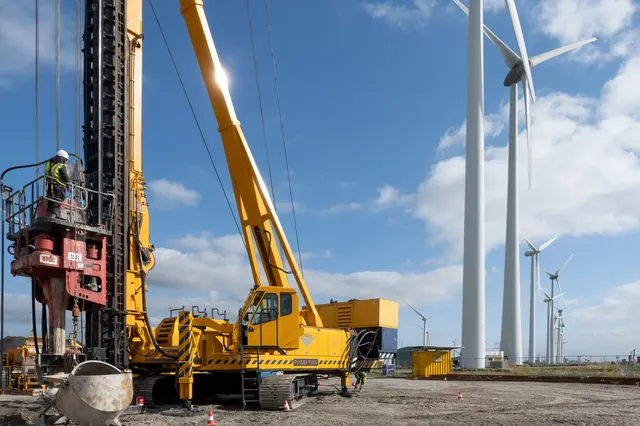
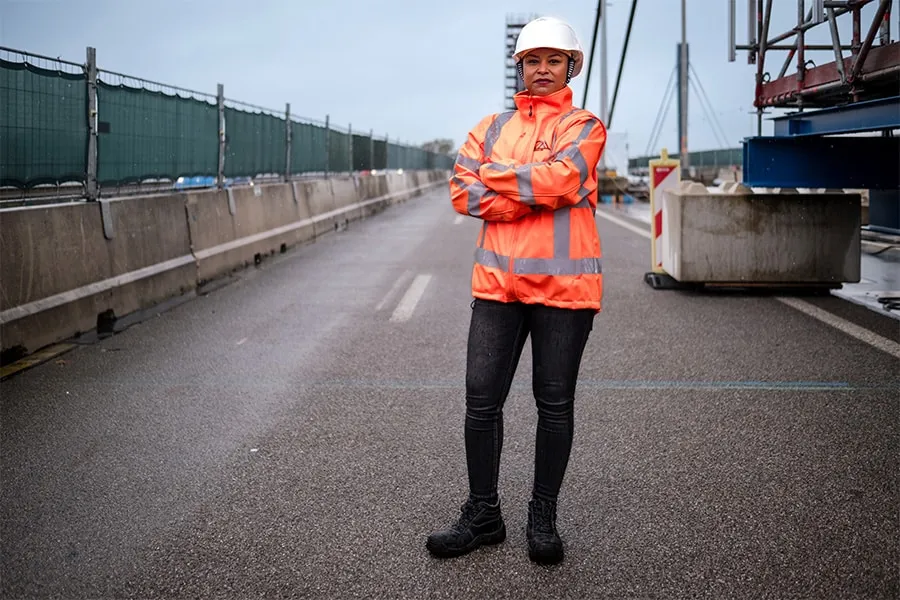
The statutory qualification framework (KS) is important and provides the foundation, but some vocational courses within it are under threat. That is a fact. “Concrete drilling and steel fixing, for example, are regular courses within the KS funded by the Ministry of Education, Culture and Science, but attract no or far too few entrants,” Henk observes. “As a result, education providers can no longer offer these courses, partly because they are too costly (ed.), so the ministry no longer funds them and they are at risk of disappearing. This is despite the sector identifying them as essential. We cannot do without steel fixers, or we would no longer be able to build bridges and viaducts, for example. The same applies to many other occupations and courses that are not included in the statutory qualification framework but are considered essential by the sector. These include wellpoint dewatering operators, drilling supervisors, mobile crane operators and asphalt paver operators. The sector is taking responsibility by investing in maintaining, developing and providing learning resources. Preparatory agreements are currently being drawn up with organisations that will deliver, develop and run these courses. It will then be up to the sector to formalise those agreements.”

Career mobility
Another area of focus within the ‘Construction & Infrastructure: attracting and retaining skilled workers’ programme is career mobility. “Every province has a contact point for both companies looking for staff and potential career changers,” Maaike explains. “This work grew out of Bouwend Nederland’s ‘van bank naar bouw’ career-change project, launched a few years ago in response to the many reorganisations in the banking sector. The idea was that people who were good with numbers could also do well in construction and infrastructure, for example as estimators. A TV format was even developed based on the project, and later incorporated into the ‘Jij gaat het maken’ campaign, aimed at both young people and career changers. We are now casting the net much wider than the banking sector. People from other sectors who are interested in construction and infrastructure and want to explore the options can contact one of the many advisers in their region. They help people with this exploration and use a range of support tools (‘building blocks’) to help career changers get started in the construction and infrastructure sector. The aim is to connect as many people as possible with suitable training and/or an employer.”
26,000 vacancies
There is plenty of work available in construction and infrastructure. “There are currently around 26,000 vacancies,” says Maaike. “An ageing workforce and too few people entering schools and training courses, as well as the wider social need to build more homes and make them more sustainable, have only widened the shortfall in recent years. The impact will become really concerning in about two or three years, when retirements gather pace. That is why we cannot start too early when it comes to motivating students and career changers to pursue a career in construction and infrastructure in every way possible.”

A lasting foundation
According to Henk, demographic trends will compel the sector to innovate. “All the more so because in future we will have to deliver more output with fewer people. This means the sector needs to start thinking now about how we can work together to address those future challenges if pressure on the labour market continues. That is why we are busy with preparatory work within the programme to get a handle on future recruitment and develop training specifically geared to the challenges and changes ahead. We have therefore decided that the ‘Construction & Infrastructure: attracting and retaining skilled workers’ programme should no longer be treated as a project. From 1 January 2025, the programme’s activities will continue under a new organisation governed by employers and employees. The programme will therefore have a lasting foundation. And we are all quite proud of that.”

Learning at your own pace
Organisations in construction and infrastructure are increasingly finding ways to work together, Maaike notes. “The ‘Jij gaat het maken’ campaign is increasingly being used as a rallying point for joint initiatives to attract potential new skilled workers. There is more and more collaboration. It is also recognised as a sector-wide initiative, launched by the sector itself. Training providers, for example, use it to attract students. We also aim to make wider use of the career mobility strand to retain people who already work in the sector and want to progress.” Henk says they need support in the form of appropriate training. “The system needs to be redesigned, with an emphasis on modularity and flexibility. Why should you have to learn things you already know? Building on existing knowledge is far more motivating. Stichting Vakbekwaamheid Gebouwde Omgeving is already doing this, offering modular vocational courses at different levels. They fall outside the statutory framework, but are recognised through NLQF classification and make a difference. Many adult entrants follow an individual training programme at their own pace.”
Tailoring training to the individual is highly motivating, Maaike observes. “People are much more inclined to take charge and actively look for work that suits them and makes them happy. And that is ultimately the goal: to attract skilled workers to this great sector and retain them.”
Question about this story? Ask your question
Keep following this
Get an email when a new story is published. No account needed.
- ThemeSafe working and skilled professionals
- SubjectPersonnel & training