Sustainable concrete variants are paving the way to a greener future
Text Chris Elbers Image V.d. Bosch Beton
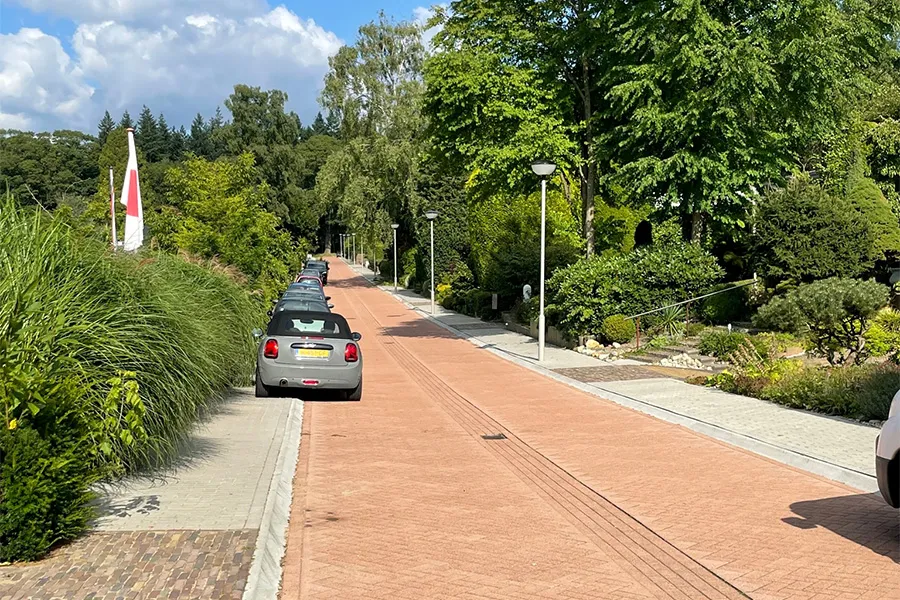
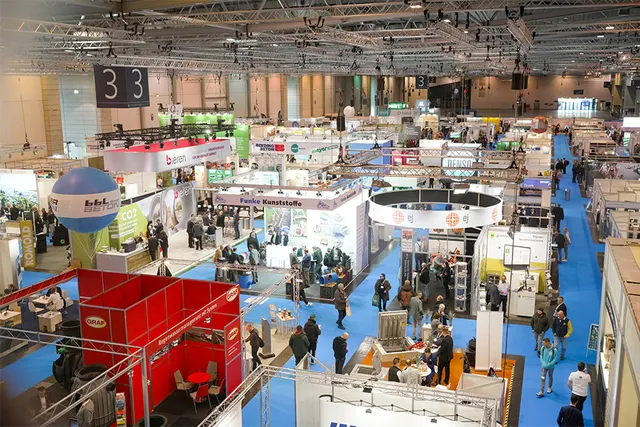
At InfraTech 2025, V.d. Bosch Beton from Almelo is presenting itself as an active driver of sustainable developments in the concrete industry. Its initiatives include Ecoton® and Reduton®, two product ranges that make a substantial contribution to reducing CO2 emissions. There is every reason to visit the stand of this specialist in high-quality, sustainable paving materials.
More than 25 years ago, V.d. Bosch succeeded in replacing a small proportion of the gravel used to manufacture paving materials with certified recycled concrete aggregate. In the years that followed, the replacement percentage steadily increased and the quality of the aggregate continued to improve. After various organisations aligned their standards over the years and the requirements for reuse were harmonised, this ultimately led to BRL K11002 for sustainable concrete. “This standard requires at least 15% of the total volume of every product to be replaced with secondary raw materials. We are well above that,” says Nils Brunink, head of external sales at V.d. Bosch Beton. “In our case, the material is recycled concrete aggregate. The name of this product group has since changed to Ecoton® Circulair Beton, a product we will be showcasing prominently at the trade fair.”
Speciality
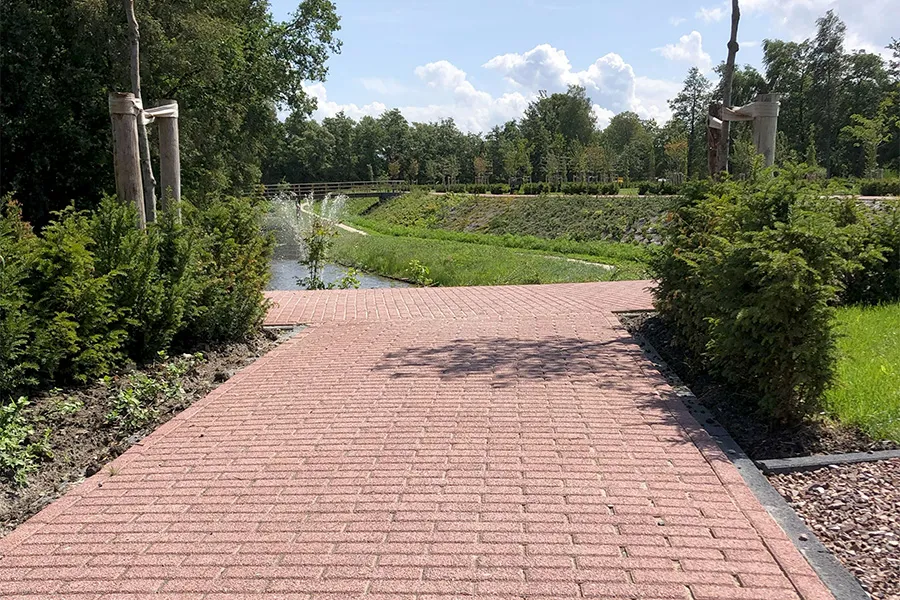
Another notable achievement by V.d. Bosch on the way to a greener future is replacing cement in concrete paving products using geopolymer technology. This process results in extremely low CO2 emissions without compromising quality or appearance. “By using recycled concrete aggregate and ECO aggregate instead of traditional gravel, and replacing some of the sand with ECO sand, we are focusing on circularity and the high-quality reuse of materials,” says Nils. The result of these efforts is versatile Reduton® cement-free concrete, a speciality of the company since 2016. At the end of its life cycle, it can be recycled and readily reused in the concrete supply chain. “Switching to geopolymer as a cement substitute has significantly reduced CO2 emissions,” Nils explains. “The Environmental Cost Indicator (MKI) score is around 50% lower than that of conventional cement-based concrete. In monetary terms, this amounts to just €10 per cubic metre.”
Een zakelijke vraag aan v.d. Bosch Beton b.v.? Get in touch
Companies in this story
Keep following this
Get an email when a new story is published. No account needed.
- ThemeLower emissions and more reuse
- SubjectInfraTech
- Companyv.d. Bosch Beton b.v.
- CompanyInfraTech
- CompanyBosch Beton