High-tech textiles for civil engineering
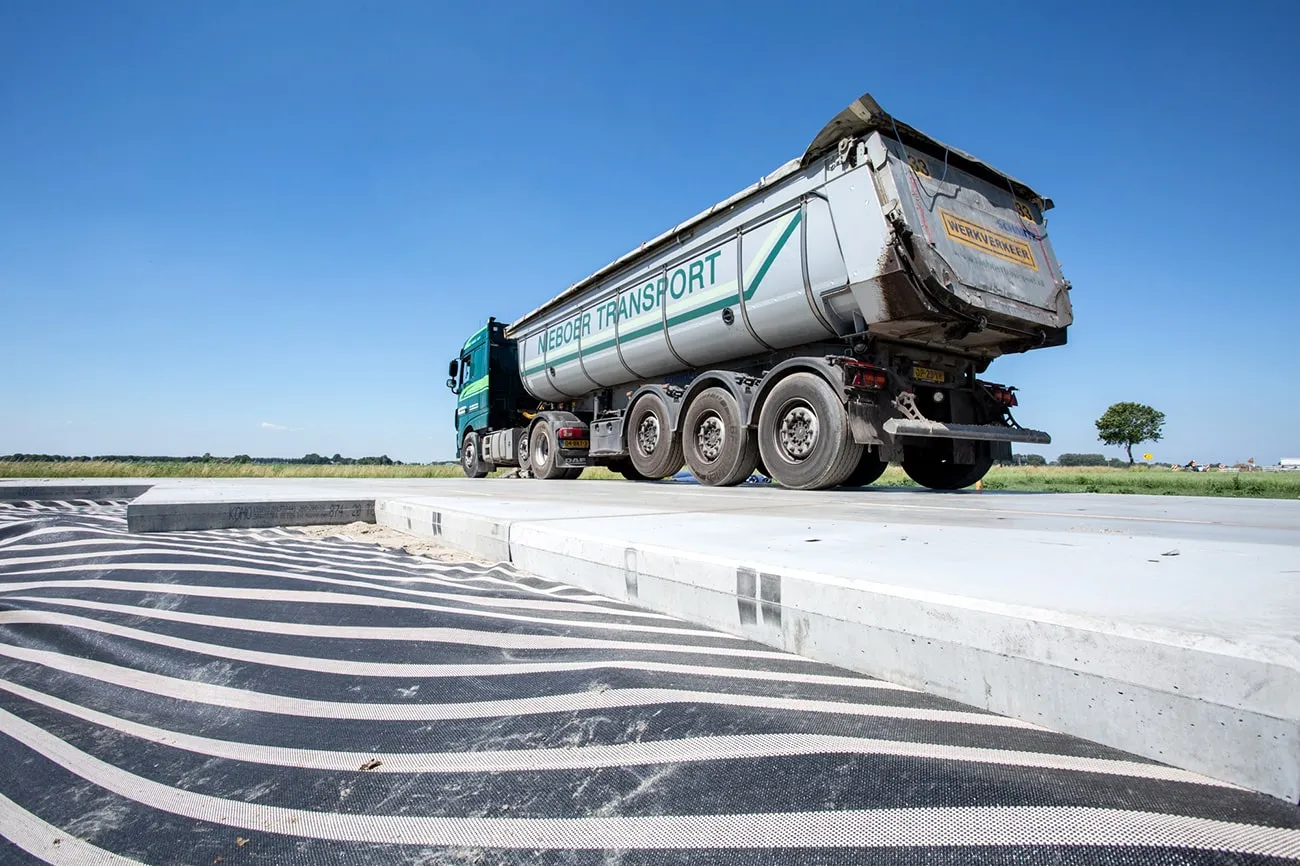
TenCate Geosynthetics has a long history. Originally established to manufacture post bags, the company has now been producing mainly technical textiles for civil engineering, agriculture and industry for more than 50 years, and acts as a knowledge partner on civil engineering tenders. TenCate Geosynthetics has been operating under the Solmax umbrella for the past three quarters of a year and, together, the companies are now the world market leader in geotextiles, liners and geocomposites.
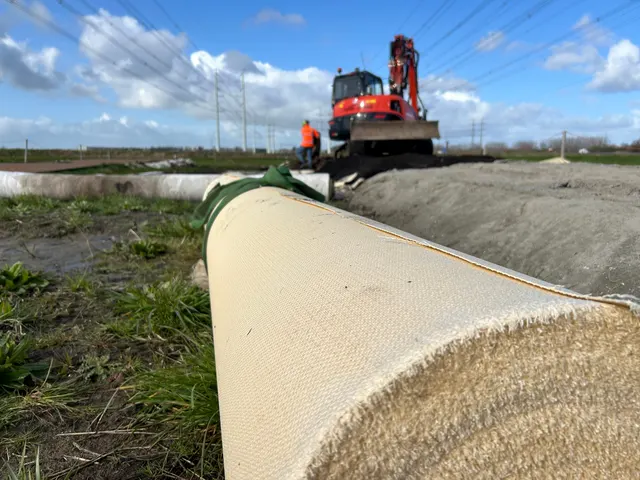
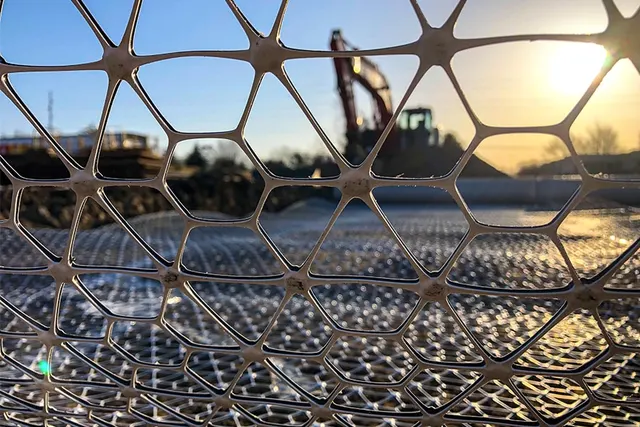
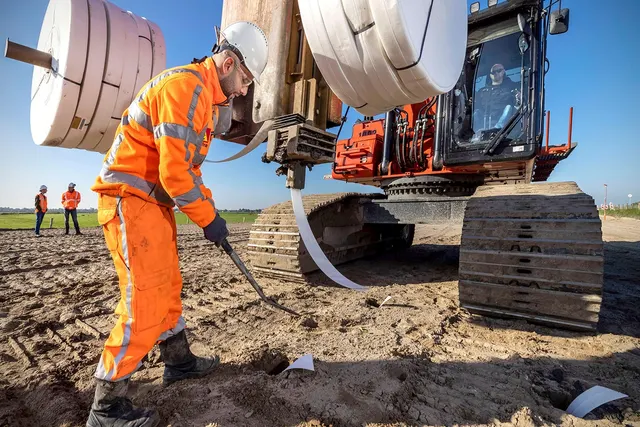
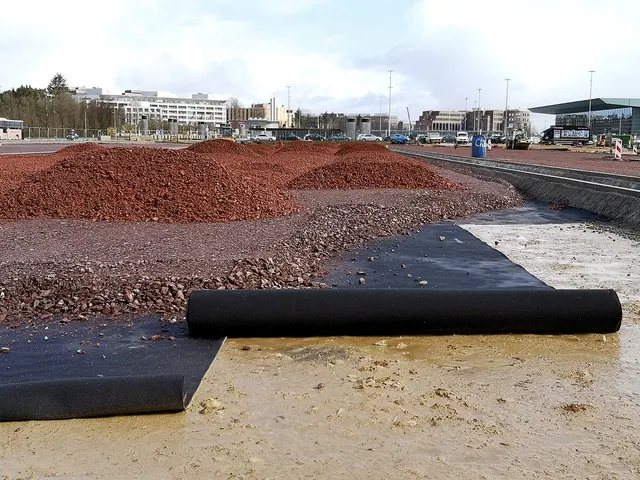
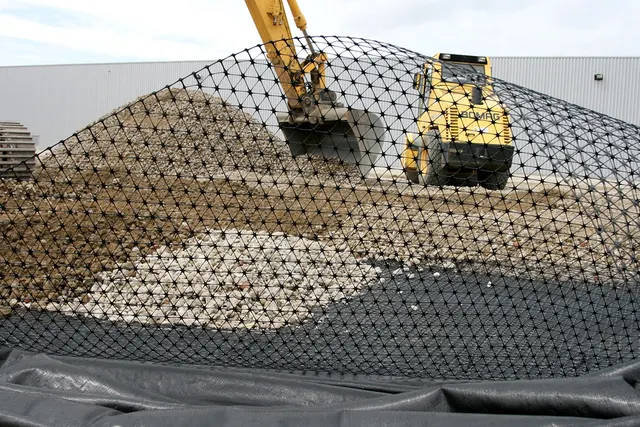
Geotechnical textiles, also known as geotextiles, offer a solution to stability problems in the ground, says Marco Hazenkamp of TenCate Geosynthetics. “Essentially, they stiffen the foundation structure, compensating for a lack of ground stability. When developing our products, we aim for high tensile strength at low strain. This stiffness means the supporting structure deforms less quickly and can therefore distribute loads more effectively. And anything that deforms more slowly has a longer service life. Geotextiles such as geogrids, woven fabrics and composites are used, among other applications, in reinforced soil structures for the abutments of civil engineering structures, as foundation reinforcement for crane platforms, for example, and as asphalt reinforcement.”
In control
TenCate Geosynthetics manufactures its technical textiles at sites on several continents around the world. Its high-tech weaving mill in Hengelo is in operation. “We make the fabrics ourselves, which means we can control every aspect of the process,” says Hazenkamp. The yarns used to make our fabrics have undergone tremendous development over the years. “We have now reached the point where we need increasingly lighter yarns to achieve a given tensile strength and stiffness. In other words, we are continually downsizing to optimise the weight of the end product in relation to its technical specification. We also see this as a step towards greater sustainability. The less raw material required to manufacture our products, the less will need to be removed when they reach the end of their service life.” ‘End of their service life’ should not be taken too literally, as technical textiles have a service life of more than 100 years. On the other hand, some projects have a duration of just 2 years.
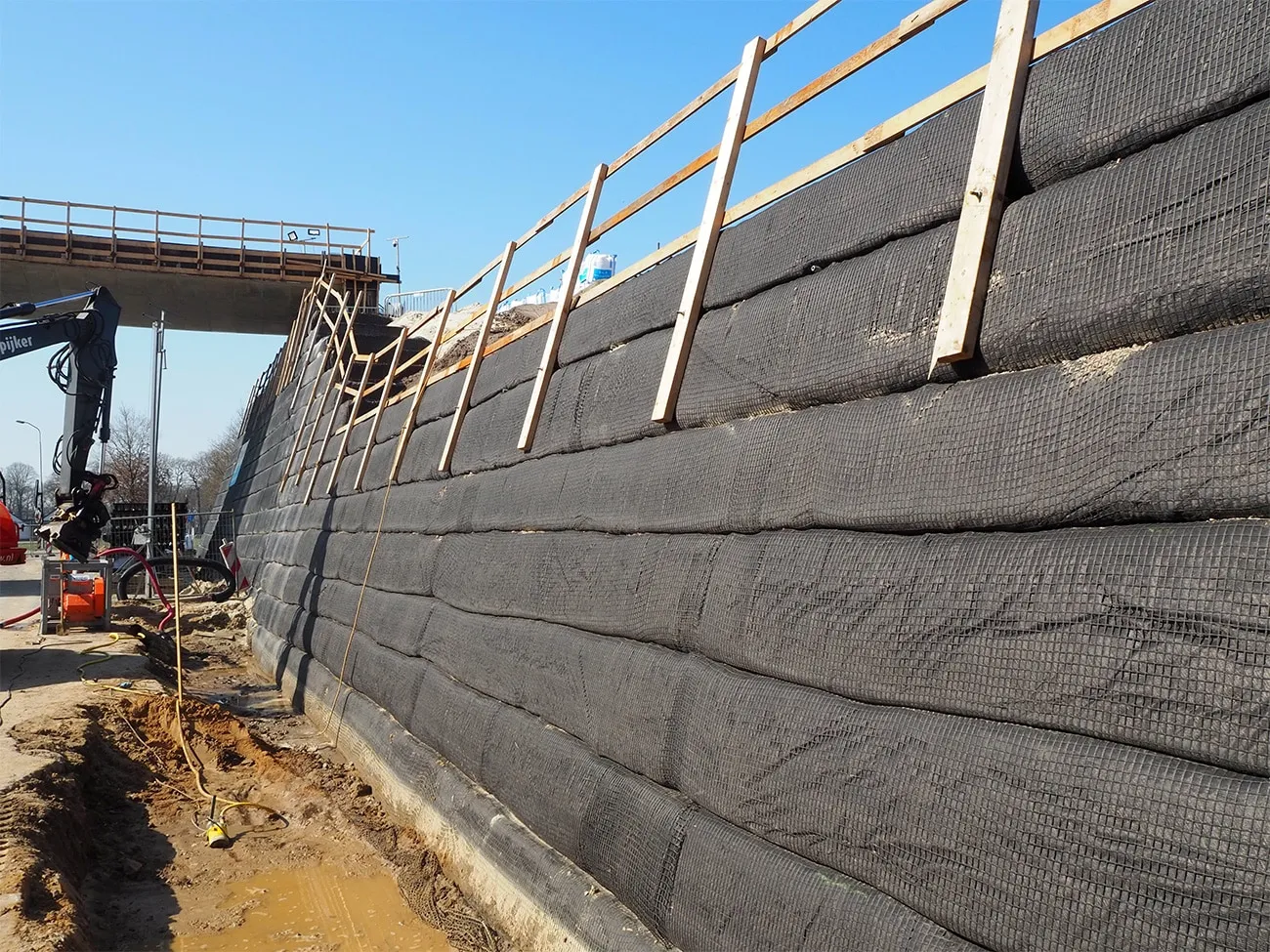
Tenders
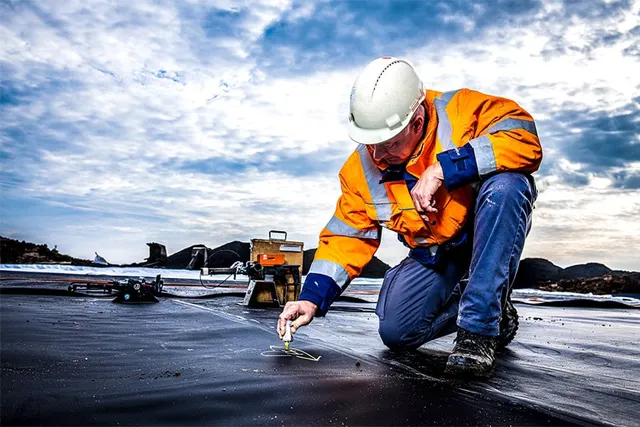
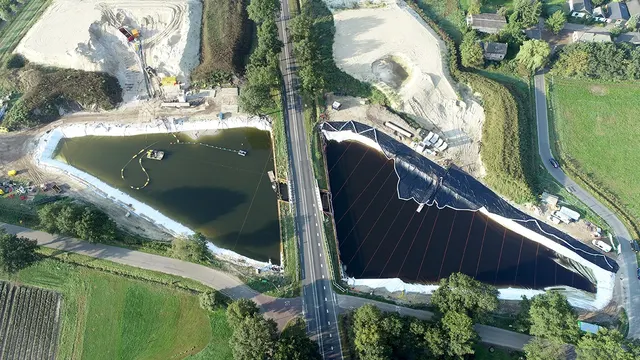
TenCate Geosynthetics has a broad product range, including woven fabrics, grids, nonwovens and composites. “We recently added Solmax’s extensive product range to our portfolio,” Hazenkamp continues. “We were already working together in some areas, but can now operate in a much more integrated way. For example, we now routinely stock Solmax’s well-known HDPE liners and drainage composites. We also support one another on projects.” Market players ask TenCate Geosynthetics to help devise solutions to, for example, geotechnical challenges. “We often arrive at a more cost-effective solution with as little impact as possible on the environment and surroundings. We also regularly produce the complete structural design for a temporary construction road, crane platform or reinforced soil structure, for example. As a manufacturer, we know exactly what our products can do and which design rules we need to meet. Close collaboration with structural engineering partners makes this possible.”
Question about this story? Ask your question
Keep following this
Get an email when a new story is published. No account needed.
- SubjectGeotextiles