Cost-effective design with geosynthetics
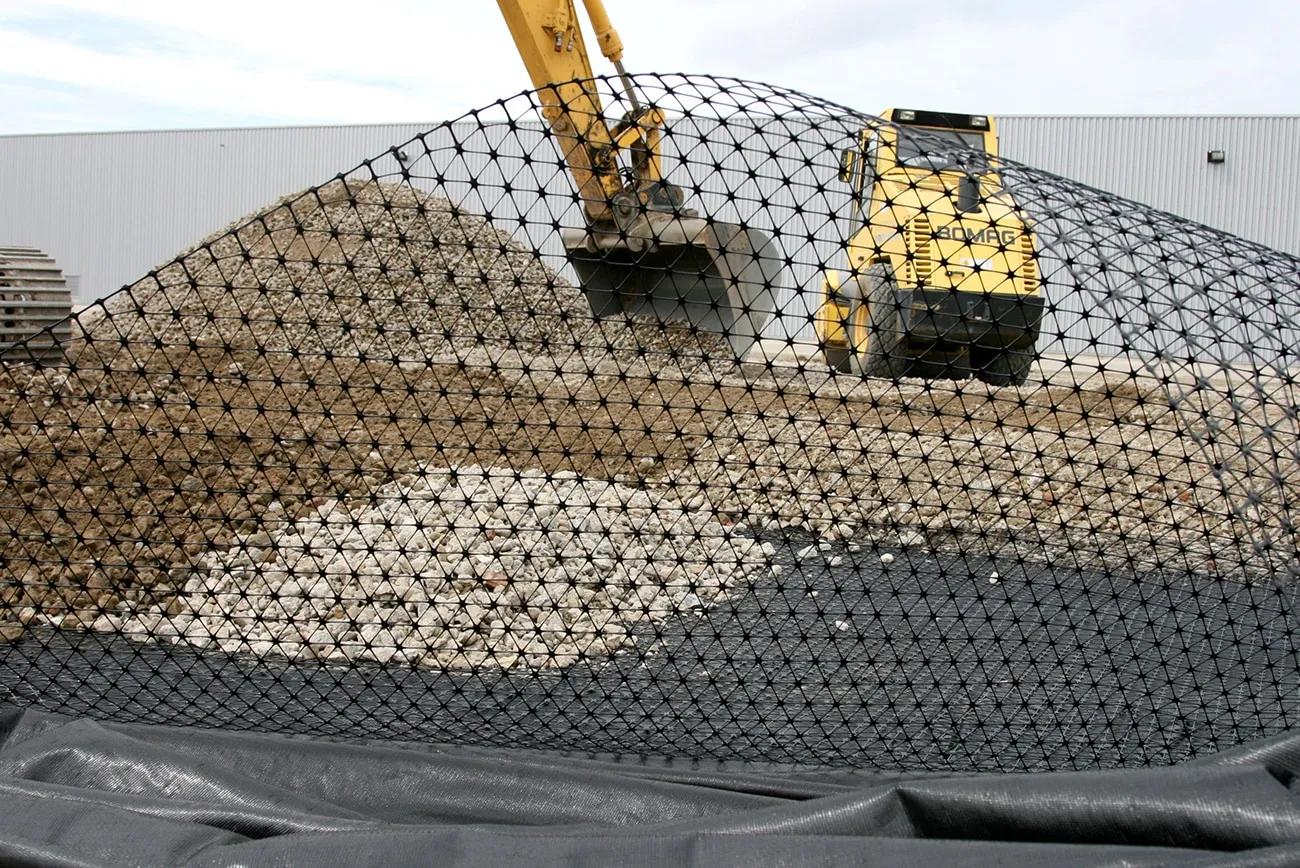
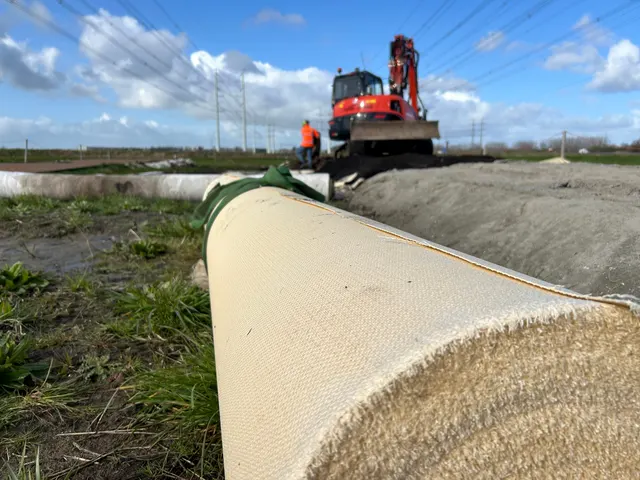
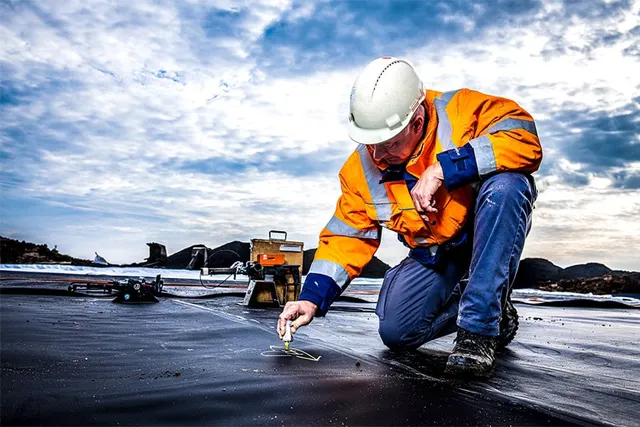
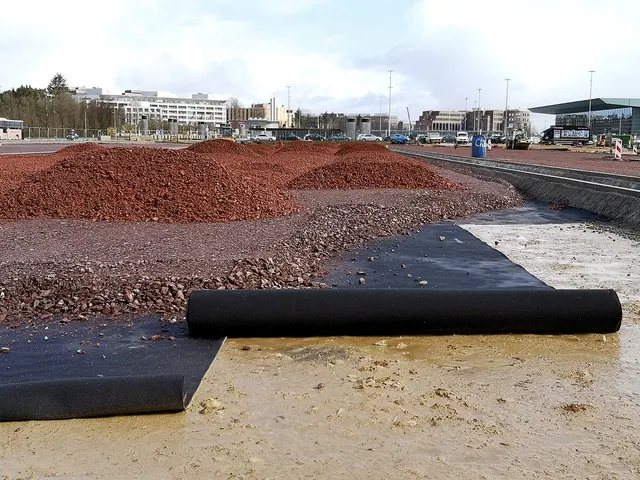
Geosynthetics remain something of an ‘outsider’ in geotechnical engineering and road construction. Their use is barely taught, even at universities of applied sciences and universities. That is a shame, because in many cases they lead to a design that is both more cost-effective and better for the environment. A lack of knowledge means that many engineering consultancies struggle to use geosynthetics in geotechnical engineering or road construction. We are helping to fill that gap. Speaking is Theo Huijbregts of Geologics, which specialises in the consultancy and design of geosynthetics for road construction, geotechnical engineering and environmental applications.
Geosynthetics in geotechnical engineering and road construction are relatively new in the Netherlands, Huijbregts acknowledges. He himself has more than 35 years’ experience in this field. “The first road construction projects were not carried out until the 1980s, whereas geotextiles have been used in hydraulic engineering for much longer. The first projects were very small, such as small retaining walls and steep slopes, to overcome the ‘fear’ of using reinforced soil structures. Once it became clear that they worked well, the method only really gained wider acceptance in the mid-1990s.” During that period, a design guideline was drawn up, which is still known as CUR 198 and was updated a few years ago to a second revised edition.
Structures
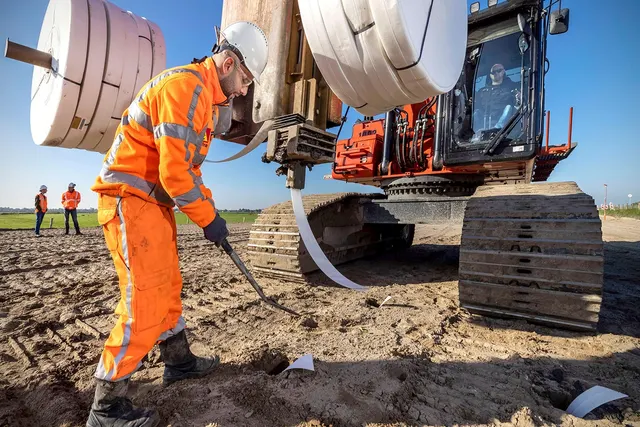
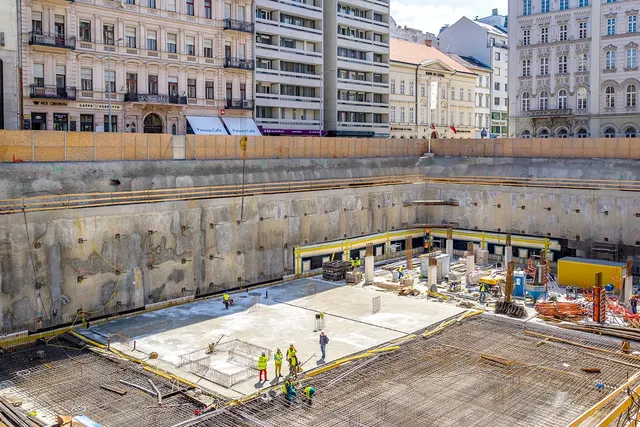
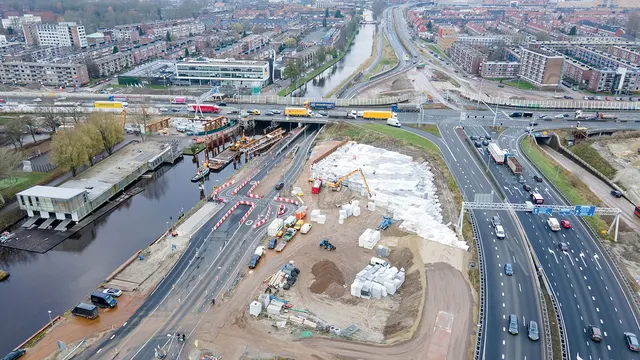
According to Huijbregts, the change to procurement rules around the turn of the century was the main driver behind the large-scale use of reinforced soil structures. “Traditionally, specifications prescribed the solutions in detail, whereas under the Design & Build approach, the market is left to determine the design, albeit subject to a number of high-level requirements. From then on, large structures were also designed using reinforced soil. It is, after all, a much more favourable solution, both economically and environmentally. Our first major project was the sunken tunnel section on the A73 near Tegelen. This was a large, D&C-style project involving two 1-kilometre-long reinforced soil walls. Since then, reinforced soil structures have been considered for all major junction projects, and used in eight out of ten cases. The most recent projects we have contributed to include the Ringweg Groningen, retaining walls for the Ooijen-Wanssum area development and Joure interchange, and the A15/A16. We are now carrying out calculations for various parties on the A9 section between Badhoevedorp and Hoofddorp.”
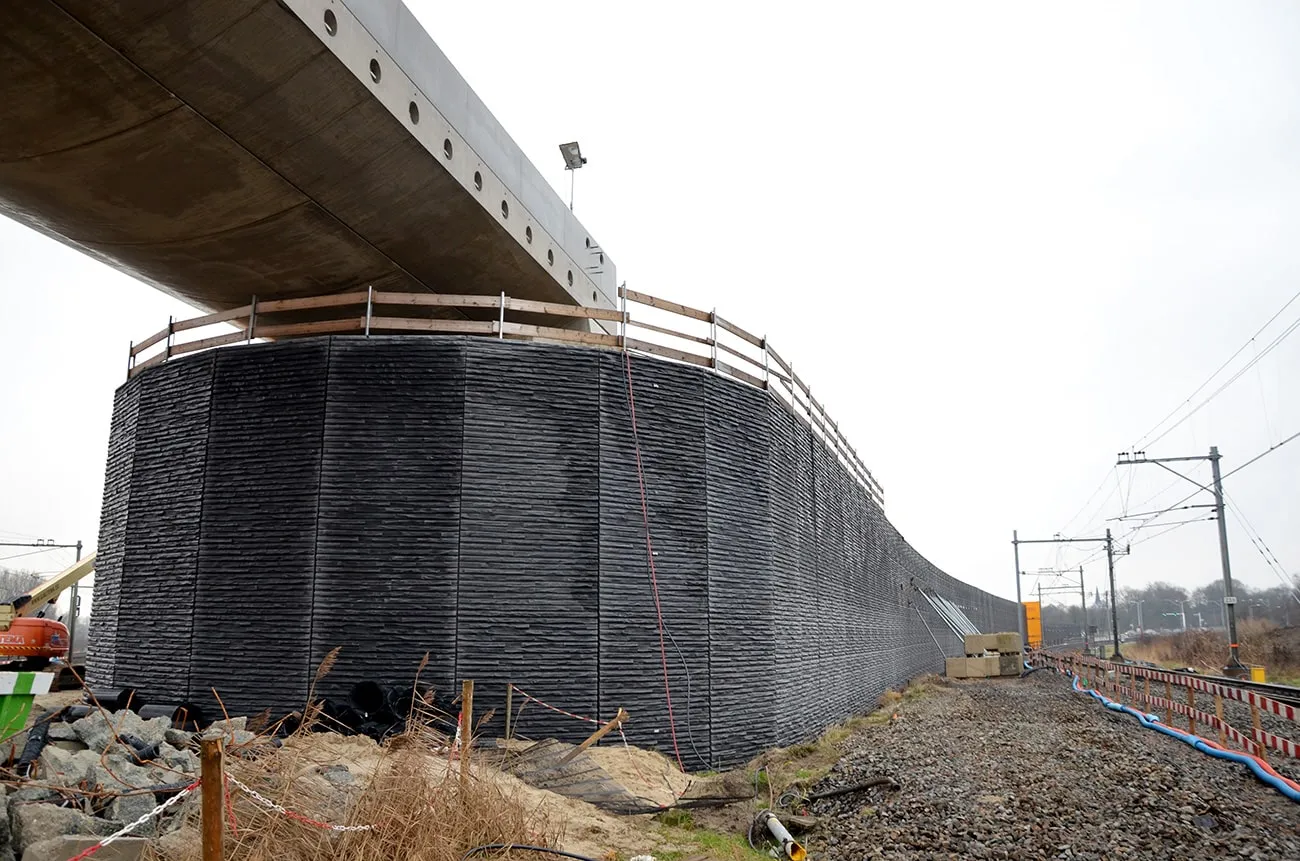
Wind farms
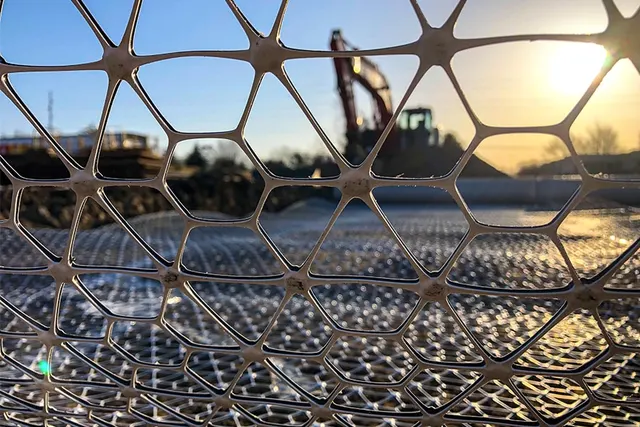
As well as stabilising structures, reinforced soil is ideal for wind farms, particularly crane hardstandings and temporary construction roads. “These projects are generally built in areas with poor bearing capacity,” says Huijbregts. “At the same time, turbines are getting taller, with hub heights of up to 135 metres. This means the cranes used are also getting taller and heavier, and these high loads need to be transferred safely. Geosynthetics provide a relatively straightforward solution, including for all the construction roads leading to the hardstandings. Our first project of this kind was Windpark Noordoostpolder near Urk. Drawing on experience from an earlier project in Asia, we proposed an alternative to a piled structure: a reinforced soil structure with geocells, now called Stratum®. It was more or less the only solution that met the requirements of the permit. The design was subsequently verified and approved by two engineering consultancies. That was our starting point.”
Since the wind farm in the Noordoostpolder, Geologics has engineered numerous other wind farms, including Windpark Wieringermeer, with 100 turbines. Huijbregts says: “The contractor hired us to develop a ‘fit for purpose’ solution each time. Soil investigations determined which option was most suitable. Soil conditions vary greatly across the Netherlands. At this wind farm, we used geosynthetics in several different applications, including a cellular structure and geogrid layers at other locations. Geosynthetics are also ideal for stabilising roads so that extremely heavy loads can be transferred to soft ground. We have decades of experience, a broad network and work with all suppliers, enabling us to make the best use of product properties to achieve the most cost-effective and environmentally sound solution.”
Question about this story? Ask your question
Keep following this
Get an email when a new story is published. No account needed.
- ThemeMaterials and techniques for infrastructure
- SubjectGeotextiles