‘Working smart with data is the future of sustainable infrastructure’

Sustainable and efficient working is becoming increasingly important in infrastructure. Reusing materials, such as concrete beams on the A9 project, is a positive development. But we can go a step further by making smart use of geo-data: as well as reusing data, we can use it to apply artificial intelligence (AI) and divide areas into sections with similar characteristics. At Fugro, we call the latter smart sectioning.
Plenty of data available
The Netherlands has collected a wealth of data on the subsurface. This data comes from public databases such as the Key Register of the Subsurface and TNO’s DINOloket. We can reuse this information to work more efficiently and sustainably.
Reusing data has two advantages. It reduces the need for new field surveys, saving time and money. Combining existing data with AI also allows us to make faster assessments of the condition of the subsurface and infrastructure. This leads to better advice and less unnecessary work.
Smart sectioning: dividing areas intelligently
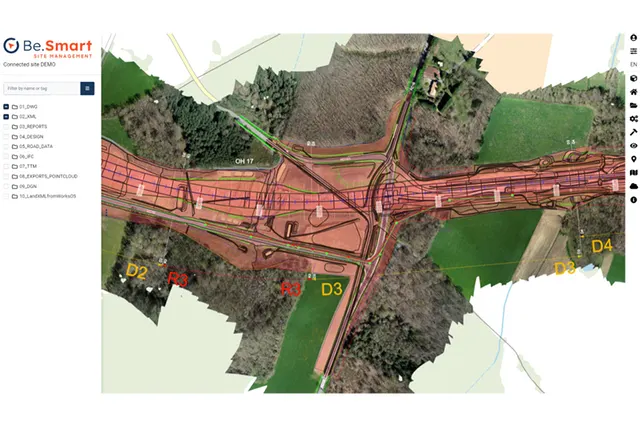
With smart sectioning, we divide an area into sections with similar characteristics, such as areas with a high clay content or a high groundwater level. Using AI to analyse these sections enables us to identify and resolve problems more quickly.
This is similar to medical research, where doctors study groups of patients with the same symptoms to draw general conclusions. In infrastructure, this means, for example, that we can compare all road sections with a peat subsoil to provide better advice on how to resolve problems. We act as ‘doctors’, combining information on different infrastructure components to build a complete picture. Linking data based on knowledge and expertise of how a structure behaves makes it easier to analyse the causes of problems and diagnose the structure’s condition.
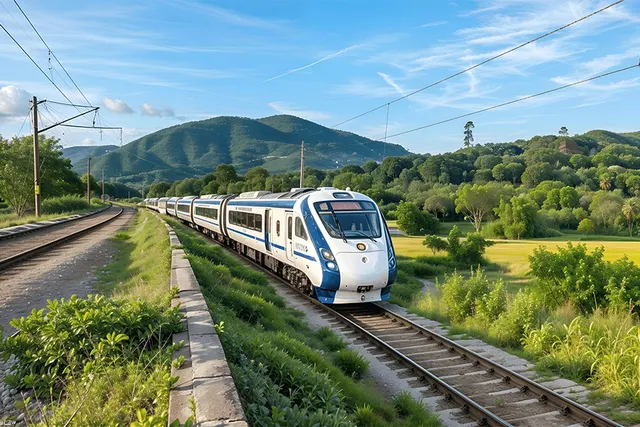
This approach also works for bridges, locks and railways. At ProRail, Fugro analysed similar sections to predict where problems might arise. It also identified possible causes of slope instability along various routes. Fugro did this by combining data on the subsurface, railway and surrounding area in terms of hydrology and climate. Combining these data will help ProRail take timely, informed action.
Reusing materials and foundations can be made even more sustainable through geo-data and smart sectioning. By reusing existing data and combining it with AI analyses for each section, we can better determine whether existing components can be used again. This means less waste and a reduced need for new materials.
A business enquiry for Fugro? Get in touch
Companies in this story

Keep following this
Get an email when a new story is published. No account needed.
- ThemeLower emissions and more reuse
- SubjectDigitalisation & software
- CompanyFugro