Smart functionality in estimating software calculates a project’s expected CO2 emissions
Every infrastructure company is now familiar with the CO2 Performance Ladder and the benefits that a good rating can bring in tenders. But how can you substantiate your estimate of a project’s emissions and demonstrate the actual figure afterwards? BouwInfosys has developed smart functionality to help.
CO2 Performance Ladder
Arno Berwers of BouwInfosys notes that an increasing number of infrastructure companies are working with the CO2 Performance Ladder. “It is a system with five levels, designed ultimately to encourage companies to reduce their emissions. Sustained reductions in CO2 emissions result in a higher position on the CO2 Ladder. In tenders, it is becoming increasingly important to demonstrate that you can deliver a project sustainably and with the lowest possible CO2 emissions. Having the information recorded in a structured way in a system is a great help.”
Focus on plant and equipment
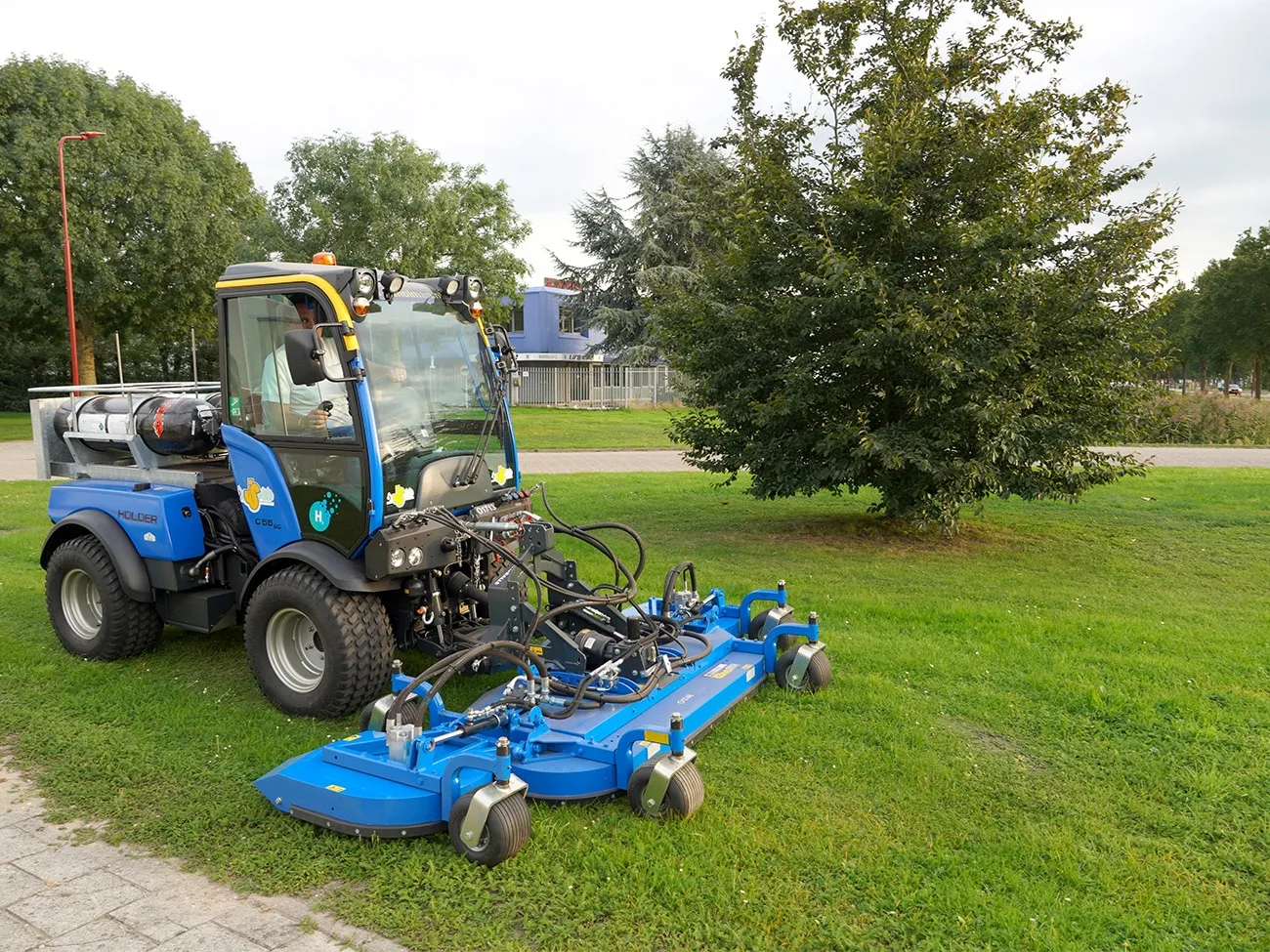
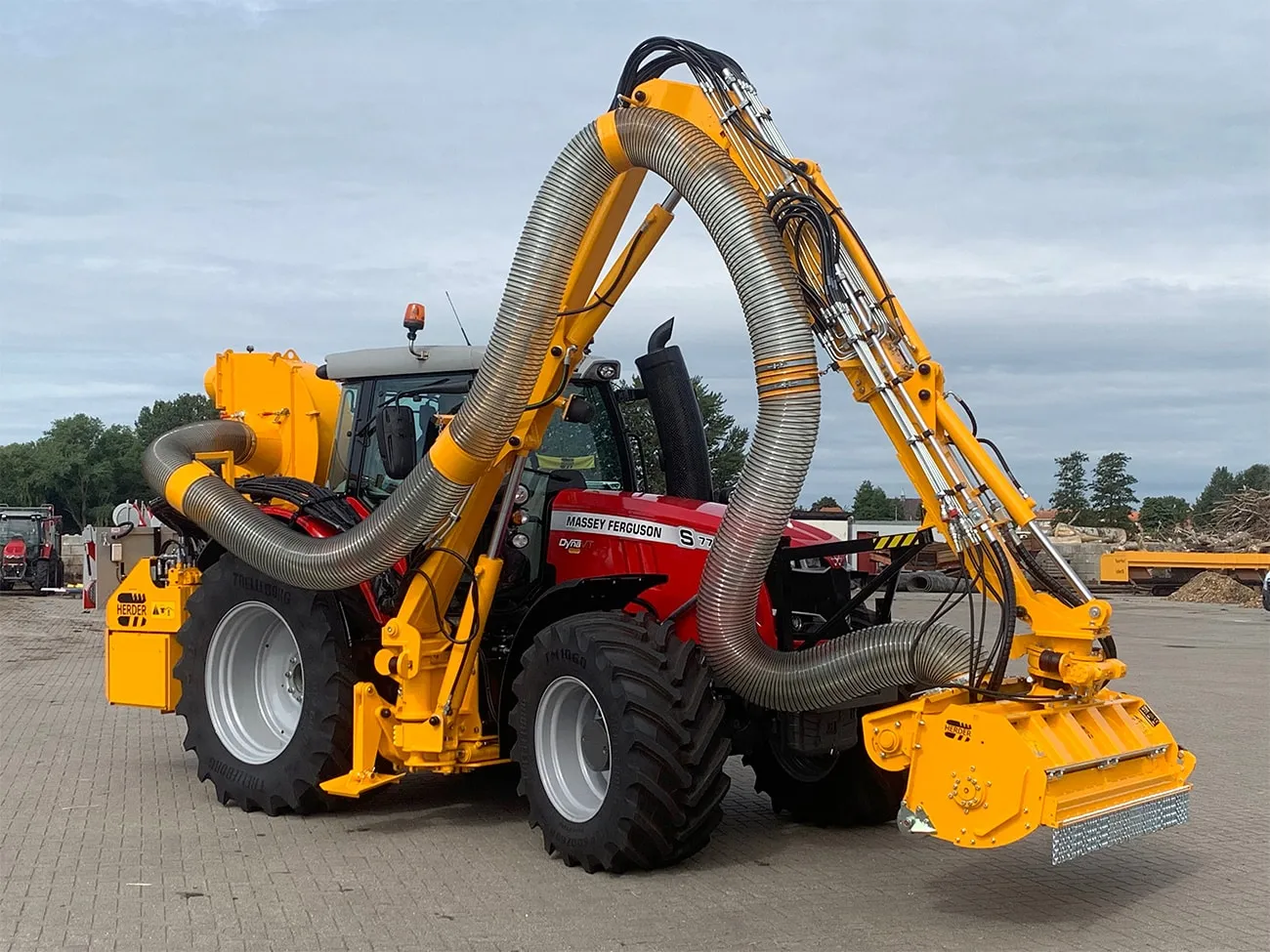
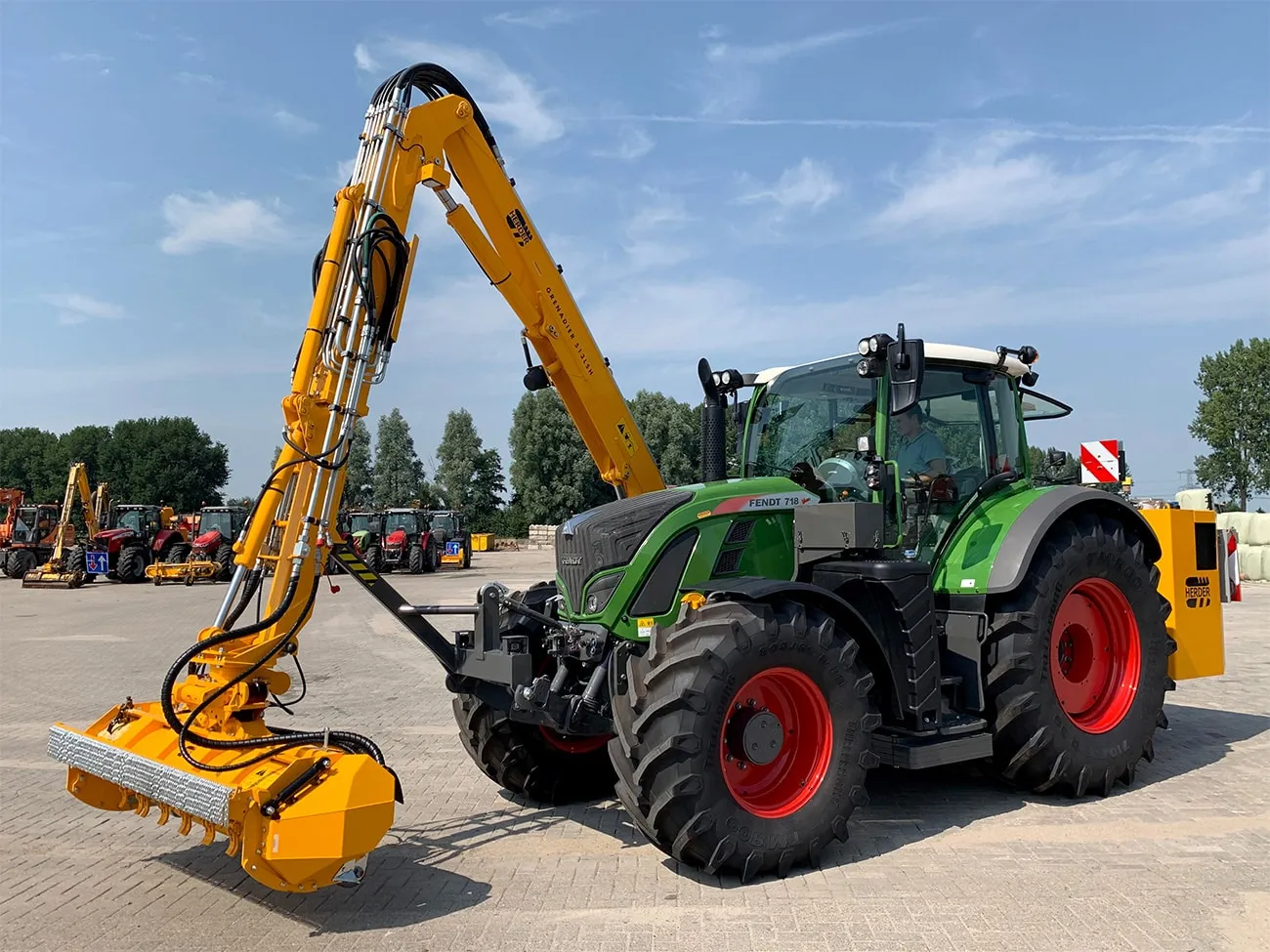
“For infrastructure companies, it is often their own plant and equipment, as well as hired-in equipment, whose expected emissions need to be mapped for a project. Manufacturers specify the nominal emissions for each item of equipment and fuel type. Recording the specifications of the different items of equipment is therefore essential to preparing an accurate estimate for use in a tender,” says Berwers.
Estimating CO2 emissions
“As a leading supplier of ERP solutions for civil engineering and infrastructure, BouwInfosys works continuously with users to develop new functionality. In response to demand for a solution to estimate CO2 emissions, we have developed functionality within our existing infrastructure estimating software to calculate a project’s expected emissions. This enables contractors to include CO2 emissions in their tenders without any additional effort.
Estimating module
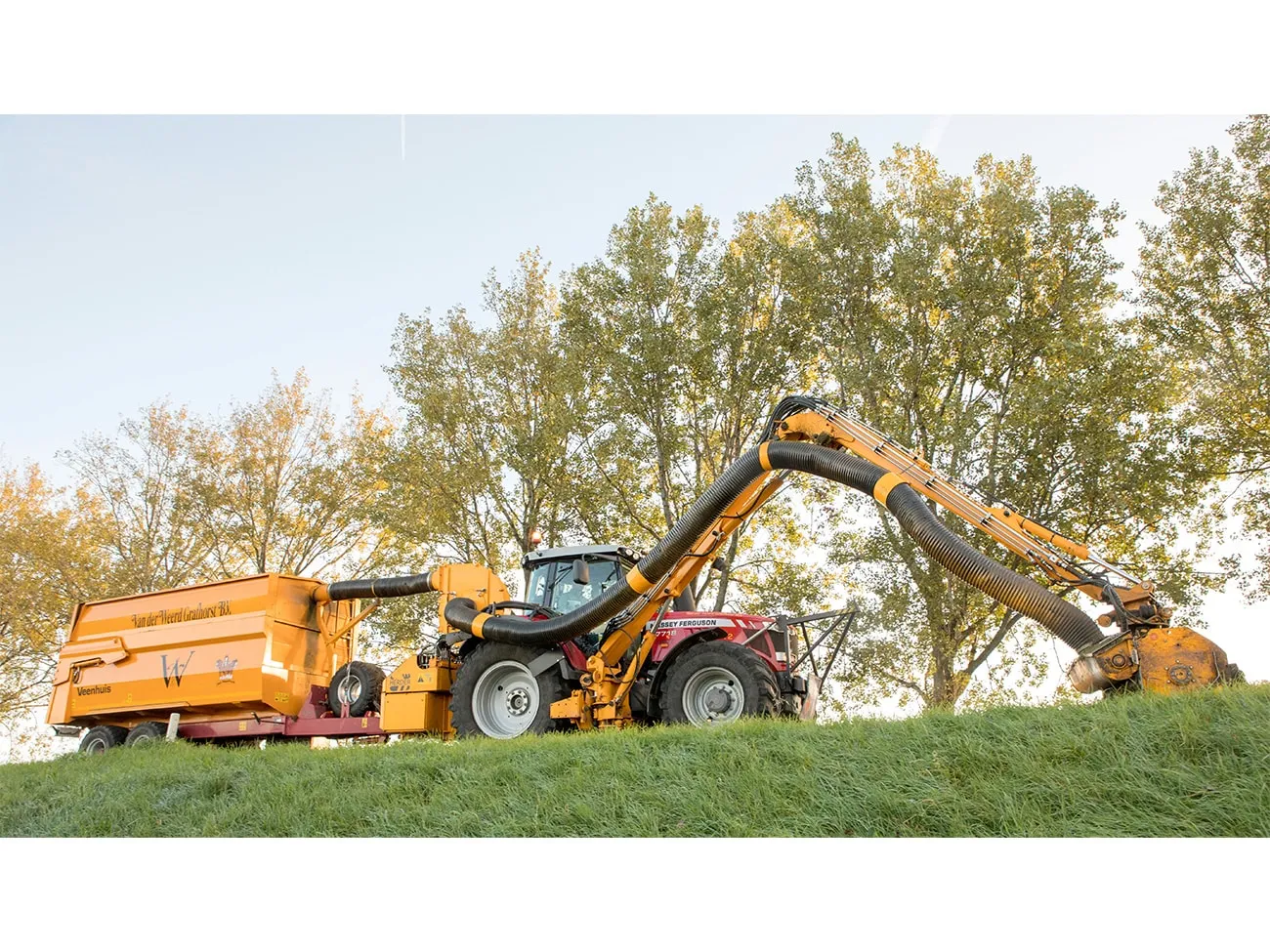
The estimating module is part of the overall ERP solution, making it possible to calculate expected CO2 and NOx emissions based on known data for each item of equipment. For example, you enter the equipment needed for a project in the estimate, such as a shovel or crawler excavator. The CO2 emissions are then calculated in the background, with a breakdown by fuel type. If low emissions are a priority, you can estimate using the equipment with the lowest emissions and opt for blue diesel.”
Efficient and reliable
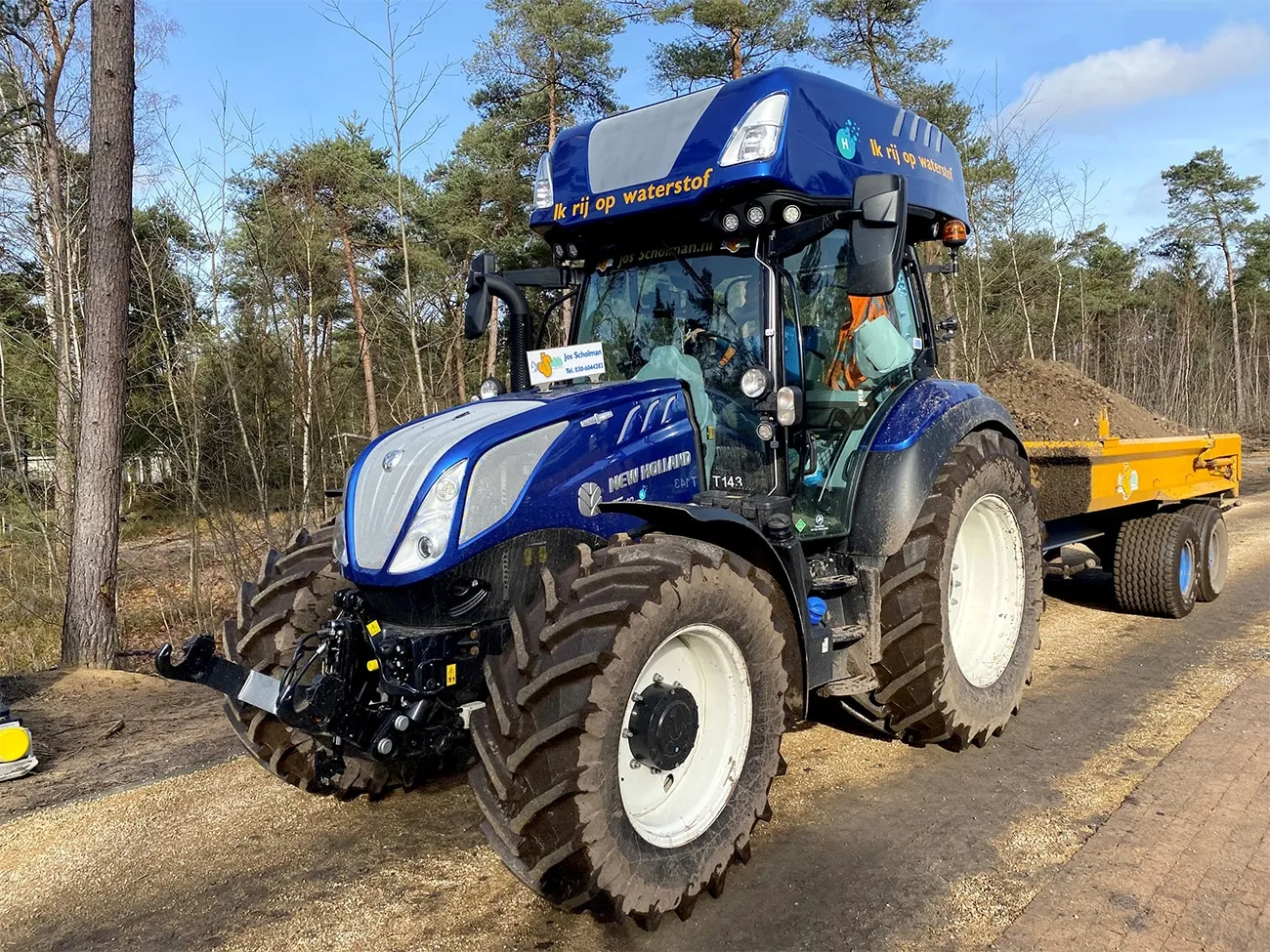
“As mentioned, it is becoming increasingly important to be able to demonstrate the actual emissions from the work afterwards. To make that process more accurate and realistic, you need to be able to retrieve the data automatically from a single system,” says Berwers. “The data used at the estimating stage can later be compared with actual emissions, based on operating hours and fuel type. Efficient and reliable.”
The major benefits of a truly integrated ERP solution for civil engineering and infrastructure companies are becoming increasingly clear, as is the added value of BouwInfosys. To find out more about this approach and BouwInfosys’s solutions for the infrastructure sector, visit www.bouwinfosys.nl or call 088-2444600.
A business enquiry for BouwInfosys BV? Get in touch
Companies in this story

Keep following this
Get an email when a new story is published. No account needed.
- ThemeLower emissions and more reuse
- SubjectDigitalisation & software
- CompanyBouwInfosys BV