Sharper infrastructure performance starts with database-backed insight
Text Chris ElbersImage CloudPiling
Cost-saving and environmentally friendly
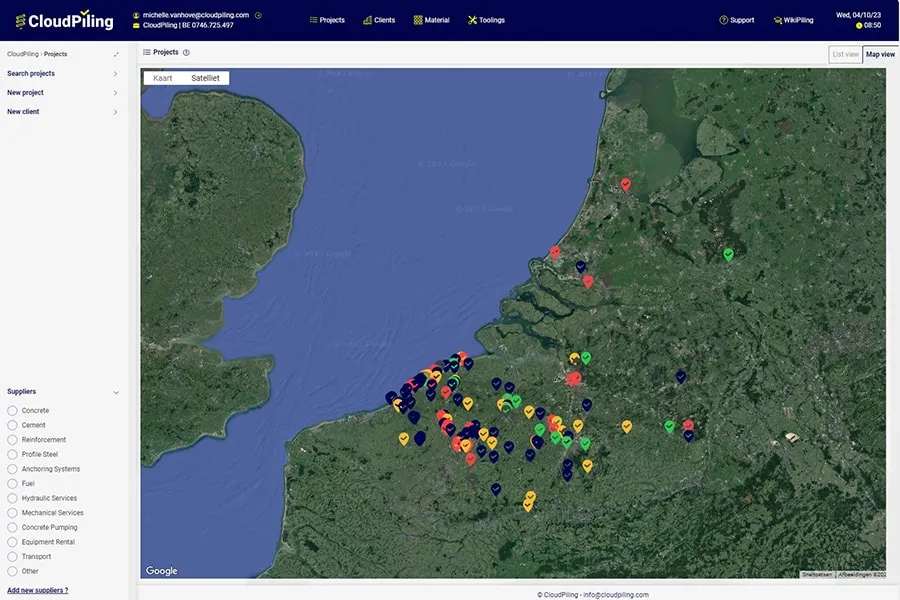
In the first 2023 edition of GWW, we introduced CloudPiling, the software developer operating out of Bruges, Belgium. With its eponymous software package, the company provides a complete platform for calculating piled foundations, retaining walls and anchors, among other things, quickly and more efficiently. The information obtained is useful not only during the underground work itself, but also when additional infrastructure works are carried out around the site at a later stage. A welcome added benefit.
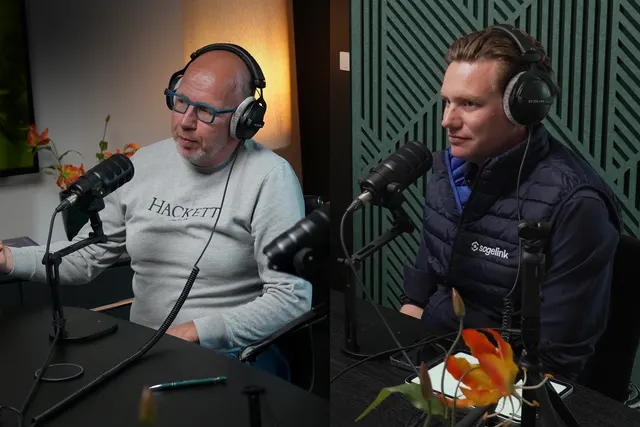
Michelle Vanhove and Thomas Zwaenepoel, the faces of CloudPiling, know more than just software. They also have a clear understanding of the market in which they operate, particularly its needs and current developments. “Recently, there have been growing calls, particularly in the Netherlands, for data on underground structures, foundations and flood defences to be recorded centrally and made accessible to market players,” says Thomas. “One suggestion we hear often is to do this through some kind of government registration platform. We think the first idea is excellent, but the second is definitely not a good plan. Quite simply, we believe that the design software used for these applications should have mandatory, fully-fledged database support. That way, all the data will continue to be collected and will be available when infrastructure works are carried out near the object in question.”
More transparency, fewer assumptions
Being able to review the information quickly and easily whenever needed, without placing an additional administrative burden on the industry. This is the core of the argument put forward by the faces of CloudPiling. And it is all possible with the cloud-based software solution they have developed, for all foundation work ever carried out or yet to be carried out at a site. “In practice, there is often too much guesswork about which foundation techniques were used at the time,” Michelle explains. “If you could map this precisely for every project, rather than relying on chance, you could design more precisely, or, better still, only for what is strictly necessary, and make fewer assumptions. The benefits translate into substantial savings on labour, concrete and steel. And, just as importantly, the reduced CO2 footprint is also good for the environment.”
No data = overdesign and therefore unnecessary costs
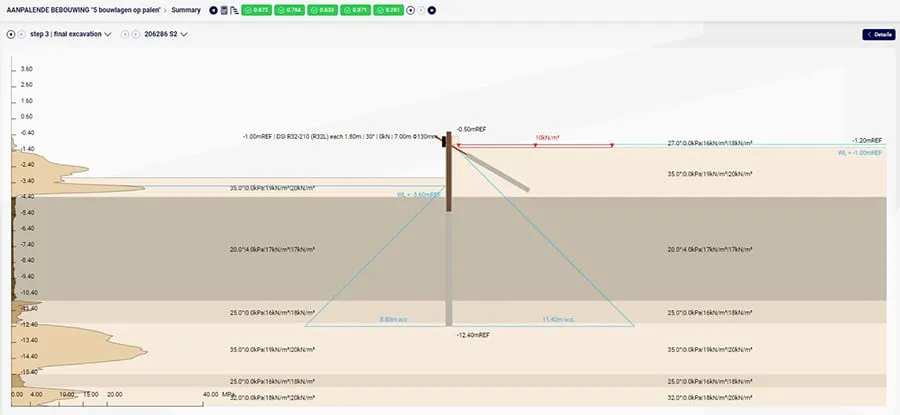
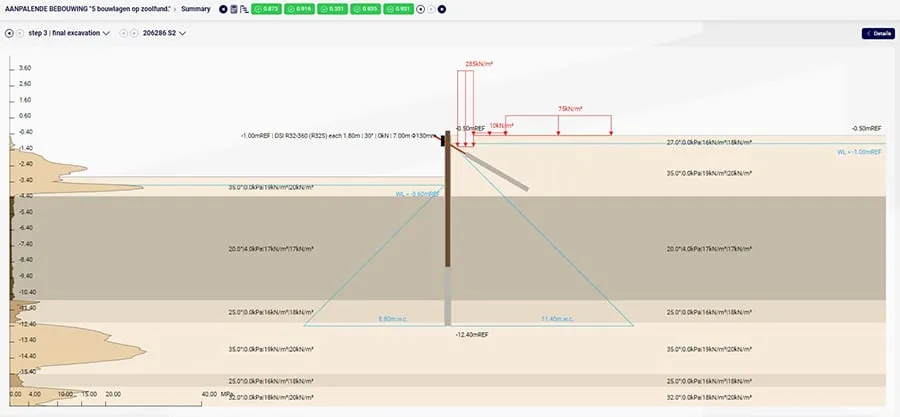
The project CloudPiling carried out in Ostend shows just how costly the lack of complete cloud-based data on a building’s foundations can be. In this case, the client wanted to build an apartment block with an underground car park next to a five-storey apartment block. The question was whether the existing building was supported on piles or on shallow foundations. “Nobody had this information,” says Thomas. “So we produced designs for both possible scenarios. The client did not want to take any risks, and there was no cloud database at the time, so ultimately they chose the more expensive option. Bad for their wallet and for our planet.”
Geotechniekdag Amersfoort
CloudPiling, one of the last three finalists for the Cobouw Award Digitalisering, will also be attending Geotechniekdag, organised every two years by the KIVI Geotechniek section. Everyone is welcome to visit the stand at De Flint in Amersfoort on Thursday 16 November. If you have a question in advance, please feel free to contact Michelle Vanhove.
Question about this story? Ask your question
Keep following this
Get an email when a new story is published. No account needed.
- ThemeUnderground construction
- SubjectDigitalisation & software