New control and automation systems for 16 bridges and locks in Flevoland
Standardisation makes the system manageable and scalable
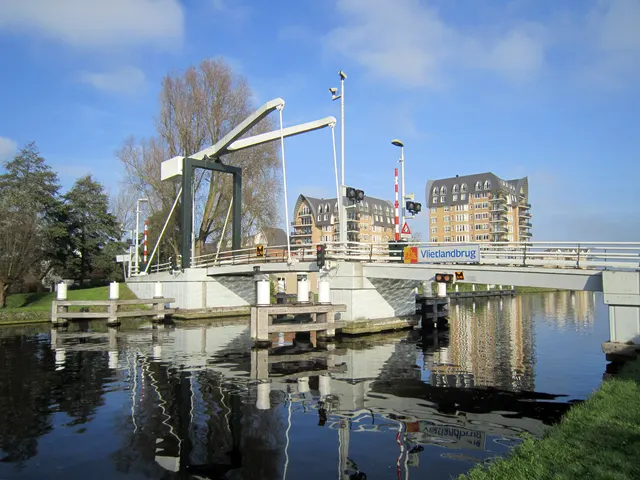
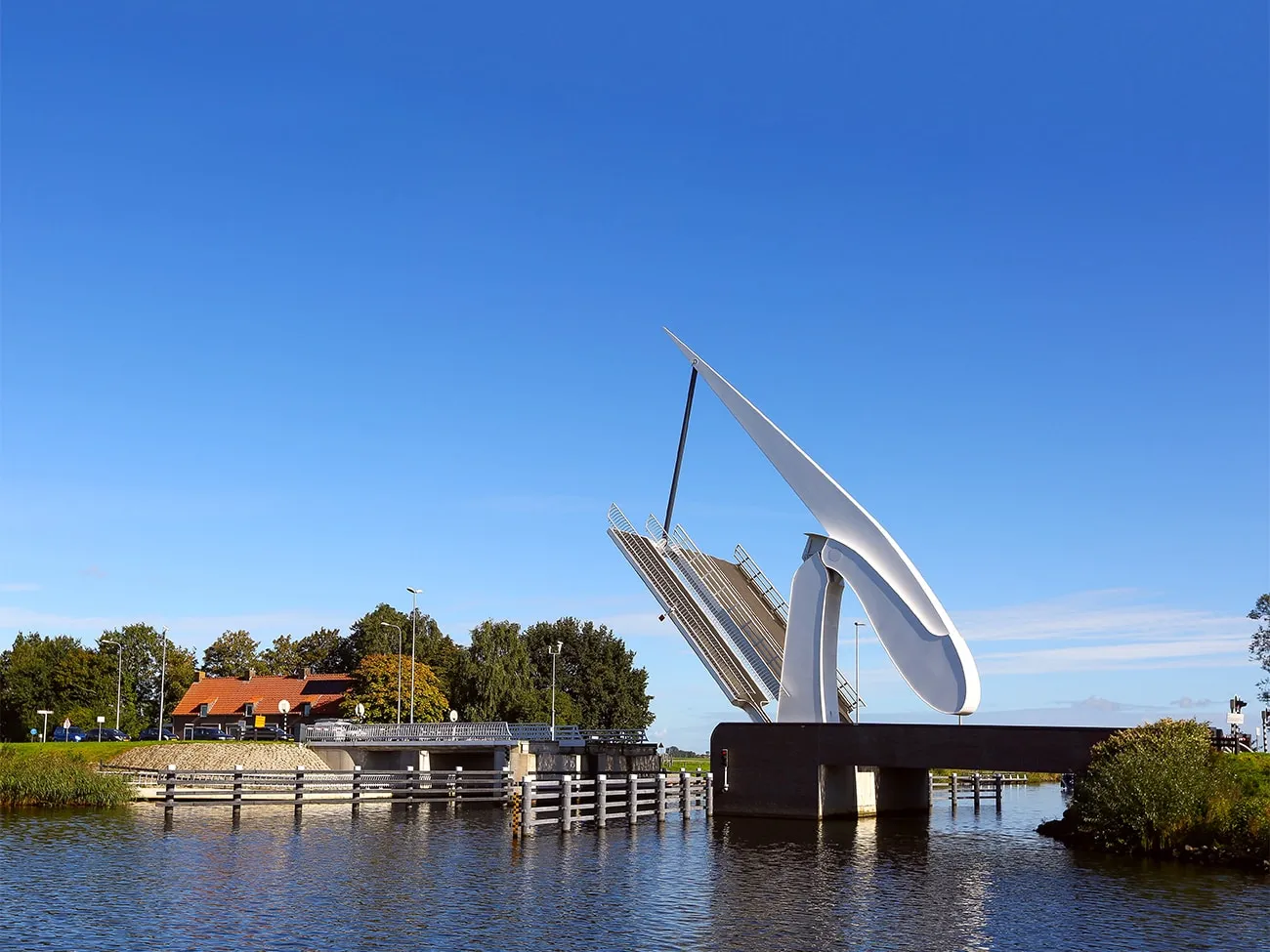
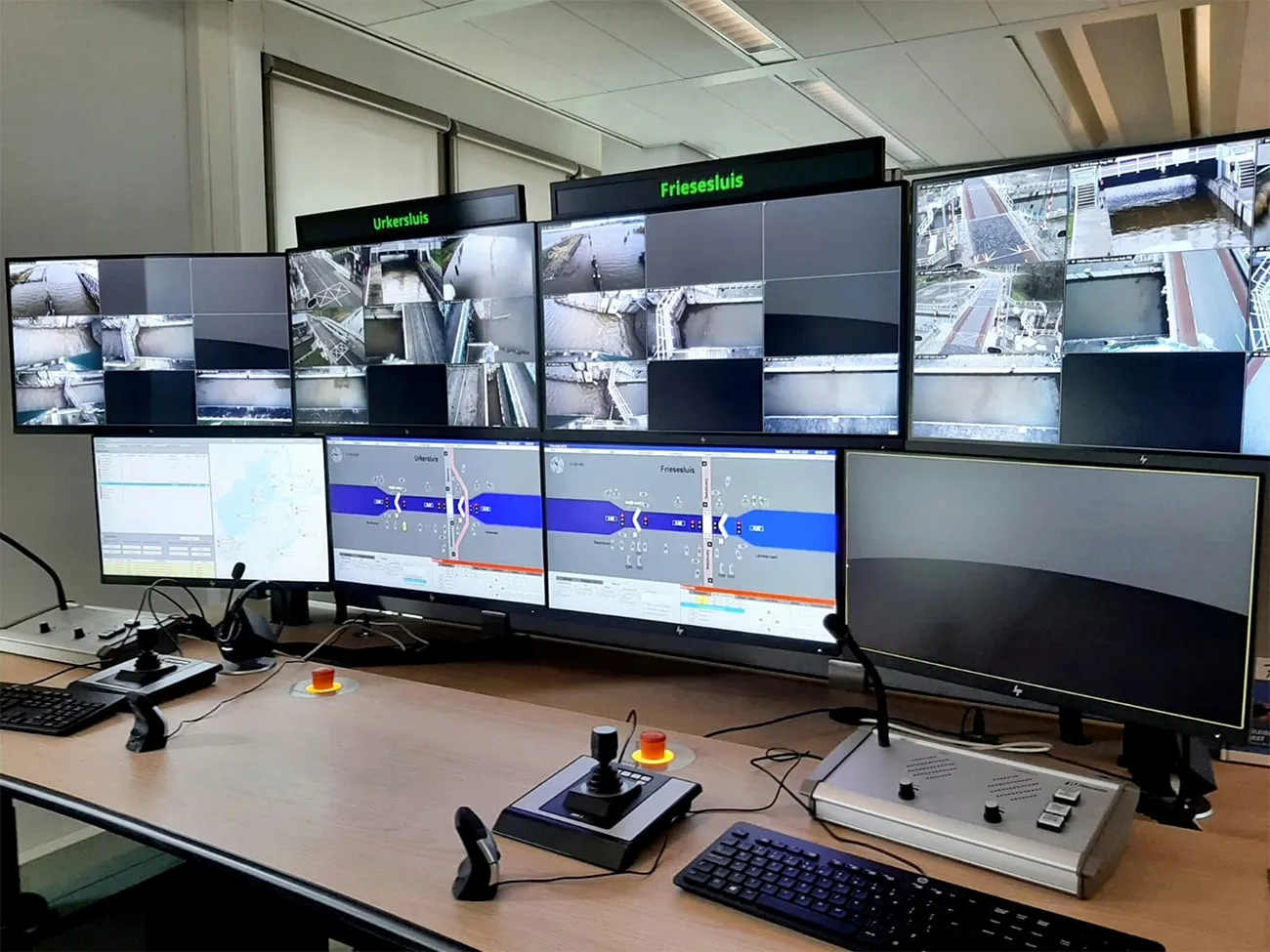
Flevoland province has 16 navigational structures that need to be fitted with new automation systems. These include bridges, locks and combinations of the two. They must all be operable from a single control centre, located in the provincial offices in Lelystad. The main challenge is that the technology differs from one structure to another. Yet they must all be operated in the same way. In other words, the automation systems need to be standardised. Croonwolter&dros has the expertise and experience to help Flevoland province find a solution. Together with Hollandia Services, as the VOF Triple-B, they won the contract. We speak to Paul Schaap, project manager, and Matthijs Janse, lead engineer, both of whom work for Croonwolter&dros.
Generic design
“Drawing on the combined expertise of Croonwolter&dros and Hollandia Services, we put forward a proposal based on a generic design for all the navigational structures,” Schaap begins. “This generic design extends into the structures themselves. At a later stage, software will be developed for each structure, with specific features to suit the individual lock or bridge. The software will provide all the functionality needed to operate and monitor each structure, while also integrating seamlessly with the ‘generic digital building blocks’ we have developed. In other words, operators will have a standardised control dashboard and won’t notice any of the technical differences between the navigational structures.” Through its experience and innovative approach, Croonwolter&dros has built up the expertise to guide the client through every stage of the process. “That gives the client peace of mind. They can see that we are working to meet their needs, and give us the freedom to come up with solutions. We then work together to find the best one. This kind of collaboration is only possible when there is trust. We have earned that trust from Flevoland province,” says Schaap.
A cluster of small projects
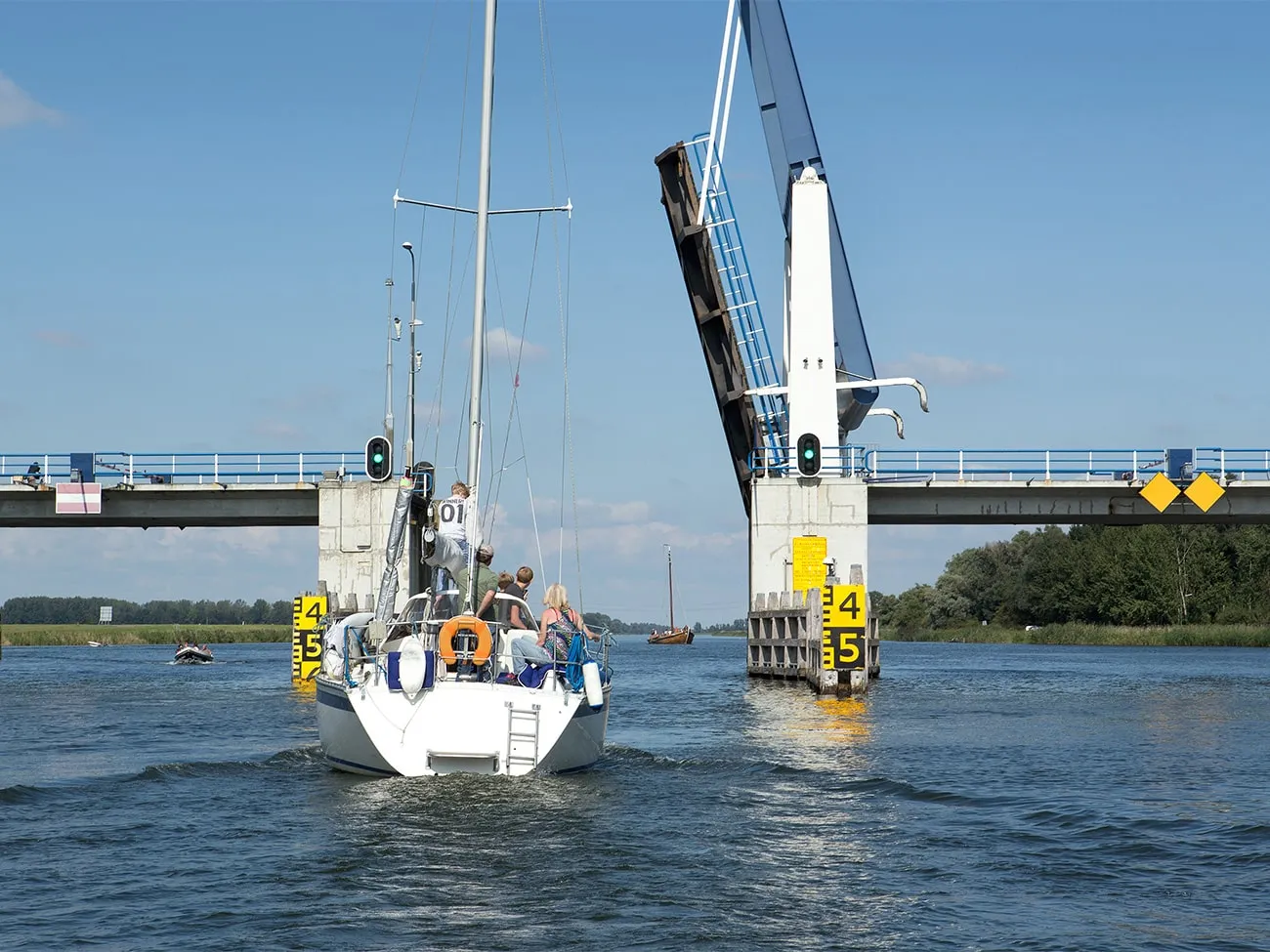
What makes the contract unusual is that the project comprises 17 sub-projects: 3 locks, 5 bridges, 8 bridge-lock combinations and a control centre. “Actually, it’s 19 now, as we’ve since been given 2 more,” says Schaap. “When you have to tackle 17 structures, the main challenge is to draw up a very tight schedule and agree clear arrangements. To prevent things from becoming fragmented, everyone works in our system. It clearly shows who has to do what, when it needs to be done and when it is due to be completed. Progress is also reported in the system, so we can keep the whole project under control.”
Robust and future-proof
Janse explains the approach: “Standardising the system and making it scalable ensures that everything is robust and future-proof. If a new structure needs to be added later, we can use the generic software building blocks we have developed. This means the control and operation will always follow the same generic design. For new structures, we can also advise on how to connect the physical field components, so that as little work as possible is needed to integrate them into the digital chain. This standardisation will make maintenance easier and more predictable, and therefore less costly, in the years ahead.”
Working in layers
“You can think of the standardised system as a set of building blocks,” Janse continues. “It is divided into layers. The top two layers, ‘direction’ and ‘management’, are the same everywhere. The deeper you go into the system, the more specific the software becomes. By making the greatest possible use of standardisation, we are working towards a situation where only the bottom layers need to be tailored to each individual structure. There are four layers in which decisions are made. The fifth, bottom layer controls the hardware. This fifth layer allows us to virtualise, which means we can simulate the structure ‘offline’ and carry out tests. Whenever we make a change to one layer, all the other blocks are automatically tested to check that nothing unexpected happens.”
The software is designed to provide enough flexibility within the standardised system to accommodate differences ‘in the field’ without major impact. “This reduces the risk of failure, and reusing software blocks makes the work more efficient. The standardised software also gives Croonwolter&dros the flexibility to account for the physical differences between navigational structures in the design. In addition, costs are saved by reusing the physical components of existing structures,” Janse explains. “The operator workstations we are building for the control centre will be ‘plug and play’, supplied ready to use with power and data connections. This ‘plug and play’ approach allows us to hand over the work in carefully planned phases.”
Janse concludes: “We have an IFAT environment in which the different control systems run and are simulated. The installations are tested as a whole in this environment, and operators receive their training there.”
A business enquiry for Croonwolter&dros? Get in touch
Companies in this story

Keep following this
Get an email when a new story is published. No account needed.
- ThemeExtending the life of roads and civil engineering structures
- SubjectDigitalisation & software
- CompanyCroonwolter&dros