Digitalisation of critical infrastructure
Text Roel van GilsImage ICT Group
OT meets IT
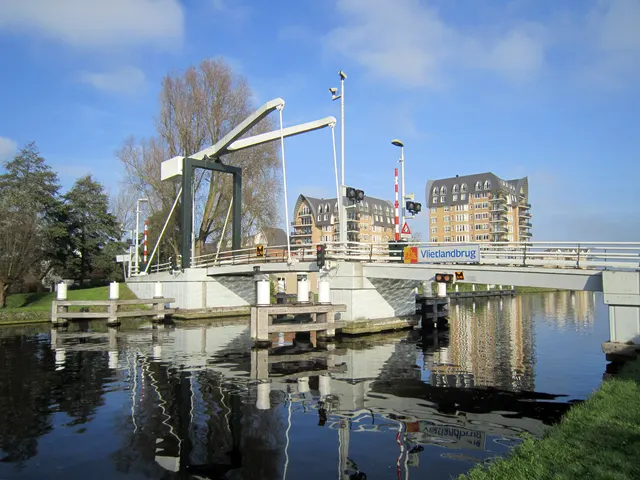
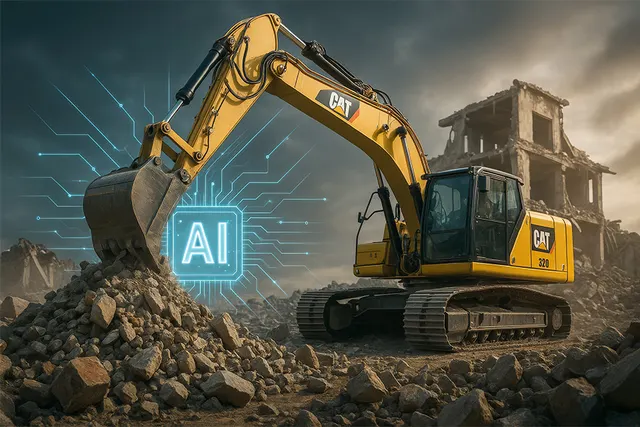
The Netherlands’ critical infrastructure, including tunnels, bridges, pumping stations, locks and electricity networks, has traditionally been automated using Operational Technology (OT). This technology is known for its reliability and safety. However, we want to learn and do more with this critical infrastructure, while also making things predictable so that availability is as high as possible. That is why IT is increasingly being used alongside OT in critical infrastructure. At the same time, this must not come at the expense of the robustness and safety of existing systems. ICT Group knows better than anyone how to bridge the gap between OT and IT, thereby guaranteeing the safety, availability and reliability of critical infrastructure.
OT is a distinct branch of automation, involving PLCs and SCADA systems. “This technology is robust, reliable and safe,” says Herman Kraaij of ICT Group. “You switch a system on and then don’t need to worry about it again. It runs for many years without a fault or failure. Now, more and more things are being added, such as cloud computing or artificial intelligence. In terms of functionality, this is fantastic, of course, but it is a cause for concern for many operators when it comes to robustness and safety. Assets become vulnerable when they are connected to IT. Connecting OT to IT systems in the cloud, for example, brings serious risks as well as benefits, and these risks need to be managed.”
Smart algorithms
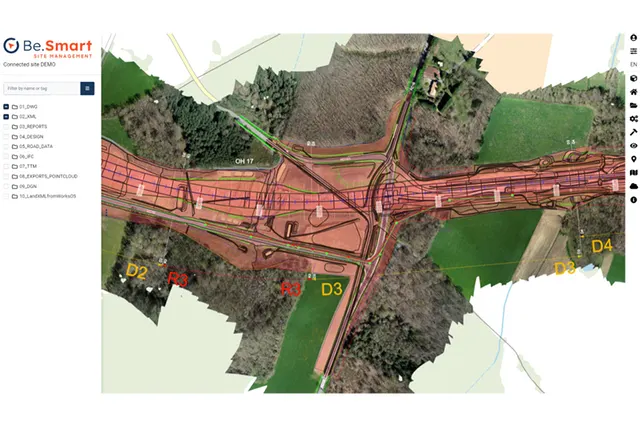
In water management, for example, smart algorithms are already being developed to predict when a dike may lose strength, says Léon Huijsdens of ICT Group. “That is purely IT. Drones are also now being used to detect cracks in dikes. This generates gigabytes of data that need to be processed and analysed automatically. That is IT too. But it goes much further than that. IT algorithms are also used in processes that upgrade wastewater to drinking water, a fine example of circularity. Traditional PLC technology is no longer sufficient for this. So IT is being added to OT on all fronts.”
Availability and safety
Kraaij says the same evolution can be seen in road, waterway and rail transport infrastructure. “This infrastructure contains all kinds of assets, such as bridges, tunnels and locks, which serve critical infrastructure. Availability and safety are both crucial, but both are under pressure. As we are such a densely populated country, these assets are under enormous strain. For example, compare the traffic crossing the Van Brienenoord Bridge in a 24-hour period 40 years ago with the traffic today: the increase is enormous. And if an asset like this fails, the whole Rotterdam region grinds to a halt. Predictability in the functioning of these assets is extremely important, both for reliability and for carrying out maintenance, including temporary maintenance. You want to be able to predict this as accurately as possible. ‘IT meets OT’ is therefore particularly important, as it gives you information about the status of the system components in these assets.”
Predictability
Here is another example of why predictability matters. Huijsdens says: “In the past, we had the capacity to respond to torrential rain by draining the water. Now, we want to know in advance where and when the downpour will hit, so we can switch on pumps ahead of time and drain some of the water.” Kraaij gives another example: “In a tunnel, we want to know the status of components such as the bearings in a fan. If the fan fails, the tunnel has to close. That is something we want to prevent. So, during a scheduled maintenance period, it is important to include all renovation work, including replacing worn fan bearings. IT is essential for this kind of predictability. Several initiatives have now been launched, often as PoCs, but we expect these to expand further in the future.”
Enriching traditional OT with IT is fantastic and offers great potential, but it is important to be aware of the vulnerabilities, Huijsdens concludes. “At ICT Group, we have both areas of expertise in-house: engineers who know all there is to know about OT, as well as IT experts. This sets us apart from other automation companies in the infrastructure sector. Our specialists also have extensive knowledge of the mechanical and electrical engineering aspects of the systems we automate. This means we are better placed than anyone to bridge the gap between OT and IT in a reliable and safe way, keeping infrastructure fit for the future.”
Best Digital Transformer
MT/Sprout has once again named ICT Group the best Digital Transformer in the Software, Development & Platforms/Enablers-Overall category. This is according to the DX300 survey, conducted at the initiative of leading business platform MT/Sprout. “As last year, we were assessed on our collaboration with clients on digital transformation projects, our expertise in transformation and the quality of our service delivery. And once again, we took first place in our category.”
Question about this story? Ask your question
Keep following this
Get an email when a new story is published. No account needed.
- ThemeUnderground construction
- SubjectDigitalisation & software