









Watertight construction pits thanks to horizontal waterglass injection
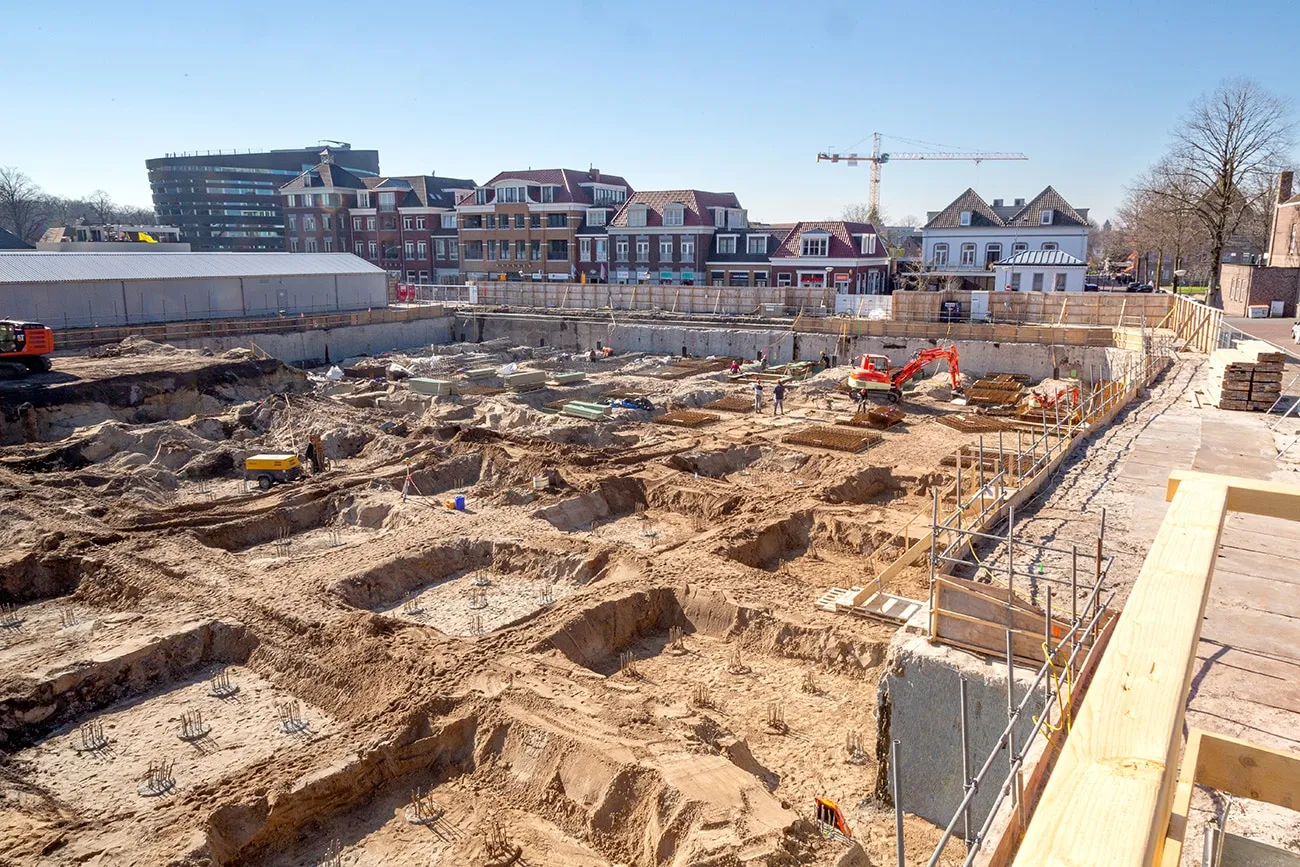
For underground construction in areas with high groundwater levels, construction pits need to be virtually watertight. Horizontal water-retaining layers created using waterglass injection by Soil-ID Bouwkundige Bodeminjects are the ideal solution. Patrick Wolfs explains how he and his business partner revived the technique in 2009. Since then, the company has completed more than 200 construction pits.
As an alternative to underwater concrete, Soil-ID developed a modern version of an old method. This specialist foundation technique allows you to create construction pits without dewatering and without lowering the groundwater table in the surrounding area. Wolfs: “We have made the method much faster and industrialised it. With the old equipment, you pumped 12,000 to 15,000 litres a day, but our self-developed machines can pump 250,000 litres a day.”
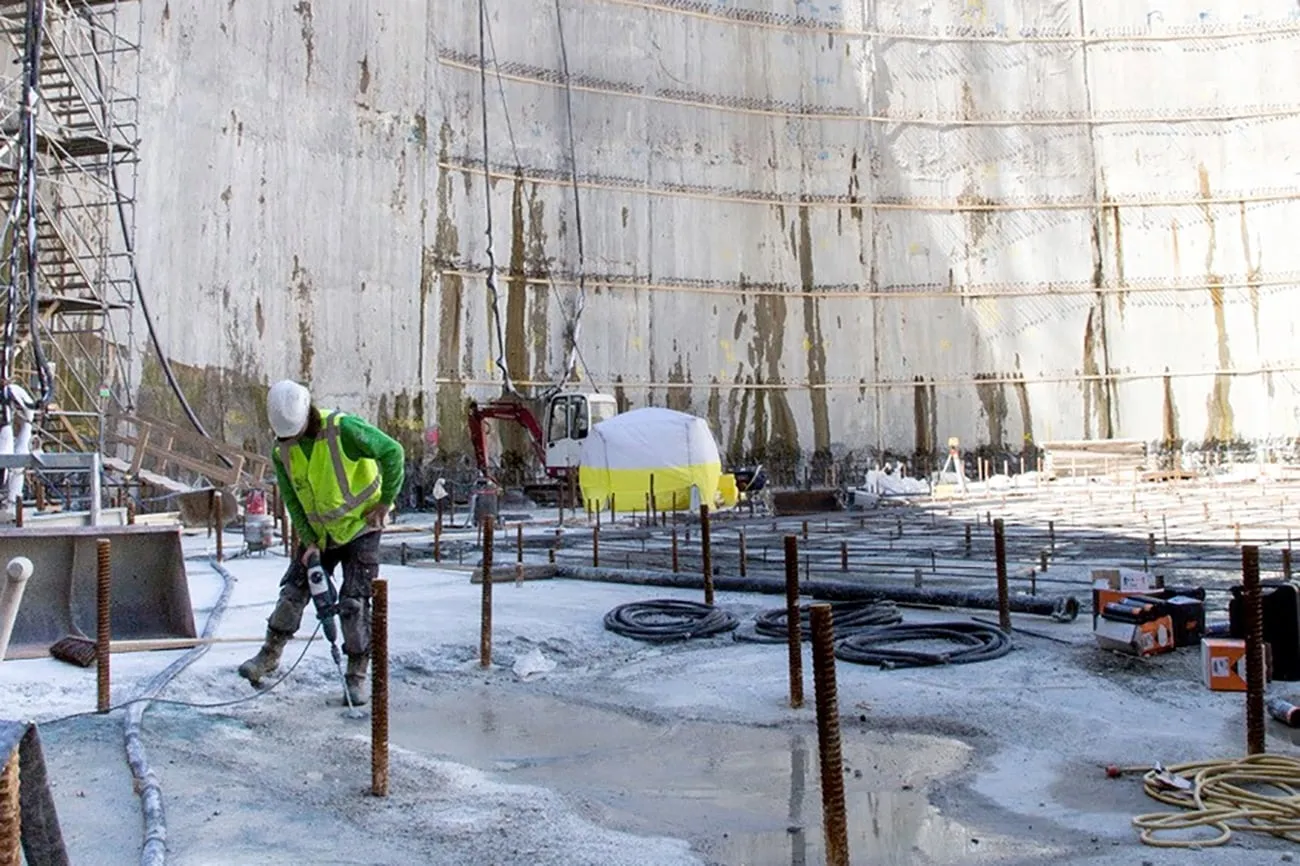
Microelectronics and sensor technology have also improved monitoring of the technique. Wolfs: “This gives you a better understanding of the ground and enables you to demonstrate that you have actually delivered what you promised.” Soil-ID also advises on the project as a whole: “For example, we advise on dewatering the construction pit and explain why it is essential to use gravity drainage with this technique.”
Waterglass injection technique
How does the waterglass injection technique work? “In brief, we enclose the excavation area with sheet pile, diaphragm or soil-mix walls. We then pump waterglass into the ground at injection points, a few metres below the future floor of the construction pit.” The waterglass forms a watertight ‘carpet’ in the ground, made up of soil, waterglass and hardener. “The soil above the bottom seal is then drained to remove groundwater and rainwater, allowing the pit to be excavated dry.” Horizontal ground injection largely eliminates the need for wellpoint dewatering.
The difference compared with underwater concrete
Horizontal injection offers advantages over the commonly used method of underwater concrete. “Where there is no natural water-retaining layer of clay, Soil-ID’s waterglass injection is a logical alternative.”
The method is also attractive in terms of sustainability. “This technique produces far less CO2. The layer breaks down slowly, bringing further environmental benefits.” This is also good news for contractors and public authorities, which are increasingly concerned about lowering the groundwater table and other construction-related nuisance.
Tunnel underpasses
Which project is Wolfs particularly proud of? “We regularly carry out tunnel underpasses for ProRail. In a single weekend, we create an entire construction pit for a tunnel element or a deck slab. Without our method, this would be much more labour-intensive.”
In addition to horizontal injection, Soil-ID also stabilises soil using waterglass, carries out foundation repairs and tackles damp in construction pits and existing buildings. “We are also increasingly installing lift pits in existing buildings. Think of a shopping centre being modernised, with an escalator down to the car park. Most basements are built below the groundwater table. Cutting an opening in that watertight structure for an escalator requires specialists.”
Question about this story? Ask your question
Keep following this
Get an email when a new story is published. No account needed.
- ThemeUnderground construction
- SubjectNews







