









Turning contaminated soil into secondary raw materials
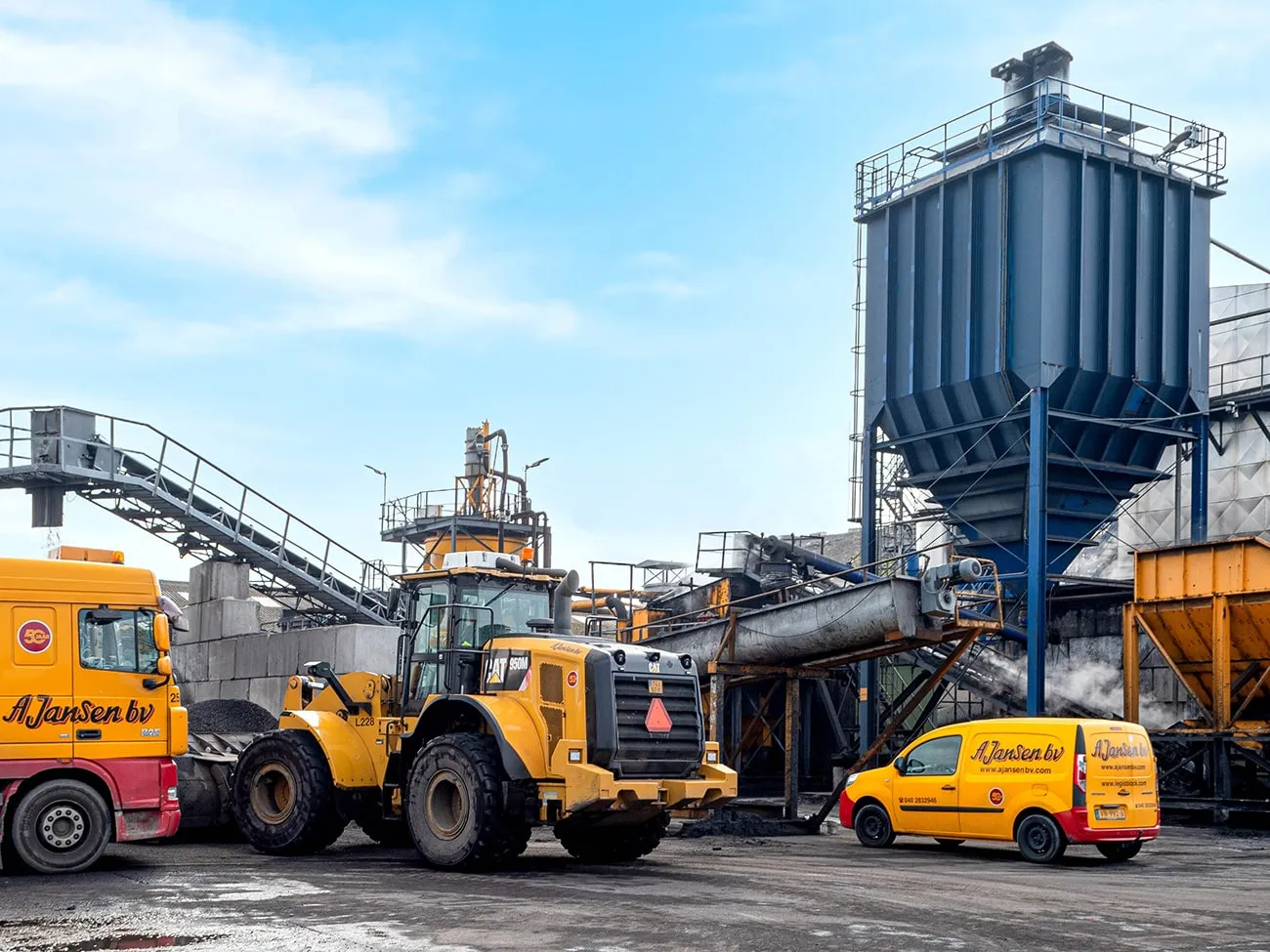
Jansen Recycling processes more than 1.2 million tonnes of inert waste streams each year, recycling 98.5 per cent into high-quality secondary raw materials. A long-standing partner of the De Betuwse Waard consortium, Jansen Recycling was asked midway through last year to take on the Wolferen-Sprok ‘case’. Preliminary investigations were used to estimate the total volume of material that would be generated. Several hundred tonnes of contaminated soil have now been converted into certified secondary raw materials, but this is just the tip of the iceberg.
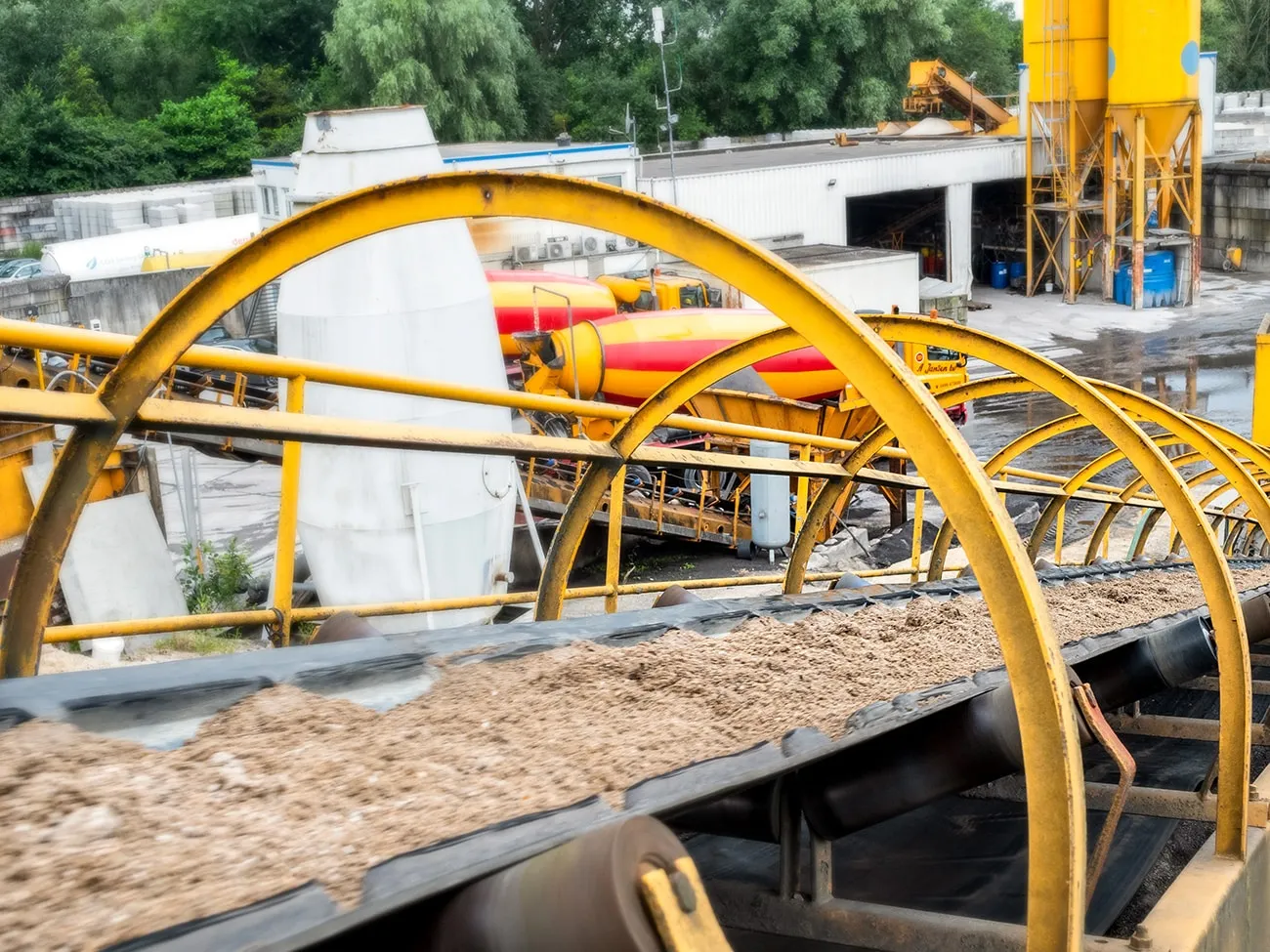
Large volumes of soil are being moved as part of the Wolferen-Sprok dike reinforcement project. “Sometimes materials can be relocated on site, but often they can’t,” says Rick van den Akker of Jansen Recycling. “During the preparatory phase, we provided advice and submitted an offer to accept the excavated soils, specifying the relevant material qualities. These included contaminated soil, tar-bound asphalt and contaminated rubble. Based on our estimates, we drew up a framework agreement, which we continually use as a benchmark. The challenge with our line of work is that you can never determine in advance exactly what will be generated. You only find that out during construction, so we remain involved throughout the process, assessing the excavated soils each time to ensure they are processed and put to use in the right way.”
Two sites
Depending on the type of waste, material generated by the Wolferen-Sprok project is processed at one of Jansen Recycling’s two sites in North Brabant. “In 2017, we opened the first thermal treatment plant (TRI) in the south of the Netherlands, at Son,” says Peter de Bont enthusiastically. “It processes tar-bound asphalt and/or thermally contaminated soil, among other materials. The plant separates tar and bitumen from the other constituents, including sand and gravel. This makes these residual streams reusable in the civil engineering market as certified secondary soil and building materials, which are used within the Jansen organisation to produce concrete products and ready-mixed concrete.” Van den Akker adds: “The same applies, more or less, to our fixed soil-washing plant in Helmond. The plant uses an extractive cleaning process, in which contaminants are transferred through washing to a
sludge fraction, which is separated from the clean sand fraction. The end products are mainly sold as a full-value alternative to natural (concrete) sand.”
Low environmental impact
Although the Wolferen-Sprok dike reinforcement project is a long-term undertaking for Jansen Recycling, the first several hundred tonnes of contaminated soil have already been processed into secondary raw materials suitable for beneficial use. According to De Bont, the project will ultimately generate substantial volumes. “So far, the De Betuwse Waard consortium has arranged transport from the project site to our recycling plants, but we can also take care of this if required, by road or by water. We optimise transport by combining loads with those from other projects where possible. This reduces the number of transport movements and keeps the environmental impact as low as possible. We can also manage the entire soil remediation process, from A to Z, if required. We are very flexible in this respect and place great value on open and honest communication. The collaboration with the De Betuwse Waard consortium is therefore going extremely well.”
Of the 1.2 million tonnes of inert waste streams that Jansen Recycling processes each year, 98.5 per cent is reused or processed into high-quality, certified secondary raw materials. These are then used in road construction, by the company’s own concrete division or as raw material for Legioblocks. “Circularity is in our DNA.”
Een zakelijke vraag aan Combinatie De Betuwse Waard? Get in touch
Companies in this story
Keep following this
Get an email when a new story is published. No account needed.
- ThemeLower emissions and more reuse
- SubjectNews
- CompanyCombinatie De Betuwse Waard







