









The appealing qualities of Douglas fir
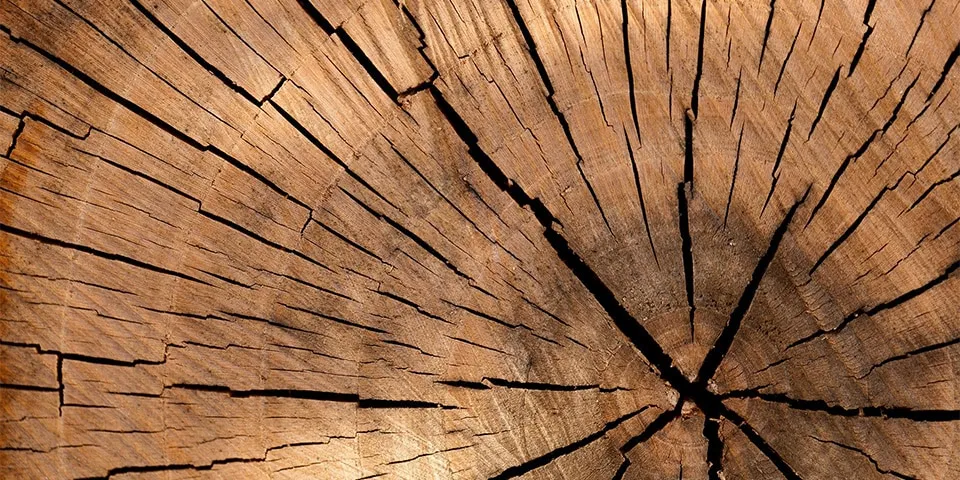
Douglas fir is a softwood increasingly used for bank protection and flood defences. It is one of the hardest European softwoods and is therefore also used in the construction of bridges, boardwalks and verandas. It is a cheaper alternative to more expensive hardwood.
This is, of course, just one of the many qualities of affordable Douglas fir. The wood is also very attractive and has a fine to moderately coarse grain. Untreated Douglas fir boards have a lifespan of 10 to 15 years. Once dried, Douglas fir becomes harder, which is another desirable quality of this attractive softwood. Douglas fir timber is recognisable by its beautiful reddish-brown heartwood and yellowish sapwood. If left untreated, it gradually turns blue-grey. To prevent this, it can be treated with stain or another preservative.
Working with the wood
As even the most affordable Douglas fir is a very hard wood, there are a few things to bear in mind when working with it. It is advisable to pre-drill before driving screws into the wood, although very good specialist screws with drill points are now available. Douglas fir is easy and quick to glue, but difficult to bend. With good, sharp tools, this hard wood is easy to work.
Applications
The quality of Douglas fir makes it suitable for a wide range of applications. As mentioned above, it is used for bank protection, flood defences and sheet piling. Other outdoor applications include fences, pergolas, verandas, floors, boardwalks, terraces, bridges and footbridges. Indoors, it can be used for floors, ceilings, dado panelling and other wall panelling. This softwood from north-western Europe is highly durable and naturally strong. Douglas fir is also found in the Netherlands. It is an environmentally friendly and sustainable alternative both to pressure-treated spruce, which contains harmful substances, and to more expensive hardwood, which generally has to be imported and is therefore not sustainable. Douglas fir is also much more attractive than cheaper spruce. Thanks to increased planting of Douglas fir, particularly in France and Germany, it is now more readily available.
Question about this story? Ask your question
Keep following this
Get an email when a new story is published. No account needed.
- ThemeFlood protection and climate-resilient water management
- SubjectNews







