









Sustainable flood defence strengthening with minimal impact
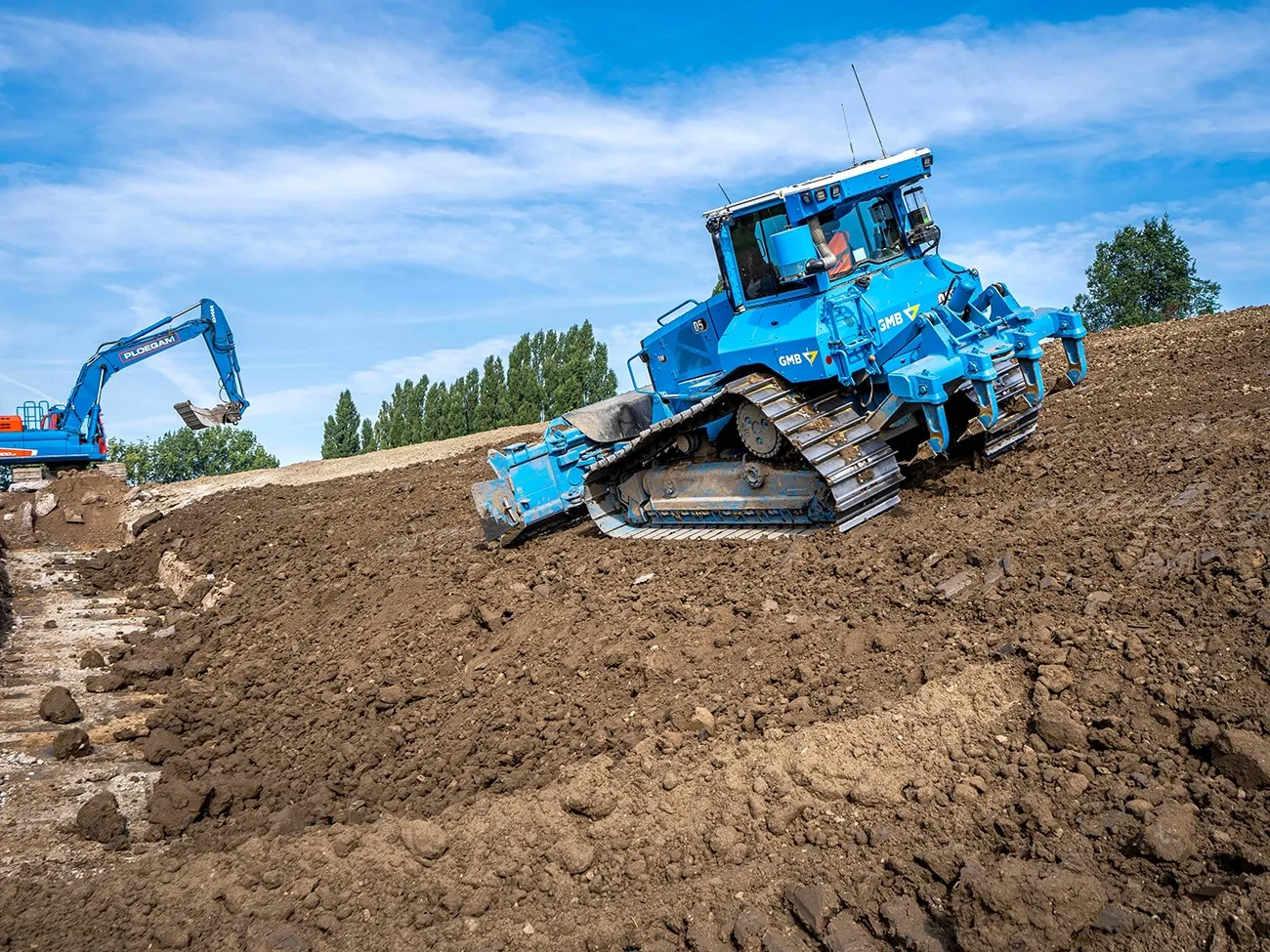
As part of the Flood Protection Programme, the northern Waaldijk between Wolferen (Overbetuwe) and Sprok (Nijmegen) is being strengthened. Commissioned by Waterschap Rivierenland, construction consortium De Betuwse Waard will strengthen the 13-kilometre stretch over the coming years. An open and transparent collaboration during the preparatory phase has produced a smart, practical plan to tackle the dike reinforcement work with minimal impact on the environment and local area. Work is now well under way.
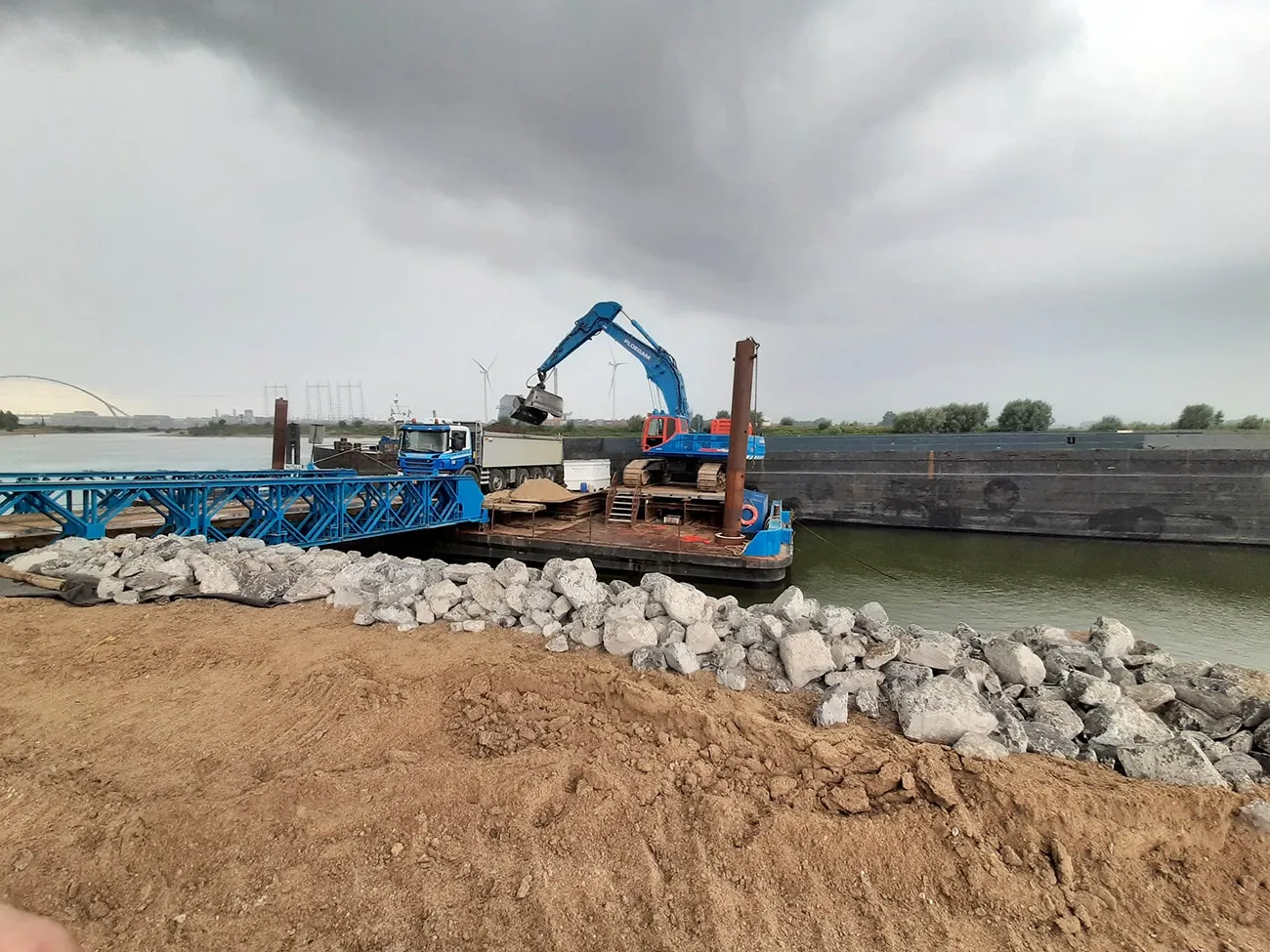
Given the complexity of the project and the large number of stakeholders, Waterschap Rivierenland invited market parties to get involved at an early stage. “Ploegam and Dura Vermeer have strong ties through previous projects such as Ruimte voor de Waal and Mooder Maas, and GMB joined the team for this project,” says Rob Bouwens, project manager for the consortium. “Our aim is to carry out as much of the work as possible with our own people, which is why we need three companies. They are a good fit, each bringing their own knowledge and expertise. The result is a good mix, with the right person in the right place every time. There has been a positive dynamic between the companies and the people involved from the very start. The way we approached this project was quite unique.”
Fair pay for a fair day's work
Before the construction phase, the consortium partners jointly worked on the design and detailed planning, while also developing the price. “The aim during the exploration phase was to establish a preferred alternative (VKA) that had been approved and had the backing of stakeholders, as the starting point for the detailed planning phase,” says Berry Hol, technical manager for the consortium. “As the consortium was also responsible for the design, we brought in several external partners: H+N+S for landscape design, Fugro for geotechnical engineering, and Royal HaskoningDHV, which provided a technical manager and mainly modellers. The design was developed in 3D from the outset. We then refined the plan through a series of ‘loops’. Loop 1 confirmed the VKA, while loop 2 fixed the land take, with a focus on the surrounding area. In loop 3, we assessed the risk profile, and in loop 4, we prepared the documents for the main permit so that the application could be submitted in good time ahead of the start of construction.” Bouwens adds: “The detailed planning and pricing were carried out in complete openness and transparency with the water authority. Fair pay for a fair day's work. This led to the construction agreement, which was signed in July 2021.”
Nijmegen Four Days Marches
The project is taking place on the northern bank of the Waal. “The 13-kilometre route has been divided into seven sections,” says Bouwens.
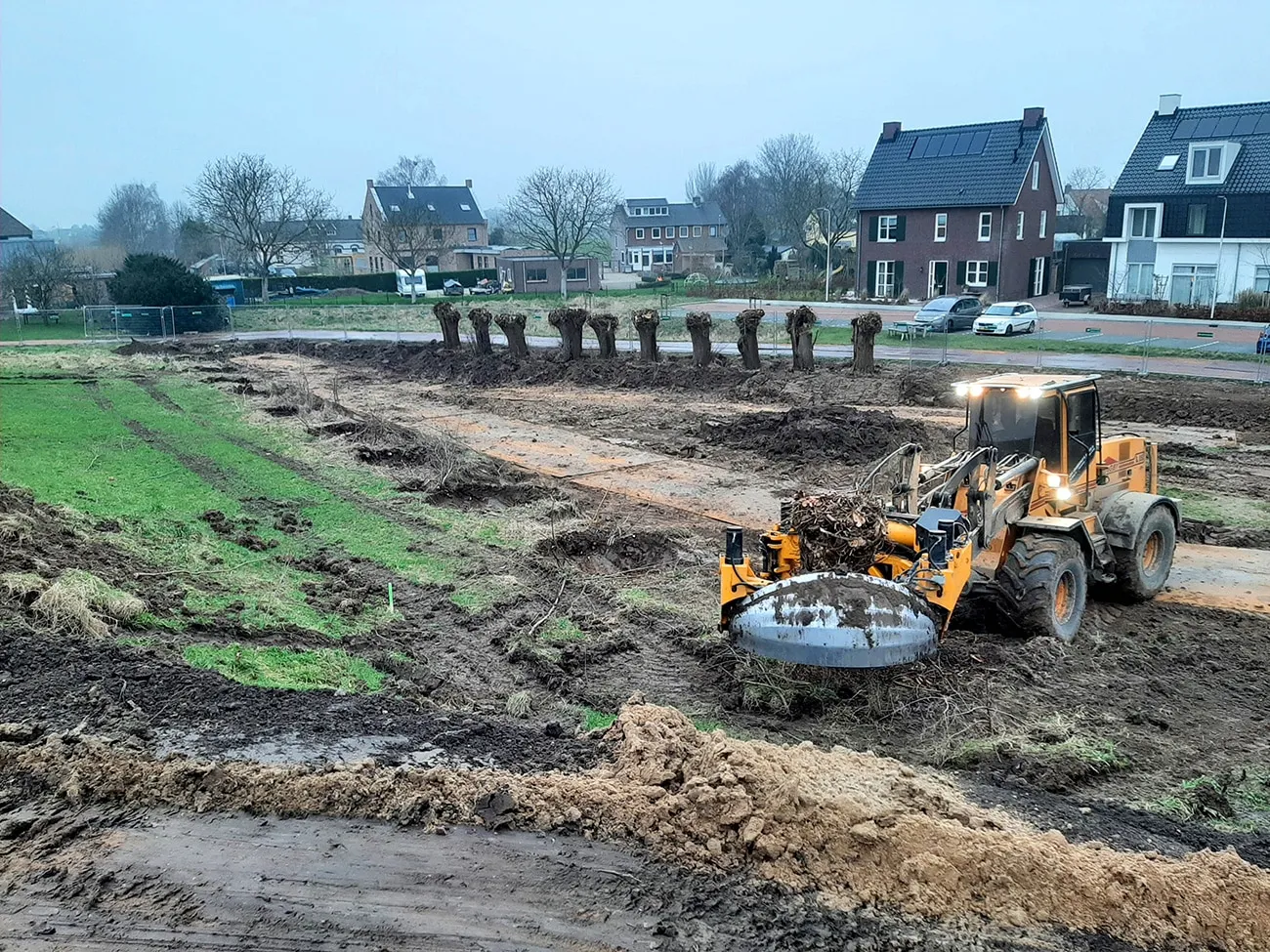
“We started strengthening the dike last year by the railway bridge in Nijmegen (section B). Work there, together with section C up to the campsite in Oosterhout, will continue until the end of 2022. What makes this route unusual is that the Nijmegen Four Days Marches route will cross the work zone. This naturally has significant implications and calls for careful planning and additional safety measures. As planned, we will start work at the end of this year on sections D to G in sequence, from the campsite in Oosterhout to Wolferen. We expect this work to take a little over a year. We will then return to Sprok, section A, on the other side of Nijmegen in 2024. The work has been phased so that we close the relevant section of dike during each phase and complete 99.9 per cent of the work before moving on to the next phase.”
Plastic seepage screens
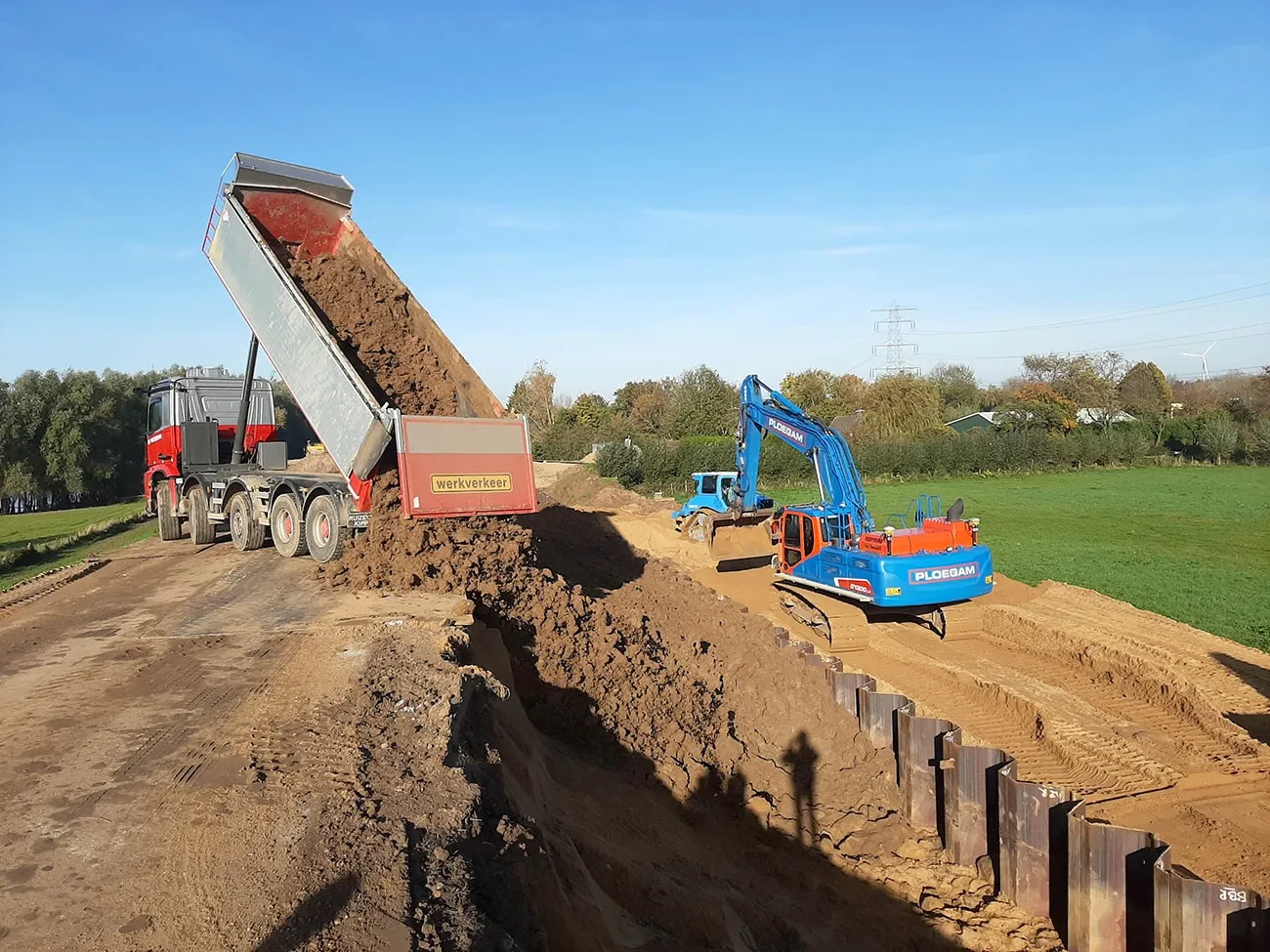
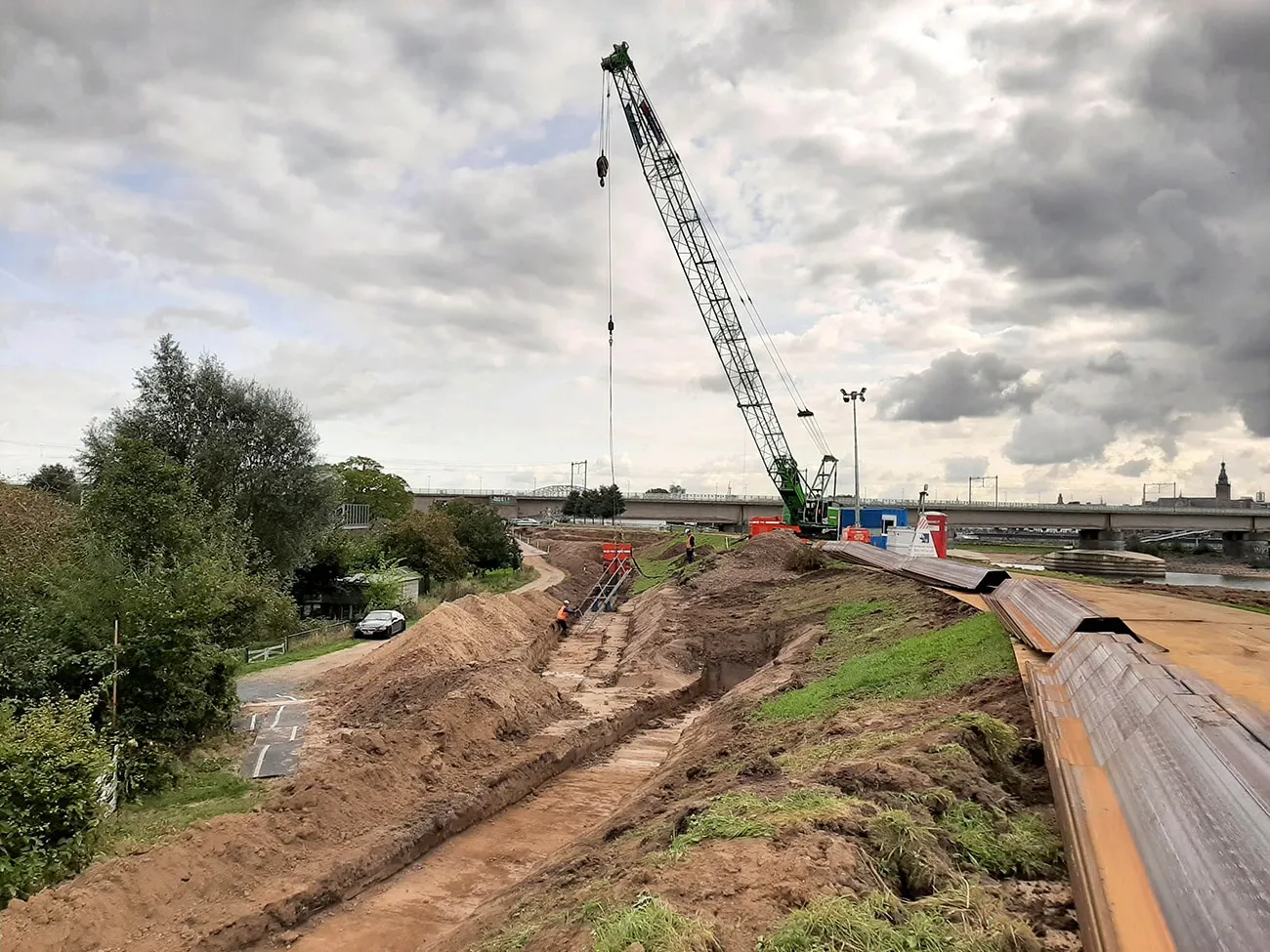
Depending on the location, the dike is being raised and widened, or sheet piles are being installed and berms constructed to improve stability. “Seepage control is a broad issue for Waterschap Rivierenland and affects all its projects,” says Hol. “This project has also involved considerable work to determine how current seepage control rules can be applied and optimised, with alternatives in mind. Both the construction consortium and the water authority have learned a great deal from this. It has even led to the use of plastic seepage screens. They are a cheaper and better option environmentally, as plastic has a much lower Environmental Cost Indicator (MKI) value. Steel sheet piles were used as seepage screens in the past purely because there were no alternatives. Now there are. Around 40,000 m2 of plastic seepage screens will be used on this project. Their profile is similar to that of a steel sheet pile, with interlocking male and female sections. They are installed in the same way, using a steel leader pile on the river side to absorb the force of the vibratory hammer. Once the required depth has been reached, the leader pile is disconnected and removed.”
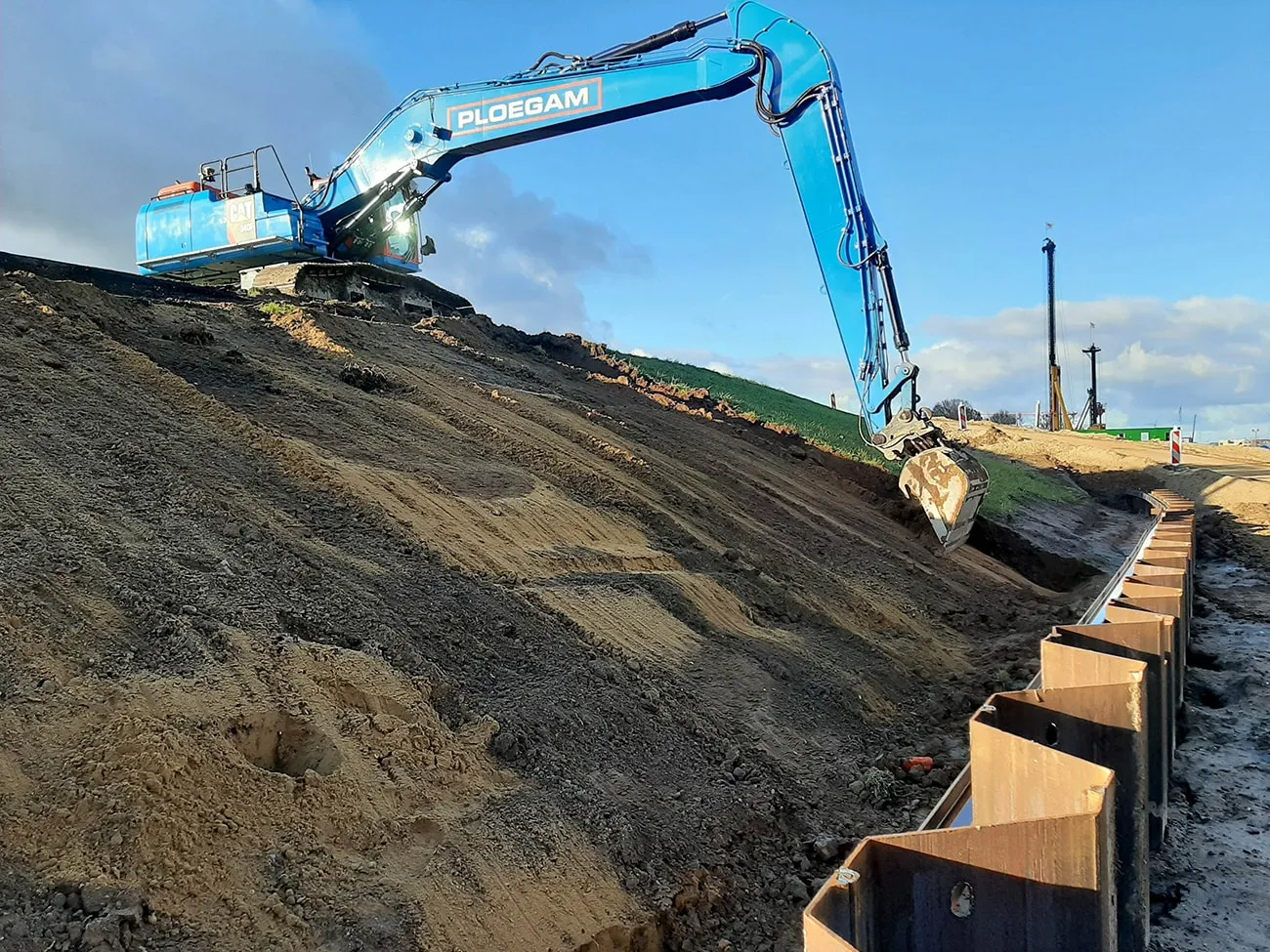
The dike reinforcement work is taking place in a nature-rich area. “The work runs through a Natura 2000 site, among other areas,” says Bouwens. “The requirements there are very strict. We have an ecologist on our team to ensure everything is properly coordinated. For example, we are only allowed to install sheet piles from October until spring, after which we have to leave nature undisturbed. We are also installing amphibian fences, toad fences and other temporary structures to minimise disturbance to wildlife. In addition, we are using an electric excavator to gain experience with the water authority in carrying out emission-free work on projects like this. We are doing everything we can to strengthen the dike with minimal impact on the surrounding area and the environment.”
A business enquiry for Fugro? Get in touch
Companies in this story
Keep following this
Get an email when a new story is published. No account needed.
- ThemeFlood protection and climate-resilient water management
- SubjectNews
- CompanyGMB
- CompanyFugro







