









Sewer damage on construction projects: methods for surveying and prevention
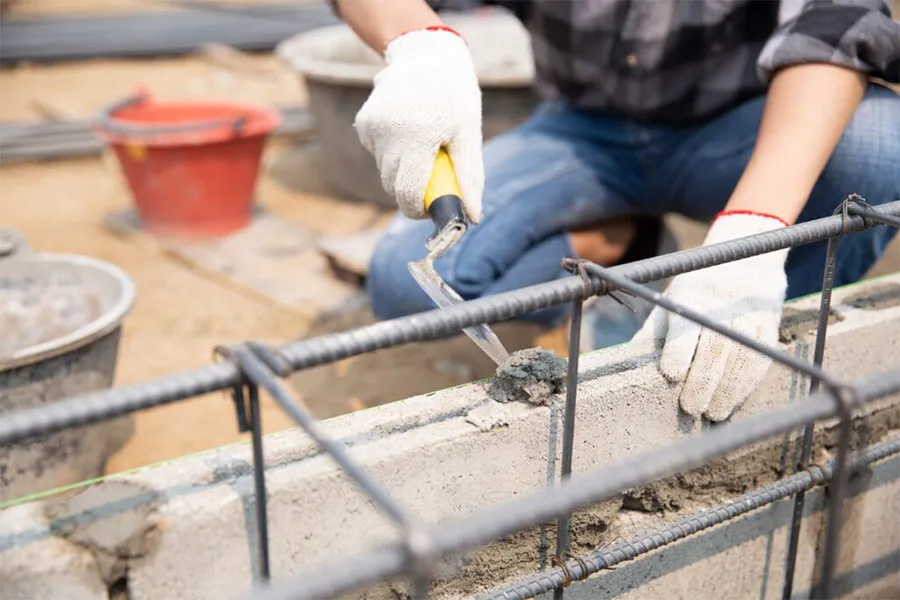
On construction projects and infrastructure works, it is essential to take account of existing underground infrastructure, such as sewer systems. Sewer damage brings a range of additional problems, including water damage, disruption to local residents and environmental pollution. It also causes project delays and additional costs. By using advanced technologies, careful planning and effective preventive measures, risks can be anticipated and prevented.
Detailed ground investigation
Before a construction or renovation project begins, it is essential to have a detailed overview of the underground infrastructure. Innovative technologies such as ground-penetrating radar (GPR) and 3D scanning provide a reliable and accurate way to determine the location of underground sewer pipes. GPR can detect underground structures without excavation, significantly reducing the risk of unexpected damage. 3D scans help build a complete picture of underground conditions, including potential risks such as unstable soil layers or damaged sewers. Using these technologies at an early stage helps identify potential problems in good time. This approach is particularly valuable in urban areas, where underground pipe networks are intricately interconnected.
CCTV inspection
For underground works, it is a good idea to check the condition of the sewer system beforehand so that problems can be resolved at an early stage. CCTV inspection makes it possible to detect cracks, blockages and other defects without excavating the infrastructure. With this technique, an inspector passes a camera through the sewer to map out problem areas. Real-time footage provides a clear picture of the sewer’s condition, allowing targeted solutions to be implemented. If damage is found, repairs can be carried out straight away. This technique is used to reduce the risk of problems escalating and causing serious damage.
Replacing ageing materials
Older sewer systems, such as those made from vitrified clay or concrete, are often susceptible to wear and damage. Replacing these materials is crucial to prevent leaks and subsidence. Modern alternatives, such as plastic pipes, are more durable and easier to install, significantly extending the sewer’s service life.
One of the most innovative methods in sewer management is relining, which involves applying a new inner lining to existing sewer pipes. This creates a fully functional pipe without the need for breaking or excavation work. The technique not only saves costs, but also minimises disruption to local residents. Relining is particularly suitable for urban areas where traditional methods are impractical.
Protecting the infrastructure
During construction projects, existing sewers are often at risk of damage from heavy machinery, vibration or ground movement. This can be prevented by installing protective structures around sewer pipes, such as concrete casings, reinforcement materials or temporary formwork. These measures provide a physical barrier against mechanical forces and reduce the risk of cracks or subsidence. Protective measures are particularly important in areas with intensive construction activity or heavy loads.
Preventive monitoring by professionals
Engaging a professional sewer service is a smart investment in preventing sewer damage and ensuring the infrastructure’s durability. Specialists have the knowledge, experience and specialist equipment to carry out accurate inspections, implement effective protective measures and respond quickly to problems. Working with a professional sewer service can help construction projects run more safely while ensuring the highest standards of quality and environmental protection are met. This saves time and money, and prevents complications in the long term.
Question about this story? Ask your question
Keep following this
Get an email when a new story is published. No account needed.
- ThemeUnderground construction
- SubjectNews







