









Robust software is essential in the infrastructure sector
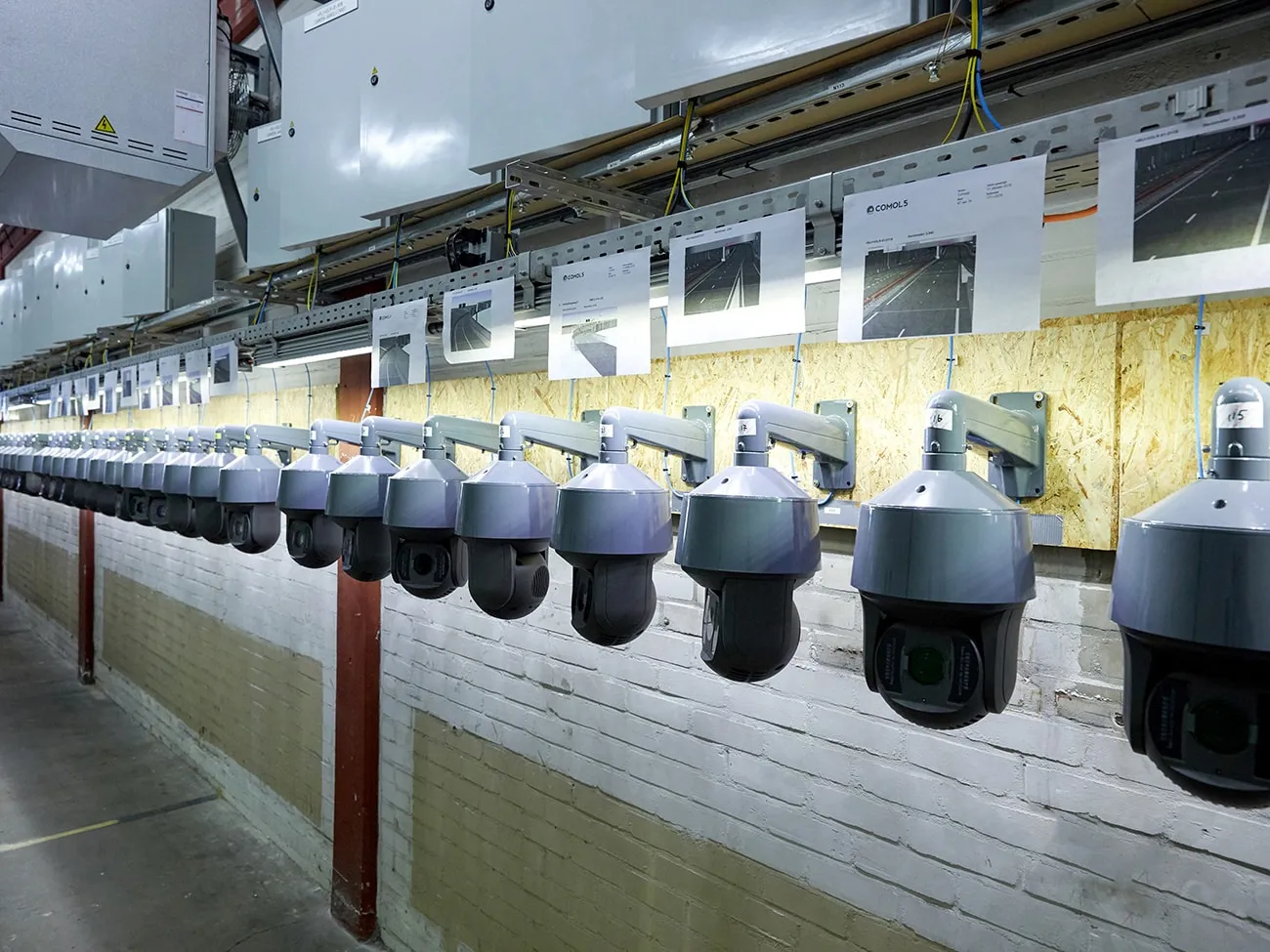
Almost all the equipment we use contains software that controls its functions. The infrastructure sector is no exception, but the demands placed on software for infrastructure assets are far greater. Whether we are talking about tunnels, locks or bridges, every asset is unique and is designed to last 100 years or more.
100% functionality is essential, even in emergencies
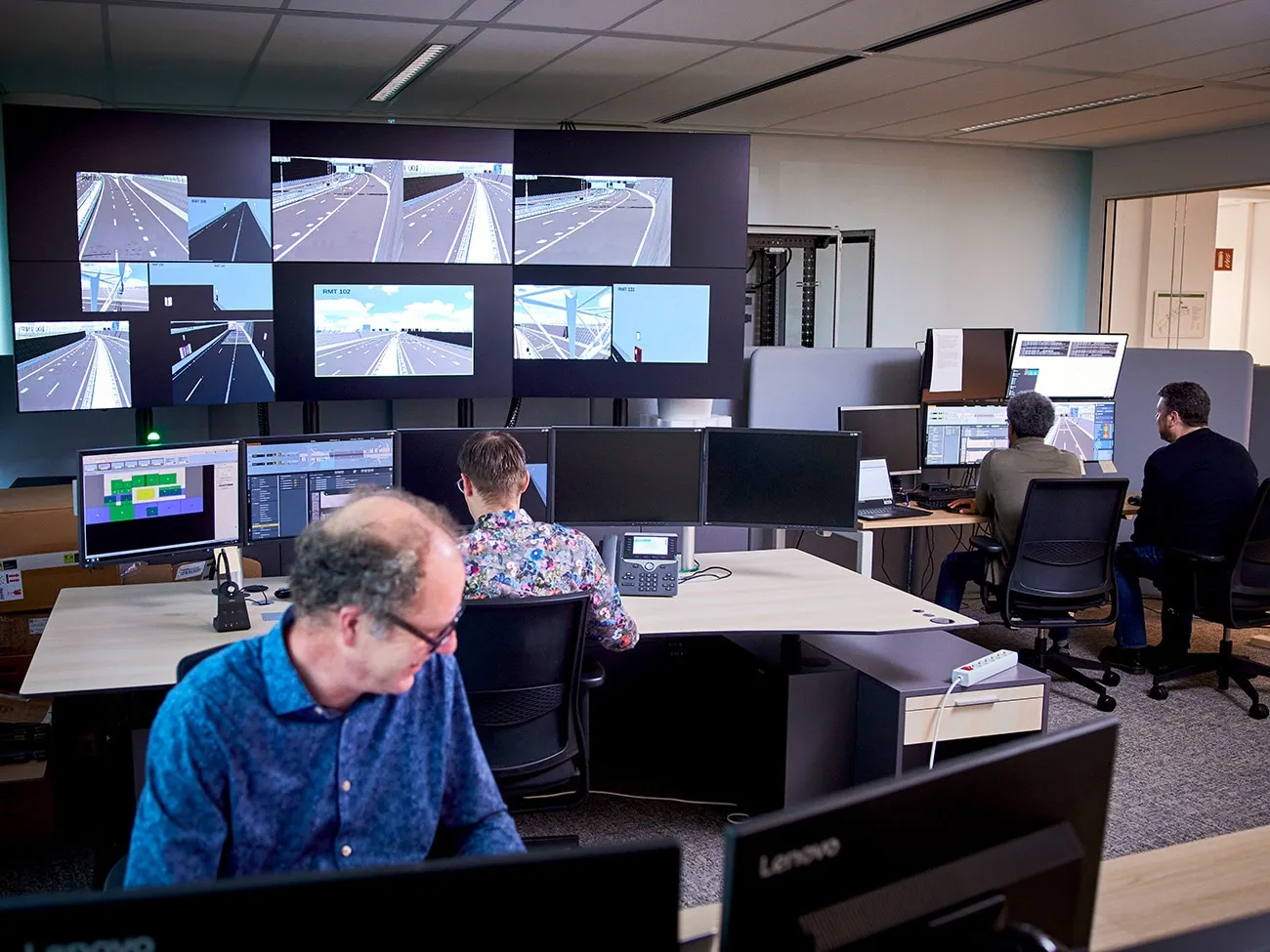
These assets are indispensable and in constant use, which means the software used must be highly robust. By the time the software is commissioned, it must be free of teething problems, and everything must continue to run reliably and predictably, even in unexpected situations. That predictability must also be guaranteed when changes are made. Croonwolter&dros and Soltegro speak the digital language of tunnels, locks and bridges like no other. We speak to Harry Engwirda, Industrialisation Programme Manager at Croonwolter&dros, and Franc Fouchier, Manager Systems Engineering & Innovation at Soltegro.
A thorough process and design
“Writing robust software requires a thorough development process and a well-designed software architecture,” Harry begins. “Transparency in everything you do is the key. Everything needs to be documented. We record not only the software’s required functionality, but also how the entire development process is structured. This calls for care at every stage. We make clear what needs to be done and share all information openly with everyone involved in the process. In turn, we expect the same openness and transparency from suppliers. If a sub-system is supplied or built by a third party, we need to know what its software looks like and how it works. That is the only way we can quantify reliability.”
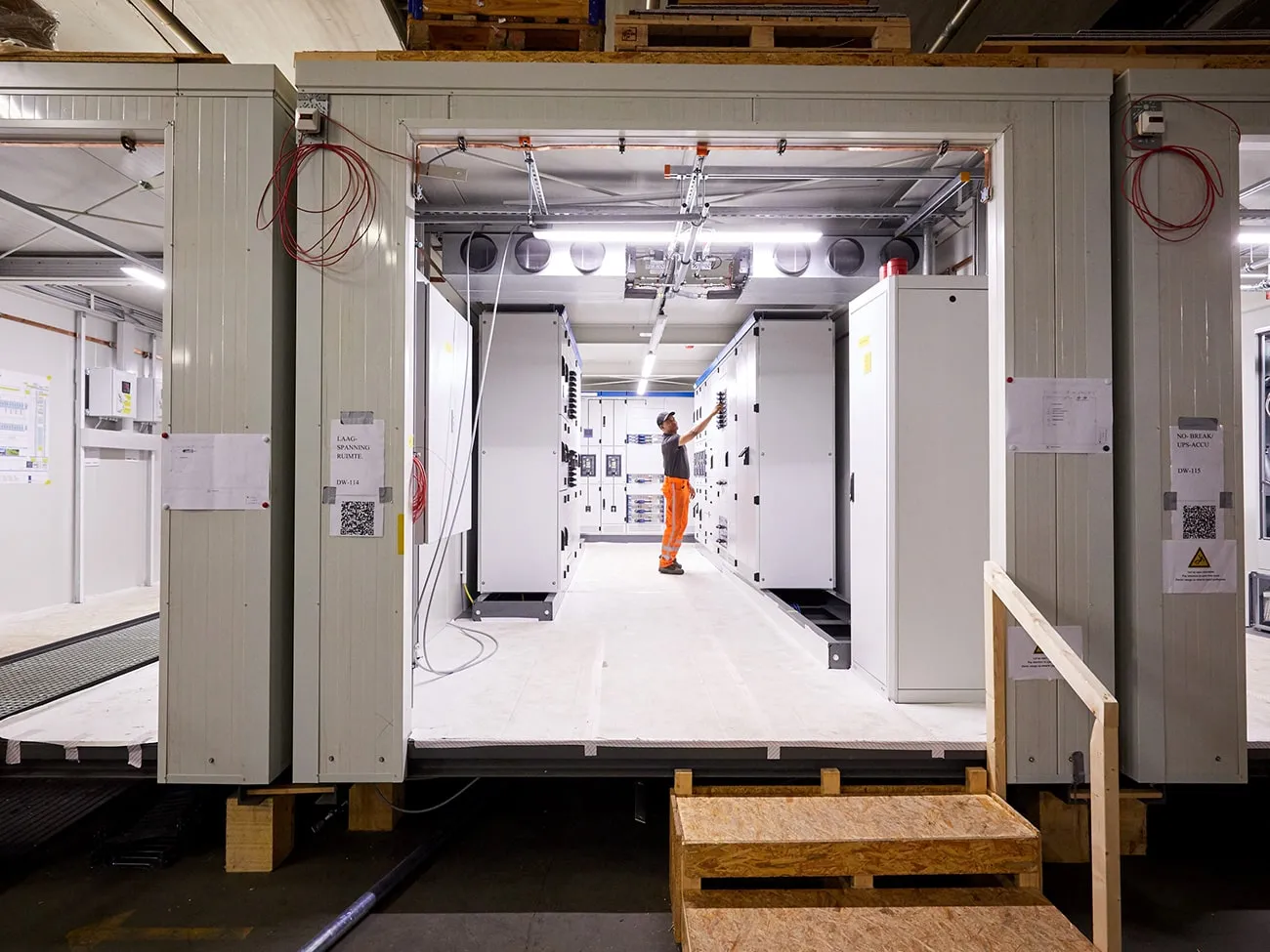
Franc explains: “Sub-systems are becoming increasingly smart and sometimes have a degree of software autonomy. That is all well and good, but a ‘self-thinking’ system must never interfere with the operation of the wider system. If it does, that component can become unpredictable, making the entire installation unreliable. Building robust systems therefore also means having full access to suppliers’ software architectures. We take this into account when selecting them.”
Uptime is paramount in digital infrastructure
“In most environments, when something fails, the system is taken offline briefly so repairs can be made. That is not an option in infrastructure: uptime is paramount. The availability of a tunnel, for example, must not be jeopardised if one component of the installation fails. That is why it is so important to define all processes precisely. When we design software, we start by defining what it needs to do. This is done through a functional analysis. We use a generic analysis as our starting point, drawing on elements already defined for other tunnels, locks or bridges. That way, we do not overlook anything. The analysis is then used to develop a specific software design tailored to the asset for which the software is being written,” Harry explains.
“We have a Coding Guideline to keep the software readable and transparent,” says Franc. “It sets out structures, principles and naming conventions. The controls and functionality of each device are described. This allows you to validate new assets supplied by contractors. And when you need to replace equipment, you can refer back to everything defined in advance, starting with the required functionality.”
Virtual testing
One way to eliminate teething problems in software is to test it virtually. “This covers everything, not just the functionality of the installation’s components, but also the safety of an asset in relation to the software. We use detailed processes and have certified (CSME) specialists who oversee the whole process,” says Harry.
The key, now and in the future, is predictability. In closing, Franc says: “You will see that in 10 years’ time we have more confidence in software, thanks to what we are doing now. We test extensively to ensure that the software is robust across the entire installation. In the future, you can expect the hardware and software in a tunnel to interact with the hardware and software in a smart car. We are building the tunnel to last 100 years, but the digital landscape could look very different in 50 years’ time.”
A business enquiry for Croonwolter&dros? Get in touch
Companies in this story


Keep following this
Get an email when a new story is published. No account needed.
- ThemeExtending the life of roads and civil engineering structures
- SubjectNews
- CompanyCroonwolter&dros
- CompanySoltegro







