









New circular binder gives road construction a clear run
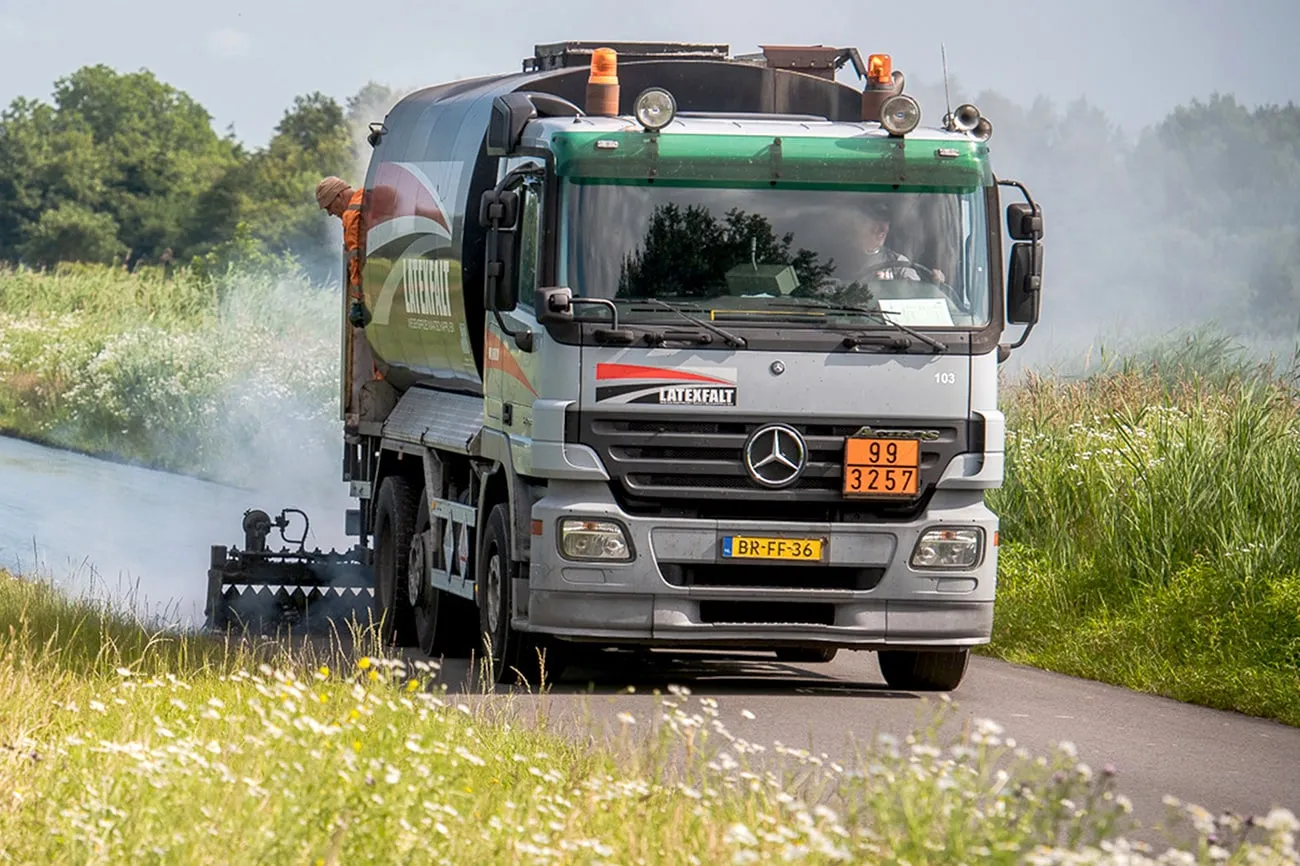
Latexfalt, based in Koudekerk aan den Rijn, is conducting pioneering research as part of the transition framework. The company is keen to take the lead, particularly in developing alternative products for the construction and infrastructure sectors and making a well-founded contribution to the circular economy. In this context, developing a binder made from residual materials marks another successful step forward.
Last year, Latexfalt used several articles in GWW to set out its ambitious plans to develop sustainable alternatives to fossil-based bitumen, preferably through collaboration and knowledge-sharing. The first success has now been achieved. “We began by looking at which residual material streams could be of interest to our business,” says R&D group leader Hans Hendrikse. “It turned out that as much as 85% of all plastic waste cannot be used to make new plastic because it contains many different types of plastic mixed together. But it can be put to good use as an alternative to bitumen, a material that, as a by-product of oil production, also contains various substances.”
Opportunities
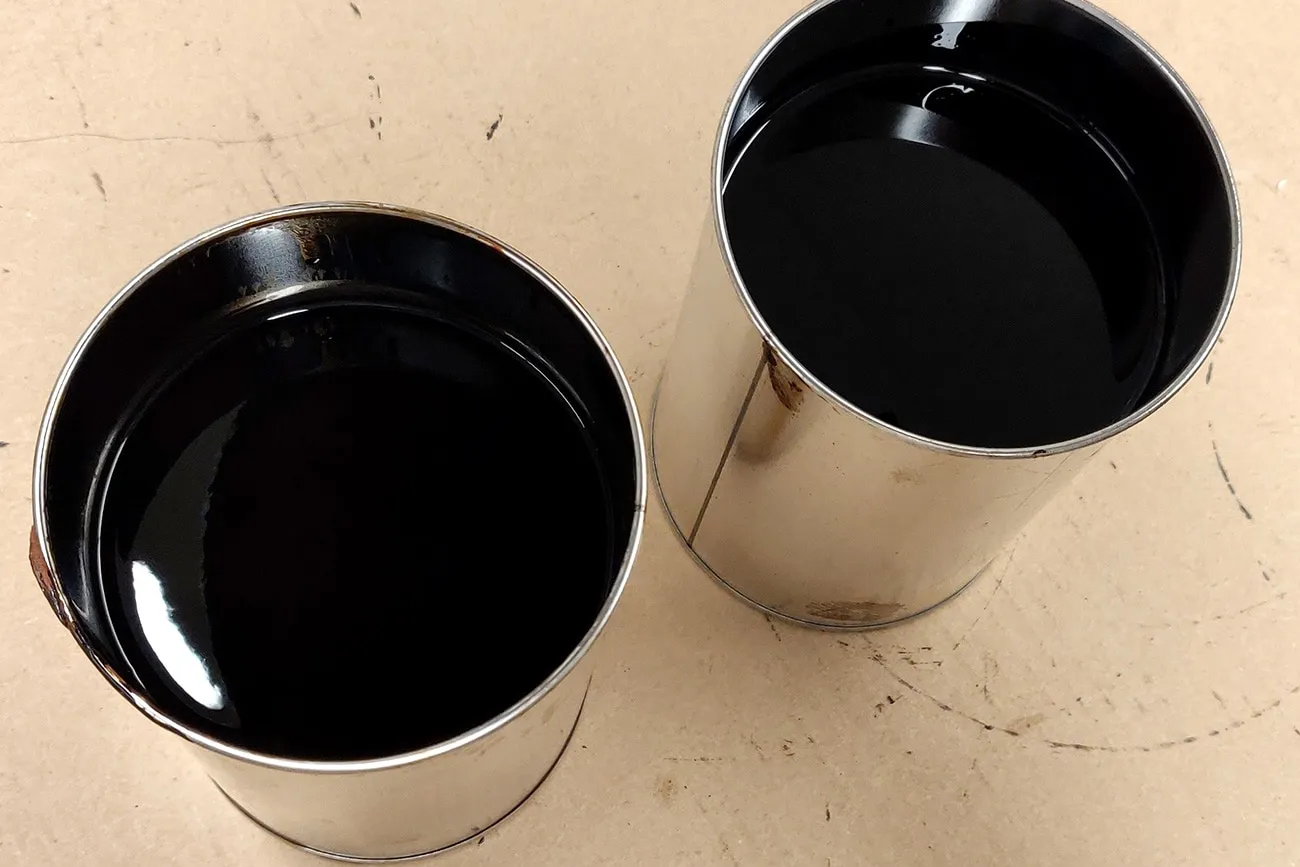
Further research by Latexfalt’s specialists resulted in a prototype circular binder that is a fully-fledged replacement for bitumen. “The product, made from different types of plastic and rubber, as well as oils from the paper industry, opens up plenty of new opportunities,” says Hendrikse. “This circular alternative to products derived from fossil resources enables road builders to become a fully-fledged part of the circular economy. At the same time, this application means that unusable plastic waste streams no longer need to be incinerated or dumped. It’s a win-win.”
Sample
Latexfalt is keen to introduce users to the new binder. “Interested parties can request a sample of this bitumen substitute from us, then use it to make a test piece of asphalt in a laboratory,” says Hendrikse. “Our main priority now is to make the necessary preparations for production at scale. We’ll be sharing more about this next step soon.”
Question about this story? Ask your question
Keep following this
Get an email when a new story is published. No account needed.
- ThemeExtending the life of roads and civil engineering structures
- SubjectNews







