









Injection bolts for bridge renovations
Text and images Stafa
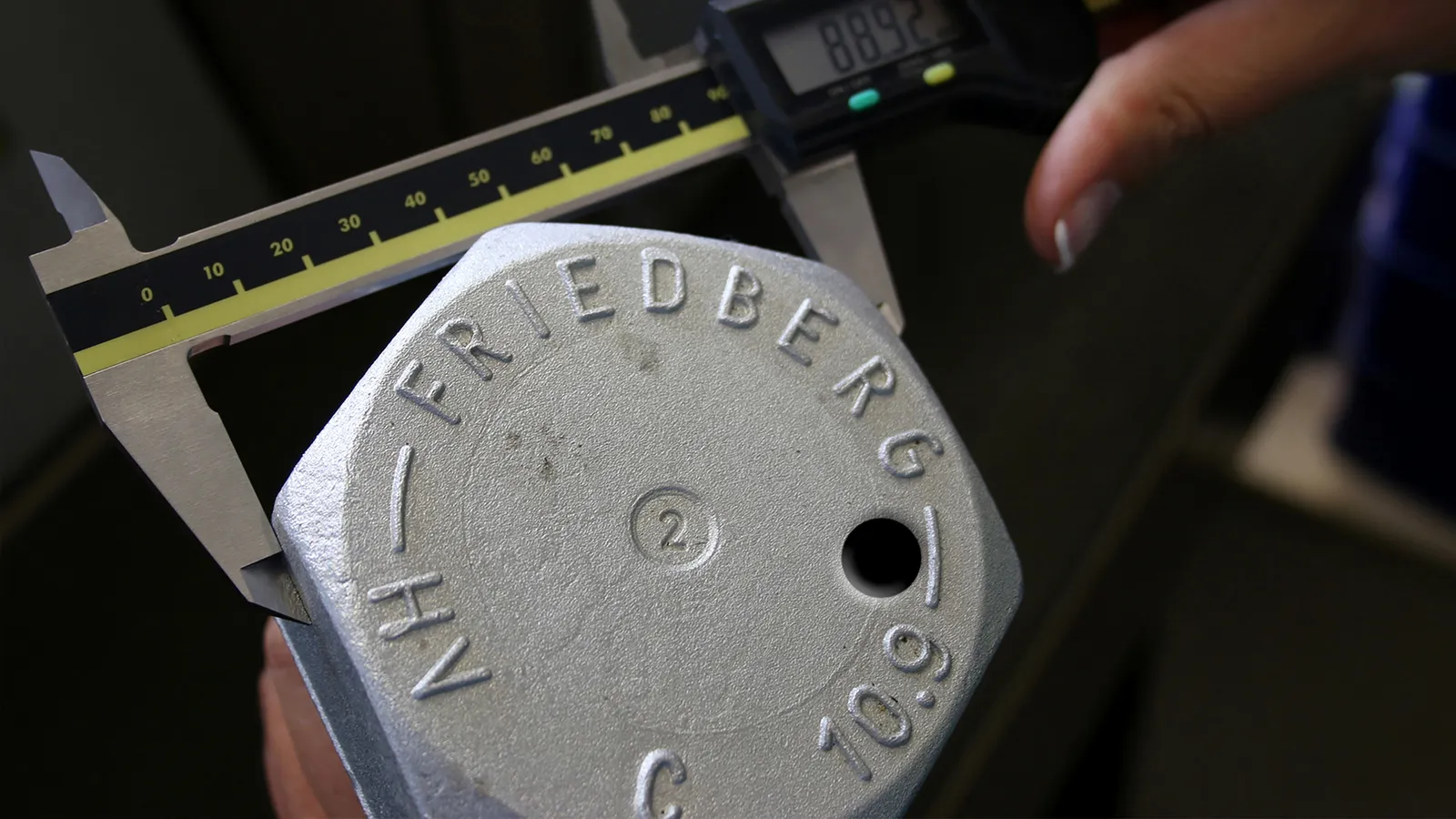
An efficient solution for installation and load transfer
Reliability and durability are essential when renovating and maintaining bridges and other civil engineering structures. Existing structures often need to be modified or strengthened, and existing holes and connections do not always align perfectly with the new requirements. In such cases, injection bolts offer a considered, practical solution.
This fastening system uses an HV or SB bolt in combination with a two-component injection resin. Filling the drilled hole completely creates a clearance-free connection and efficient load transfer. Injection bolts are used particularly in steel connections in bridge structures and other civil engineering projects. In the Netherlands, these systems are supplied, among others, by Stafa Group, with solutions from Friedberg HV sets.
How the injection bolt system works
The principle behind an injection bolt is relatively simple, yet technically well thought out. Thomas van Leeuwen, product specialist at Stafa Group, explains: “An injection bolt is an HV or SB bolt with a hole in the bolt head. After installation, two-component injection resin can be injected into the drilled hole through this channel. The venting groove allows the trapped air to escape, enabling the injection resin to fill the entire drilled hole before it cures. This creates a clearance-free fit, improving load transfer within the connection.”
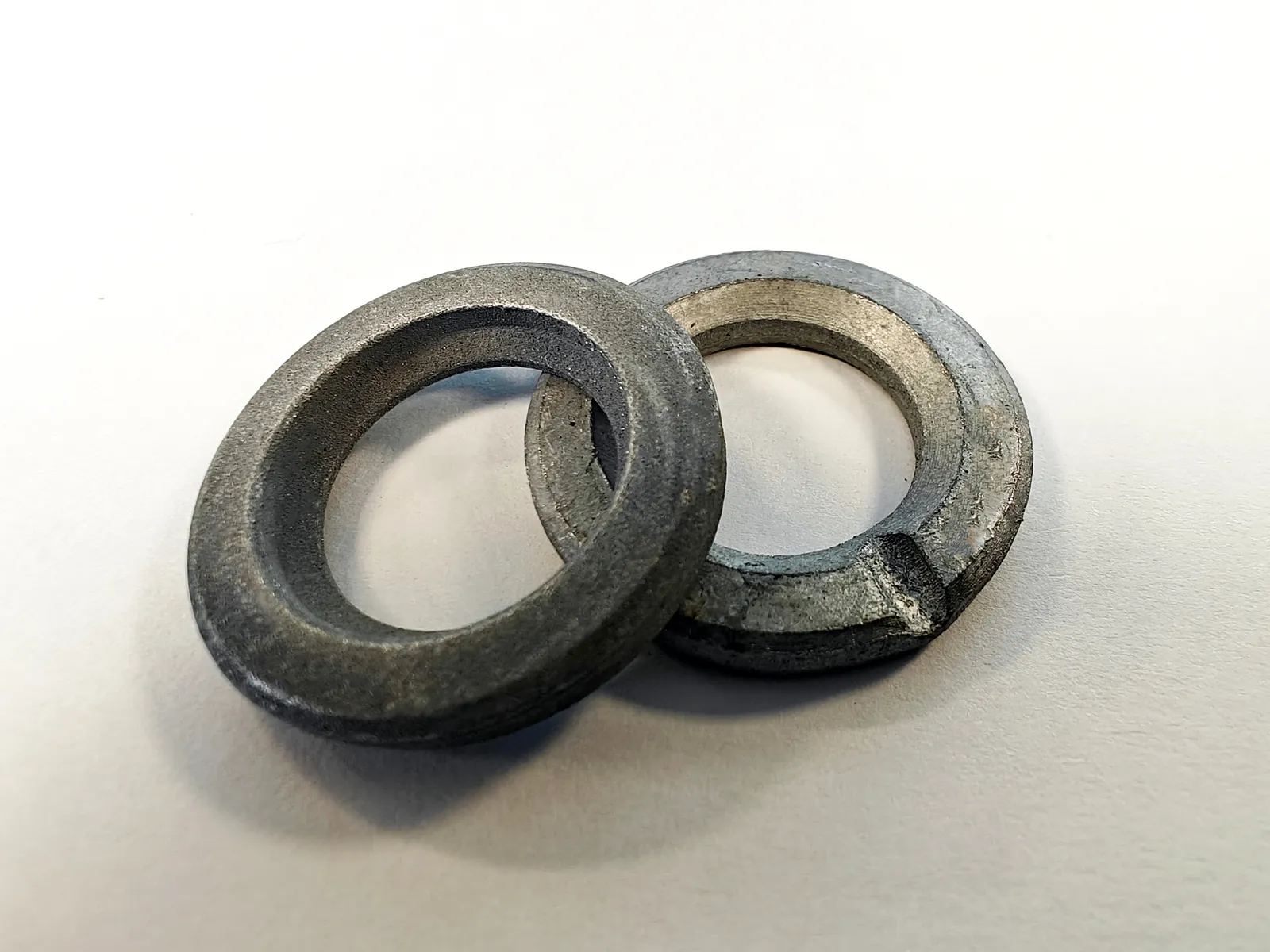
Application in bridge renovations
The starting conditions are often a decisive factor in bridge renovations. “Existing structures are affected by wear, dimensional variations and limited accessibility,” says Van Leeuwen. “Injection bolts make it possible to use existing holes while also structurally improving the connection.” Because the resin is injected only after installation, the bolt can first be fitted and aligned. The connection is then permanently fixed. This makes the system particularly suitable for upgrading existing bolted and riveted connections, and for situations where a clearance-free connection is required.
Complete system
For correct application, it is important that all components are compatible. “An injection bolt system comprises the injection bolt, washers with a chamber-and-groove profile and a two-component injection resin,” explains Van Leeuwen. “At Stafa Group, we supply these systems as a complete package, including the HV solution from the leading German brand Friedberg. We supply not only the bolts, but also the matching washers and injection resin, so that the system can be used as a whole and its performance is assured.”
As the focus on infrastructure renovation and extending its service life grows, so too does the use of injection bolts. The system offers a practical, technically sound solution for creating durable and reliable connections in existing steel structures.
Question about this story? Ask your question
Keep following this
Get an email when a new story is published. No account needed.
- ThemeExtending the life of roads and civil engineering structures
- SubjectNews







