









Infra Marketplace: ‘Fifteen girders, offers invited’
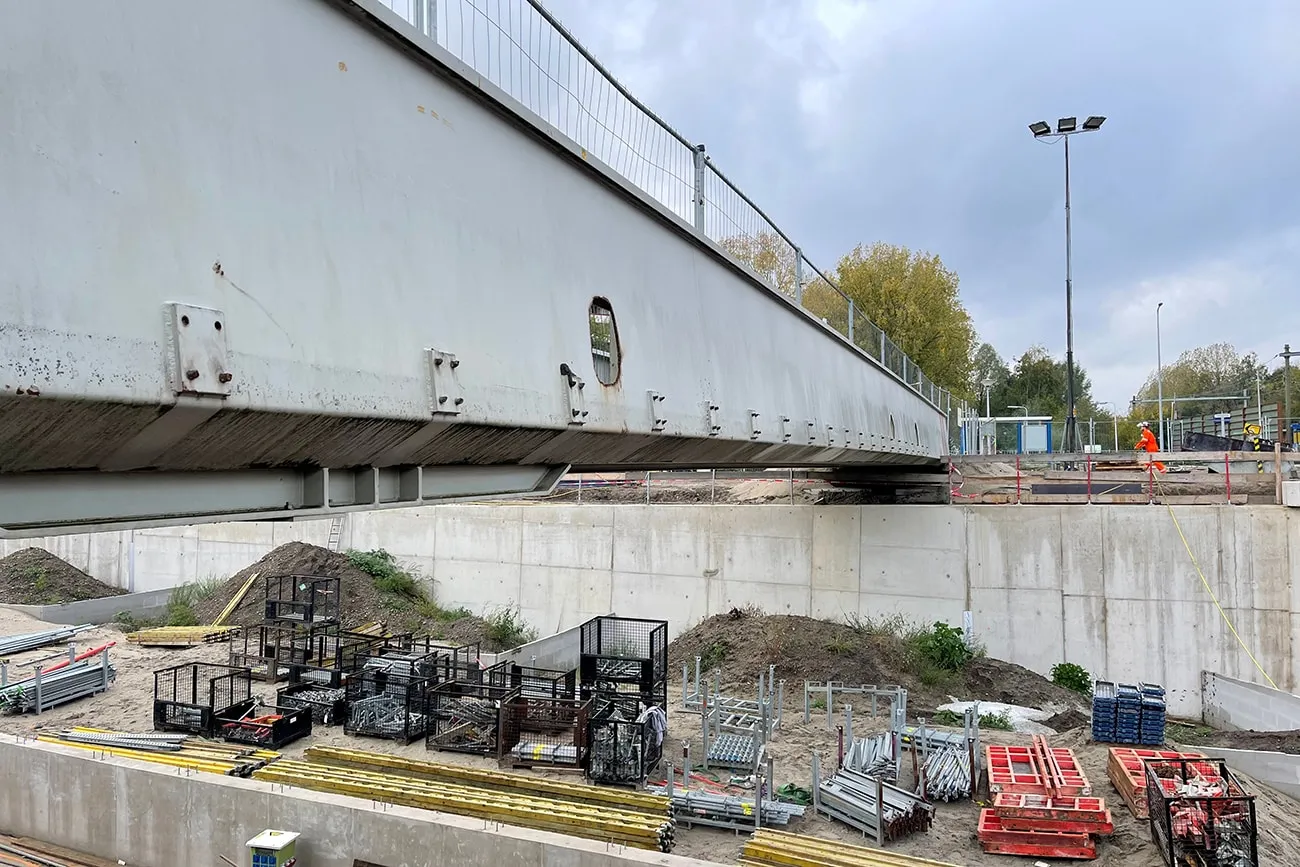
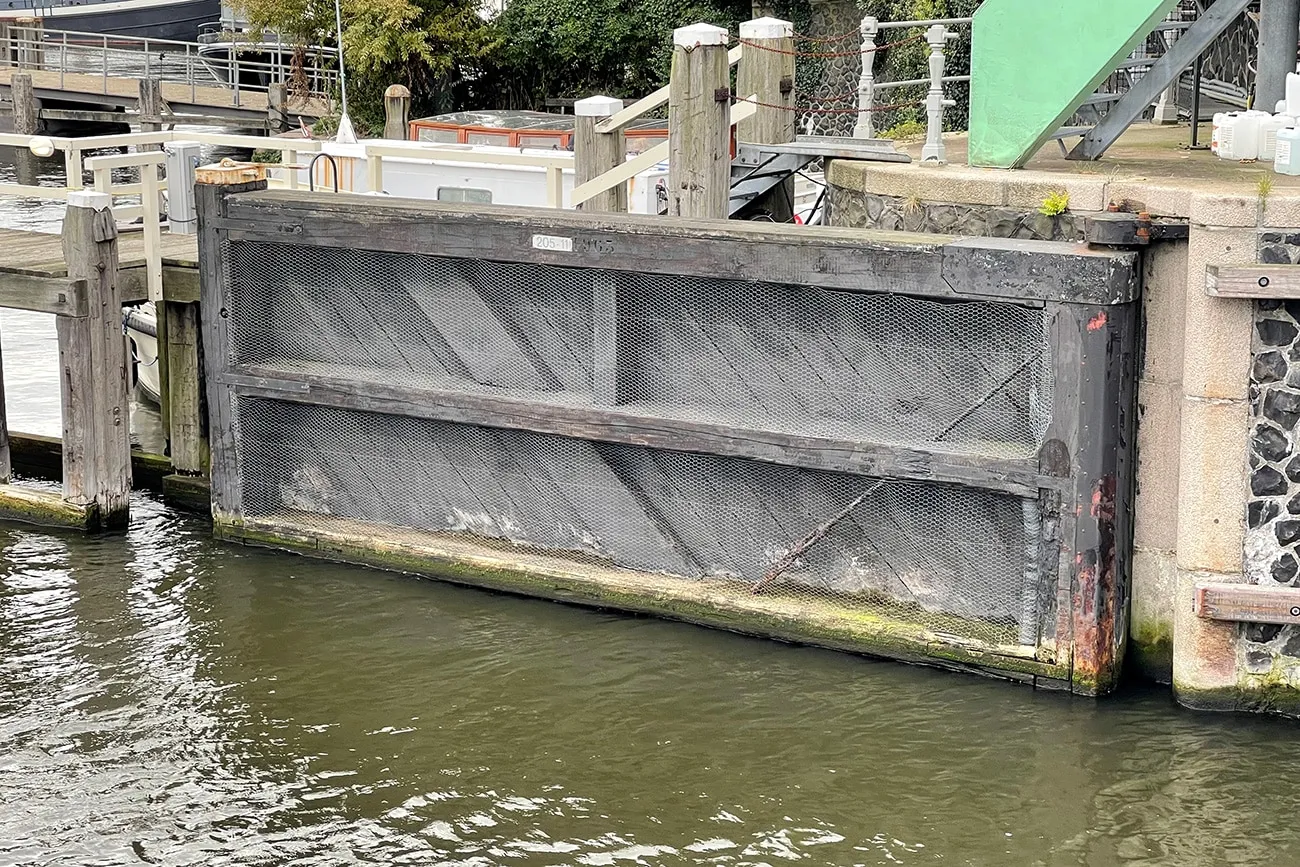
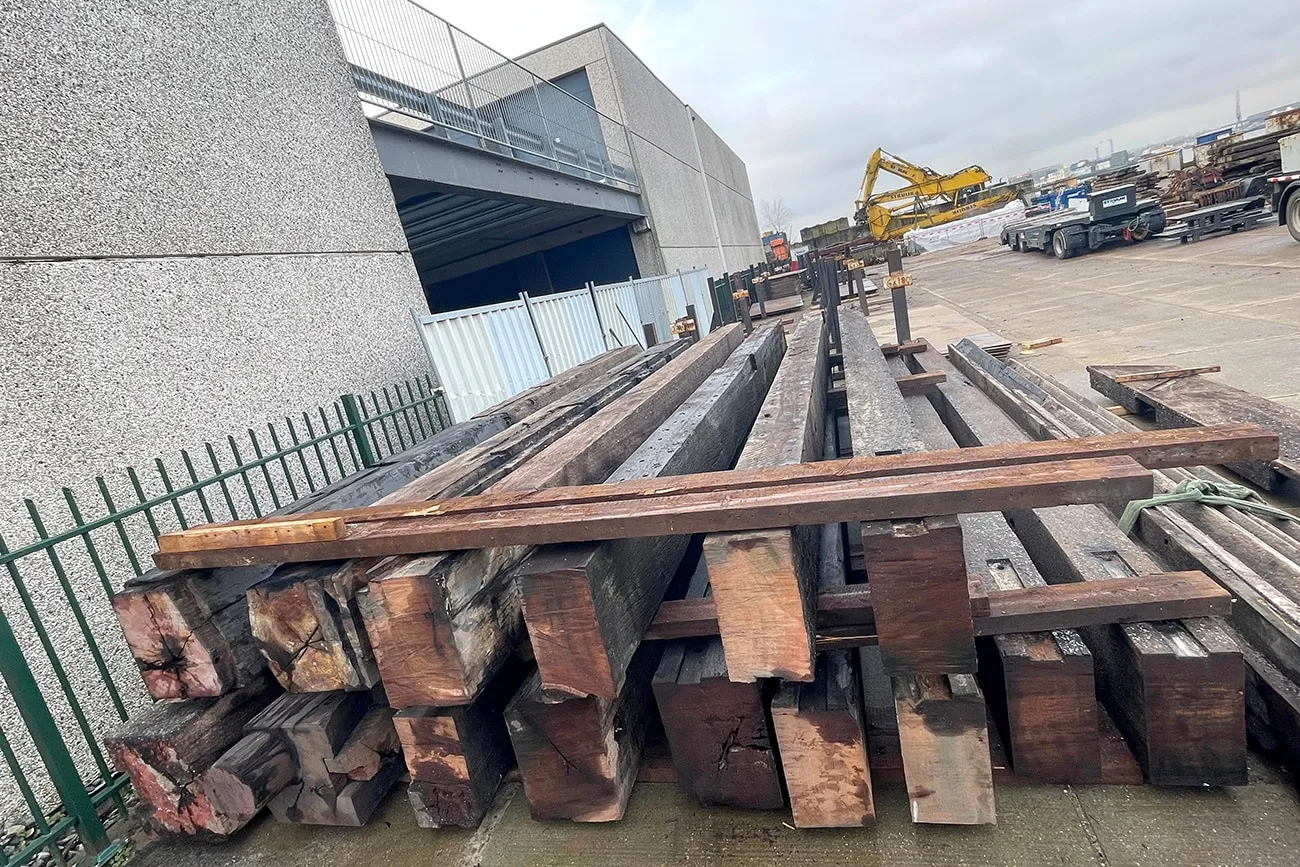
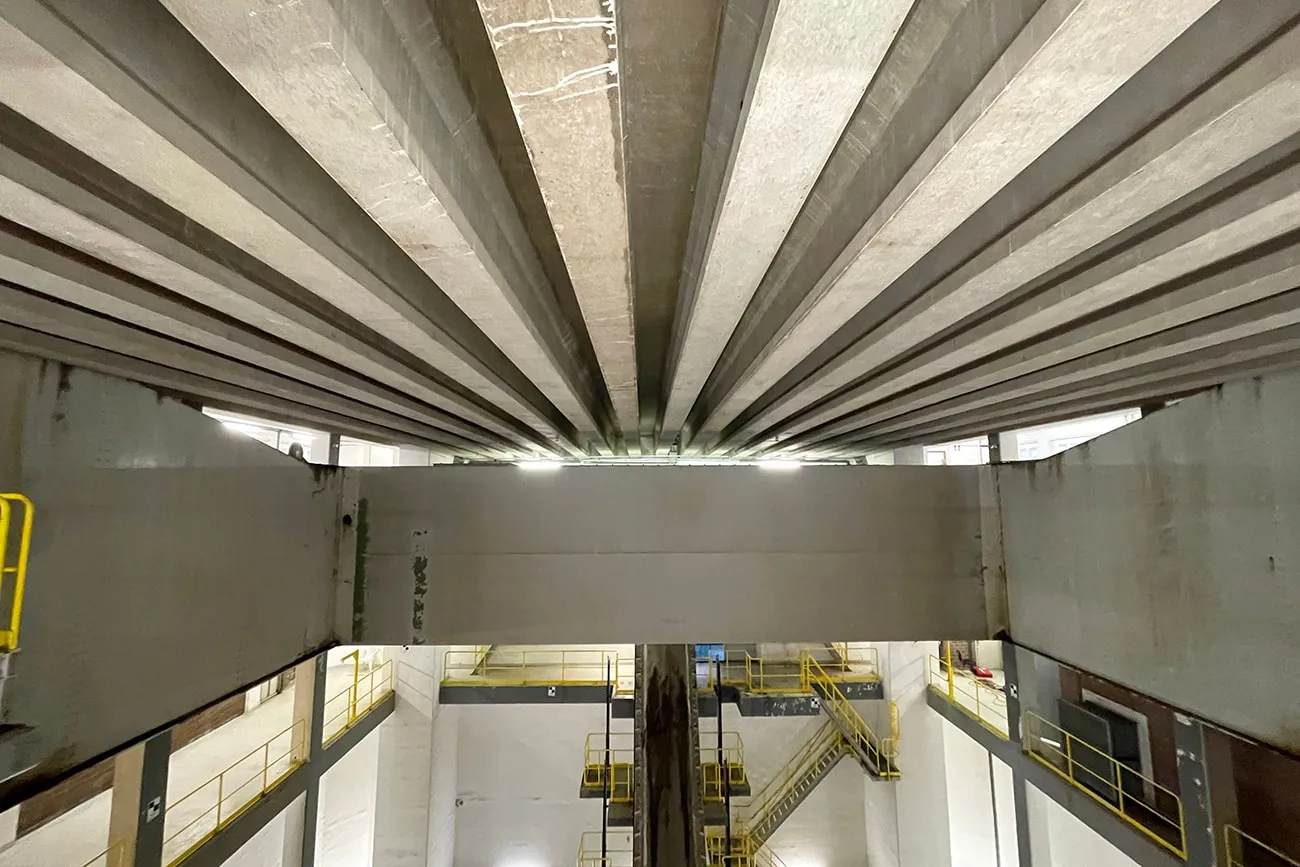
What can you do with structural steel, old road plates, Stelcon slabs or timber beams? They deserve a second life on the Infra Marketplace. Reuse must become the new normal. “We have fifteen concrete girders available, to be precise. They will become available during the renovation of the Haringvliet Bridge.”
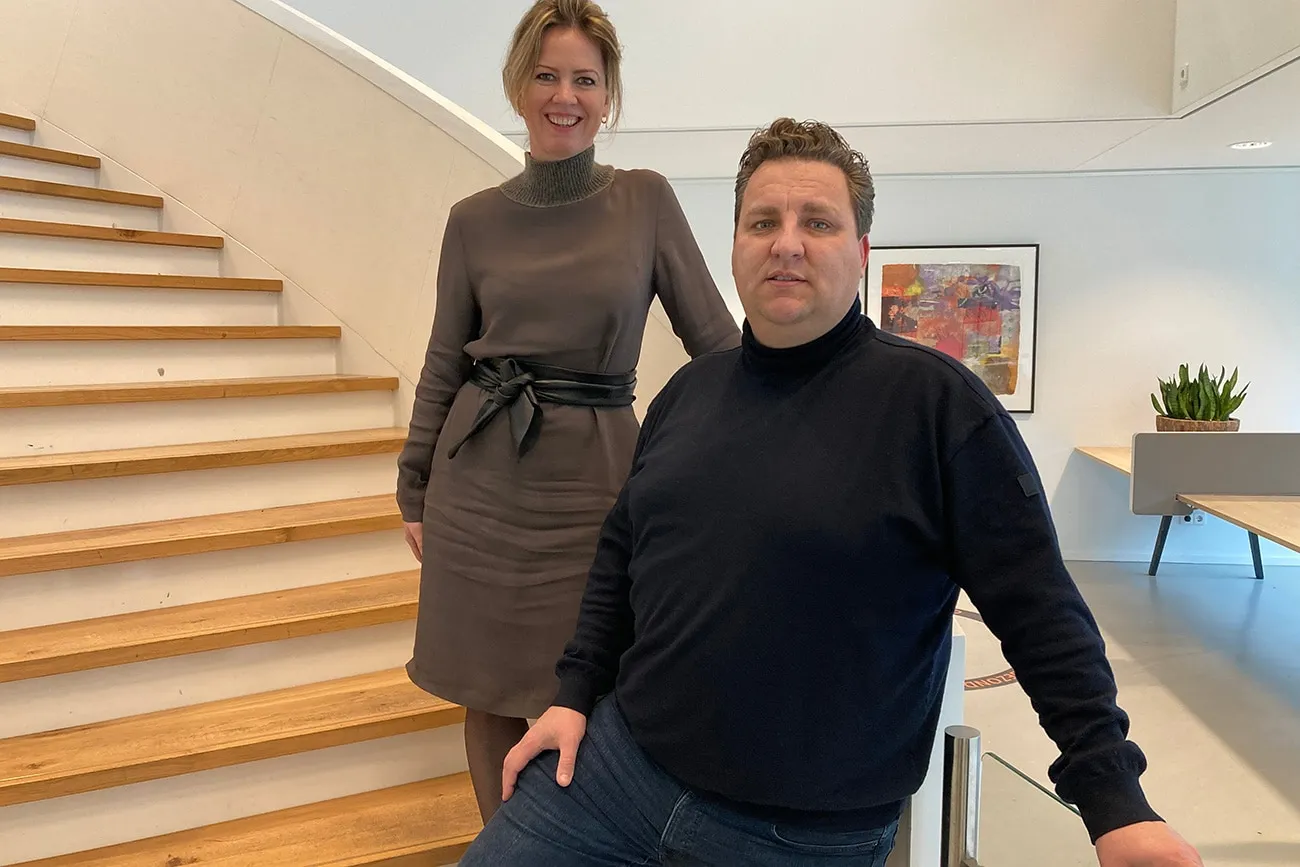
The simple idea behind Marktplaats is also the idea behind the Infra Marketplace, which Corstian van Hartingsveldt of Struijk and Eline Pohlmann of Mobilis are keen to champion. The managers are calling for a new mindset in the infrastructure sector: “The idea that you first look at what can be reused. Preferably on site, but otherwise elsewhere.” The Marketplace helps match materials between construction sites.
Like Mobilis, Struijk is part of TBI Infra and began life last century as a demolition and remediation company. Hartingsveldt says: “These days, we talk about dismantling. At least 80% of the materials on a construction site can be reused on another project.” In practice, the marketplace operates through Stichting Insert, which was founded by several market players. “It’s already working well, but it could use a boost.” Plasterboard and hollow-core floor slabs are already listed, along with window frames and brickwork, but there is hardly any material from the infrastructure sector yet. That is set to change, with TBI companies leading the way, starting with Mobilis and Struijk.
Reuse is not free
Hartingsveldt knows that reuse is not always the easiest option. Used materials often need cleaning and storage. The best chance of successfully matching supply with demand comes when you know well in advance when materials will become available. He points again to the Haringvliet Bridge example. “We started looking months ago and reviewed the schedule together. You can then agree on the best time, because the bridge renovation has a very tight programme. We already know that in eight weeks’ time we can cut the beams free using wire saws. They are prestressed girders, so we need to find a structure where these 22-metre girders will fit exactly. You can’t just saw a bit off. We have reserved a site at the MDB to clean the girders. No, they are not free for collection. The added value and savings come from reusing them and avoiding the need for new materials. From the CO2 emissions that are avoided. Reuse deserves a fair price.”
“At the moment, the construction sector is ahead of infrastructure. There is already a thriving trade in materials such as plasterboard, hollow-core floor slabs and cable trays for offices and homes. We will take the same step in infrastructure.”
Changing routines
The Marketplace’s ambition is to list materials becoming available from at least ten ongoing infrastructure projects before the end of this year. The materials do not have to be available immediately, but listings must include a schedule indicating when they will become available.
Eline Pohlmann, Head of Project Controls and Support at Mobilis, stresses the need for a new mindset in the infrastructure sector. “It may still be easier not to do it, but doing it is the only right way forward. We need to reduce our environmental impact. That comes down to mindset and action. I remember that a few years ago there was a lot of criticism of the ban on plastic bags in shops. Now no one talks about it. Nobody thinks it’s strange anymore when the heating is turned down a few degrees to reduce gas consumption. Measures like these help you make progress, and routines are usually easy to change.”
Passing materials on
All kinds of items are already being passed between Mobilis construction sites. Often these are individual items such as emergency generators, lockers or office furniture. Site cabins also often get a second or third lease of life. Temporary bridges, barriers, road plates, crowd-control barriers and other equipment are also increasingly moving from site to site.
A relatively new development is applying circular thinking to the project itself. “Ideally, you should already be thinking during the tender process about which elements of a bridge, tunnel or water treatment plant could be reused. Nobody thinks about the end of a project’s life when it has yet to be awarded. But it is most efficient to record at the point of purchase and delivery which materials have been used where, and how they have been fixed in place and can be removed again. During the tender or construction phase, the focus is on the schedule and delivery. Understandable, but the sector needs a ‘mindshift’ here too. It is still too easy to do nothing.”
Have a business enquiry for Mobilis? Get in touch
Companies in this story

Keep following this
Get an email when a new story is published. No account needed.
- ThemeLower emissions and more reuse
- SubjectNews
- CompanyMobilis







