









Ground conditions determine decisions during work preparation
Text Roel van Gils Image Aboma
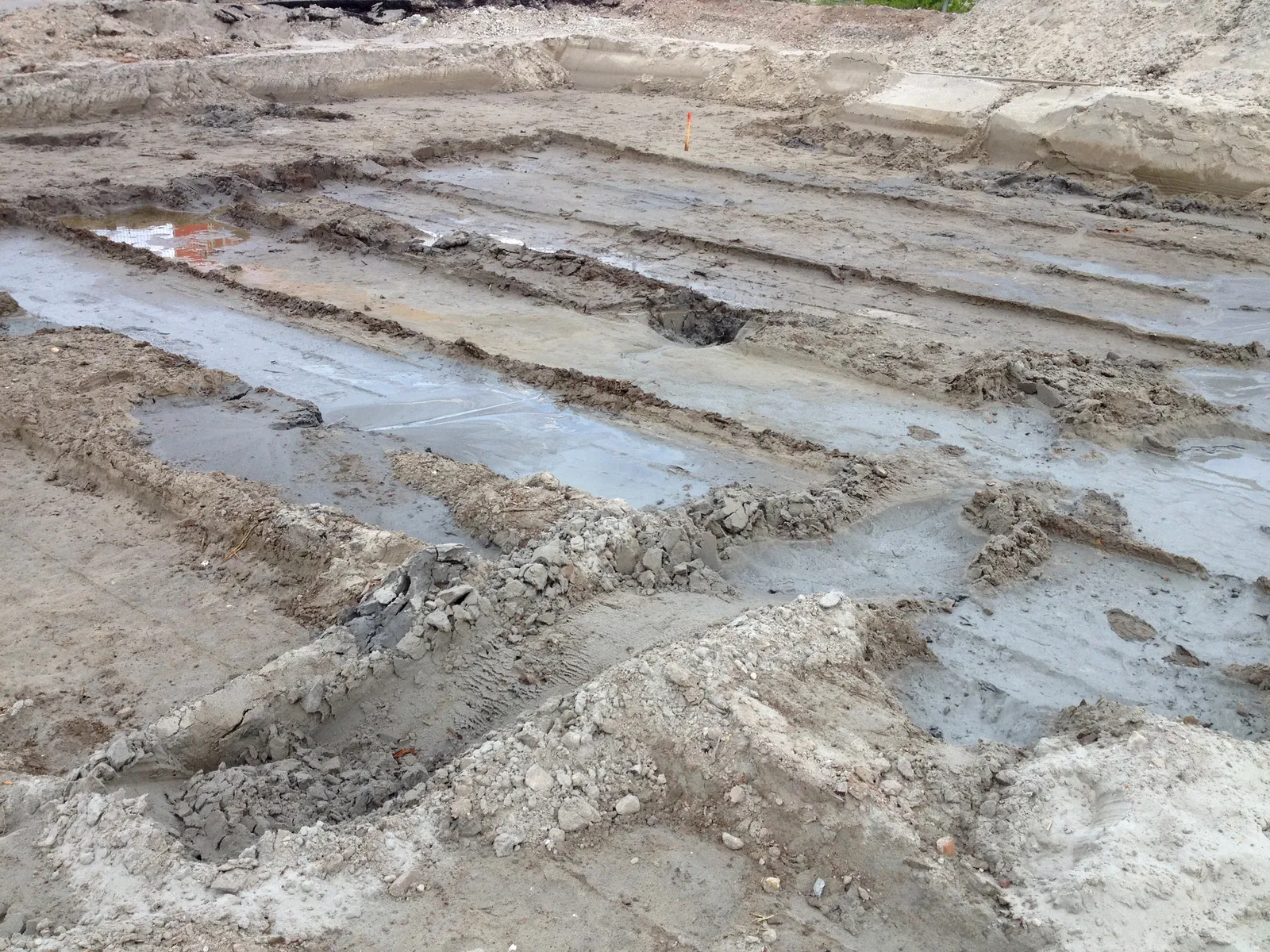
Important decisions on many construction projects are made at an early stage during work preparation: which machinery to use, which type of foundation to choose and how to organise the construction process. In practice, however, we regularly see that these decisions are not sufficiently aligned with the actual bearing capacity of the ground. This may not seem to be a problem on paper, but during construction it often leads to extra costs, delays and, in some cases, unsafe situations. This is according to Pieter Bakker, operations manager at Aboma Inspections. He is calling for greater attention to the bearing capacity of the construction site during work preparation.
As an independent specialist in construction site investigations, Aboma’s experts carry out surveys to determine the bearing capacity of the ground. “We carry out boreholes and measurements with a penetrologger on site, then use a calculation programme to assess whether the ground has sufficient bearing capacity for the machinery to be used, in combination with the CPT data provided by the client,” Bakker explains. “What we regularly find is that decisions made during work preparation are not sufficiently aligned with the actual ground conditions.”
Construction pit
A common example is the construction pit. Bakker: “The pit is excavated to reach the correct level for the pile heads. In doing so, the most load-bearing part of the ground is often removed. When we carry out an investigation later, it turns out that soil has to be brought back in to provide sufficient bearing capacity. The result: double work and unnecessary extra costs. These situations could have been avoided. Existing CPT data can show at an early stage what the ground will support. Taking this into account during work preparation makes it possible to better match the machinery and foundation technique to the required bearing capacity. The question is always: what is the best technical solution, and is it financially viable? We too often see this only being discussed once the construction plan has been finalised and we have been asked to carry out an assessment.”
Lifting plans
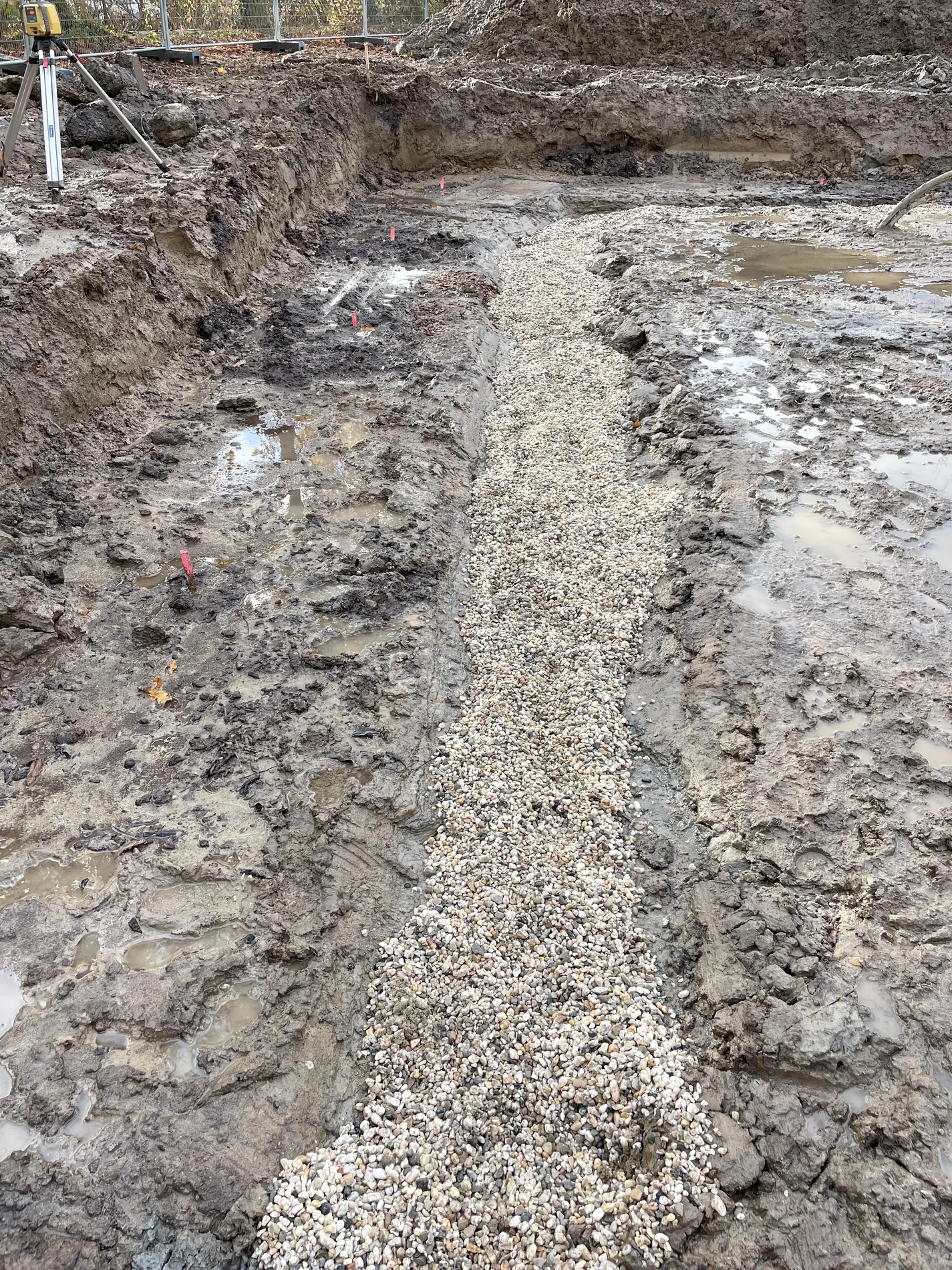
The same applies to lifting plans, according to Bakker. “These often consider only the bearing capacity required while lifting the freely suspended load. But when the load is set down, the centre of gravity shifts and, in some cases, the load beneath the tracks or outriggers increases. This aspect is by no means always taken into account. What is more, lifting plans regularly rely on CPT data that is ten years old. No checks are made to establish whether site conditions still correspond to those recorded in the CPT survey. The ground may have been disturbed, for example, and/or the groundwater level may have changed. In addition, important documents often remain in a folder in the site cabin. The machine operator, who deals with the risks every day, does not always get to see them. They may not position their machine as specified in the lifting plan. If it then sinks into the ground, the question is: how could this happen?”
This is a matter of safety, Bakker rightly points out. “Fortunately, incidents are rare, but when things go wrong, the consequences are serious. A more suitable machine, a different construction method or an adjusted schedule can sometimes provide a safer solution. Our message is clear: carefully consider the options based on existing CPT data, and investigate in advance the minimum bearing capacity required for the work to be carried out, before earthworks begin in the construction pit. Make sure that decisions made during work preparation are based on up-to-date, realistic data, and share this information with the people who need to use it. Only then will the preparatory phase truly provide the basis for safe and efficient execution.”
Question about this story? Ask your question
Keep following this
Get an email when a new story is published. No account needed.
- ThemeUnderground construction
- SubjectNews







