









Grid congestion forces the infrastructure sector to make different choices
Text Armand Landman Beeld Armand Landman en AHOY Rotterdam
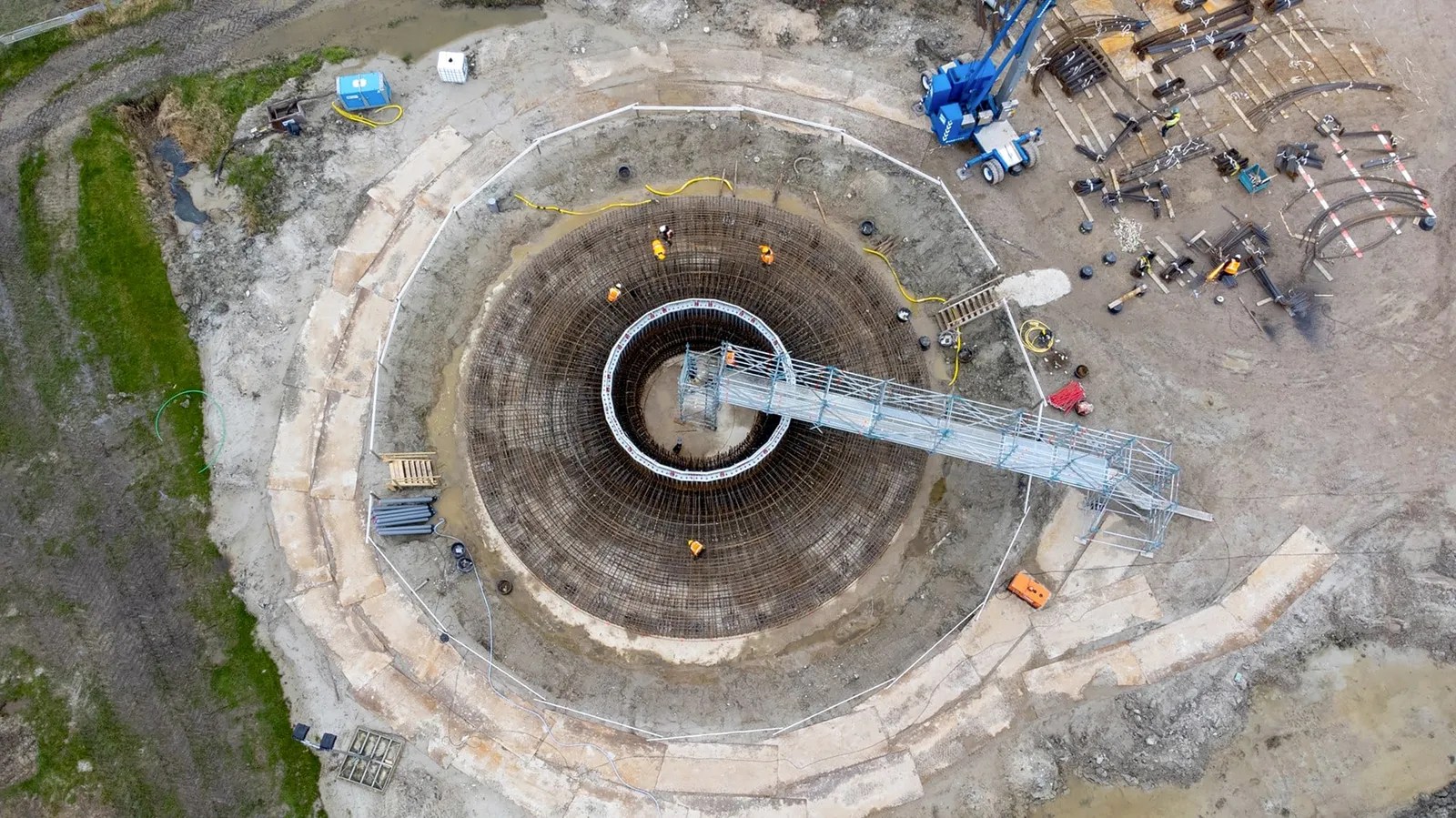
From showstopper to design challenge
The infrastructure sector is increasingly running up against the same limit. Not a technical one, but an electrical one. Grid congestion is increasingly determining whether projects go ahead, are delayed or even get off the ground. Where the focus used to be on technology, budgets and permits, energy capacity is now taking centre stage. No power, no construction.
The scale of the problem is now well known, but its impact is only just beginning to be felt. In 2025, more than 14,000 businesses were on the waiting list for a new or upgraded connection, representing more than 9 GW of requested capacity. Temporary connections for construction and infrastructure projects are also increasingly subject to the same restrictions in congested areas. Energy is no longer a utility, but a critical prerequisite.

Projects start with an energy requirement
The first change is evident at the project start. Traditionally, a project begins with a design and a schedule. Increasingly, however, the energy requirement is being considered earlier. Is grid capacity available? If not, what alternatives are there?
This is particularly evident in infrastructure replacement and renovation projects. Bridges, tunnels and quay walls are not only being structurally upgraded, but also prepared for the electrification of operation and maintenance. Examples include shore power facilities at quays, power supplies for movable bridges and locks, and charging infrastructure for electric maintenance equipment. The construction work itself also requires capacity: electric equipment, pumps, lighting and temporary installations.
The traditional construction connection is no longer enough. In some cases, no connection is available within the project schedule at all. This forces parties to consider alternatives before the tender is even issued.
Don't wait, make arrangements
Grid reinforcement will bring relief in the longer term, but not within the timescale of most projects. This is prompting a different approach: projects that proceed without a direct grid connection.
Practice shows that this is possible. In Arnhem, the trolleybus network is being used as a temporary power source for heavy equipment. In Tiel-Waardenburg, a dyke reinforcement project ran dozens of electric machines using a combination of local wind power, storage and smart controls.
New market entrants are also responding to this need. Bryntell, for example, has introduced a mobile energy solution that can operate entirely off-grid. The system runs on a specially developed biofuel and, according to independent measurements, delivers net-zero CO2 emissions, with no nitrogen deposition and greatly reduced particulate emissions. Civil engineering contractor Mobilis has already deployed the system on a project where conventional diesel solutions no longer met requirements. The discussion is shifting from ‘waiting for grid capacity’ to ‘how do we organise energy on site?’
Notably, these solutions are increasingly offered as a service, including installation, monitoring and maintenance. Energy is thus becoming an integral part of the project rather than a standalone utility. This also makes it easier to scale up and share knowledge across projects.
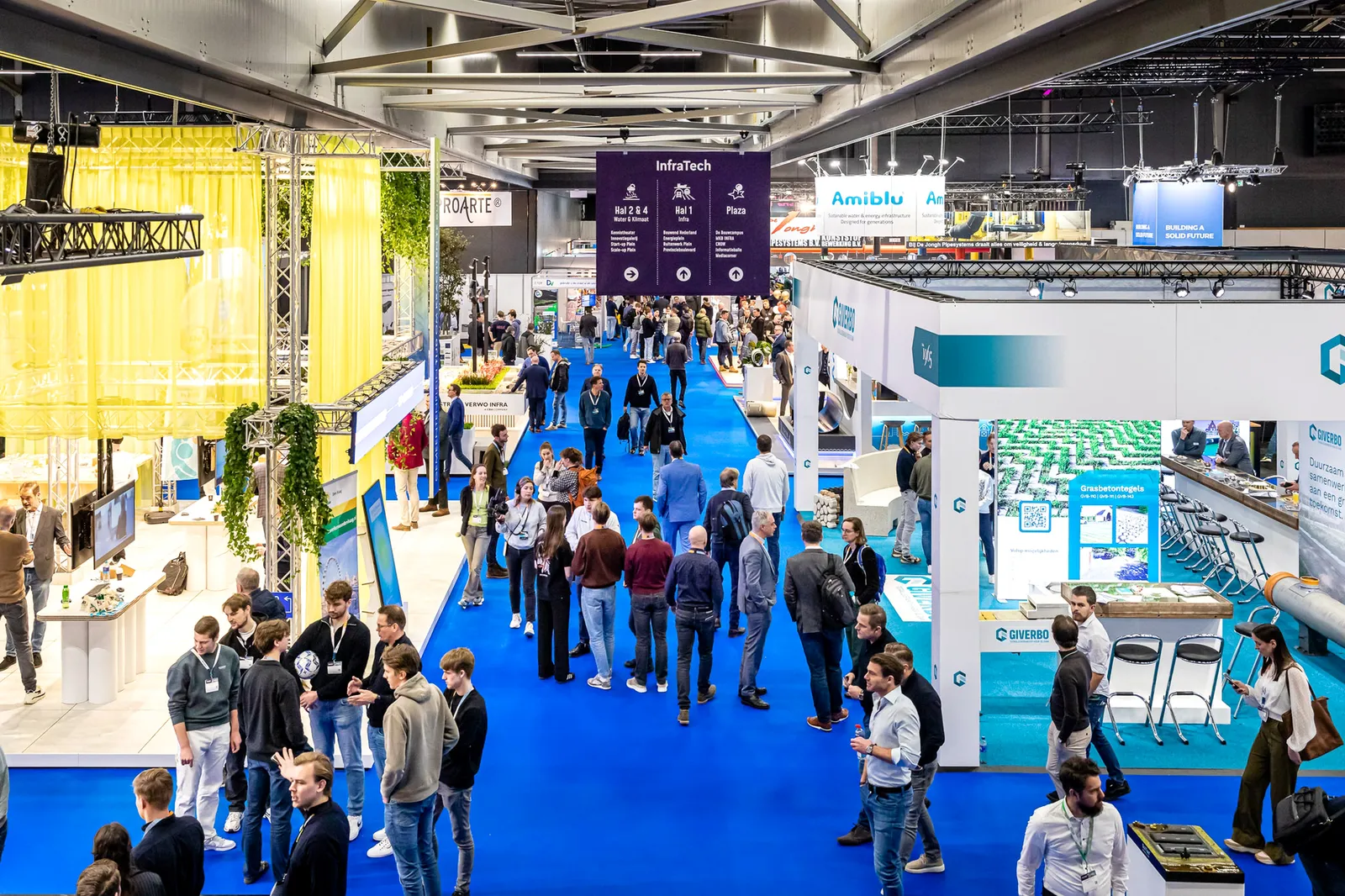
What tenders are already showing
This shift is also evident in recent tenders and consortium approaches. Contractors and engineering consultancies are no longer treating energy as an afterthought in their proposals, but as a design challenge.
A number of principles keep coming up:
Early coordination with network operators, starting in the preliminary design phase, to clarify capacity, lead times and alternatives. Rather than connecting afterwards, design in advance around the energy available. Combine energy sources. Temporary grid connections are supplemented with battery storage, mobile generation and, where possible, local generation. This smooths peaks and keeps projects running, even when grid capacity is limited. Use smart controls through energy management systems. Energy consumption is monitored and actively managed, so that charging and use are matched to available capacity. Organise energy hubs on or near the construction site. Instead of arranging a separate connection for every project, use shared facilities, charging hubs and buffers that can serve multiple projects or phases. Tenders are also increasingly asking for a detailed energy plan: a substantiated strategy setting out how capacity will be secured, how peak demand will be managed and what fallback options are available if the grid connection does not materialise. This requires bidders to think beyond standard solutions. These approaches were developed in the context of zero-emission construction sites, but are directly applicable to infrastructure projects. It is there, where projects are often larger and longer-running, that energy logistics is becoming a structural part of delivery.
From project to area
The next step is already taking shape: organising energy not just at project level, but across an entire area. Initiatives are emerging in urban areas, ports and infrastructure corridors to address energy supply collectively.
For example, several projects may use a single temporary charging hub, share energy storage or connect local generation directly to infrastructure projects. Existing assets, such as rail infrastructure, port facilities or industrial connections, are also increasingly being used as temporary energy sources.
This approach calls for collaboration across project boundaries. Clients, network operators and contractors must make joint decisions about prioritising and using scarce capacity. Energy is thus shifting from a technical issue to a governance and organisational challenge.
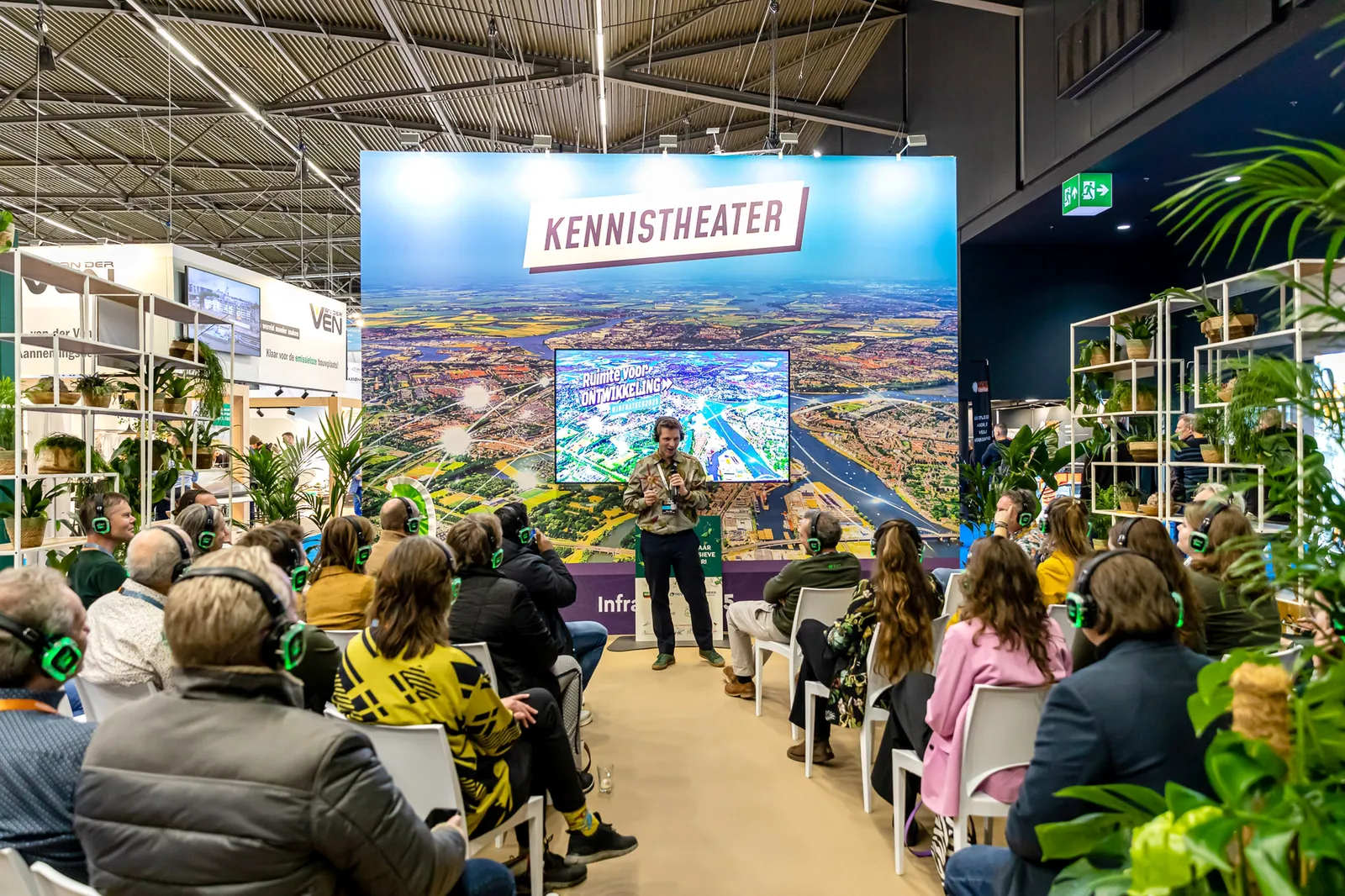
Underground infrastructure and energy are converging
The impact of grid congestion does not stop at the construction site. The underground, already a scarce domain, is becoming increasingly crowded. Cables, pipelines and district heating networks all need space in an environment that also has to accommodate water, foundations and existing infrastructure.
This makes energy infrastructure an integral part of the civil engineering challenge. Network operators are joining projects at an increasingly early stage because their assets have a direct bearing on whether projects can be delivered. In urban areas, this means design choices are increasingly dictated by what can still fit, both physically and in terms of energy capacity.
From technical issue to systems challenge
What all these examples have in common is that technology is not the limiting factor. Electric equipment is available. Energy generation and storage are technically feasible. The challenge lies in organisation, coordination and timing.
Grid congestion is forcing the sector to take energy as seriously as structures and logistics. Capacity requirements, charging schedules and energy profiles are becoming part of the design. Energy logistics is developing into a fully-fledged discipline, bringing designers, site teams and energy suppliers together.
This also places demands on clients. Zero-emission working ambitions have now been widely embraced, but without certainty about energy supply they create risks and delays. Experience shows that consistent requirements, combined with scope for smart solutions, work better than rigid specifications. Functional requirements are therefore increasingly being used instead of prescriptive requirements, allowing market parties to arrange their own energy solutions.
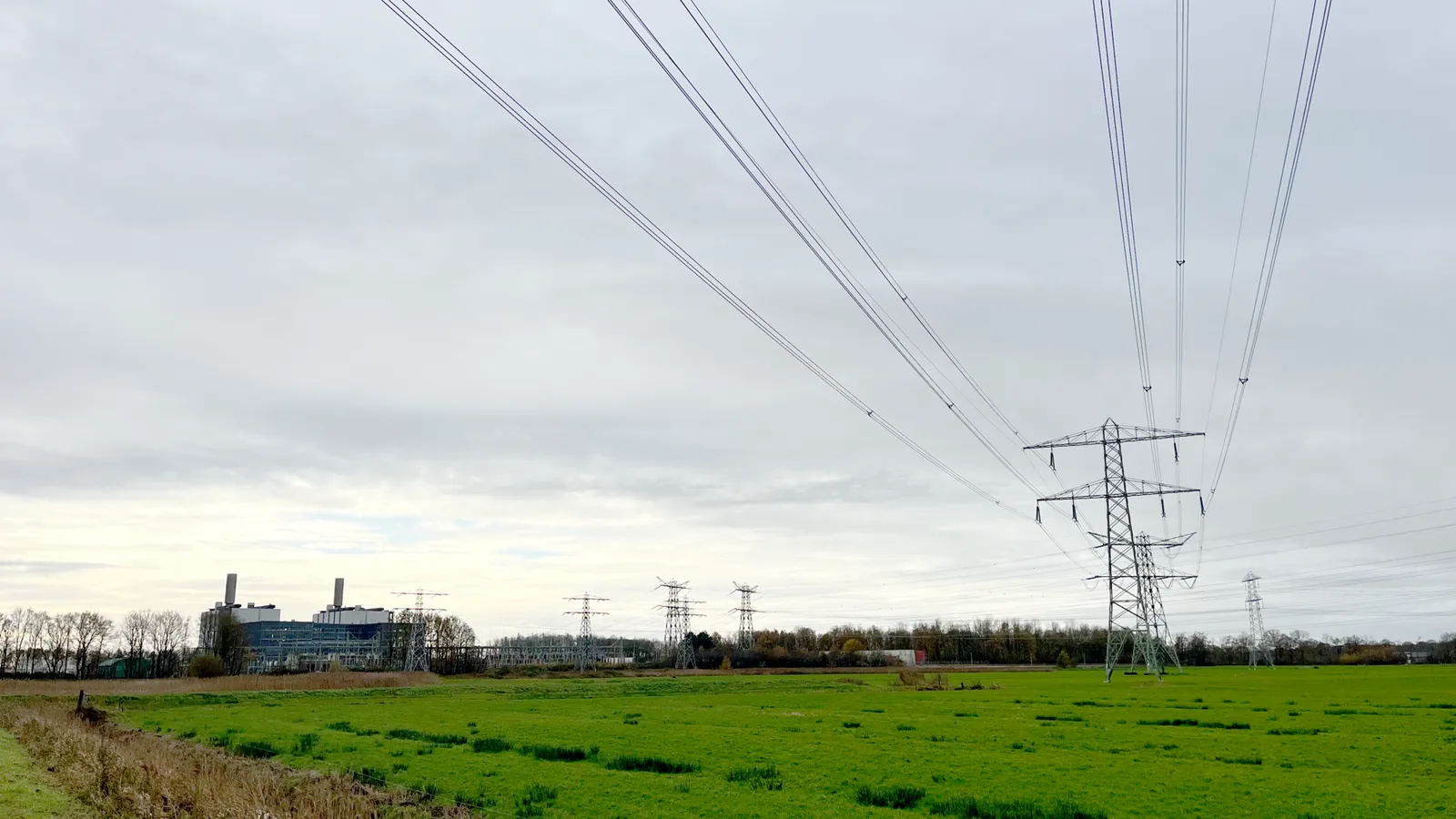
From constraint to design challenge
Grid congestion is not a temporary obstacle. It is increasingly proving to be a structural factor. Projects that fail to account for it grind to a halt. Those that factor energy in from the outset remain deliverable.
The sector is facing a major shift. Rather than waiting for capacity, projects must be designed within the limits of the system. Temporary energy hubs, off-grid solutions and smart controls show that there is scope to act, provided it is used well.
The question is no longer whether it can be done, but how it should be organised. Taking an integrated approach to energy helps maintain control over planning and delivery. Those who fail to do so will find that the biggest constraint is not underground, but in the grid.
Question about this story? Ask your question
Companies in this story

Keep following this
Get an email when a new story is published. No account needed.
- ThemeLower emissions and more reuse
- SubjectNews
- CompanyMobilis







