









Fugro introduces sustainable, optimised approach
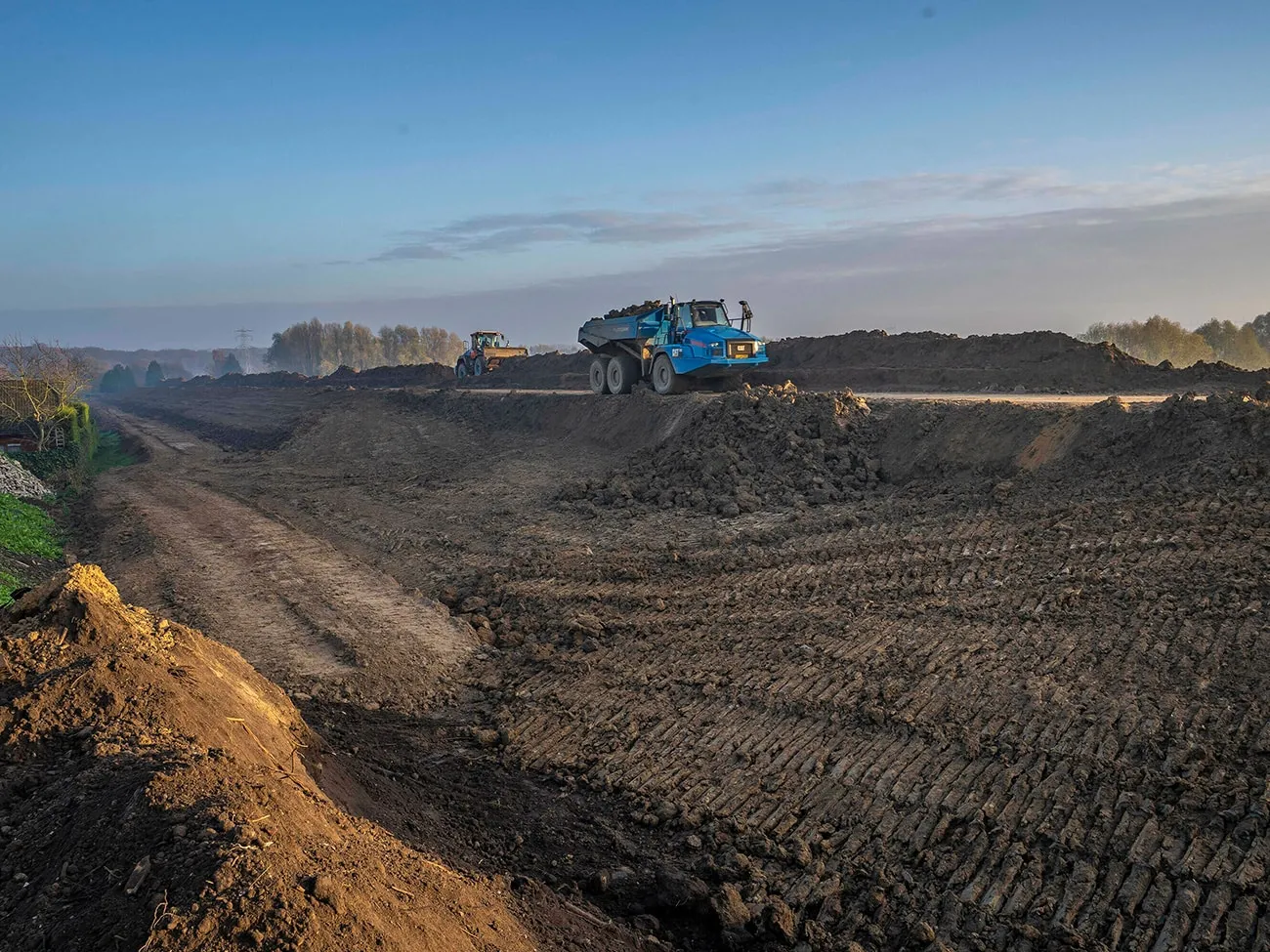
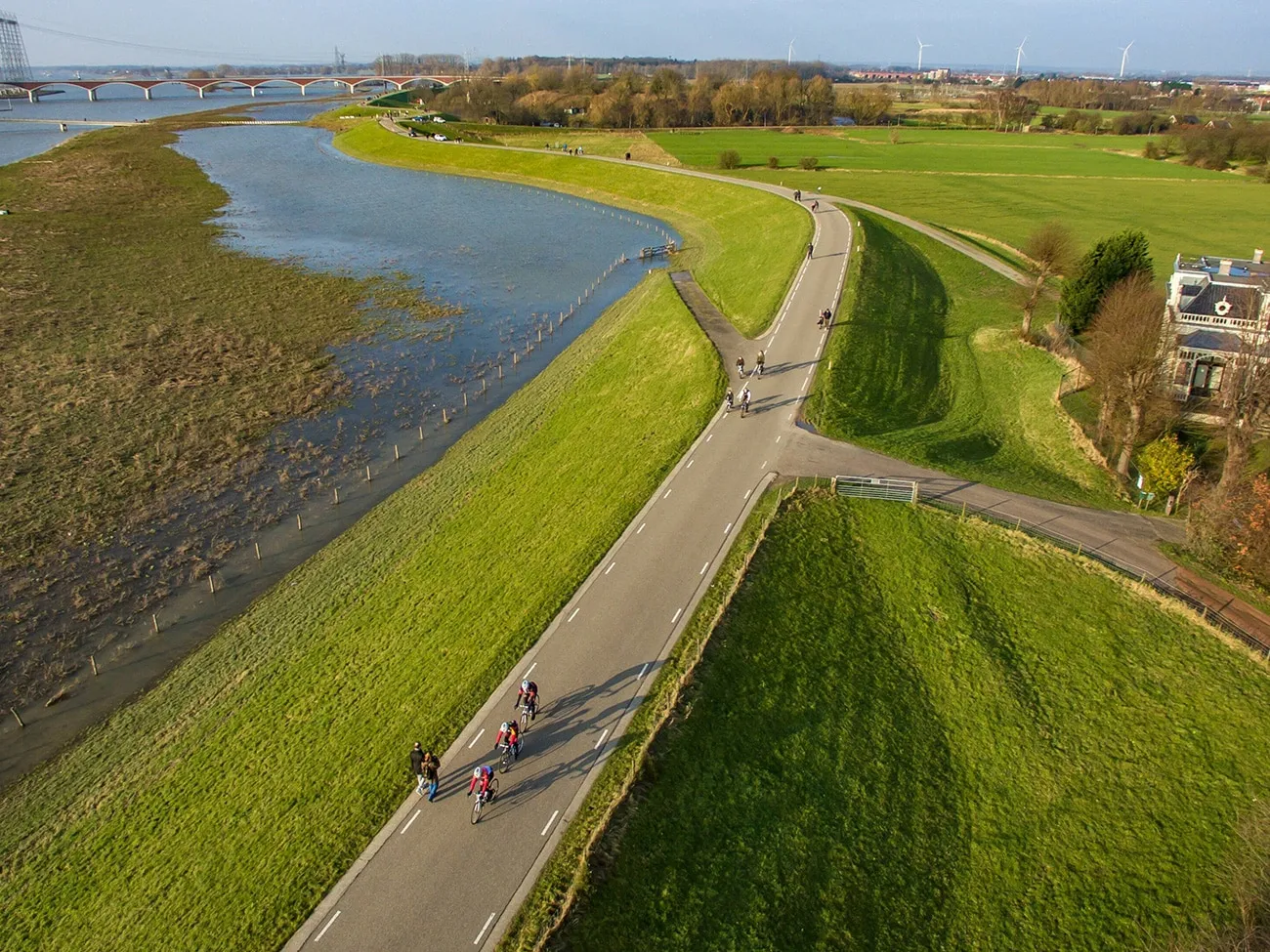
A few years ago, it was established that approximately 15 km of the Waaldijk between Wolferen and Sprok, near Nijmegen, did not meet safety standards. Following thorough preparation, construction consortium De Betuwse Waard, comprising contractors Ploegam, Dura Vermeer and GMB, began work on the required reinforcement in late 2021. Fugro has been part of the project team since the exploratory phase.
The Waaldijk is fit for another while
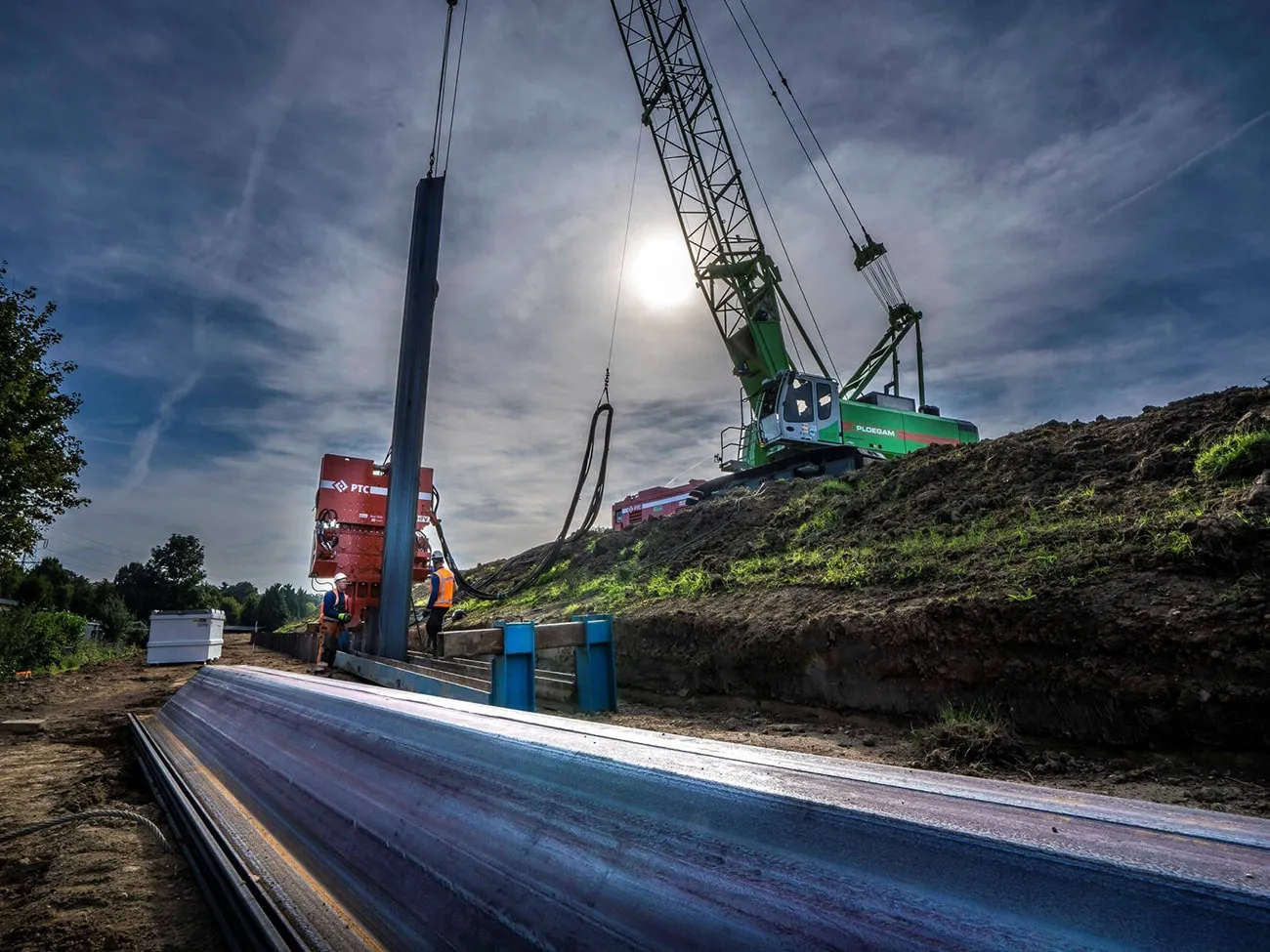
Parts of the Waaldijk in this area are insufficiently stable or vulnerable to piping. The clay cover of the dike is subject to stringent requirements because of the risk of wave overtopping. The project aims to ensure that the entire dike meets the stricter requirements of the Flood Protection Programme (HWBP) for another 50 years.
The main technical challenges on this project are effectively addressing the piping risk, the limited space available for reinforcement measures, making the dike resistant to overtopping, and working within Natura 2000 requirements. Fugro’s Water sector consultants have been closely involved since the tender phase in developing the preliminary plan on which the successful bid was based. This included an extensive survey programme, with, among other things, cone penetration tests, boreholes and electromagnetic measurements.
Piping risk
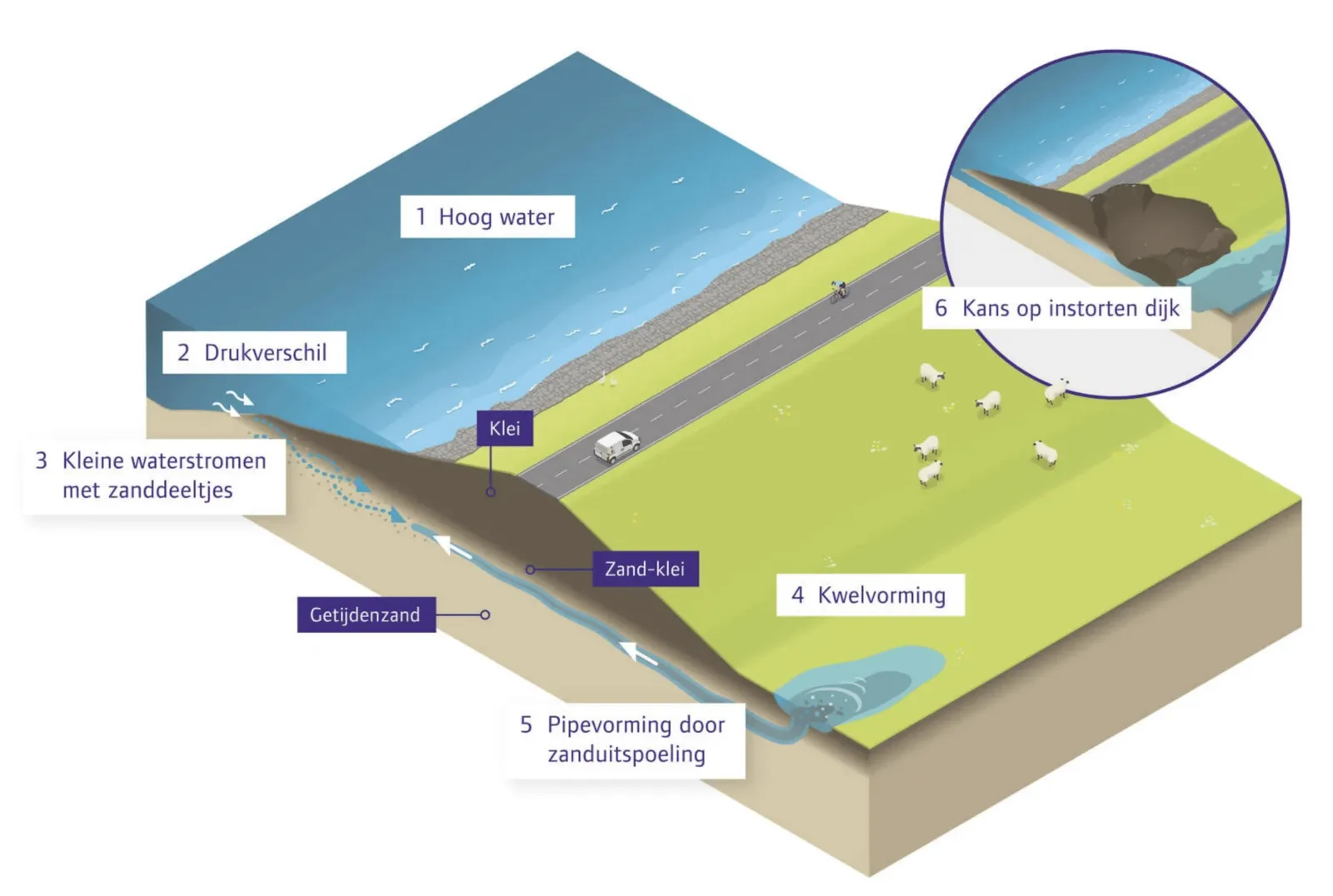
There is a risk of piping along almost 90% of the dike section: channels form in the ground due to differences in water pressure on the front and rear sides of the dike. If these ‘pipes’ start carrying sand and eroding as a result, they can weaken the flood defence. The supplementary investigation focused particularly on determining as accurately as possible the erosion resistance and permeability of the clay cover and the clay layers beneath the dike’s foreshore. Electromagnetic measurements were among the methods used.
Sustainable plastic heave screens
The supplementary investigation showed that a piping solution was not needed for a large part of the project. For locations at risk, Fugro proposed heave screens and optimised their design. Part of this sheet-pile wall will be made of plastic and part of steel, depending on the stability requirements at each location. Recycled plastic screens are shorter and lighter, and reduce CO2 emissions by more than 90% compared with a steel sheet-pile wall.
Looking for opportunities to optimise
Marijn Hop, Water Engineering Adviser at Fugro: ‘We developed a detailed design from the initial ground design. Fugro always looks for opportunities to optimise: more nuance in the rules, more investigation to arrive at an even better and more efficient solution.’
Probabilistic analyses
‘To use the ground as effectively as possible, you need to be as precise as possible in your design. We use new software and calculation methods to do this. For example, we carried out probabilistic analyses to show that costly reinforcement, normally applied as a precaution to prevent the dike from sliding during high water, was not required. We calculate not only what we need, but also what we do not need. Digitalisation is therefore essential to working sustainably and resiliently.’
Permeability of soil layers
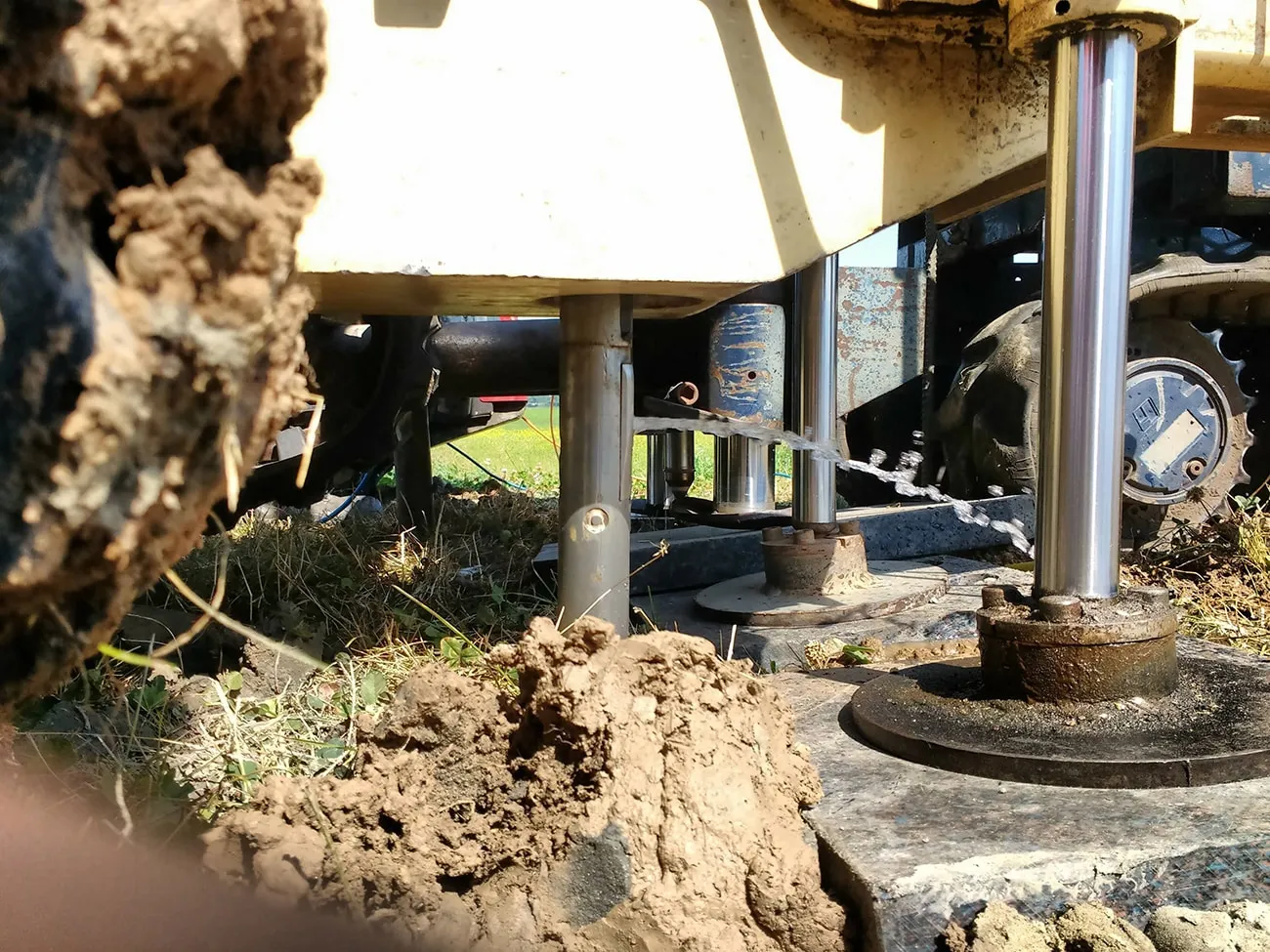
The permeability of sand layers was determined using 66 HPT cone penetration tests and mini-pumping tests. To adapt this method for Dutch soils, Fugro developed the HPT-AMPT® test, also known as Aquisense™. Water is injected into the ground at high pressure above the cone, allowing pore pressure to be measured. This provides an indication of the relative permeability of the soil over the full depth of the cone penetration test. By carrying out this test simultaneously with two cones some distance apart, absolute values can also be determined.
Using locally sourced materials
In recent years, dike designs have allowed for greater overtopping in order to limit crest heights. Wolferen-Sprok is a clay dike, over which 10 litres of water per second per metre of dike may flow.
Integrating the dike into the landscape
Werner Halter, principal consultant at Fugro: ‘A lower and narrower dike was chosen here to fit the landscape. However, overtopping must not erode the landward side of the dike. There are trees and access roads directly behind the dike along this section, so the effects of the changes had to be examined in great detail. For example, the existing sand wedge could be washed away during overtopping. Fugro recommended placing erosion-resistant clay at specific locations. Research into the required clay properties showed that local clay could be reused for this purpose. This avoids a great deal of transport from elsewhere, saving both costs and CO2 emissions.’
A business enquiry for Fugro? Get in touch
Wie aan Waaldijk tussen Wolferen en Sprok werkte
- contractorPloegamIn this story
- contractorDura VermeerIn this story
Keep following this
Get an email when a new story is published. No account needed.
- ProjectWaaldijk between Wolferen and Sprok
- SubjectNews
- CompanyFugro
- CompanyGMB
- CompanyPloegam
- CompanyDura Vermeer







