









Fossil-free HDPE pipes: they really do exist!
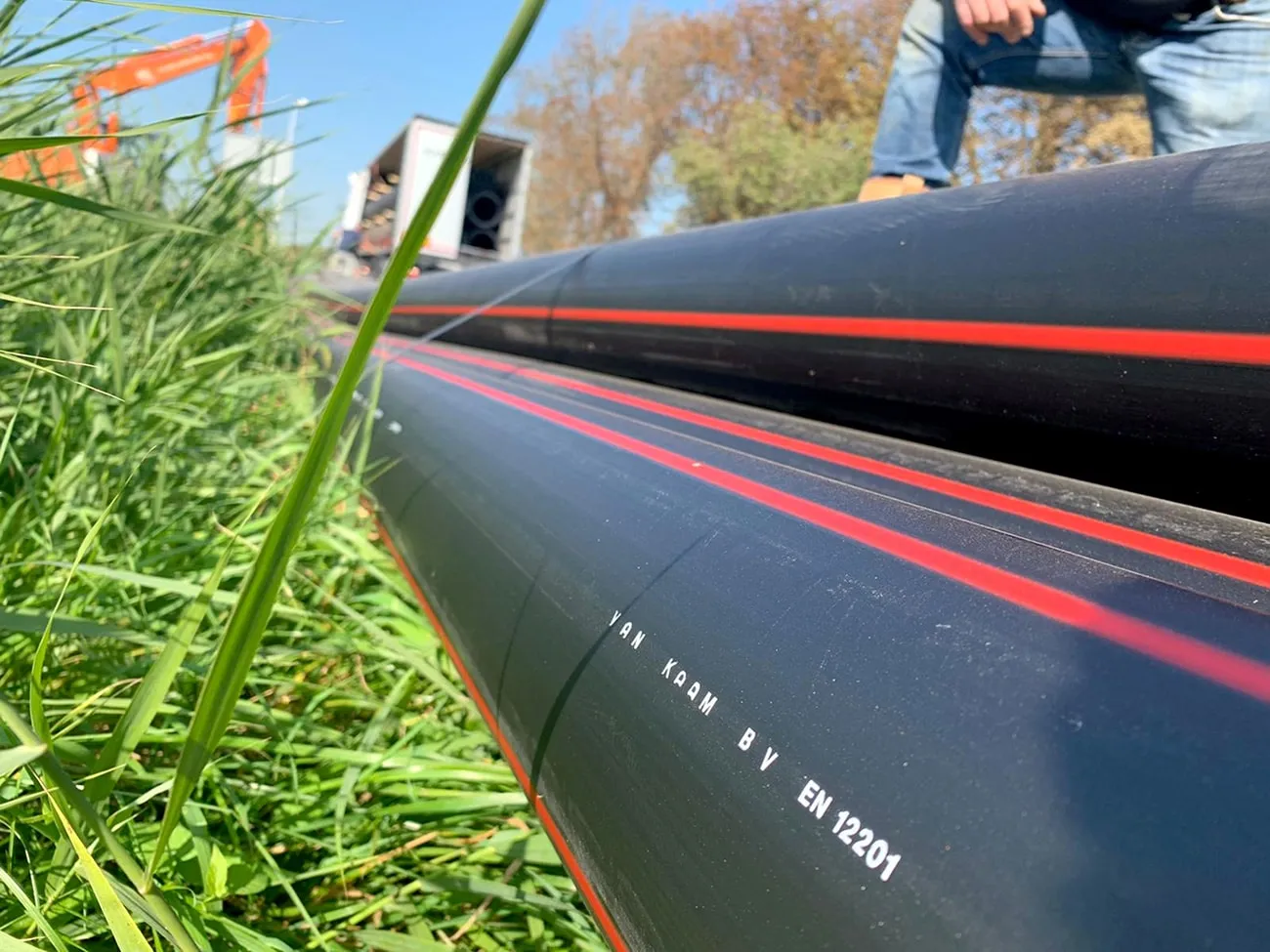
A genuine first for Van Kaam. The underground infrastructure specialist can now also supply HDPE pipes in a fossil-free version: 100% bio-based, in other words fully circular. The first project, involving no less than 20 kilometres of bio-based pipes, has already been secured. And the figure is rising quickly. The fossil-free pipe is also ideally suited to HDD drilling.
Fossil-free HDPE granulate has been available for some time and is widely used in the food industry. A few years ago, the same producer discovered that the granulate could also be used to manufacture pipes. That did not escape the notice of ‘sleuth’ Bastiaan van Kaam. “We have been working to make our range more sustainable for many years, but this first has exceeded even our wildest expectations.” And Van Kaam is not the only one impressed: its ‘launching customer’ is equally enthusiastic.
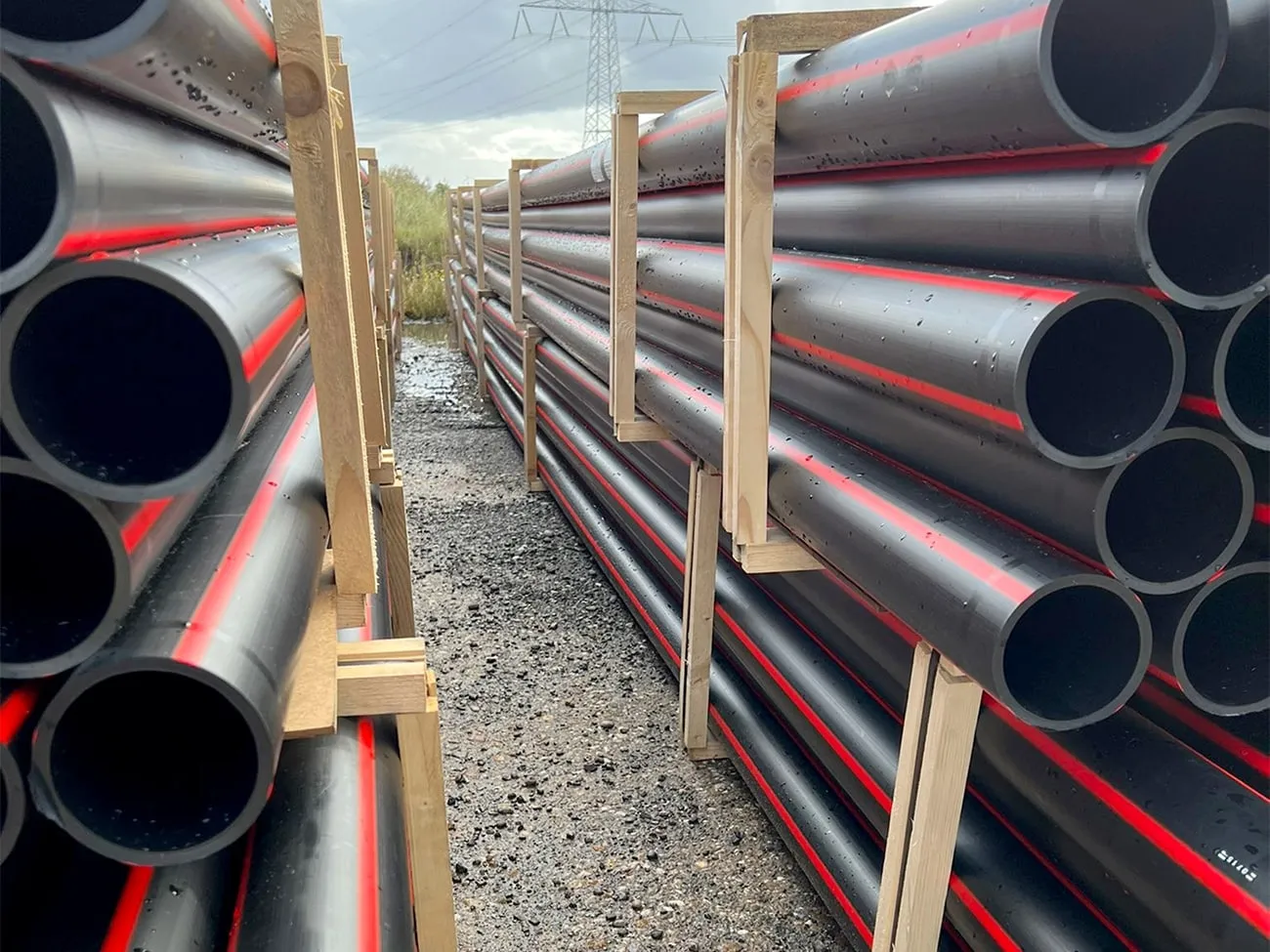
100% virgin
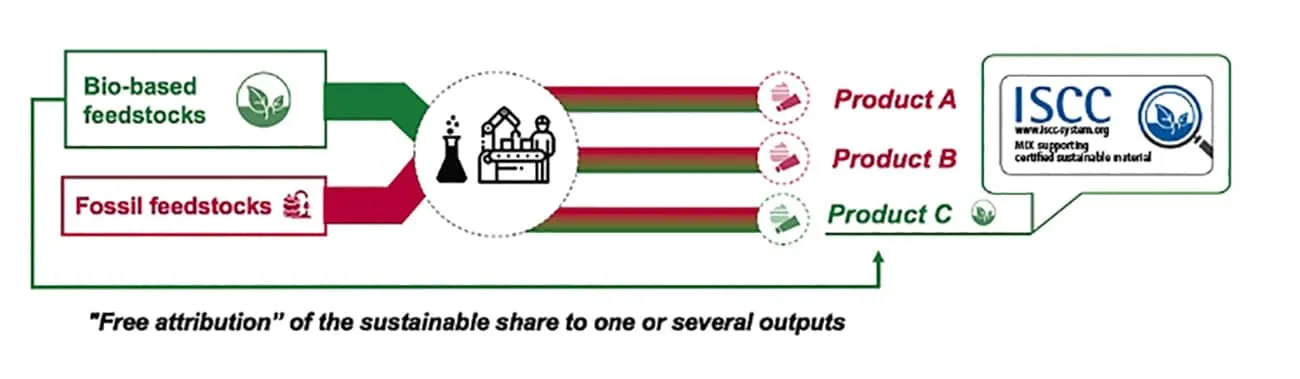
Let’s take a closer look at the technology. HDPE is normally made from naphtha, a petroleum product. “The global shortage of crude oil also threatens the production of HDPE from naphtha. Bio-based HDPE offers a solution. Scientific research has shown that biodiesel can be made from cooking oil and forestry waste. Naphtha, the raw material for HDPE granulate, is extracted from this fuel. The granulate is ISCC-certified by a third party, so its origin can always be traced.” Still with us? The end product is fossil-free HDPE with exactly the same properties and tensile strength as conventional HDPE granulate made from petroleum. The only difference is how the oil is obtained. “There is also no difference in pipe production between using fossil-free and conventional HDPE. It is even possible to blend a petroleum product with the bio-based product in a specific proportion, if that is desirable from a cost perspective. The quality does not change: the material is always 100% virgin. We now produce only PE100 RC pipes from this granulate.”
The perfect test case
Van Kaam has now secured the exclusive rights for the Benelux. A few months ago, he stirred up the market with a LinkedIn post offering a sneak preview of fossil-free HDPE. “Three minutes later, a customer was already calling me. He was working on a project whose tender specifications requested the use of as many renewable raw materials as possible. It was the perfect ‘test case’ for bio-based HDPE. And sure enough, after a few discussions, including with the producer, the decision has now been made. The customer is absolutely delighted. Using bio-based HDPE pipe saves 117% CO2 per kilogram. The savings are enormous, especially on this project, for which we are supplying 20 kilometres of bio-based HDPE pipe.”
From now on, Van Kaam will include both the petroleum-based product and the bio-based version in all its quotations. Fossil-free HDPE casing pipes are available in diameters from 20 to 2,000 mm. Don’t focus on problems, focus on solutions!
Question about this story? Ask your question
Keep following this
Get an email when a new story is published. No account needed.
- ThemeLower emissions and more reuse
- SubjectNews







