









Expertise in smoke control systems and more makes the difference to fire safety in road and rail tunnels
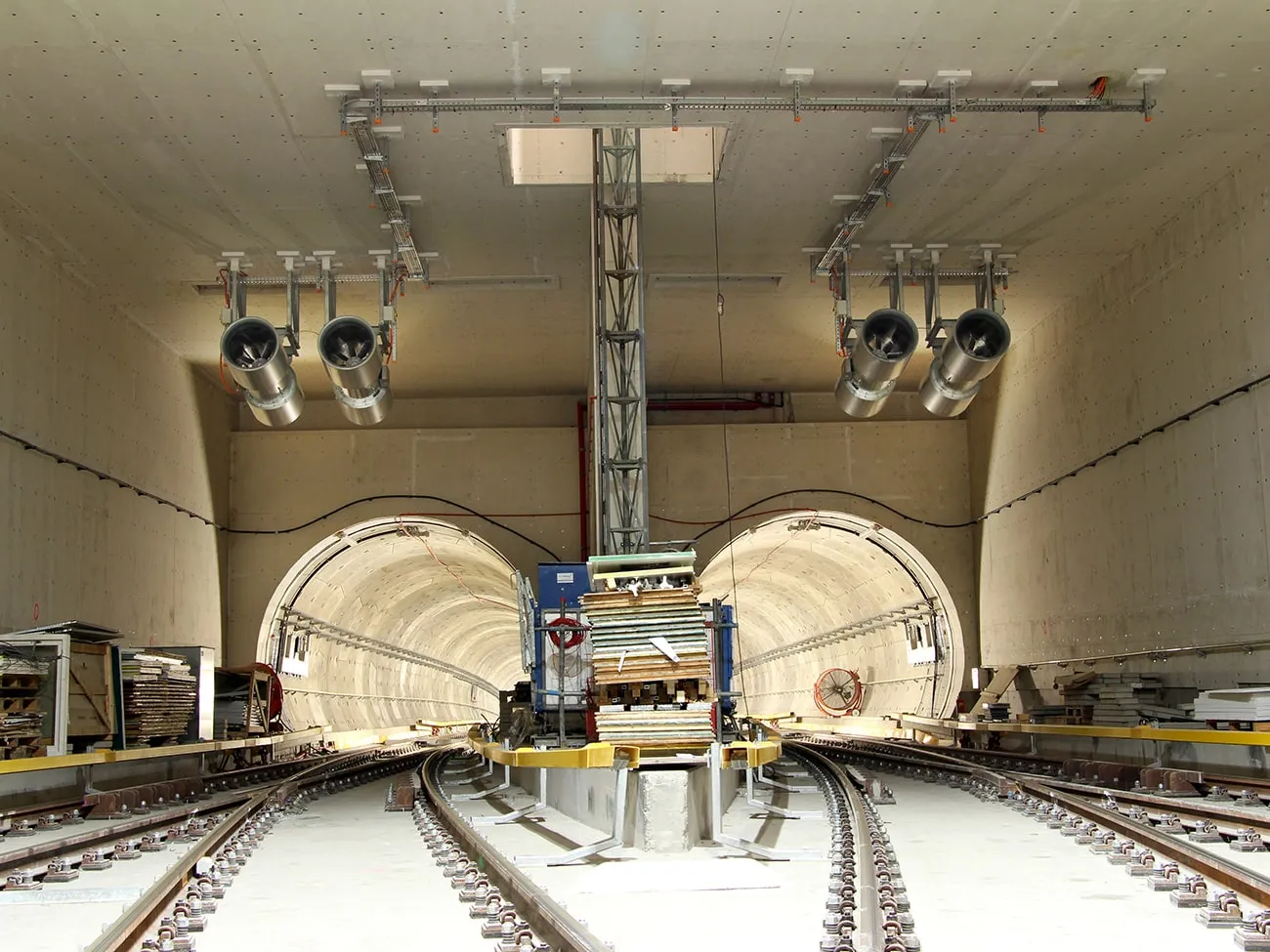
The 2012 Building Decree stipulates that all fire safety systems must have an inspection certificate. In practice, however, compliance is not always straightforward. We speak to Stan Veldpaus, Project Adviser, Smoke Control Systems, and Erik Peeters, Commercial Manager, Fire Safety, at Colt International about fire safety in road and rail tunnels and the importance of a reliable, certified smoke control system.
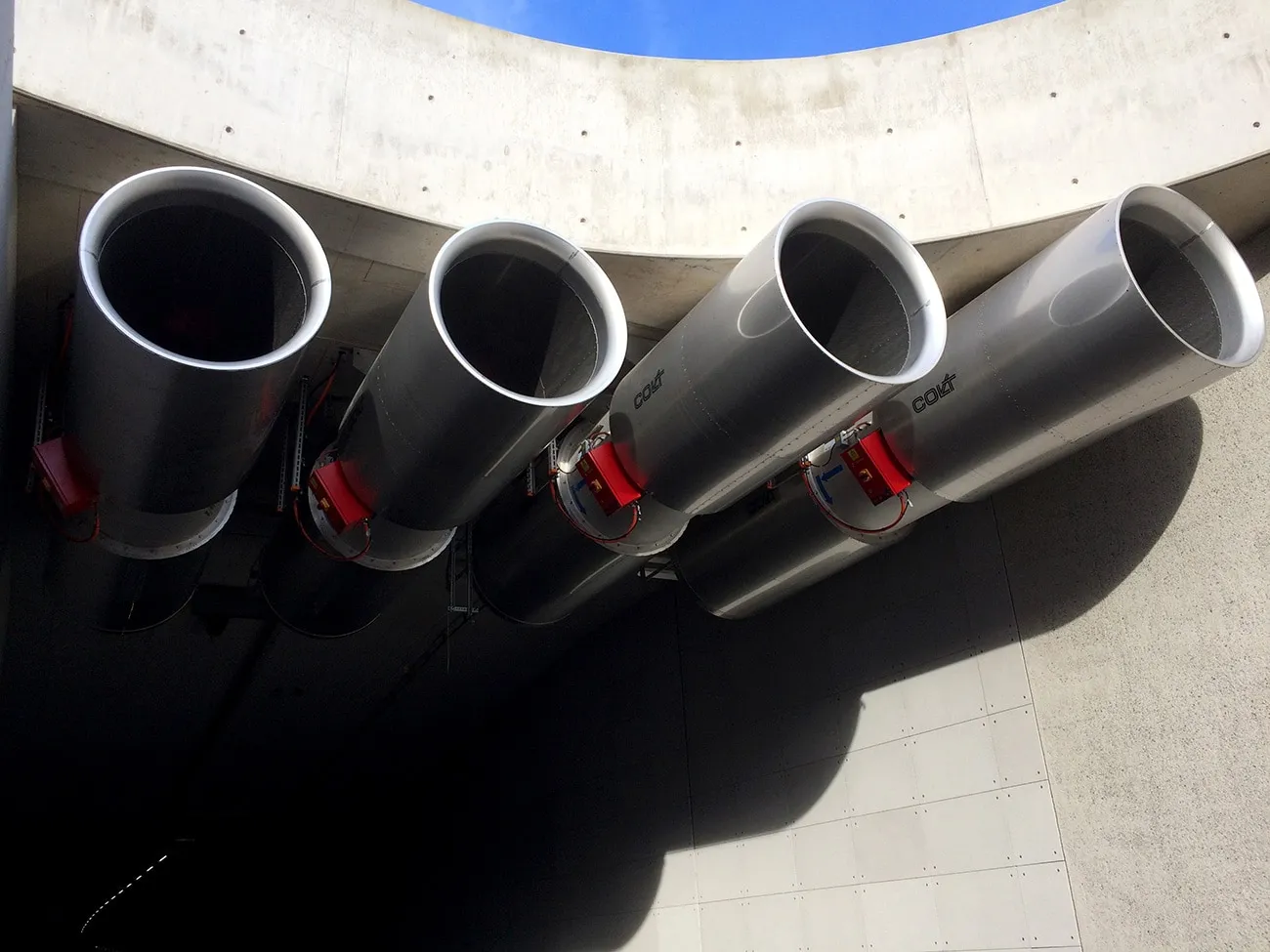
Tunnel safety
“When designing a smoke control system for railway, metro and road tunnels, people’s safety comes first,” says Peeters. “Next, it is important to ensure that the emergency services can gain safe access as quickly as possible. Finally, we also try to protect the structure. A tunnel is vital to the economy, so you want to get it back into operation as quickly as possible.” Veldpaus adds: “An effective smoke control system [RBS] is crucial to this.” Colt International designs, supplies, installs, maintains, tests and certifies the complete smoke control system in conjunction with the inspection body.
Design optimisation
“First, we determine the size of the system, then assess the effectiveness of the smoke control installation (RBI) using a ProTuVem calculation,” says Peeters. “That is fine for an initial rough estimate, but to fine-tune and optimise the design, we use computational fluid dynamics (CFD).” Veldpaus adds: “CFD simulations let us accurately assess in advance how effective a tunnel ventilation system will be in the event of a fire. These calculations are much more accurate and have enormous predictive power. They allow us to predict very accurately what will happen in a real fire, including how smoke will behave and temperatures will develop. We can then use the CFD simulations to further optimise the system and improve its effectiveness.”
Putting theory into practice
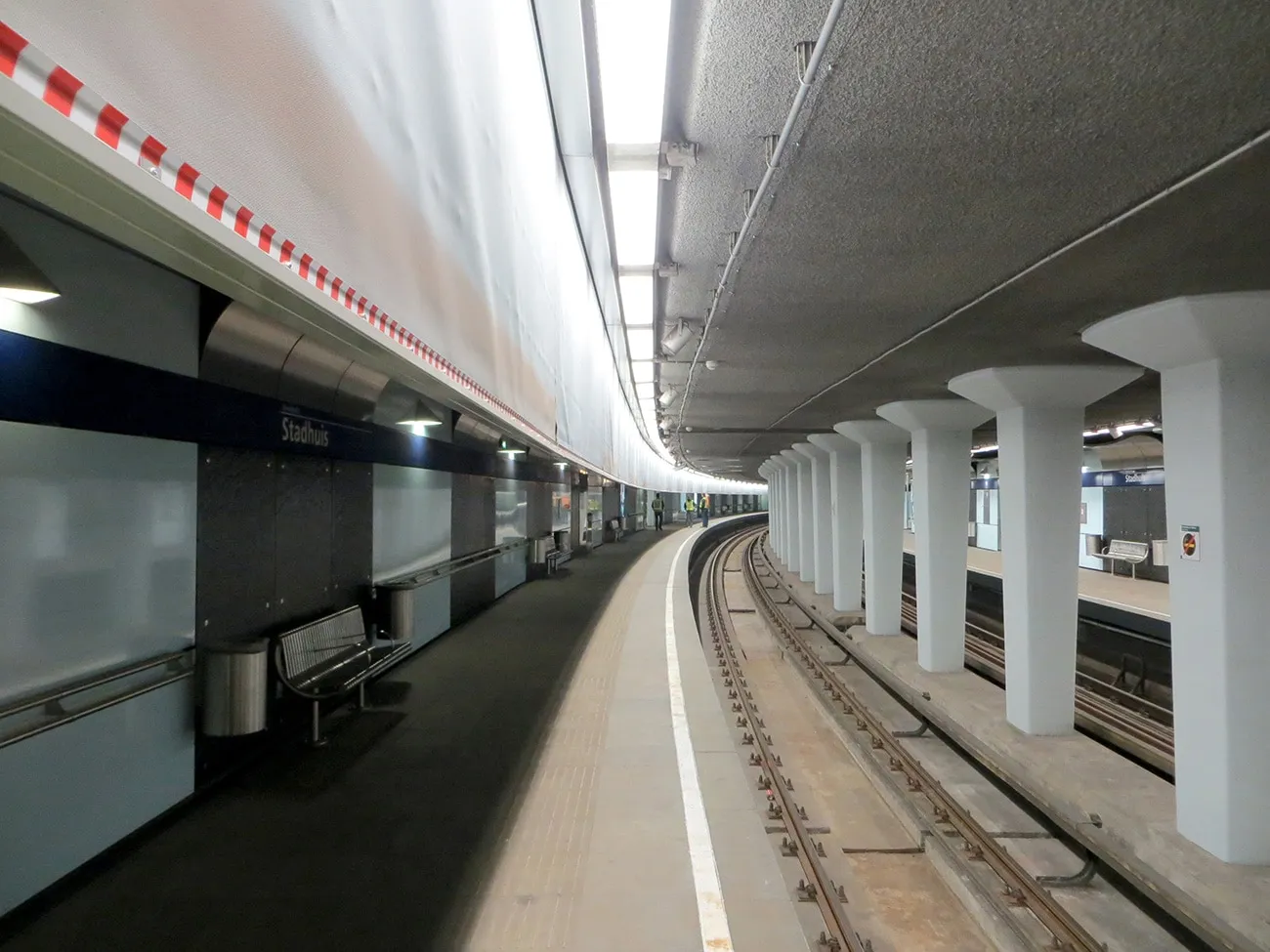
Peeters says Colt International validates its CFD calculations against real-world conditions. “We have carried out several full-scale tests, for example replacing a metro carriage with a flat wagon carrying a container of the same dimensions and with the same openings, then placing a fire source inside it. We also test with smoke generators. We know the characteristics of the fans and how they perform. Colt International’s designs are based on a process of trial and error informed by ProTuVem and CFD.” Veldpaus says: “We prefer to keep the design work in-house. We are a centre of expertise, and that is our strength. We can also work very effectively alongside a consultancy as an advisory and delivery partner, while bringing practical know-how to our advice and designs. We also consider energy consumption, the availability and accessibility of components, and compliance with market standards, as well as safety during installation and maintenance. These are all issues we address from the outset, and they are important to every stakeholder,” says Veldpaus.
Certification and maintenance
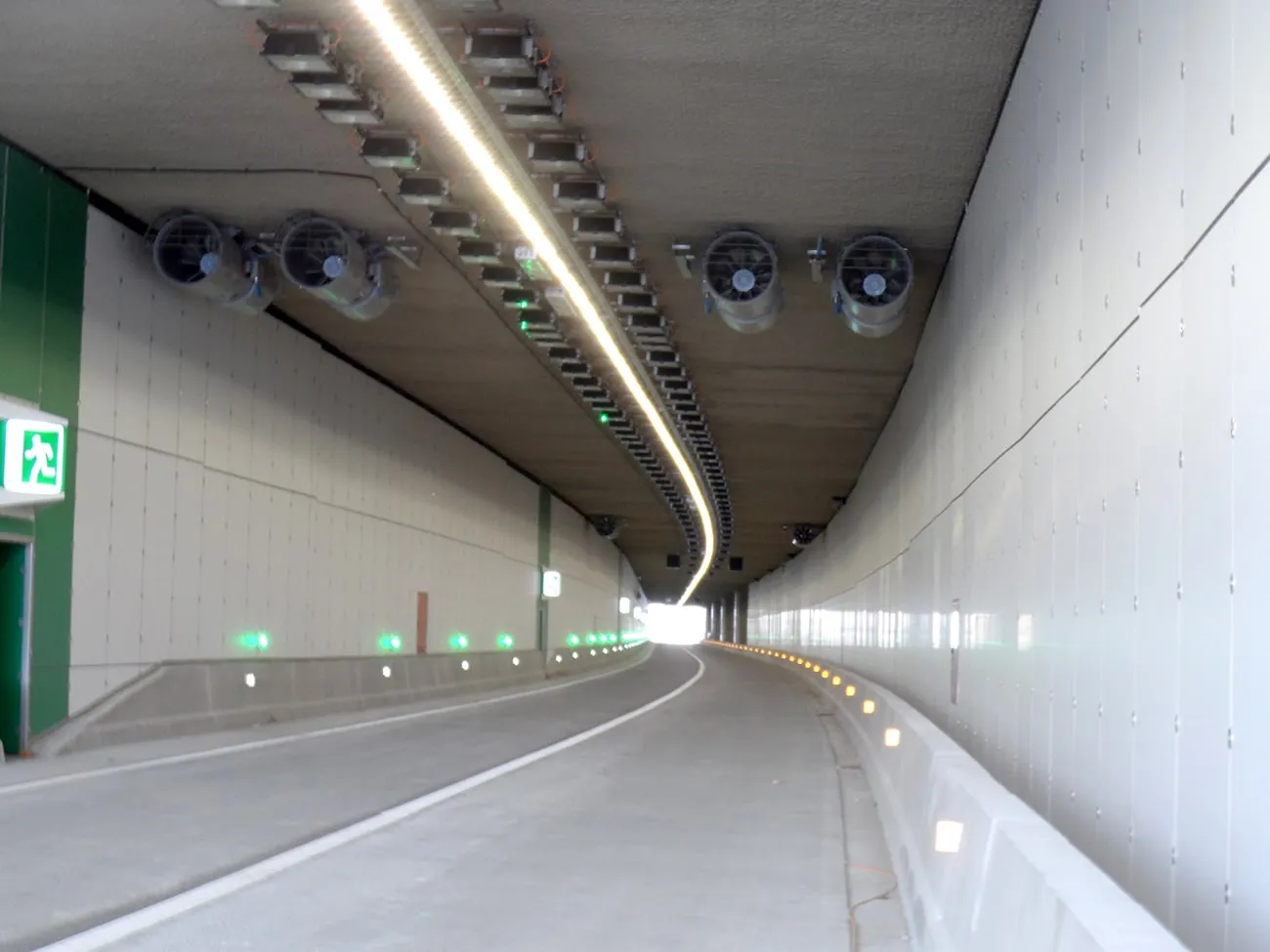
Colt International can manage the entire smoke control process. “As well as advising, designing, supplying and installing, we ensure that projects are handed over with certification, and we can also maintain the systems.” According to Peeters, maintenance is a crucial part of keeping an installation in its nominal operating condition. “Think of it as an MOT for your installation. It is there, but you want to be sure it will do what it is supposed to do in an emergency. So you need to look after it and maintain it properly to ensure that.” Veldpaus adds: “As well as doing this for new tunnels, we can assess how effective the existing system is in older installations and ensure it is certified. If the system is inadequate, we can respond accordingly and make any necessary modifications or replace it.” He concludes: “This will be a huge added benefit, especially given the extensive programme of tunnel renovations that the Netherlands will embark on in 2023.”
Question about this story? Ask your question
Keep following this
Get an email when a new story is published. No account needed.
- ThemeUnderground construction
- SubjectNews







