









‘Drought is putting Dutch dikes under pressure’
This is an expert comment from Leo Zwang, Director of Water Safety & Climate Adaptation at Fugro.
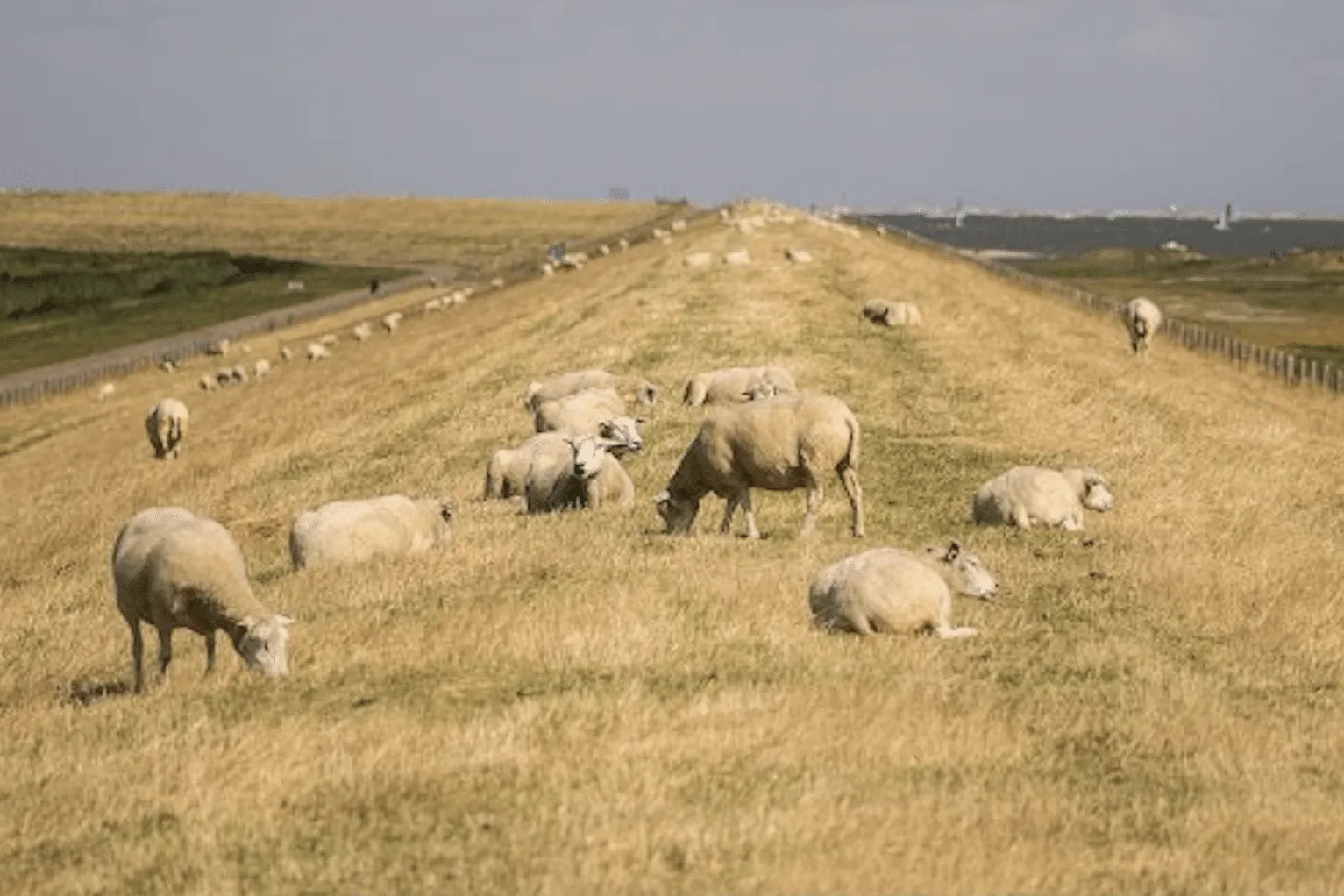
Climate change means that we in the Netherlands are increasingly facing extreme weather. This means more frequent heavy rainfall and the high water levels that come with it, but also increasingly prolonged periods of drought. Drought also affects water safety, as it causes cracks to form in dikes.
During severe drought, fissures can form in a dike’s foundation. These fissures can then lead to further cracking. The extent depends on the quality of the material used to build the dike. Cracking is common in peat embankments during dry summers, as peat becomes very light when it dries out.
New methods
It is important for dike builders to develop new methods to strengthen Dutch dikes. Using a durable material such as clay when rebuilding dikes can limit this effect. Dikes made of clay are less prone to cracking than those made of peat. Keeping dikes wet can also be a temporary way to prevent cracking.
But prevention is the most important factor in water safety. The potential impacts of climate change must already be taken into account when dikes are built. This means finding sustainable materials that can withstand extreme weather conditions. The design approach is also important.
More research
More research is needed into the best methods for dike reinforcement. If we in the Netherlands continue as we have for the past hundred years, we will put our country’s safety at risk. The time to act is now, and to invest in developing sustainable solutions.
A business enquiry for Fugro? Get in touch
Companies in this story
Keep following this
Get an email when a new story is published. No account needed.
- ThemeFlood protection and climate-resilient water management
- SubjectNews
- CompanyFugro







