









Doka is the first formwork and scaffolding company to commit to the Science Based Targets initiative (SBTi)
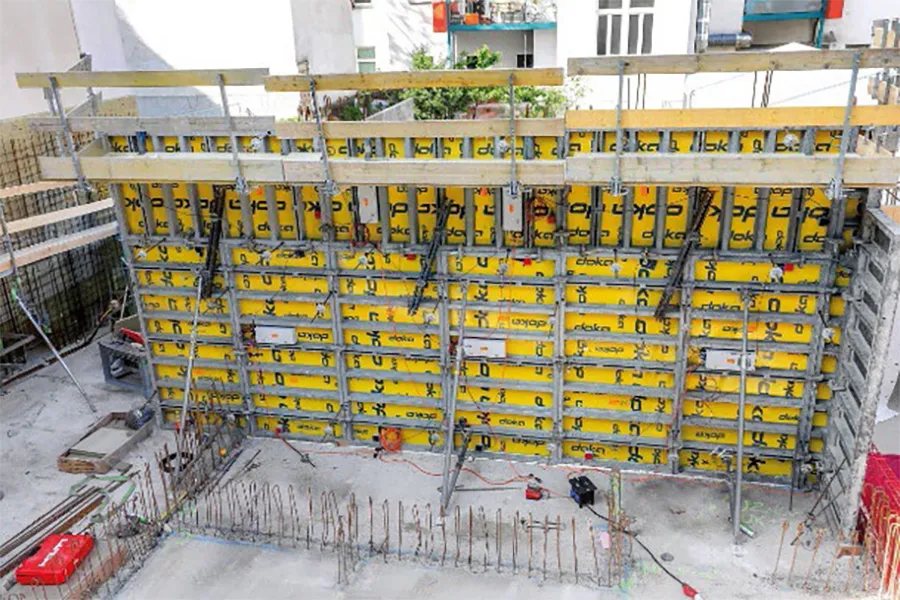
Doka, the global market leader in formwork and scaffolding, is the first company in its industry to commit to the Science Based Targets initiative (SBTi). This milestone reflects Doka’s ambition to cut emissions in line with the latest scientific guidance and help limit global warming to 1.5°C. By aligning its targets with the SBTi, Doka is positioning itself at the forefront of global efforts to decarbonise the construction sector.
The construction sector is under increasing pressure to adopt more sustainable practices, driven both by growing regulatory requirements and the urgent need to reduce its significant environmental impact. The sector is responsible for around 37% of global greenhouse gas emissions, making it a major player in the fight against climate change. Doka sees this challenge not only as an environmental responsibility, but also as a catalyst for developing more resilient and sustainable business models that can support long-term success in a changing construction market.
The road to net zero
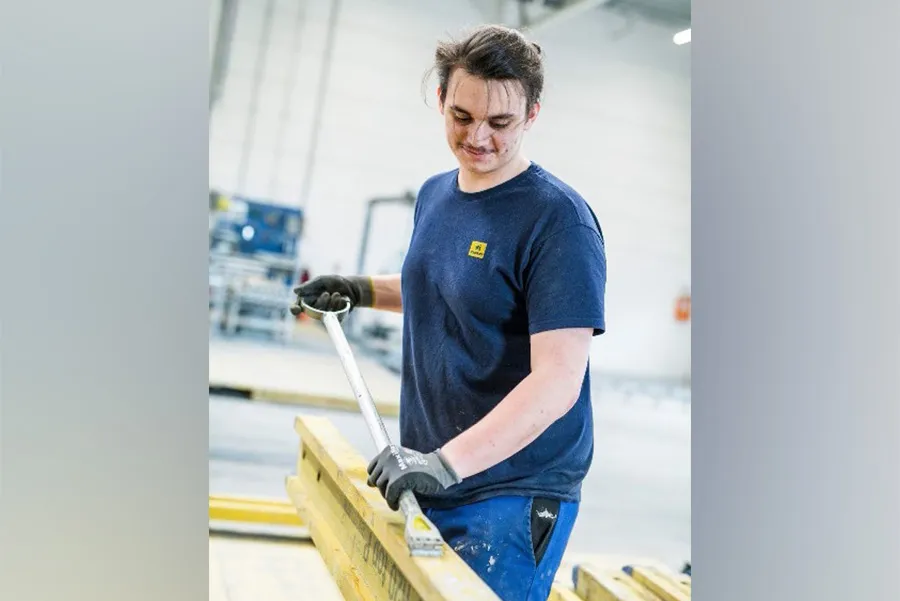
Commitment to the SBTi is a cornerstone of Doka’s comprehensive “Net Zero 2040” sustainability strategy. “The transition to net zero is a complex challenge that requires both ambition and resilience. By committing to the SBTi, we show that sustainability is not just a buzzword for us, it is serious business,” says Robert Hauser, CEO of Doka. “We believe sustainable practices and solutions are key to helping our customers succeed in a future-proof, competitive construction sector.”

Ambitious climate targets as a competitive advantage
Doka has set ambitious targets to reduce its environmental footprint. The company aims to reduce its Scope 1, Scope 2 and Scope 3 emissions in line with the SBTi’s absolute reduction method, ensuring that Doka’s climate targets align with the 1.5°C pathway of the Paris Agreement. By 2030, this means a minimum reduction of 42% in both Scope 1 and Scope 2 emissions. Scope 3 emissions, which include all indirect emissions generated outside direct business operations, must also be reduced by 42%. Robert Hauser adds: “We work continuously with our customers and suppliers to develop safer, more efficient and climate-friendly solutions. Our commitment to the SBTi confirms our dedication to reducing greenhouse gas emissions, not only within Doka, but throughout our entire supply chain.”

A longstanding commitment to sustainable progress
Doka’s pioneering role in sustainability goes well beyond its current commitment to the SBTi. Over the years, Doka has already implemented significant measures to reduce emissions, such as increasing the use of renewable energy across its sites worldwide. At its Austrian headquarters, Doka has switched to 100% renewable electricity, supported by the expansion of solar panel systems and a switch to green energy. These initiatives are crucial to achieving the company’s long-term emissions reduction targets, which are currently being validated by the SBTi, but they are only the beginning.
In addition, Doka’s rental model makes an important contribution to the circular economy, another key pillar of the company’s sustainability strategy alongside decarbonisation. By refurbishing its formwork at dedicated service centres after each use, Doka keeps material and resource consumption to a minimum and ensures products remain in circulation for longer. The company is also exploring the use of recyclable, low-carbon materials in its formwork systems to further reduce the environmental impact of construction projects. With a strong focus on innovation and collaboration, Doka works continuously with leading industry experts and organisations to promote sustainable practices, such as using intelligent heated formwork to facilitate the use of CO2-reducing concrete on construction sites.
Building on these efforts, Doka has also played a pioneering role in calculating the Product Carbon Footprint (PCF) for its range of more than 7,000 products. The company has contributed to the development of the industry’s first criteria for calculating the PCF of formwork and scaffolding. These efforts benefit both the climate and Doka’s customers around the world.
Have a business enquiry for Doka Nederland B.V.? Get in touch
Companies in this story
Keep following this
Get an email when a new story is published. No account needed.
- ThemeLower emissions and more reuse
- SubjectNews
- CompanyDoka Nederland B.V.







