









Concrete has enormous sustainability potential in civil engineering
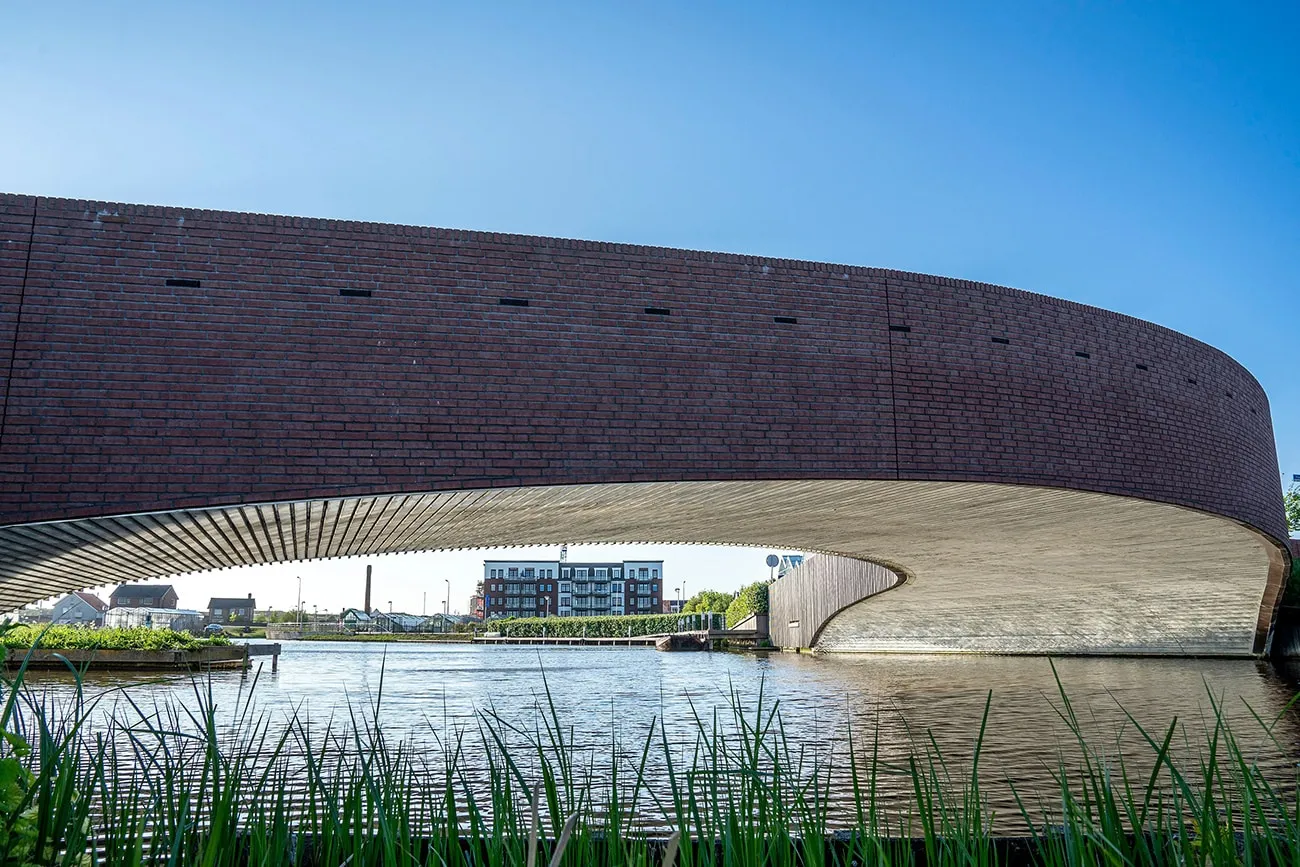
Concrete is the world’s most widely used raw material after water and, according to Betonhuis, has enormous potential in the circular economy. Concrete can be reused 100% without any loss of quality, provided certain conditions are met. Concrete also has enormous sustainability potential in civil engineering, in terms of circularity, building for nature and CO2 reduction.
Circularity and CO2 reduction in civil engineering
The concrete sector is working hard to achieve its circularity targets for 2030. Concrete is an exceptionally sustainable building material. “In civil engineering, we build for a minimum of 100+ years. We are not demolishing our future. But even when we build for a shorter period, for example because structures or other assets need replacing or expanding sooner, the concrete structure is never lost. Only when relocation and reuse are no longer an option do we break the concrete structure back down into raw materials. This approach brings a great many sustainability and circularity benefits.” Speaking is Paul Ewalds, sector manager for ready-mixed concrete and policy and regulation coordinator at Betonhuis. He advocates high-quality reuse and, above all, circular design. “That is how we truly close the loop.”
Circular design
As stated in the Betonakkoord, only some of concrete’s performance in terms of circularity and sustainability comes from the material itself. “The vast majority of the circularity targets to be achieved depend on the design phase,” Ewalds stresses. “Attention must be paid to circular design and nature. How can a structure be used once it has lost its intended function? The Bouwwaardemodel advocates adaptive and demountable design, so that the concrete structure can also be adapted and/or dismantled to meet the needs of other users and functions.” A fine example is the reuse of nineteen concrete beams from a redundant viaduct in Groningen. They will get a second life in a new viaduct over the A1 near Apeldoorn. Another example is the Vlotwateringbrug. Three specific bridge components provide roosting sites for bats. Concrete creates a stable, comfortable environment for the animals.
Concrete versus asphalt
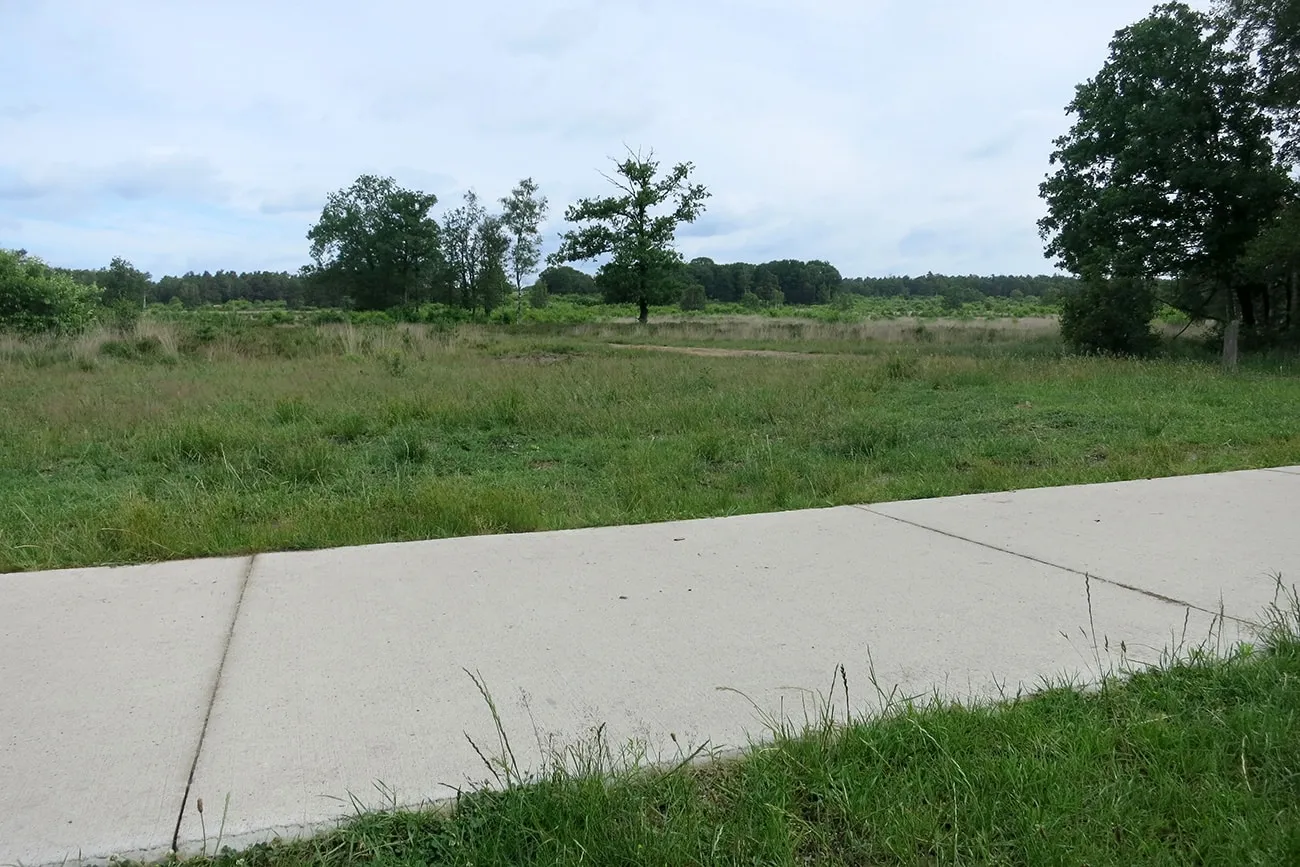
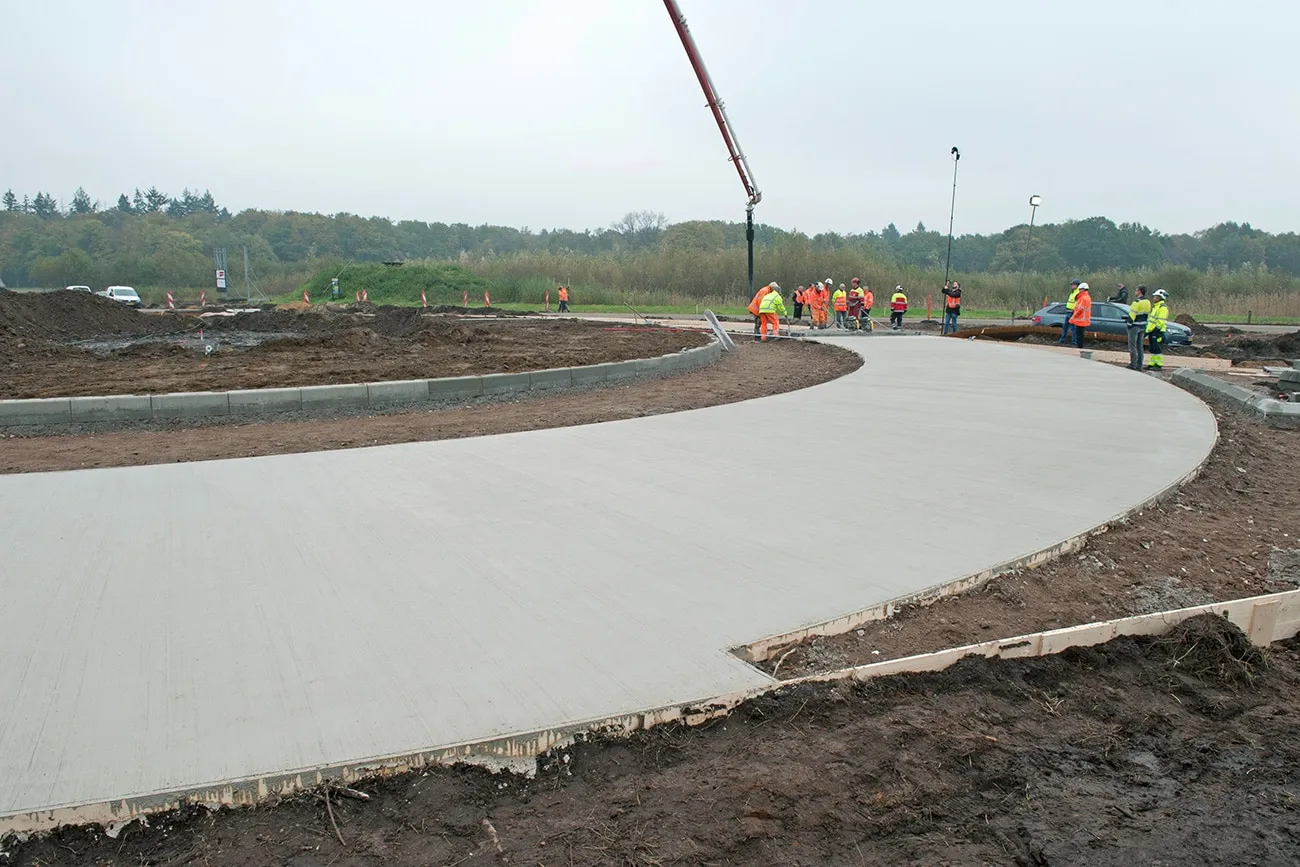
According to Jeroen de Vrieze, adviser for Technical Marketing and Statistics in civil engineering at Betonhuis, a concrete pavement is an interesting alternative to asphalt. “One of its main advantages is its long service life. The standard design life is forty years, but it can reach at least sixty years or more. That is much longer than for other types of pavement.” Concrete roads can be recycled effectively, with the crushed concrete reused as aggregate in new concrete pavements. The foundation can also be recycled. Another advantage is the robustness of a concrete surface. Climate change means that heavy rainfall and flooding are increasingly causing sections of road to be inundated. Think of the floods in South Limburg, the Ardennes and the Eifel in 2021. Concrete retains its stiffness during flooding and is not prone to subsidence or rutting.”
CO2 reduction
Finally, concrete can withstand very high or low temperatures. “At very high temperatures, asphalt generates emissions, whereas concrete remains emission-free both above and below ground and is also chemically inert,” says De Vrieze. Concrete’s robust properties also mean far less maintenance. “That of course brings major benefits during the use phase. This includes reducing traffic disruption and nitrogen emissions during maintenance work. There are also fewer traffic jams and no need for traffic to take a detour: all of this reduces nitrogen emissions. Concrete pavement is also much smoother than asphalt and retains its smoothness. This keeps rolling resistance low, enabling vehicles to save up to 6% on fuel on concrete roads. For lorries, the saving is around 2%.”
Stay up to date
As a knowledge centre, Betonhuis is constantly looking for new ways to help create a better world. Its work includes making construction even safer, as well as nature-inclusive and climate-resilient building, circular design, slimmer structures and demountable concrete components. In short, Betonhuis believes there should be more conversations with everyone involved with concrete about how we can make a real impact. Because concrete helps us make a difference. Would you like to stay up to date? Subscribe to the newsletter about sustainable concrete at aanmelden.betonhuis.nl
Question about this story? Ask your question
Keep following this
Get an email when a new story is published. No account needed.
- ThemeLower emissions and more reuse
- SubjectNews







