









CO2 storage beneath the North Sea
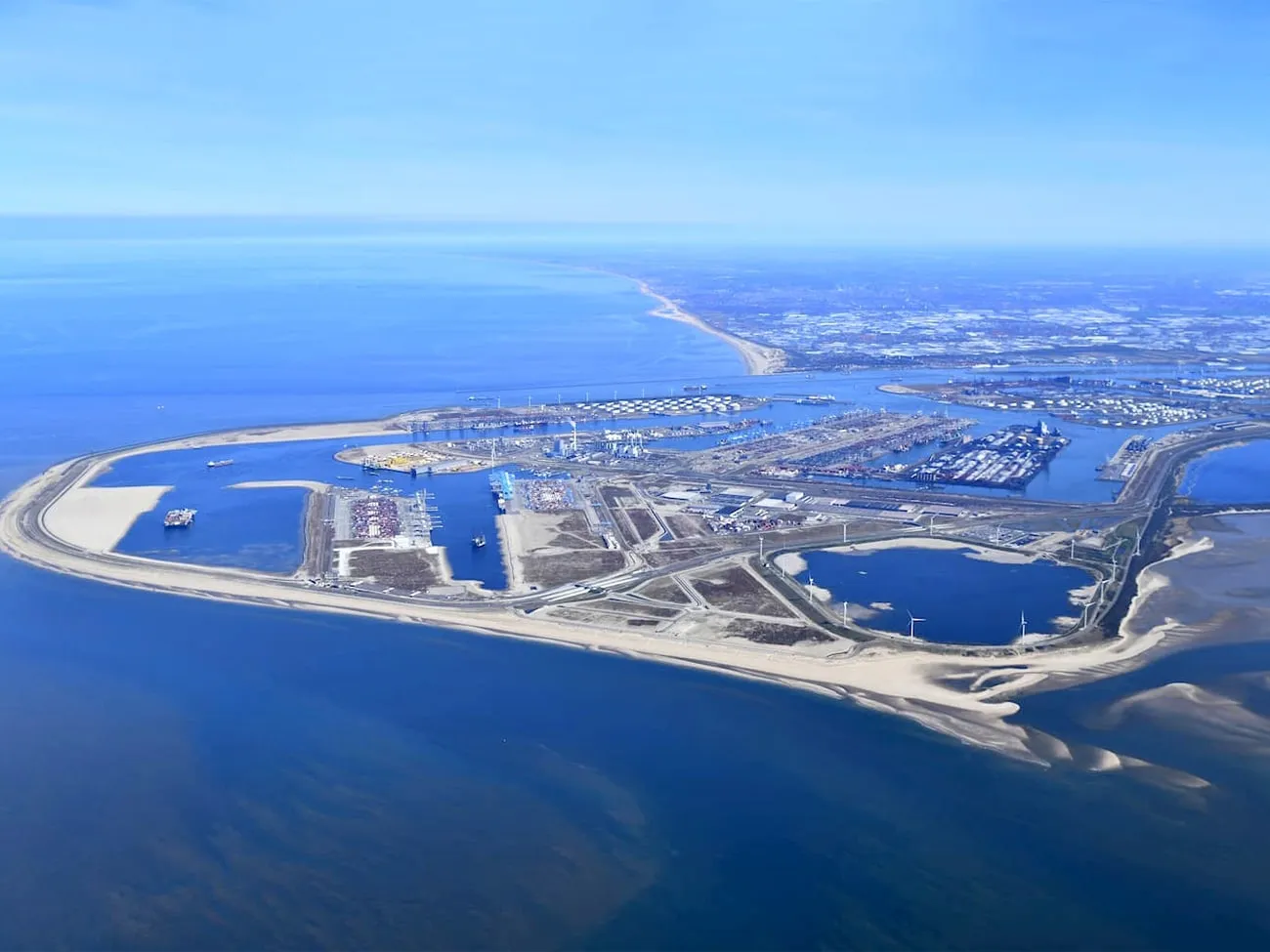
One way of achieving this is to capture CO2 and store it underground (Carbon Capture Utilisation and Storage, or CCUS for short). Porthos is developing a project to transport CO2 from industry in the Port of Rotterdam and store it in depleted gas fields beneath the North Sea. Denys was selected to help deliver the project.
Around 15% of Dutch CO2 emissions are generated in the Port of Rotterdam, making the region’s contribution to national climate targets particularly important. For some industries, CCUS is currently the quickest way to achieve substantial CO2 emissions reductions at relatively low cost, buying time to work towards making production processes more sustainable. Porthos is an initiative of the Port of Rotterdam Authority, Gasunie and Energiebeheer Nederland. The name stands for Port of Rotterdam CO2 Transport Hub and Offshore Storage.
Complex area
“The aim of the Porthos project is to transport CO2 captured from industry in the Port of Rotterdam through a 42-inch pipeline and store it at high pressure in a depleted gas field,” explains Patrick Berré, Head of the Cables & Pipelines Department at Denys. Denys was selected to design and build the 30-kilometre onshore CO2 transport pipeline. “This project is a perfect fit with our sustainability ambitions as a multidisciplinary international construction group with many years’ experience in the design and delivery of pipelines and underground transport infrastructure. We are responsible for the complete engineering of the CO2 transport pipeline in the highly complex Port of Rotterdam area. We are working closely with our partner Rotterdam Engineering, which is familiar with the particular characteristics of the port area.”
Sustainable design for sustainable construction
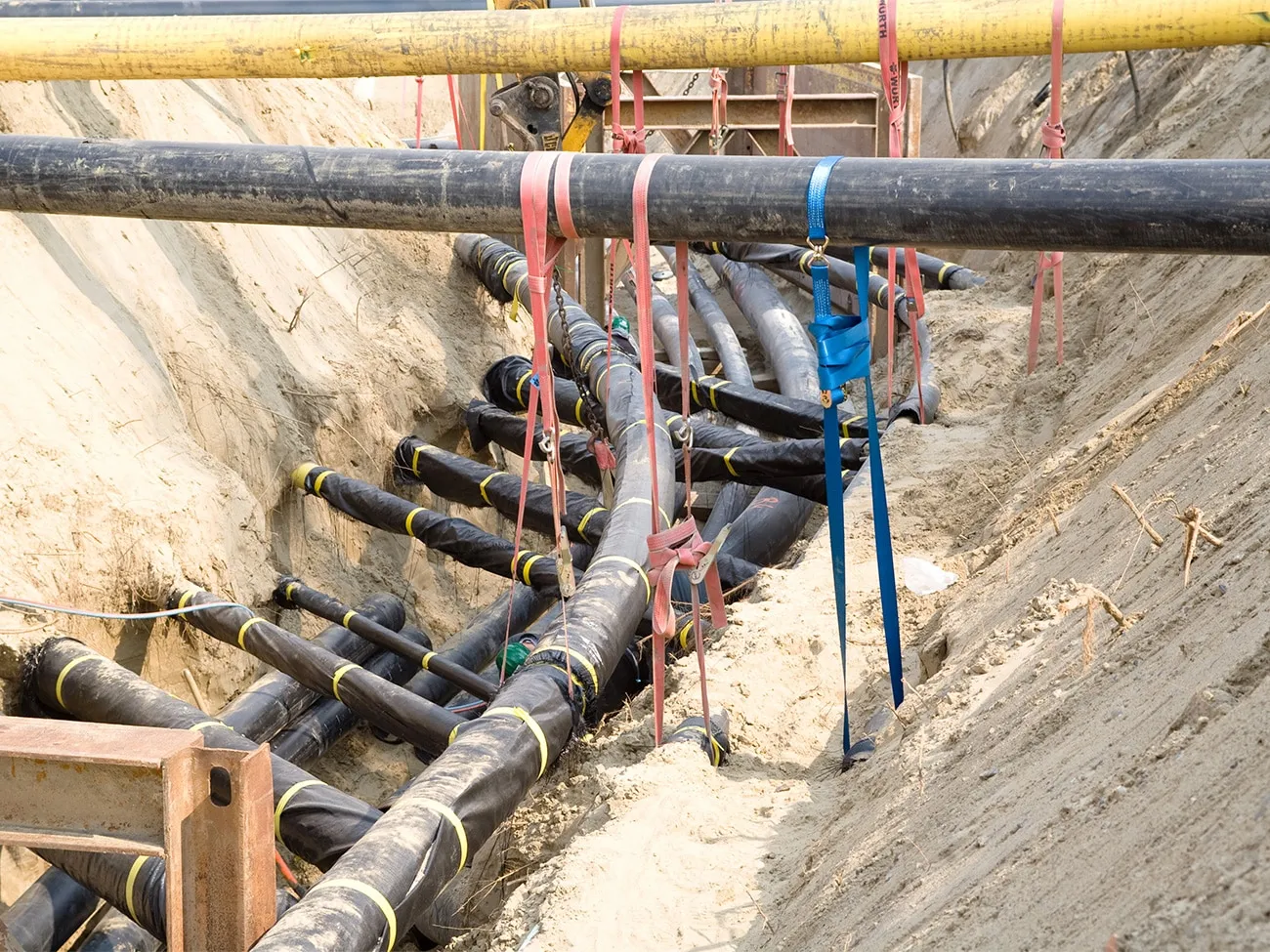
Building a 42-inch pipeline through the Port of Rotterdam is no easy task. Berré says: “The main challenge is harmonising the many stakeholders. And this is no small pipeline, with an external diameter of approximately 1,100 mm. It’s certainly no piece of spaghetti that can easily be bent beneath and through the various existing infrastructure. Under our responsibility, the engineers are turning the preliminary design into a detailed design and then into a construction design. Because we became involved in the project at an early stage, we are in the driving seat when it comes to producing the best possible design, and above all one that can be built. Engineering a project of this kind normally takes at least 24 months. We will do it in nine months, so we have divided the project into seven sub-projects. At peak times, as many as 50 engineers are working on it. Safety and sustainability have been included as key KPIs (Key Performance Indicators) for the construction phase. Everything we design must be safe and must also be possible to build safely and sustainably. For example, we are also looking at using electric equipment and even hydrogen-powered equipment during construction.”
Denys sees the Porthos project as a catalyst for further optimising its own processes and taking further steps towards sustainable construction on similar future projects in other regions. Engineering is now well under way. The final investment decision will be made in early 2022. Construction is planned for 2022 and 2023. CO2 storage beneath the North Sea can then begin in 2024.
Question about this story? Ask your question
Keep following this
Get an email when a new story is published. No account needed.
- ThemeLower emissions and more reuse
- SubjectNews







