









Circularity and CO2 reduction in civil engineering
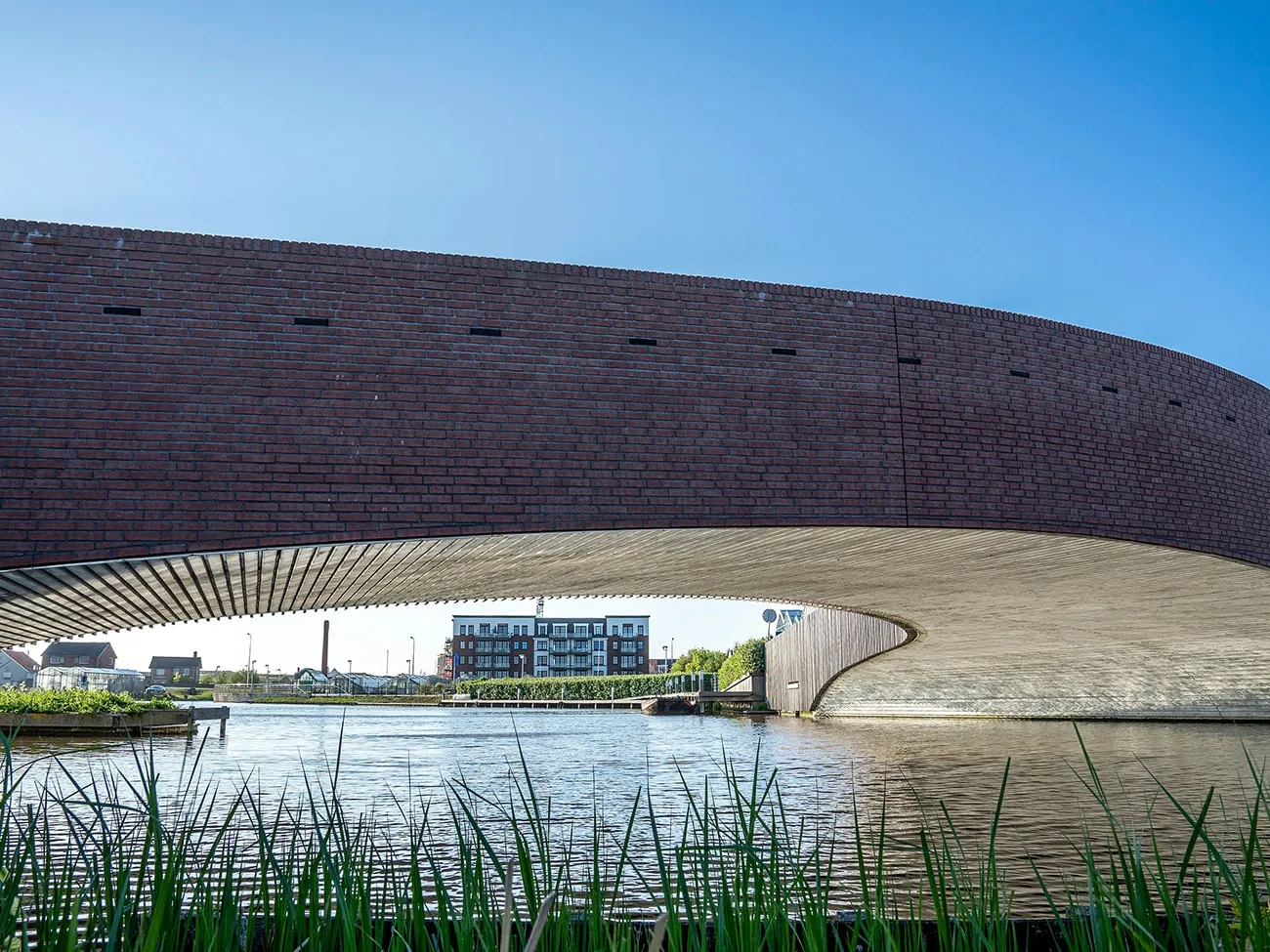
Concrete is the world’s second most widely used raw material after water and, according to Betonhuis, has enormous potential in the circular economy. Concrete can be reused 100% without any loss of quality, provided a number of conditions are met. Concrete also has enormous sustainability potential in civil engineering, in terms of circularity, building for nature and CO2 reduction.
Concrete has enormous sustainability potential in civil engineering
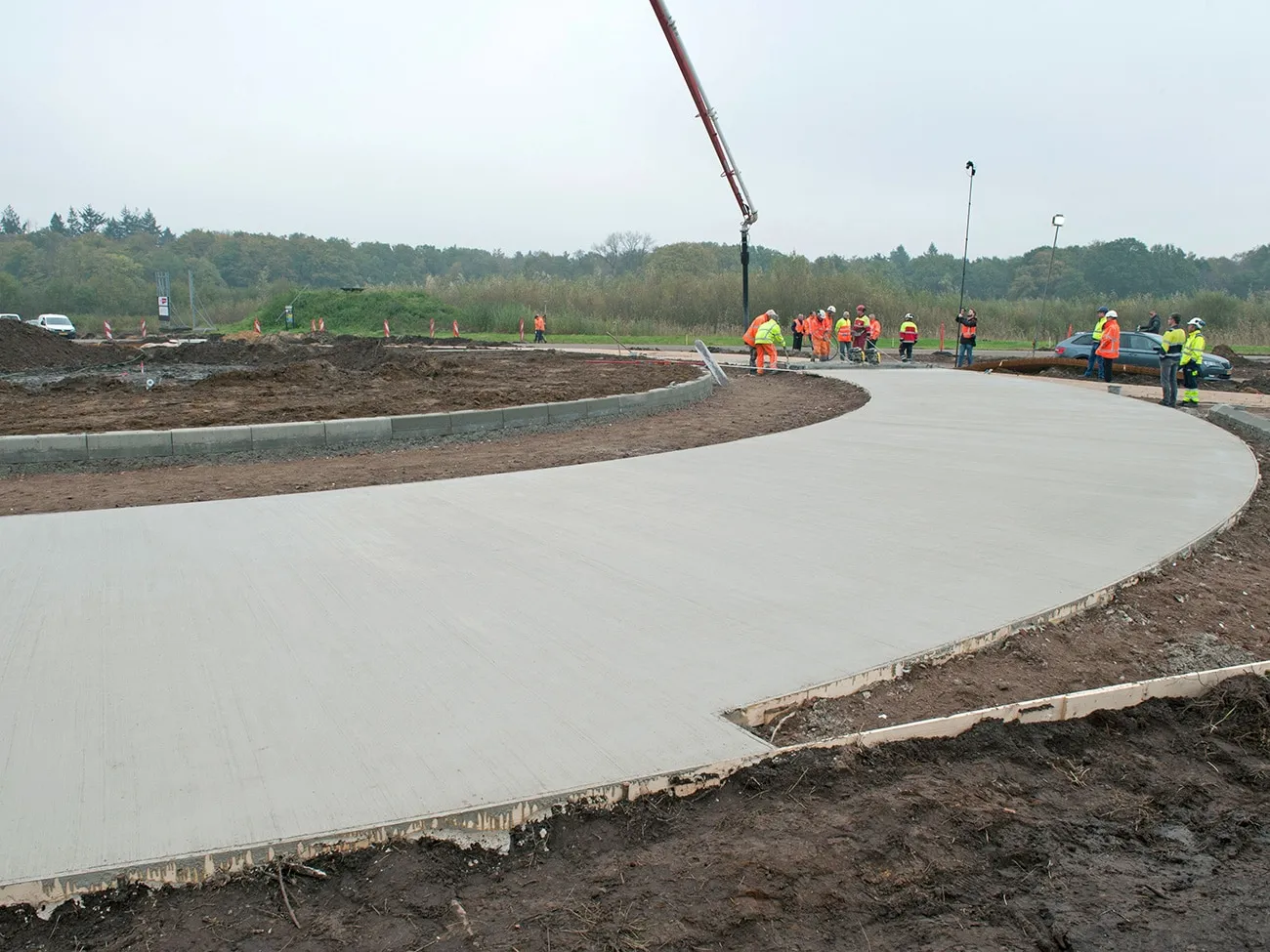
The concrete sector is working hard to achieve the circularity targets for 2030. Concrete is an exceptionally sustainable building material. “In civil engineering, we build for a minimum of 100+ years. We do not demolish our future. But even when we build for a shorter period, for example because structures or other assets need to be replaced or expanded sooner, the concrete structure is never lost. Only when relocation and reuse are no longer options do we break the concrete structure down into raw materials. This approach offers a great many sustainability and circularity benefits.” So says Paul Ewalds, concrete mortar sector manager and policy and regulations coordinator at Betonhuis. He advocates high-quality reuse and, above all, circular design. “That is how we really close the loop.”
Circular design
As stated in the Betonakkoord, only part of concrete’s performance in terms of circularity and sustainability comes from the material itself. “The vast majority of the circularity targets to be achieved depend on the design phase,” Ewalds emphasises. “Circular design and nature must be taken into account. How can a structure be used once it no longer serves its intended purpose? The Bouwwaardemodel advocates adaptive and demountable design, allowing the concrete structure to be adapted and/or dismantled to meet the needs and functions of other users.” A good example is the reuse of nineteen concrete beams from a redundant viaduct in Groningen. They will be given a second life in a new viaduct over the A1 near Apeldoorn. Another example is the Vlotwateringbrug. Three specific bridge components provide roosting places for bats. Concrete creates a stable, comfortable climate for the animals.
Concrete versus asphalt
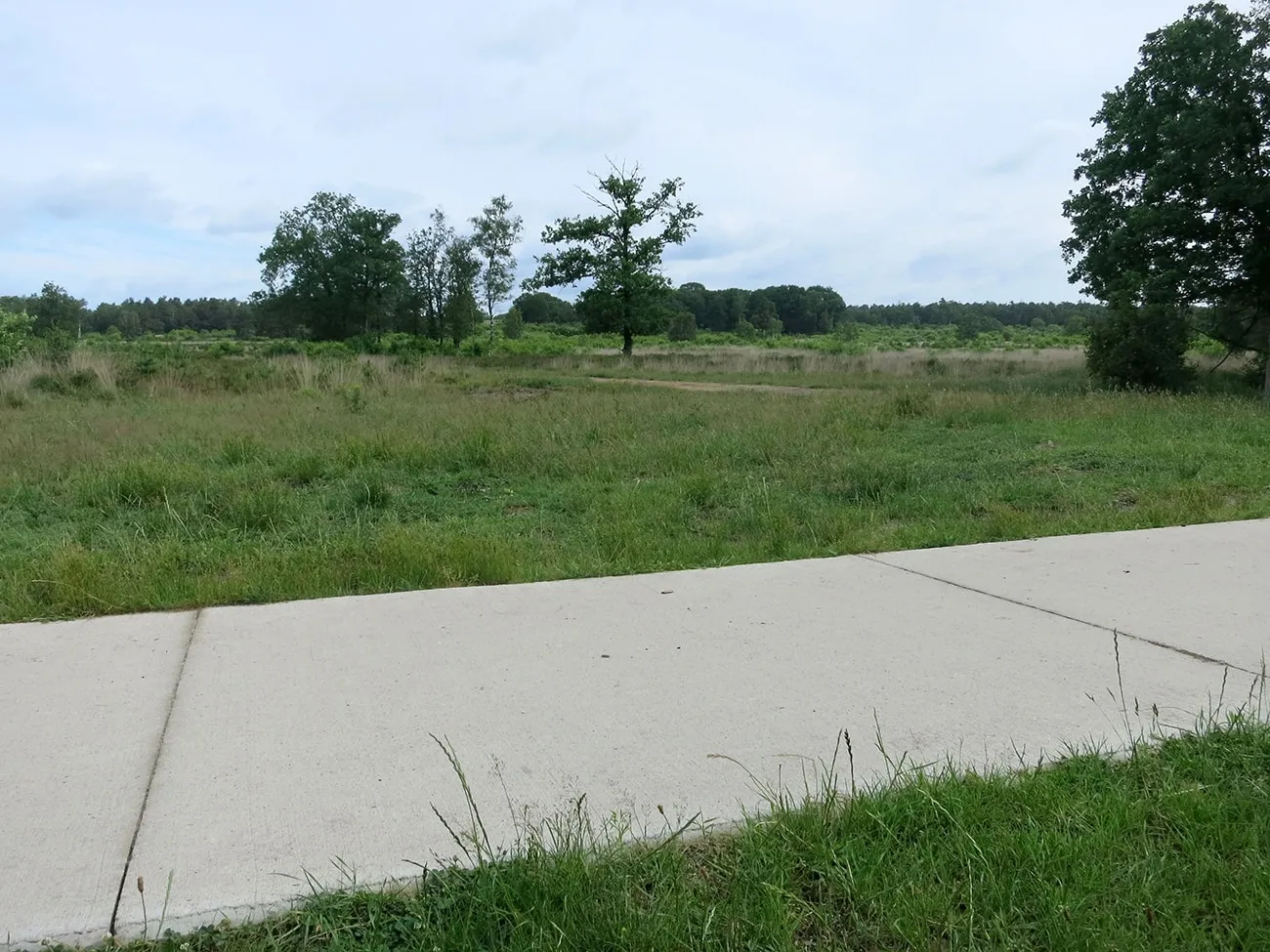
According to Jeroen de Vrieze, Technical Marketing and Statistics Adviser for civil engineering at Betonhuis, a concrete pavement is an interesting alternative to asphalt. “One of its main advantages is its long service life. The standard assumption is forty years, but this can extend to at least sixty years or more. That is much longer than for other types of pavement.” A concrete road can be recycled effectively, with the recycled concrete aggregate used as aggregate in new concrete pavement. The foundation can also be recycled. Another advantage is the durability of a concrete surface. Climate change means that road sections are increasingly inundated as a result of heavy rainfall or flooding, as seen in South Limburg, the Ardennes and the Eifel in 2021. Concrete retains its stiffness during flooding and is not affected by subsidence or rutting.”
CO2 reduction
Finally, concrete can withstand very high and very low temperatures. “At very high temperatures, asphalt produces emissions, but concrete emits nothing, either upwards or into the ground, and is also chemically inert,” says De Vrieze. Concrete’s durability also means much less maintenance. “This naturally brings enormous benefits during the use phase. It reduces traffic disruption and nitrogen emissions during maintenance work. It also means fewer traffic jams and no need for traffic to take detours, all of which reduces nitrogen emissions. Concrete pavement is also much smoother than asphalt and retains its smoothness. This keeps rolling resistance low, allowing vehicles to save up to 6% on fuel on concrete roads. For lorries, the saving is around 2%.”
Stay up to date
As a knowledge centre, Betonhuis is constantly looking for new ways to help create a better world. Its work includes making workplaces even safer, as well as building with nature and adapting to climate change, circular design, slimmer structures and demountable concrete elements. In short, Betonhuis believes that everyone involved with concrete should talk more often about how we can make a real impact. Because concrete makes a difference. Would you like to stay up to date? Subscribe to the newsletter on sustainable concrete at aanmelden.betonhuis.nl
Question about this story? Ask your question
Keep following this
Get an email when a new story is published. No account needed.
- ThemeLower emissions and more reuse
- SubjectNews







