









Building more with timber calls for active sharing of timber knowledge
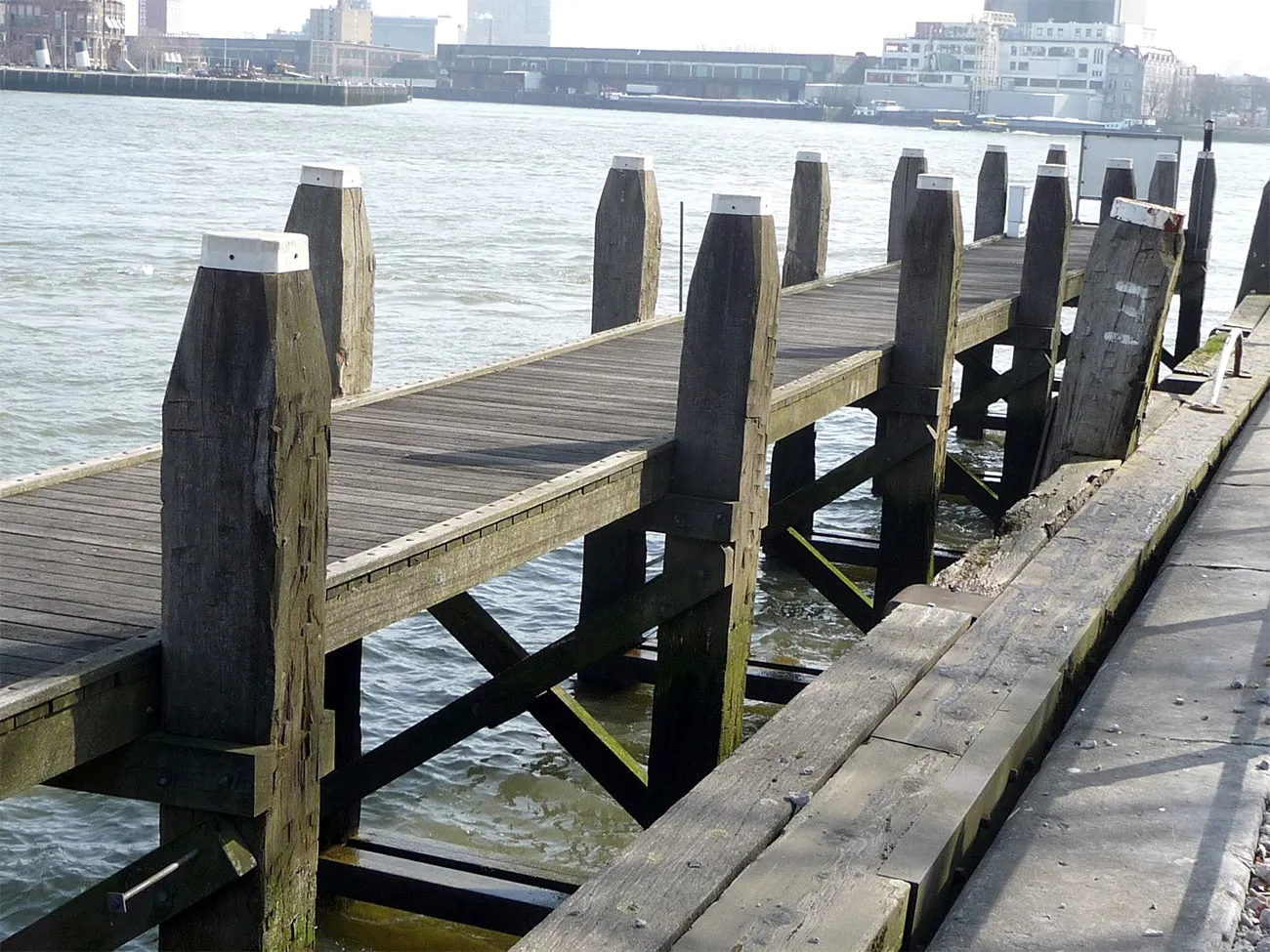
The use of timber is being encouraged to make construction more sustainable, including locally sourced and reclaimed timber. The thinking behind this is that it reduces CO2 emissions, makes construction more circular and cuts pollution, all while using timber produced in sustainably managed forests. More and more companies are therefore building with timber, as they see it as a way to make money and believe it is an easy material to work with. But it is not that straightforward, says SHR.
Timber is circular because it is fully biodegradable, but that should not happen while it is in use. If the principles are followed, timber in the built environment will last for many decades without problems. However, problems are likely when people involved in design, production and especially construction are unfamiliar with the principles of timber construction. This damages the industry’s image, meaning that well-intentioned initiatives to promote sustainable construction can sometimes have the opposite effect due to a lack of timber knowledge. With an up-to-date range of courses, SHR aims to contribute to the steady expansion of timber use in the built environment. In September, the range will be expanded to six technical courses.
The SHR course programme for 2022-2023 comprises:
1) The Timber Species Identification course is an introductory course for working with timber, since the species has a significant bearing on its application.
2) Principles of Durable Timber Cladding covers the properties of timber façades, how to construct them correctly, and the consequences of poor workmanship, unsuitable designs and unrealistic expectations.
3) Designing with Timber provides insight into how to design structurally using the various timber construction methods currently available on the market.
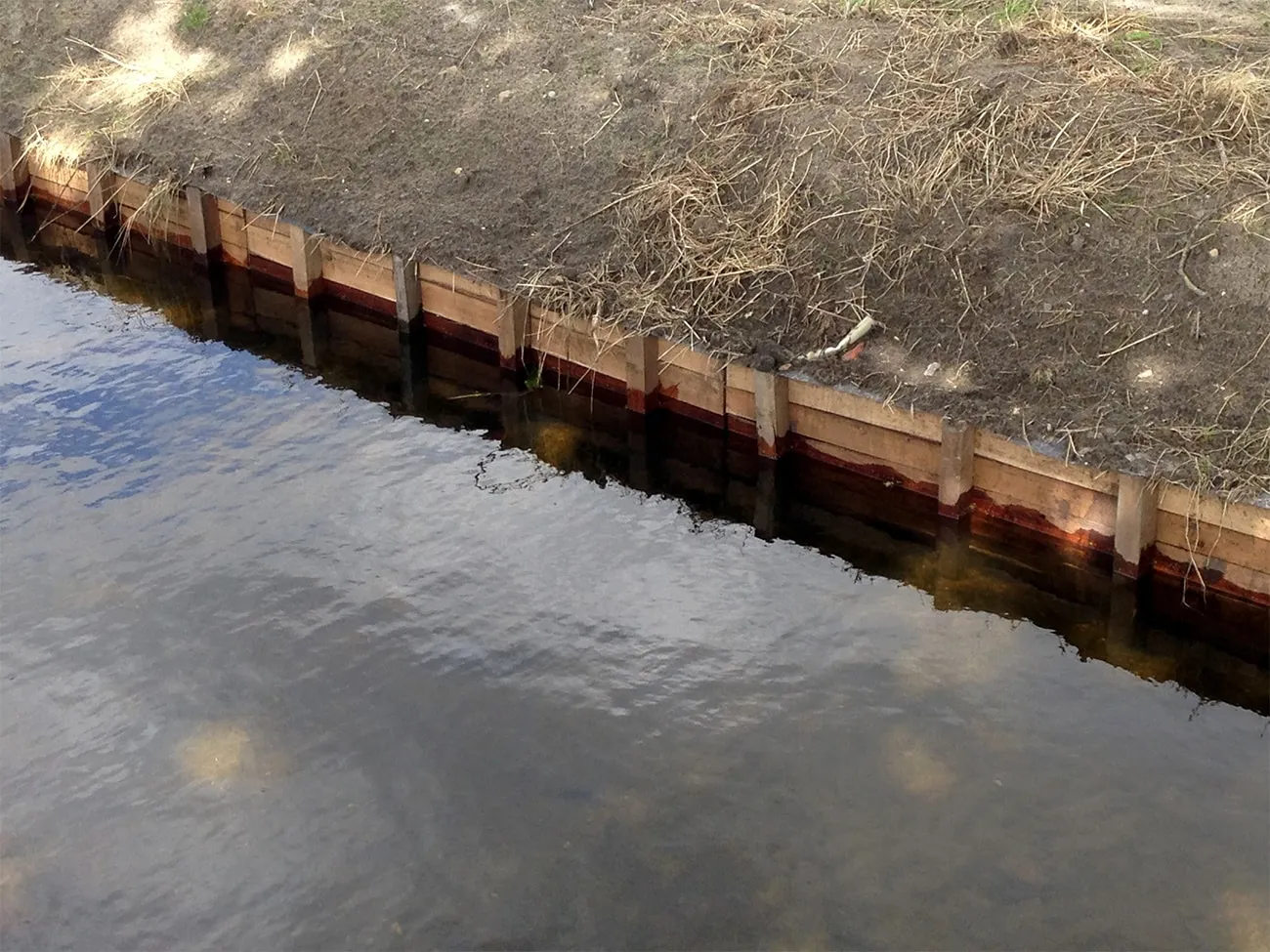
4) Timber in Ground Contact covers applications where moisture build-up cannot be prevented and timber must be used in a way that makes the most efficient use of its natural resistance to fungal and bacterial decay.
5) Damage-Free Construction with Timber in Above-Ground Applications discusses the principles for structures and building components (external joinery) that can ensure a long service life and a realistic maintenance regime.
6) Timber and the Environment is an important subject in supporting the choice of timber as a sustainable building material.
Question about this story? Ask your question
Keep following this
Get an email when a new story is published. No account needed.
- ThemeLower emissions and more reuse
- SubjectNews







