









A bird’s-eye view of cables and pipelines
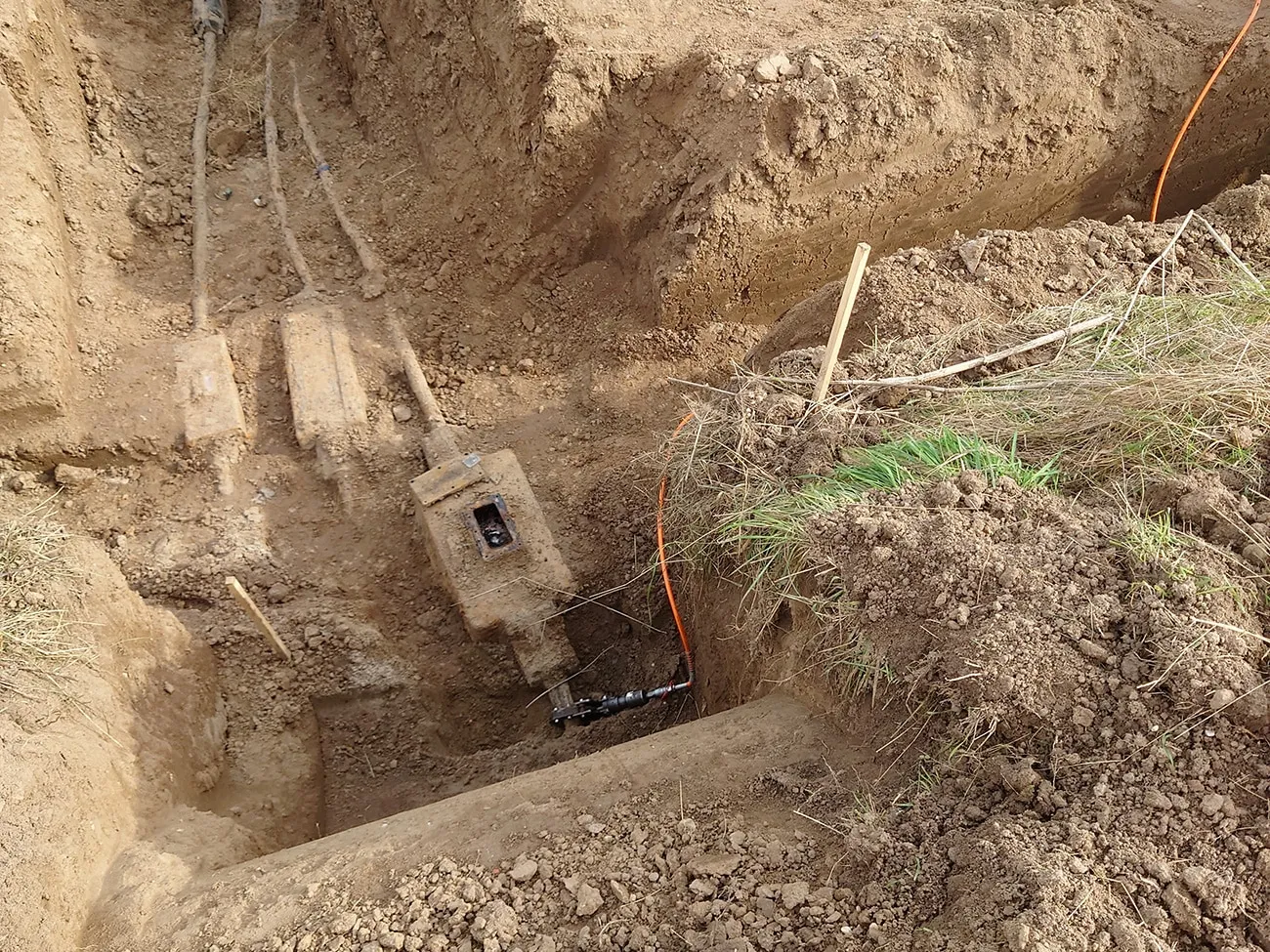
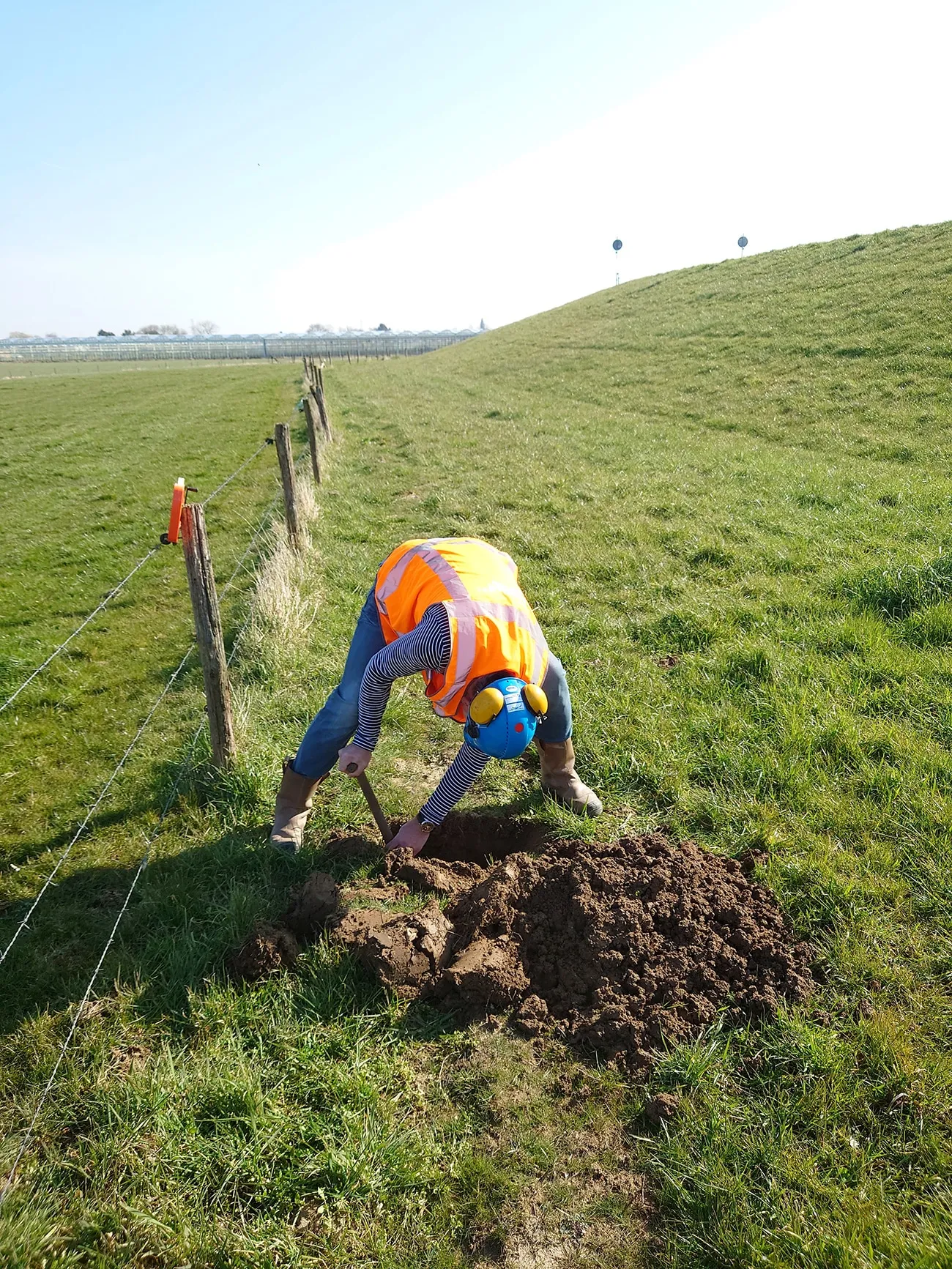
The dyke reinforcement project between Wolferen and Sprok has no fewer than 300 (!) interfaces with cables and pipelines. It is hardly surprising, then, that engineering consultancy SGS Roos+Bijl was brought into the design process at an early stage. The cable and pipeline specialist mapped all the interfaces from a bird’s-eye view and, working closely with the network operators, the water authority and the construction consortium, made a number of smart design changes that led to substantial savings for the project.
“Waterschap Rivierenland deliberately called on the expertise of market parties at an early stage, so that challenges during construction could be addressed in the design,” says Wilko van Kruisbergen, project manager at SGS Roos+Bijl. “This led to the formation of the Betuwse Waard design team, which we joined as cable and pipeline specialists. This created a valuable exchange of ideas on issues we could tackle together: what does the water authority want, what is feasible for the contractor, and what is achievable in relation to the cables and pipelines? More specifically, what is in the ground, what needs to be diverted, what are the risks, and how can we mitigate or reduce them?”
High-voltage grid
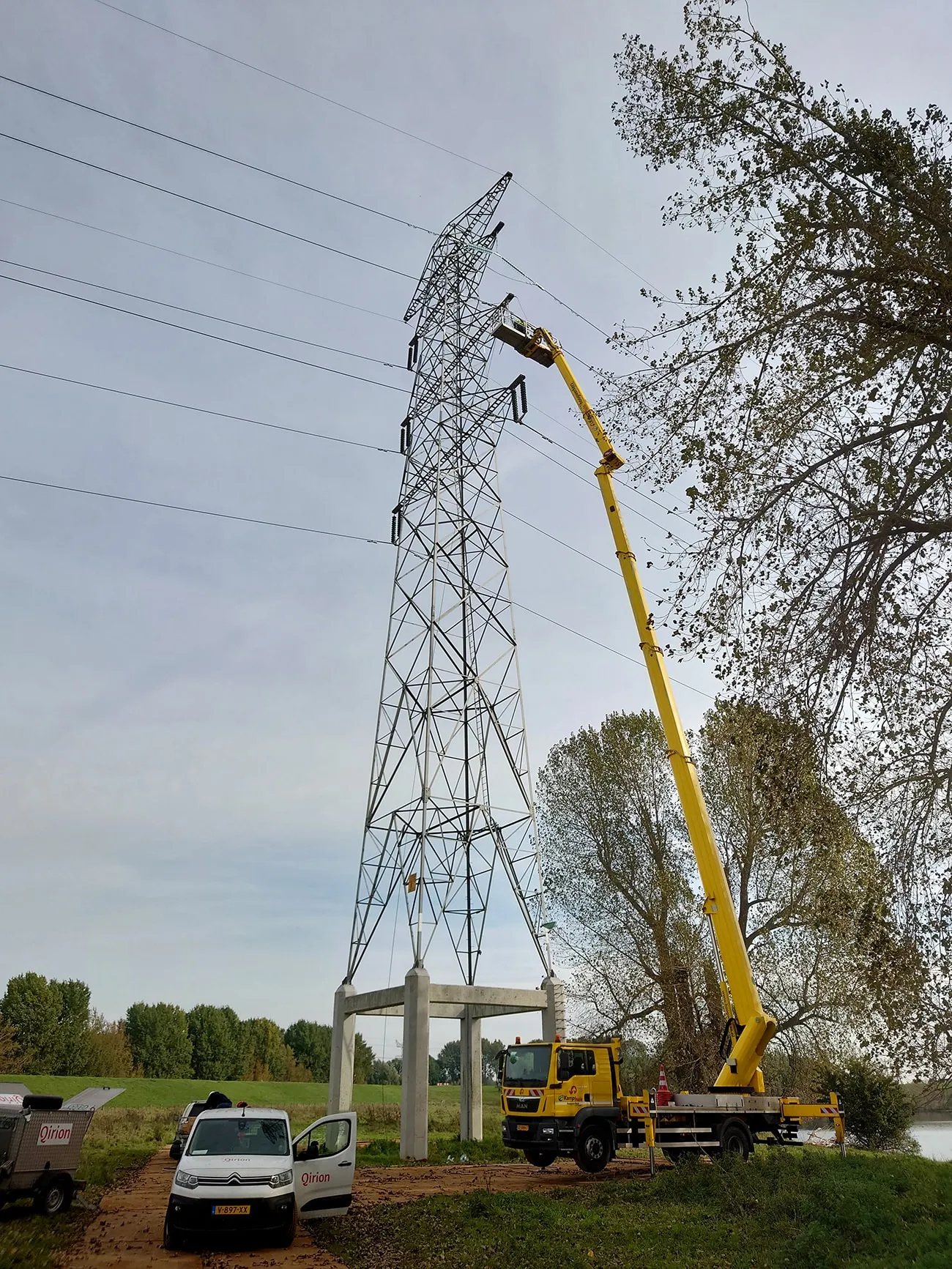
SGS Roos+Bijl’s contribution to the design team even led to changes to the design in some areas. “The project covers a route of approximately 13 kilometres, crossed at three locations by TenneT’s overhead high-voltage grid,” explains David Deinum, project coordinator at SGS Roos+Bijl. “Initially, it looked as though all three spans would have to be modified. That would have a major impact. There are legal standards governing, among other things, the clearance between the dyke and the conductor, to prevent electrical flashover. Raising the Waalwijk meant that the minimum clearance would not be maintained. Working with the design team, we managed to implement the necessary measures at those locations without requiring major changes to the high-voltage grid. At one location, the dyke profile was modified; at the second, the conductors were tensioned more tightly; and at the third tower, the suspension was adjusted. These measures have saved several million euros, quite apart from avoiding the considerable complexity and risks involved in shutting down a high-voltage grid.”
From design to permit applications
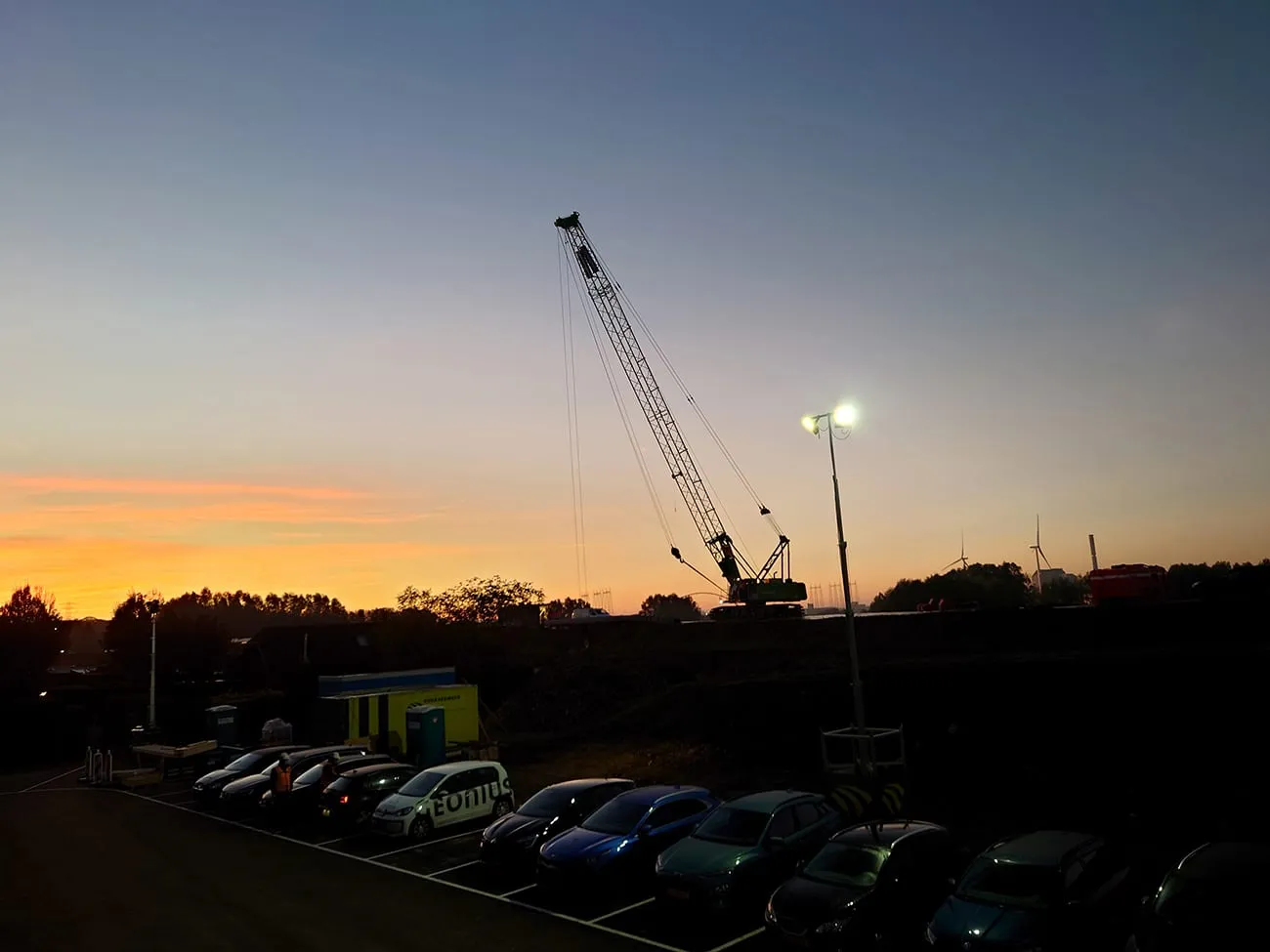
Given the many interfaces with cables and pipelines on this project, it is essential to divert them in good time, preferably well before construction consortium De Betuwse Waard starts work on the dyke reinforcement at the site. During construction, SGS Roos+Bijl carefully monitors the coordination of all this work. “In principle, a utility company is responsible for its own network and for arranging any modifications to it,” Deinum continues. “In this case, Liander outsourced the work to us in full, for both gas pipelines and electricity cables. We assess the interfaces, prepare the design and apply for permits in good time. For all the other utility companies, we acted as the link between construction consortium De Betuwse Waard and underground infrastructure contractor Van den Heuvel.” Van Kruisbergen adds: “This is often where the real challenge lies: contractors always plan as far ahead as possible, and diverting cables and pipelines can easily take six months. Making ad hoc changes to the schedule is not straightforward. We head off situations like this by attending the weekly planning meeting in person and drawing attention to the importance of the often-invisible cables and pipelines underground.”
SGS Roos+Bijl has a broad range of expertise in cables and pipelines. “We have a great deal of knowledge and experience in-house and, above all, are committed to taking the pressure off our clients,” says Van Kruisbergen. “We are always willing to go the extra mile, for example by taking on the engineering as well. That is appreciated, as the water authority has already said it will use a similar approach for future dyke reinforcement projects.”
Question about this story? Ask your question
Companies in this story
Keep following this
Get an email when a new story is published. No account needed.
- ThemeFlood protection and climate-resilient water management
- SubjectNews
- CompanyRoos Groep
- CompanyVan den Heuvel







