









Maintenance inspections of 6,400 structures
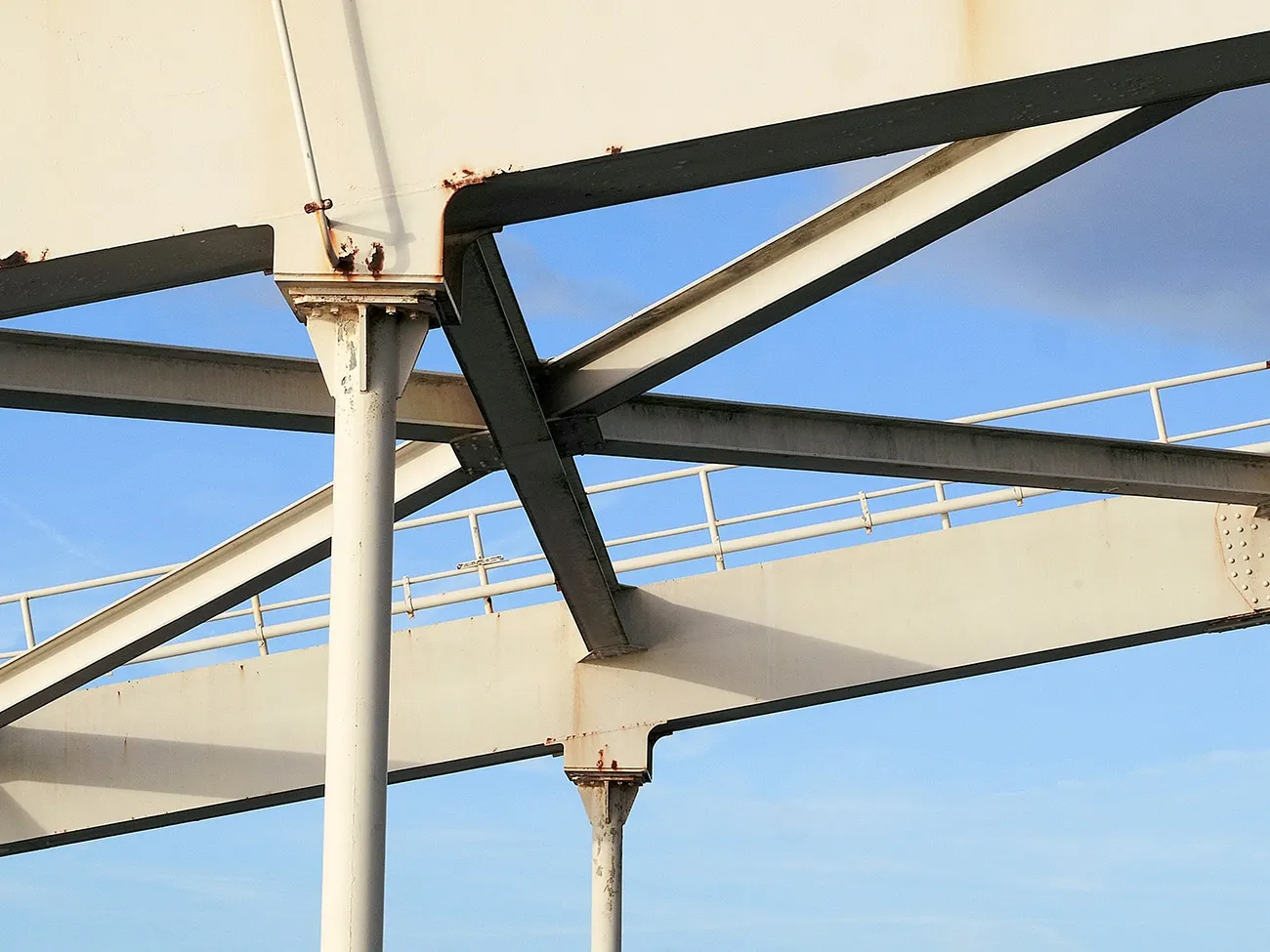
Like cars, the 6,400 structures managed by Rijkswaterstaat in the Netherlands are also inspected periodically. The primary aim is to ensure safety, but inspections also provide a realistic estimate of future maintenance needs. Rijkswaterstaat is not alone in this: all owners and managers of structures carry out inspections to a greater or lesser extent. However, the asset base of the country’s largest road authority has a number of distinctive features.
More than an ‘MOT’
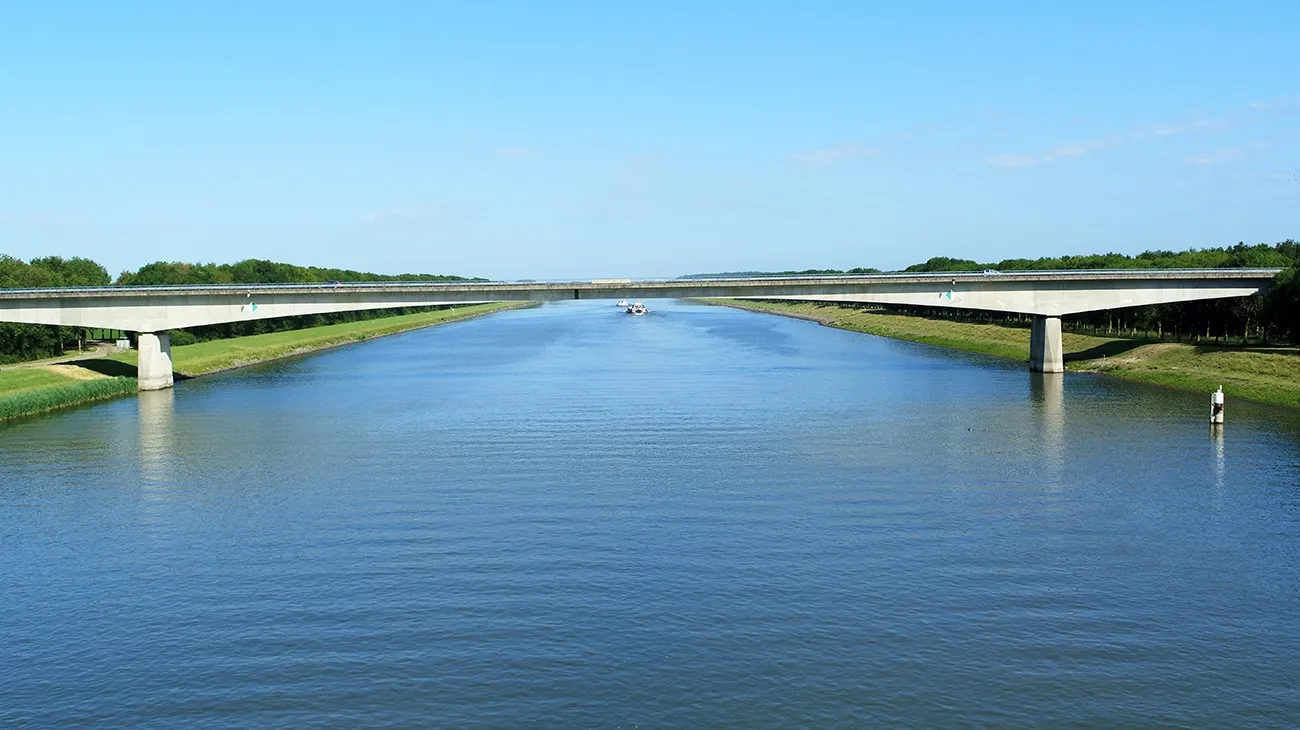
“We have been carrying out periodic inspections of roads and structures for as long as anyone can remember,” says Mark Zwaan, programme manager at Rijkswaterstaat.
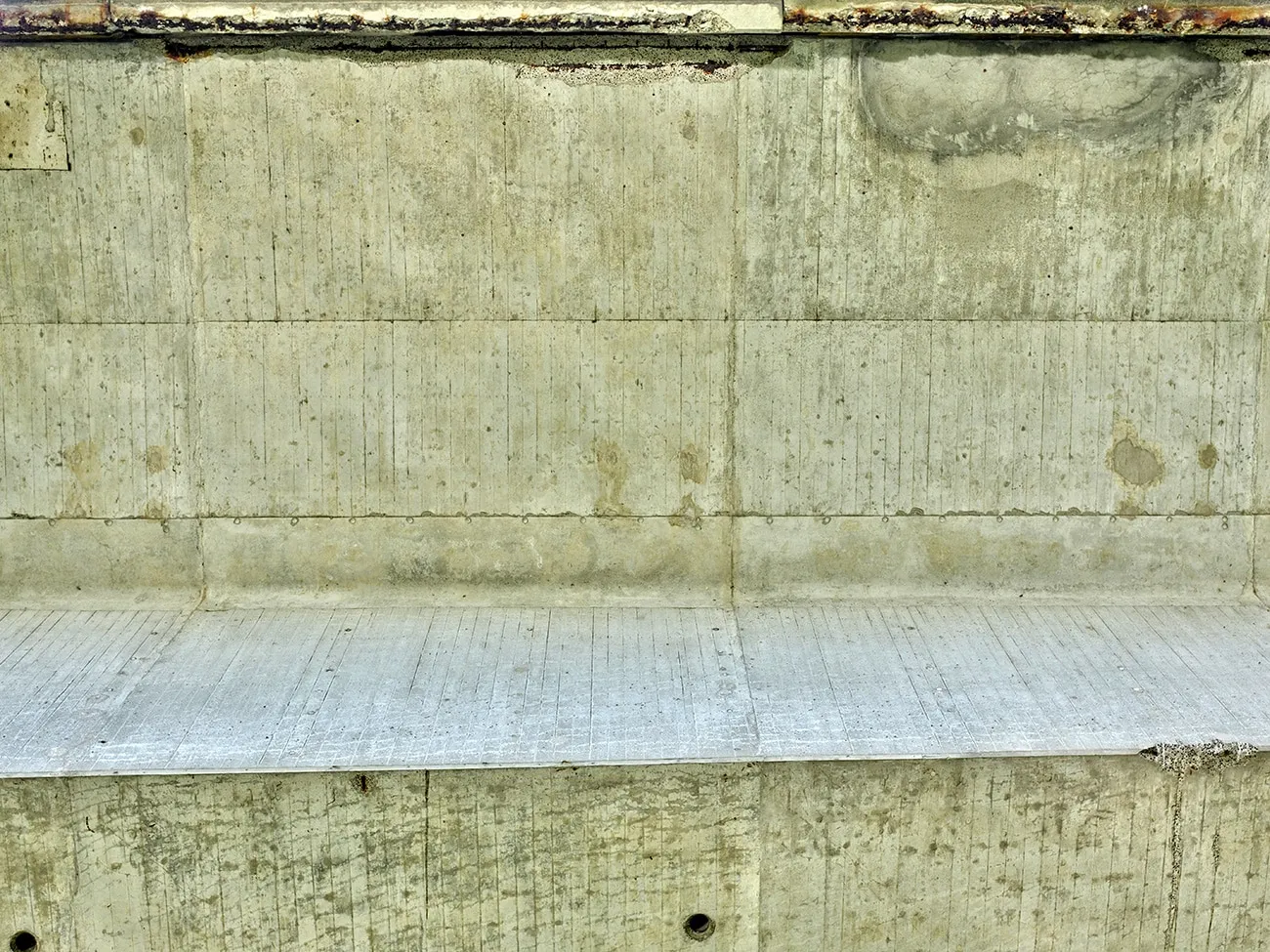
“For several years now, we have distinguished three types of inspection for structures: visual checks, condition inspections and maintenance inspections. Visual checks are carried out almost daily by contractors and inspectors working in the asset area. A condition inspection is a technical inspection repeated annually, comparable to a periodic roadworthiness test. Finally, the maintenance inspection is the most extensive and takes place once every six years. The structure is examined from top to bottom. This also gives us an estimate of the risks, in other words maintenance, we can expect over the next ten years in order to preserve the asset and its function in the long term.”
Genoa
The national infrastructure is vital to our economy. “Maintenance on major locks, bridges and tunnels immediately involves very high costs. Those costs need to be managed and funding set aside,” Zwaan explains. “Moreover, carrying out maintenance often causes considerable disruption. That is another reason why good planning and looking ahead are essential to keep disruption to a minimum. All inspections are risk-based. If we see the risk increasing, we also increase the depth of the inspection, carry out an additional inspection or bring forward a scheduled inspection. We want to prevent a situation like the one in Genoa. Safety is our top priority.”
This became all the more clear when the Merwedebrug was closed at short notice in 2016. “We were dealing with a type of damage that was largely unknown to us and with which we had little or no experience. We suspected there were hairline cracks in the connections, but they could not be seen with the naked eye. We immediately assumed the ‘worst-case’ scenario to avoid taking any risks with the bridge’s structural safety.”
Building in a learning curve
No structure managed by Rijkswaterstaat is exempt from the six-yearly maintenance inspection. “All 6,400 structures in our asset base are inspected,” says Zwaan. “These range from viaducts and large culverts beneath roads to tunnels, bridges, locks, pumping stations and aqueducts. Only small culverts and storm surge barriers are outside our remit. The latter have a special status and are managed separately. We award inspection contracts for the 6,400 structures to inspection firms and engineering consultancies. The contracts run for three years, to achieve a degree of efficiency and build in a learning curve. Asset management is constantly evolving across the infrastructure sector, and that includes us. Over time, new insights emerge, which we can better anticipate through new contracts. The contracts cover the entire asset base. Using our master plan and risk-based approach, we determine which assets are due for inspection, working on the basis of an average of 1,000 structures inspected each year.”
The maintenance inspections produce a comprehensive report detailing identified defects, risks, control measures and costs. “Based on these reports, maintenance is prioritised and grouped by area to optimise delivery as well. Depending on the urgency, we try to plan maintenance cost-effectively and with minimal disruption. We also have a process in place to enable an immediate response when a situation becomes critical. Because, once again, safety comes first.”
Question about this story? Ask your question
Keep following this
Get an email when a new story is published. No account needed.
- SubjectBridge construction







